No, the houseplant is perfectly safe for cats and dogs. You can grow these plants indoors safely without worrying about your pets.
Calathea Plant: Varieties, Growing Conditions, Features and Care Guide
Author
Rashika GuptaLast Update
September 14, 2026
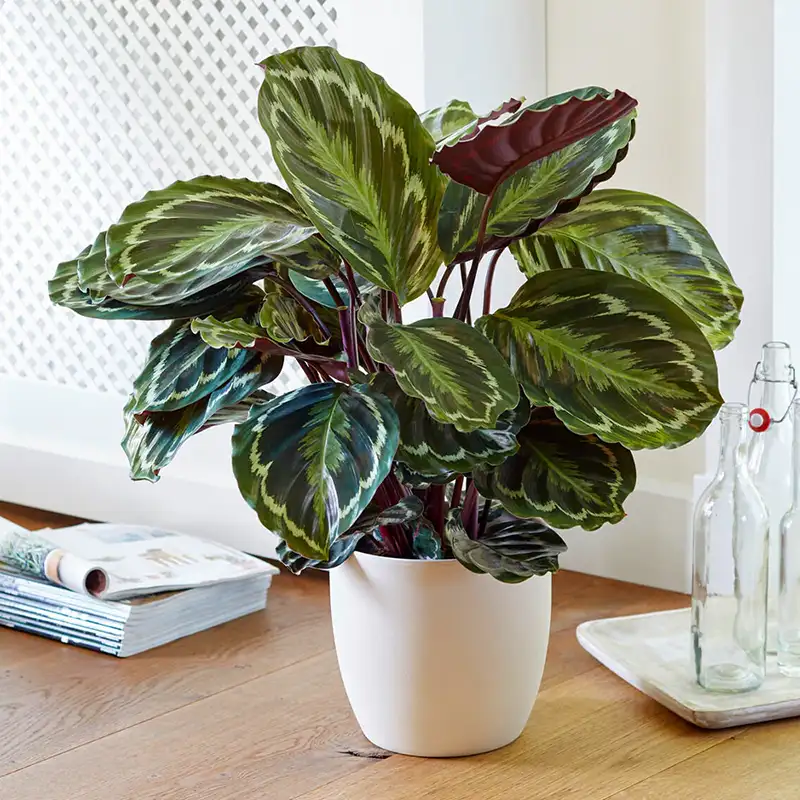
The beauty and vigour of the calathea plant bring the spirit of South America jungles to any home with its gorgeous patterned foliage and “prayer plant” behaviour. I have adorned my kitchen area with this tropical foliage plant, along with an asparagus fern that is both artistic and easy to care for.
Thriving best in indirect light, moist soil, and warm temperatures, the houseplant is a perfect addition to your bright corners and east-facing windows.
Table of Contents:
- What is the Calathea Plant?
- Explore the Distinct Varieties of Calathea Plant
- Benefits and Features of Calathea House Plant
- Growing Conditions and Care Guide For Calathea Plants
- Calathea Houseplant: Propagation and Repotting
- Pests and Diseases with Calathea Plant: Signs and Solutions
- Final Thoughts
- FAQs
What is the Calathea Plant?
Native to the South American jungles, calathea plants are the exotic beauties that are commonly known as the prayer plant because of their daily leaf movement (nyctinasty). In this, the plant raises its leaves in the morning and folds them at night, resembling the motion of prayer. They are also known as the peacock plant because of the striking foliage that looks like the plumage of a peacock’s tail.
These non-toxic ornamental houseplants feature large, colourful leaves in white, pink, and green shades, along with intricate patterns and stripes. Due to their tropical temperature requirements, they thrive outdoors only in warm, humid climates.
Let’s take a look at the vibrant plant’s taxonomical overview before moving on to the discussion on its varieties:
| Kingdom | Plantae (Plants) |
| Division | Magnoliophyta (Flowering plants) |
| Class | Liliopsida (Monocotyledons) |
| Order | Zingiberales |
| Family | Marantaceae (Prayer-Plant family) |
| Genus | Calathea G. Mey |
Did you know?
As mentioned in the records of the Food and Agriculture Organization of the United Nations, the polyphyletic genus of Calathea was refined, resulting in the transfer of over 200 species to the resurrected genus Goeppertia. As a result, now, roughly 60 species remain in the Calathea genus category.
Explore the Distinct Varieties of Calathea Plant
Calathea (often reclassified as Goeppertia) are the spectacular prayer plants that are renowned for their differently patterned and colourful varieties.
Some of the most common ones are Calathea Orbifolia, Calathea Lancifolia, and Calathea Zebrina, all performing nyctinasty and thriving best in high-humidity conditions.
| Variety | Image | Description |
| Calathea Orbifolia | 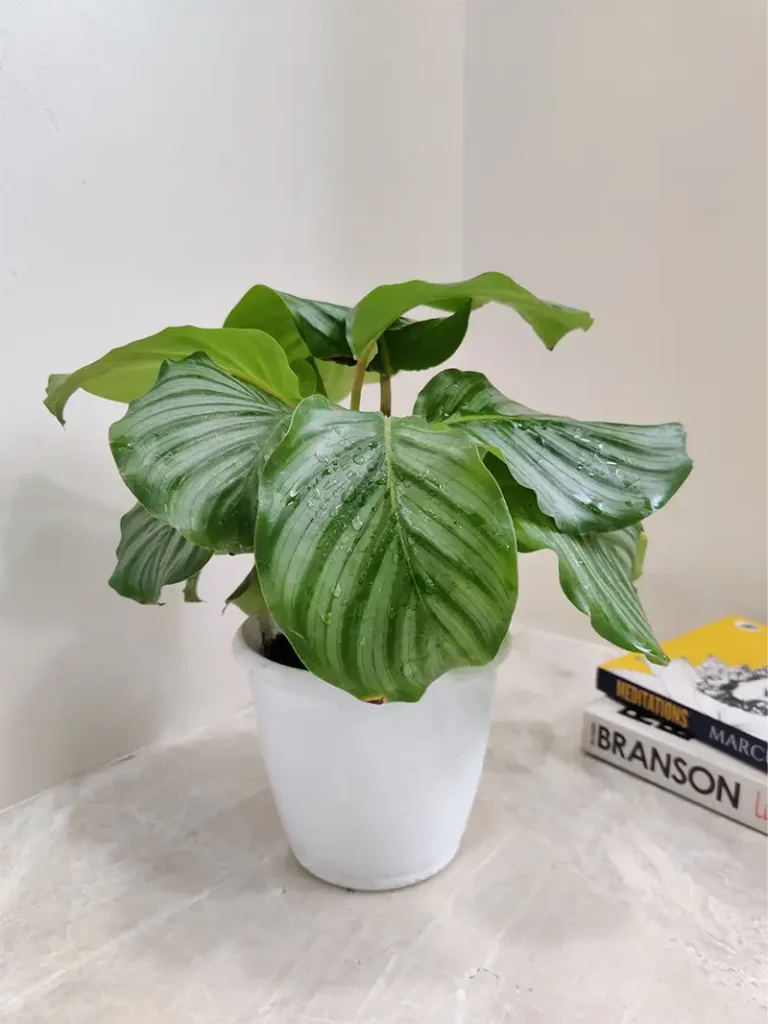 |
|
| Calathea Lancifolia (Rattlesnake plant) | 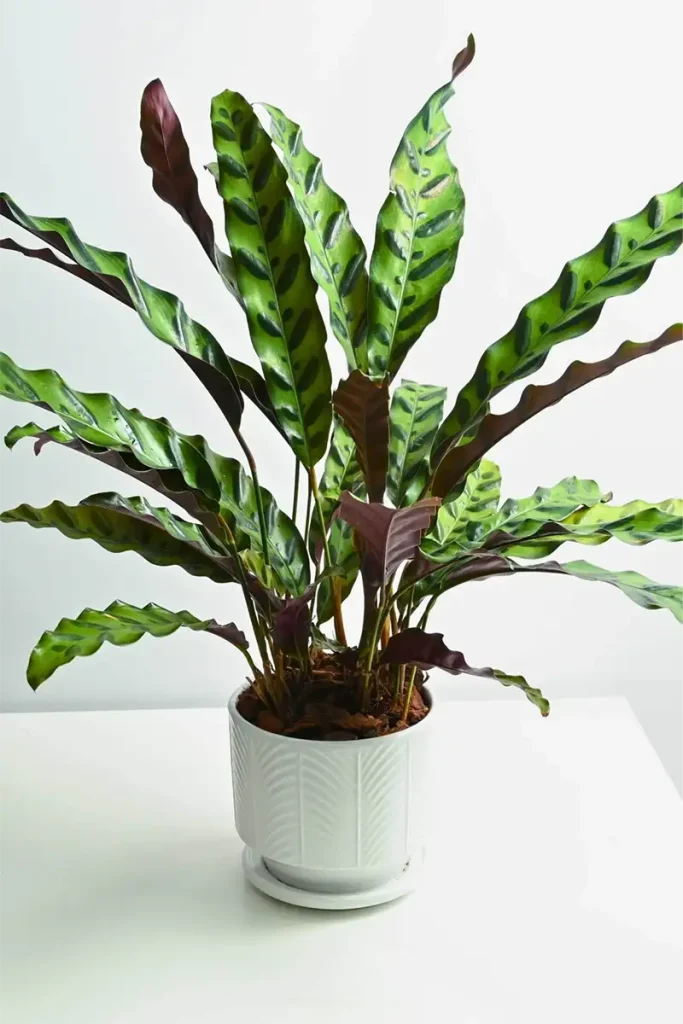 |
|
| Calathea Makoyana (Peacock plant) | 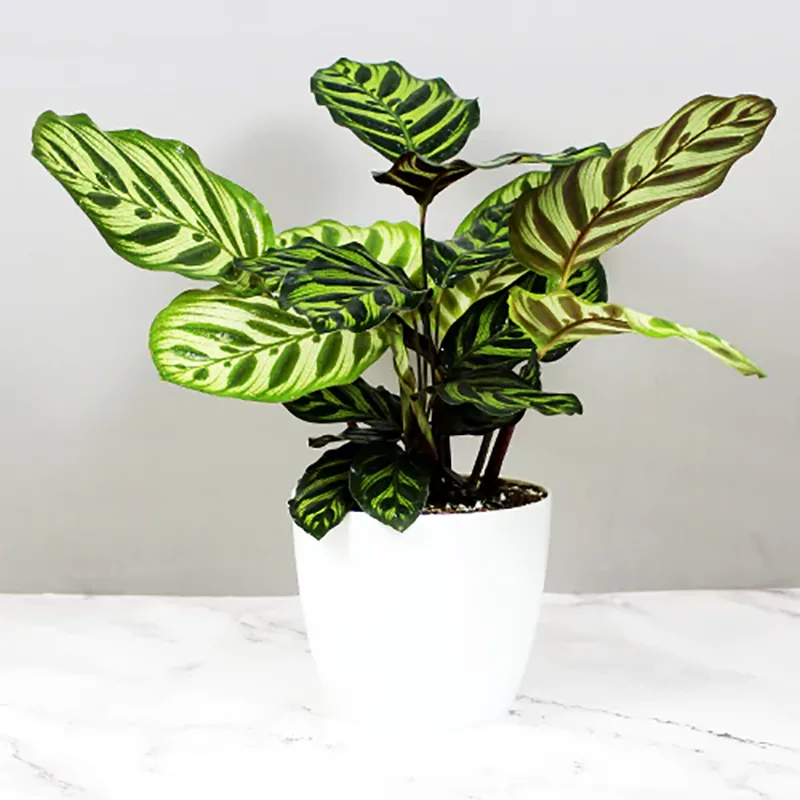 |
|
| Calathea Zebrina (Zebra plant) | 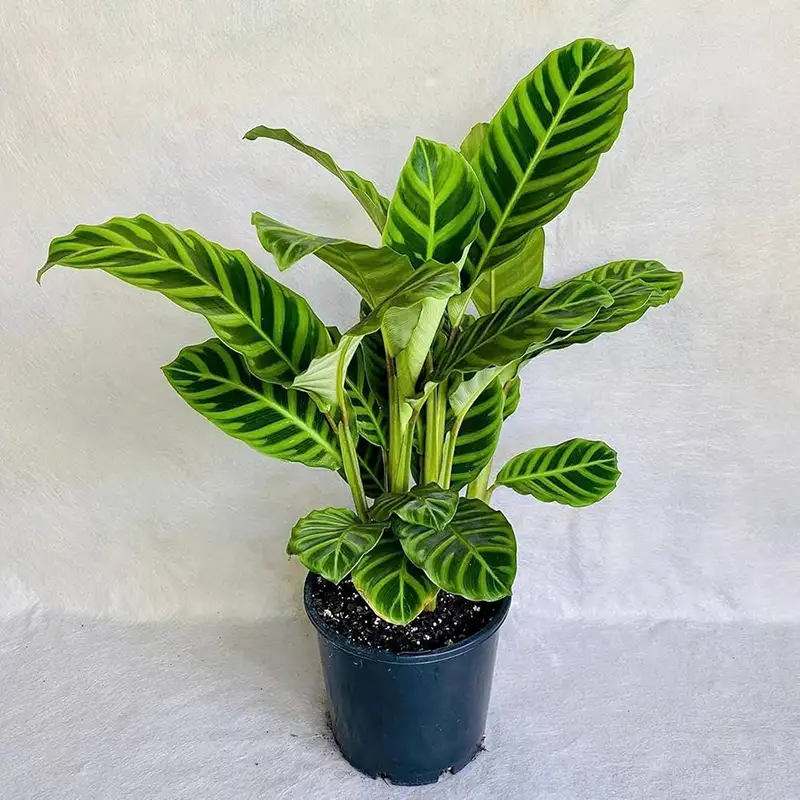 |
|
| Calathea Roseopicta ‘Dottie’ | 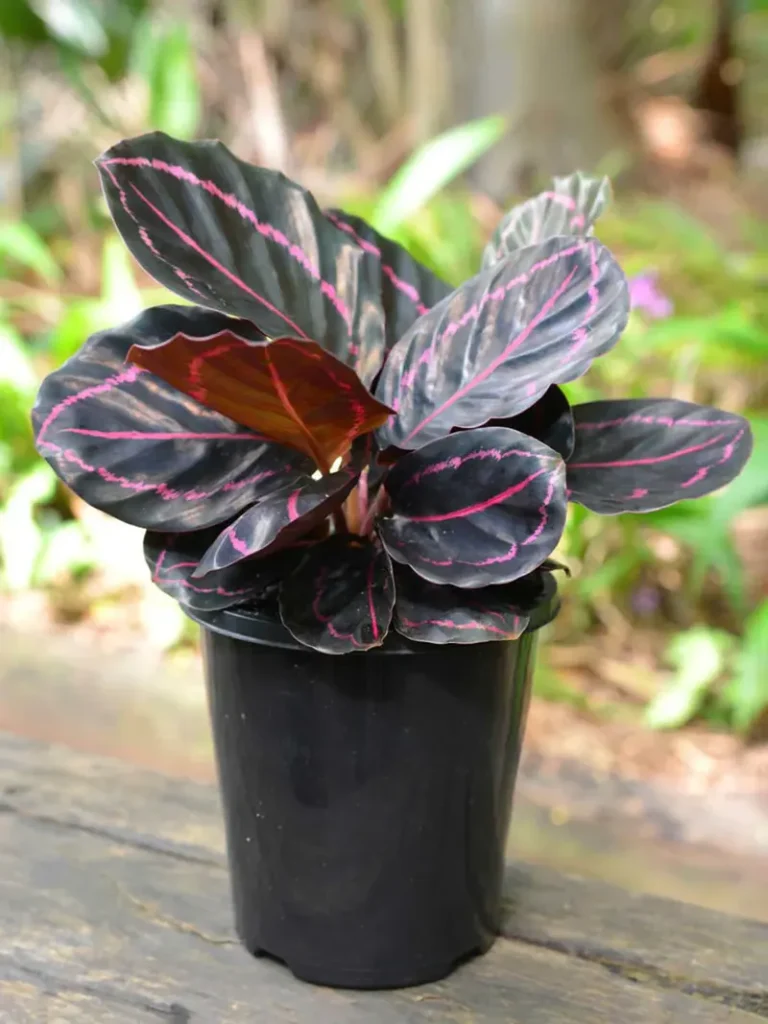 |
|
| Calathea Ornata (Pinstripe Calathea) | 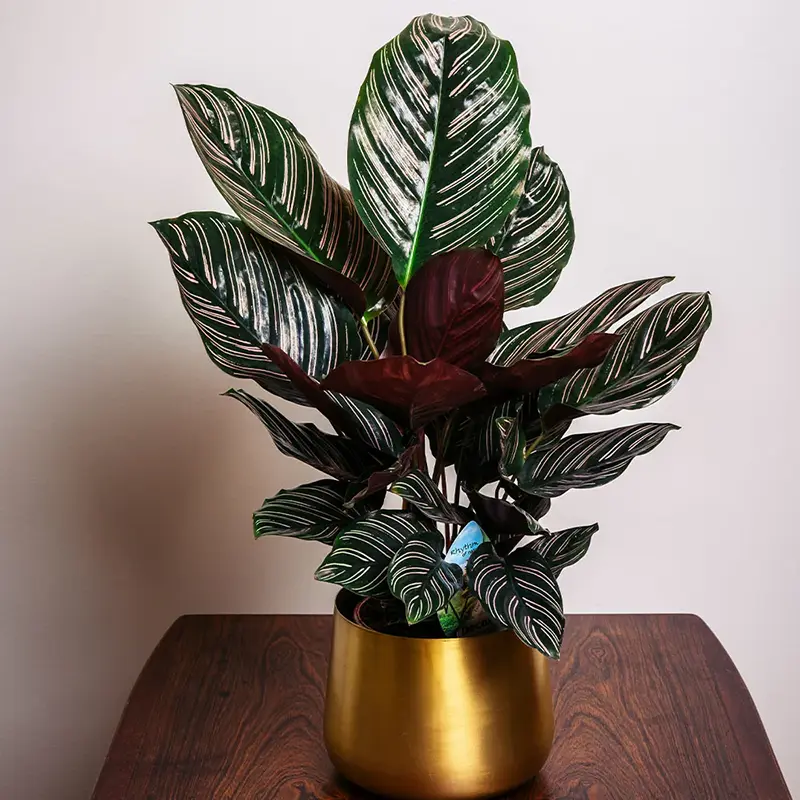 |
|
Real also: How to Grow Dragon Fruit? Learn to Grow this Unique Tropical Fruit
Benefits and Features of Calathea House Plant
The vibrant plant provides several benefits, including being pet-friendly, purifying air naturally and growing in low light. Although the calathea prayer plant, often called drama queen, due to its high sensitivity to water and humidity conditions, it rewards homeowners with pet friendly nature and vibrant dancing leaves.
- Pet Friendly and Safe
If you are looking for an indoor plant that is pet friendly calathea.plant can be a perfect addition for you, as it does not contain any harmful compounds like calcium oxalate crystals. According to ASPCA, it is safe for dogs, cats and horses.
- Air Purification
The calathea indoor plant improves air quality by removing the harmful volatile organic compounds. It also adds moisture to the dry indoor air by releasing water vapour, which can be beneficial to respiratory and skin health.
- Soothing Aesthetics and Movement
Regular movement of opening and closing leaves brings a calming and “living” touch to the atmosphere, which promotes mindfulness and leads to decreased stress.
- Low Light Tolerance
The prayer plant calathea is ideal for offices and corners that have limited natural light, as it grows best in indirect sun exposure.
Growing Conditions and Care Guide For Calathea Plants
By my experience of growing a calathea plant, I have understood that this houseplant doesn’t need hard work, time or expertise from the grower’s side.
But it is very specific about the environmental conditions, which should be similar to its tropical rainforest habitat, including high humidity, warm temperature and indirect sunlight.
Preferred Growing Conditions
| Hardiness Zones | USDA zones 11-12 |
| Sunlight Requirements | Grows optimally in bright indirect sunlight, similar to jungle floor habitat. Direct sunlight should be avoided, as it can burn the leaves. |
| Watering | Allow the top layer of the soil to dry between watering sessions. Keep soil consistently moist but avoid waterlogging. |
| Soil Needs | Prefers a well-draining, slightly acidic potting mix to retain significant moisture. |
Quick Tip
Avoid tap water as it contains sodium and chlorine that lead to discoloured leaves in these plants. Instead, use rainwater, distilled water or filtered water for the best growth.
How to Care for a Calathea Plant?
- Humidity and Temperature
Maintaining humidity is the one important part of caring for a calithea plant. These jungle plants want at least 50% of humidity, and some varieties even want more than 65%. Lack of moisture can cause crispy leaf edges. If you don’t live in a humid climate and still want to grow this plant like me, you can use supplements like a humidifier, use a pebble tray or consider placing them in the bathroom.
As these houseplants are not cold-hardy, they thrive in temperatures above 15°C. Ensure to keep them away from the window drafts, vents and fans to maintain the ideal temperature and humidity.
- Fertiliser Requirements
The plants do not need a lot of fertilisers other than light monthly feeding in every growing season. Feed it with the balanced nitrogen-rich fertiliser to support the growth of foliage and occasional white and yellow flowers. In addition to the fertilisers, ensure to flush the soil regularly to prevent salt buildup.
- Pruning
Though pruning is not needed in calithea plant, I prefer to still do it for its improved shape and health. Whenever I trim the plant, I focus on removing only the yellow and damaged leaves to encourage new growth. The best time to do the pruning is spring and summer during the growing season.
Also Explore: How Do Pistachios Grow? Planting Guide and Care Tips For This Ancient Nut
Calathea Houseplant: Propagation and Repotting
The calanthea plant can’t be propagated by leaf cuttings; the only way to propagate it is by repotting. These houseplants should not be repotted too frequently, as they don’t like the change in their environment.
Repot the plant if it outgrows the current pot, or it looks wilted because of the rootbound system. Here is the procedure for propagating and repotting the plant:
- The best time to propagate a calathea plant is in spring, when the plant is just starting to grow. Water the plant regularly to reduce the transplant stress.
- Gently remove the plant from the pot and separate the root system into smaller clumps, ensuring that every new plant has both leaves and root systems.
- With a sharp, clean knife, cut through thick and stubborn root clusters if necessary.
- Place each new division into its own pot with well-draining and nutrient-rich soil.
- Keep the soil consistently moist, provide high humidity by using a humidifier or covering it with a plastic bag and place it in bright indirect sunlight.
Pests and Diseases with Calathea Plant: Signs and Solutions
If proper attention is not paid to the humidity levels, watering and temperature, calathia is susceptible to many pests like aphids, spider mites and mealybugs. It can also suffer from diseases, including fungal leaf spots and root rot. Let’s see the common pests and diseases and their possible solutions:
Pest Infestations of Calathea Plant
| Pests | Appearance | Signs and Solutions |
| Spider Mites | 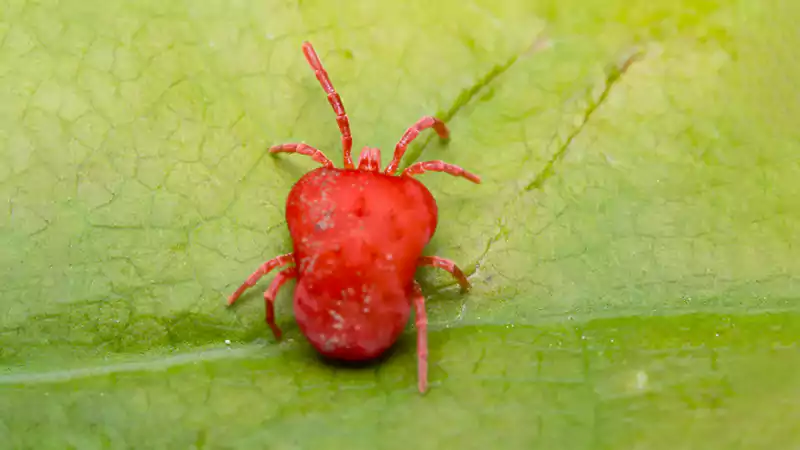 |
|
| Mealybugs | 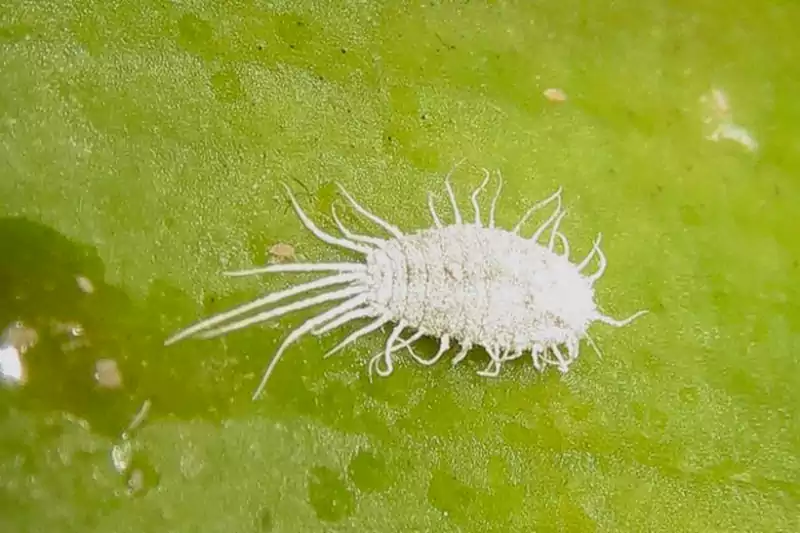 |
|
| Scale Insects | 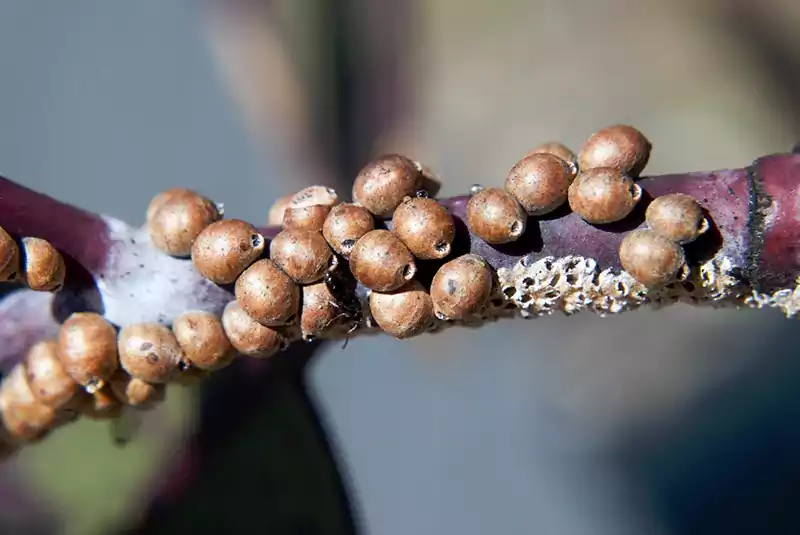 |
|
| Aphids | 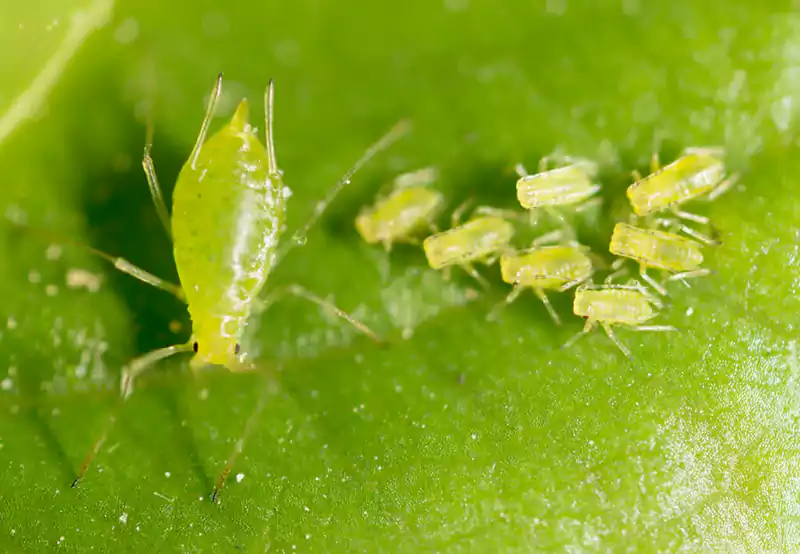 |
|
Common Diseases Affecting Calathea Plant
| Disease | Signs | Solution |
| Root Rot (Most common) | Yellow and dying leaves with mushy stems, caused by soggy soil. | Reduce the watering and check for proper drainage in the pot. |
| Fungal Leaf Spots | A powdery white coating or spreading brown spots on the leaves. | Remove the affected foliage, use fungicide and improve the air circulation. |
| Bacterial Leaf Spots | Water-soaked or brownish brown spots on the leaves, often with a yellow halo. | Cut off the affected foliage, avoid watering from the top and improve air circulation. |
Final Thoughts
And here’s to the end of our discussion on the calathea plant! These houseplants are certainly exotic beauties for indoors, available in many alluring patterns and colours.
I agree with the fact that this houseplant is a bit temperamental regarding its ideal tropical growing environment, but with the above-mentioned tips on care, propagation, and pest control, you’ll be ready to add this vibrant plant to your home.
FAQs
Is Calathea toxic to dogs and cats?
Where should I place my Calathea plant?
Place the plants in humid and warm spaces like bathrooms, kitchens and near windows with bright indirect sunlight. Ensure to maintain high temperatures and protect them from cold conditions.
How cold can Calathea tolerate?
These are tropical plants and thrive in warm and humid weather conditions. They are sensitive to cold and can suffer damage if the temperature drops below 15°C.
Why are my plant Calathea leaves turning brown/crispy?
This is typically caused by low humidity (below 50%) or watering with tap water that contains salt, which leads to leaf burn.
How often should I repot Calatheas plant?
The plants generally need repotting every 1-2 years, when they become rootbound, and roots start growing from the drainage holes.
Sources:
- How to grow calathea – BBC Gardeners’ World Magazine
- Calathea– Britannica