Some popular flowers that bloom during cold winter months are Winter Jasmine, Cyclamen, Daffodils, Snapdragons, and Violas.
10 Flowers That Bloom in Late Winter Nyt - Care Guide, Planting Tips and Common Challenges
Author
Cerina TriglavcaninReviewed By
Cody Allison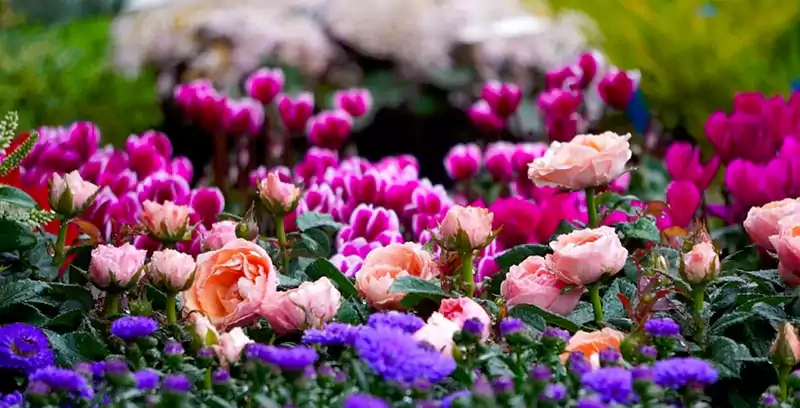
I have noticed that with the right selection of flowers, it is possible to enjoy fresh blooms even during the coldest months. These stunning blossoms are the perfect way to keep your garden or any landscape vibrant when most plants go dormant.
In this article, I have listed 10 flowers that bloom in late winter nyt along with their care needs. Additionally, discover some planting tips to follow and quick fixes to address common winter challenges.
Table of Contents:
List of Flowers That Bloom in Late Winter Nyt
Flowers that bloom in late winter nyt bring a pop of color, vibrancy, and freshness to your garden space or any landscape when all other blooms become dormant.
These are cold-hardy and resistant to frost temperatures. Here is a complete list of flowers that effortlessly grow in late winter, typically from mid-October to late February.
- Crocuses
- Snowdrops
- Snapdragons
- Daffodils
- Cyclamen
- Winter Jasmine
- Violas
- Daphne Shrub
- Hellebores
- Alegerian Iris
If you believe that colder days require you to put your garden bed to rest, you are mistaken. There are many winter blooms you can cultivate to transform your garden into a vibrant space.
Also Read: 20+ Mexican Flowers: Explore the Culture and Floral Heritage of Mexico
10 Best Winter Plants to Transform Your Garden Space
By incorporating the right winter plants, you can create a stunning landscape that thrives even in the cold months. These 15 plants not only withstand harsh conditions but also add texture and interest to your garden. Discover some of the best options to elevate your winter garden transformation.
1: Crocuses
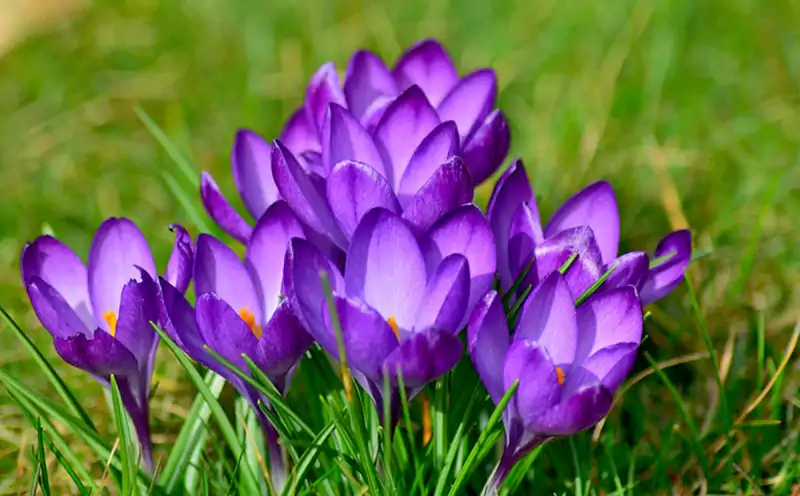
Crocuses are small perennial flowering plant that often grows amidst late winter snow. The grass-like leaves of the genus and the cup-shaped blooms make it an alluring addition to any garden space.
| Hardiness Zone | 3-8 USDA |
| Botanical Name | Crocus chyrsanthus |
| Mature Height | 3-6 inches tall |
| Care Needs | Grows well in partial sunlight, sandy or gritty soil, and needs consistent moisture for optimal development. |
2: Snowdrops
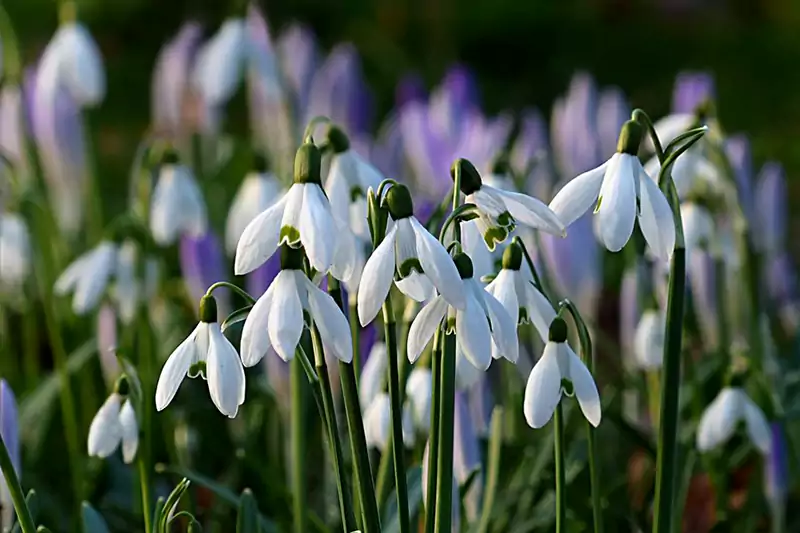
Snowdrop is a small bulbous perennial that bears bell-like drooping white flowers. It is a resilient species that often blooms in January or February while the ground is still covered with snow.
| Hardiness Zone | 3-9 USDA |
| Botanical Name | Galanthus |
| Mature Height | 4-8 inches tall |
| Care Needs | Snowdrops prefer sunlight in early spring; later, they can be grown in partial shade. Requires moist soil but not too soggy and moderate watering. |
3: Snapdragons
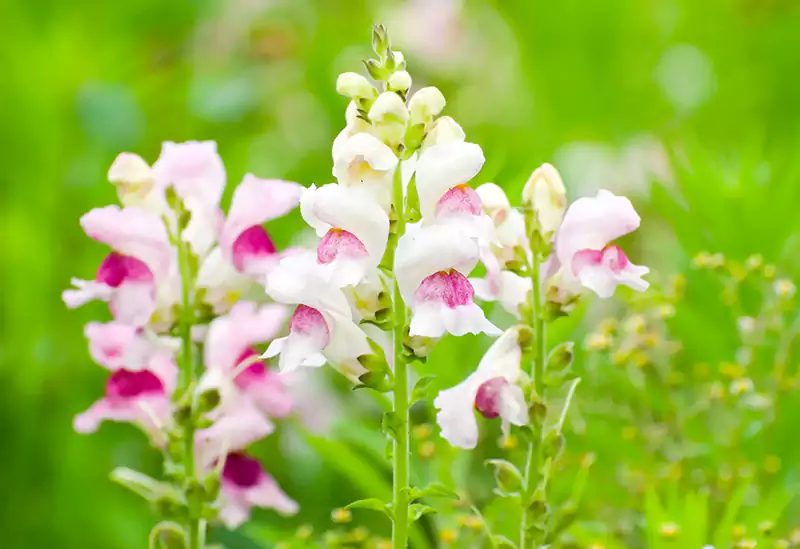
The snapdragon is a playful, upright flower with blooms shaped like tiny dragon faces. It is a popular, cool-weather plant that snaps open when squeezed. These are ideally grown for garden borders, mass planting, and as cut flowers for bouquets.
| Hardiness Zone | 7-10 USDA |
| Botanical Name | Antirrhinum majus |
| Mature Height | 30-48 inches tall |
| Care Needs | A minimum of 6-8 hours of sunlight is needed for the bloom. Grows best in well-draining soil with adequate watering. |
4: Daffodils
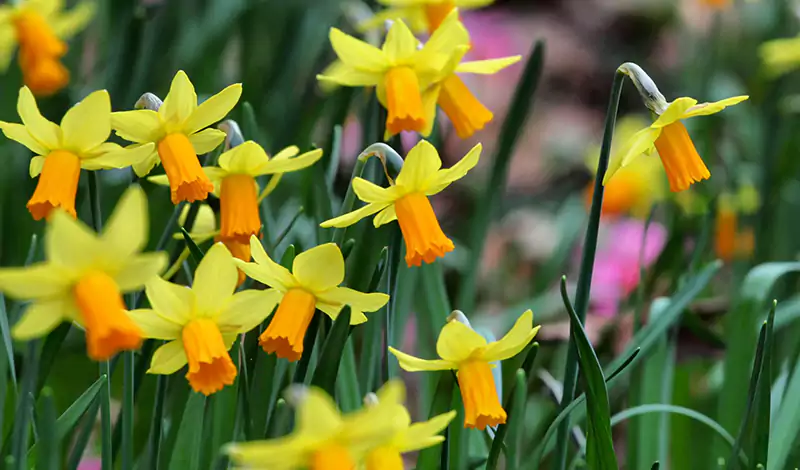
Daffodils are magnificent yellow flowers often seen as the first sign of spring’s arrival, though some varieties bloom during colder months like January or February. The trumpet-shaped blossoms can transform the look of any garden space.
| Hardiness Zone | 3-9 USDA |
| Botanical Name | Narcissus spp. |
| Mature Height | 6-30 inches tall |
| Care Needs | Thrives in full sun to partial shade, with moderate watering during winter, and permeable, fertile soil type. |
5: Cyclamen
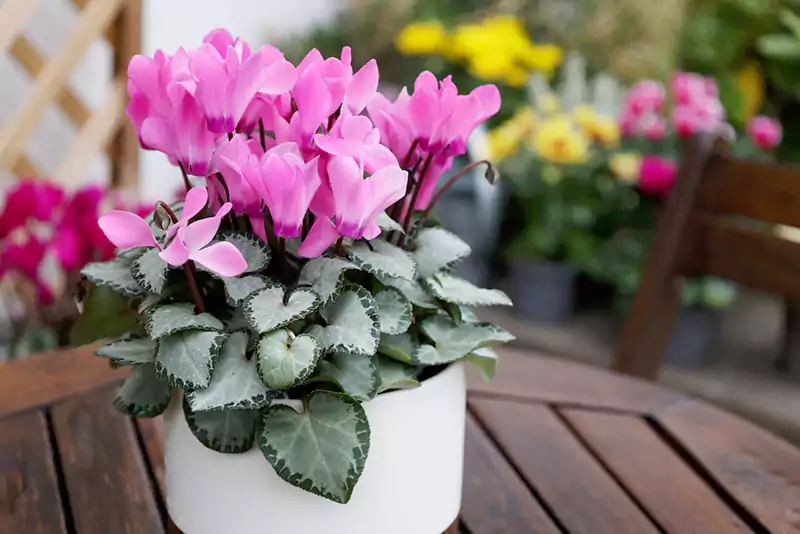
Although cyclamen is known to be a famous fall flower, it grows extremely well during the late winter also. It is a tuberous herbaceous perennial that bears elegant pink blooms and heart-shaped green leaves. This is also a shade-loving houseplant that can transform any living space.
| Hardiness Zone | 4-9 USDA |
| Botanical Name | Cyclamen spp. |
| Mature Height | 2-16 inches tall |
| Care Needs | Flourishes in partial to full sunlight with enough water to keep the soil moist. Add organic compost to the potting mix for optimal development. |
6: Winter Jasmine
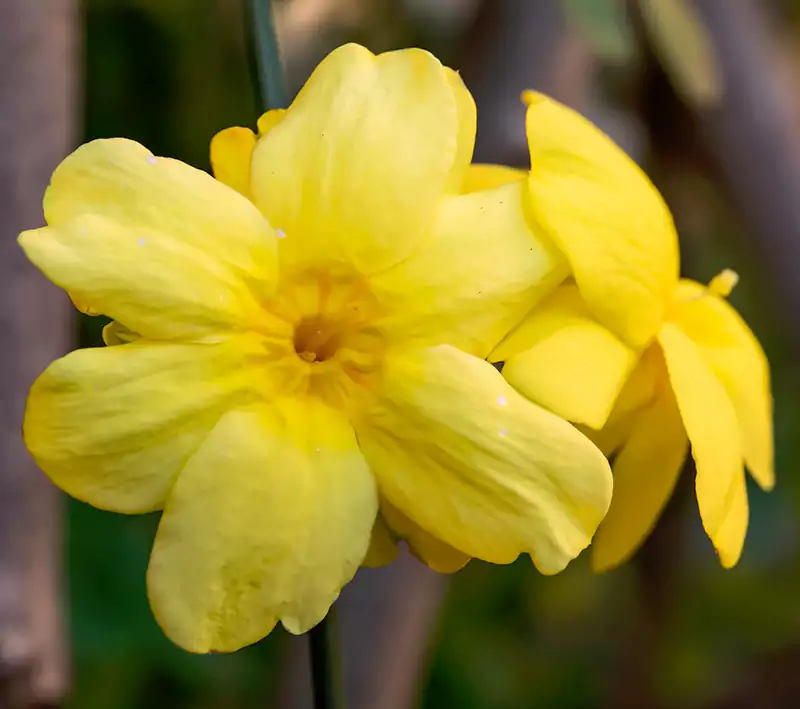
Winter Jasmine is a pretty yellow flower widely appreciated for its star-shaped blooms. It has long, arching green stems and thrives in cool climates. This low-maintenance plant grows well on walls and slopes, adding vibrancy when most other plants are dormant.
| Hardiness Zone | 6-10 USDA |
| Botanical Name | Jasminum nudiflorum |
| Mature Height | 4 feet tall |
| Care Needs | Provide the plant with full sunlight, adequate watering, and well-draining loamy soil for full growth. |
7: Violas
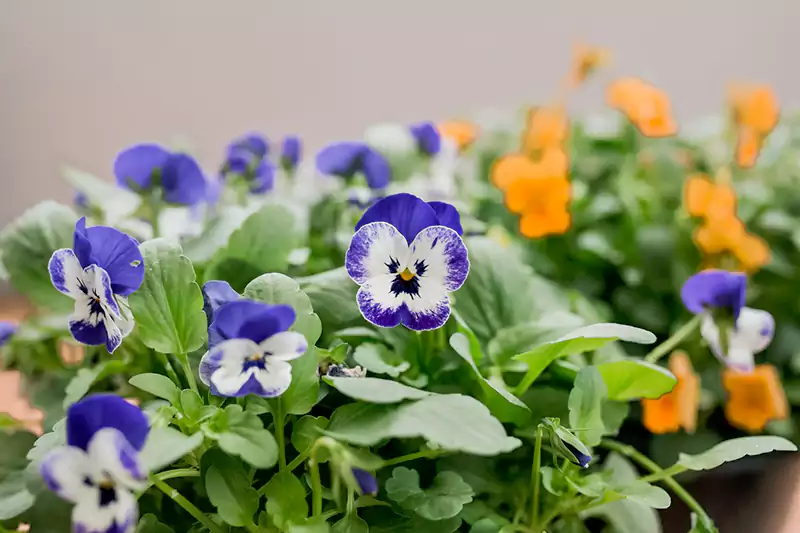
Violas are compact, cool-season flowering plants with bright, cheerful blooms in shades of purple, yellow, white, and blue. These grow best in cool climates and bloom from late winter to spring. Ideal for borders, pots, and hanging baskets, violas are easy to maintain and long-lasting.
| Hardiness Zone | 4-9 USDA |
| Botanical Name | Viola |
| Mature Height | 4-10 inches |
| Care Needs | Prefers growing in afternoon shade in humus-rich, moist soil. Consistent moisture is essential for healthy root development. |
8: Daphne Shrub
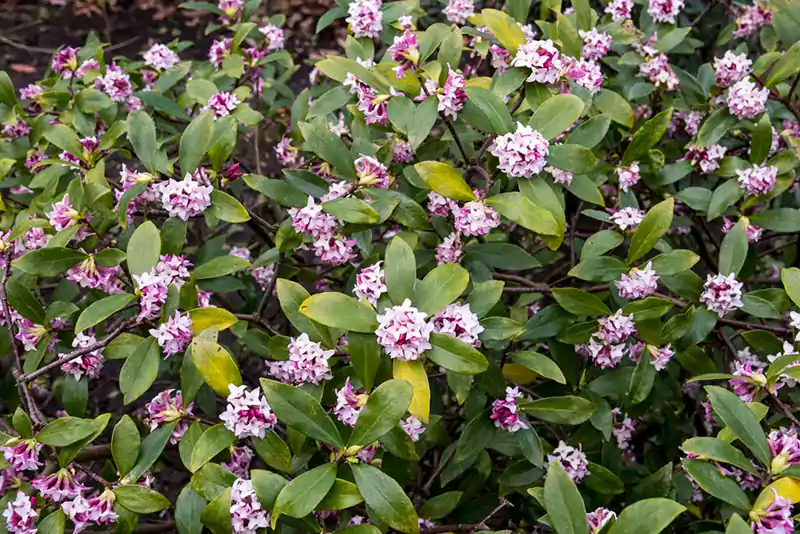
Daphne shrub is a low-growing evergreen deciduous plant highly valued for its pretty pink blooms and sweet fragrance. The glossy, dark green leaves of the plant create a stunning contrast and add elegance to every backyard during colder months.
| Hardiness Zone | 7-9 USDA |
| Botanical Name | Daphne odora. |
| Mature Height | 3-5 feet |
| Care Needs | Plant them in areas with full sunlight for at least 4 hours. Make sure the soil is fertile and adjust the watering to keep the soil consistently moist. |
9: Hellebores
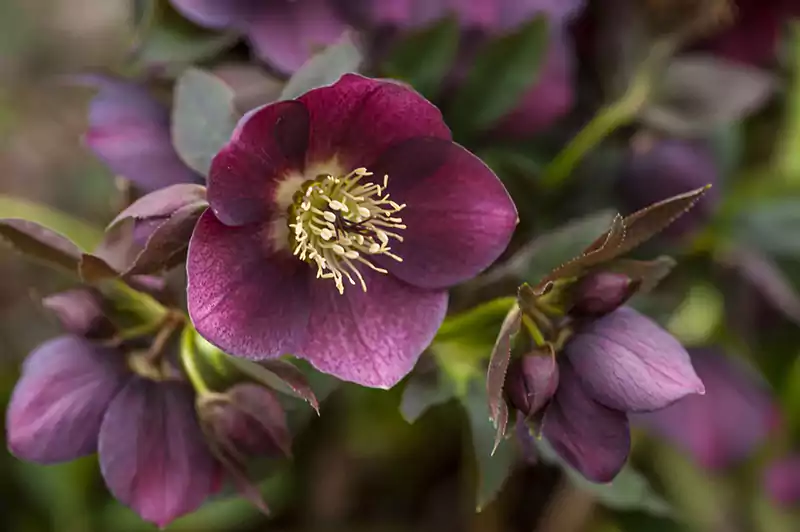
Hellebores are hardy shade-loving evergreen perennials which are popularly known as Christmas rose or Lenten rose. These are long-lived flowers that require minimal care. Although toxic to pets and humans, hellebores are excellent for adding a pop of color to your winter garden.
| Hardiness Zone | 4-9 USDA |
| Botanical Name | Helleborus (spp.) |
| Mature Height | 12-24 inches tall |
| Care Needs | Keep the soil consistently moist with regular watering. Make sure the soil is rich and well-draining, and provide the bloom with partial to full sun exposure. |
10: Algerian Iris
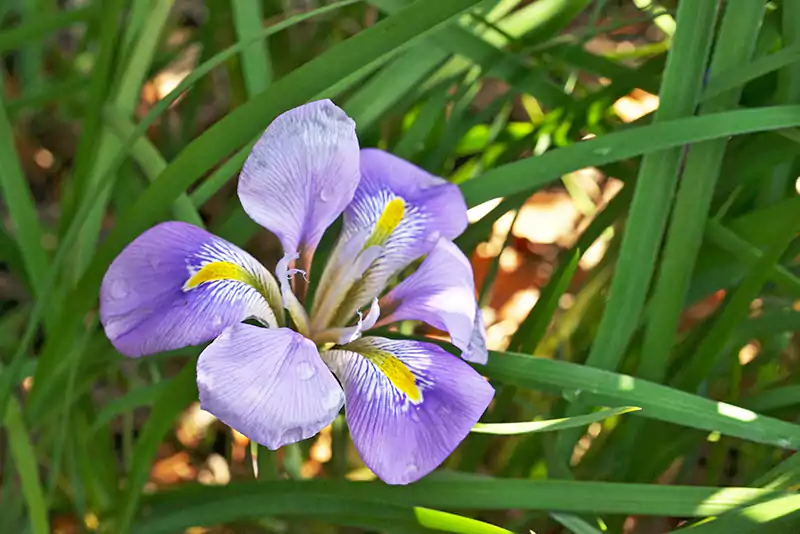
Algerian Iris is a winter-flowering perennial known for its delicate lavender-blue flowers with a yellow center. It blooms from late winter to early spring and has slender, grass-like leaves. This low-maintenance plant is ideal for rock gardens and containers.
| Hardiness Zone | 6a-9b USDA |
| Botanical Name | Iris unguicularis |
| Mature Height | 12-18 inches tall |
| Care Needs | Thrives in full sunlight, well-draining soil mix with consistent watering to keep the soil moist. |
Planting Tips for Flowers That Bloom During Late Winter
To successfully grow flowers that bloom in late winter, the most critical step is to plant them in the fall. This allows the bulbs and perennials to develop firm roots while the soil is still warm. It is ideal to germinate the seeds indoors beforehand, and once you notice tiny saplings, plant them in their permanent location before the ground freezes.
Here are some planting tips that you can follow for flourishing winter plants.
- Choose Cold-Hardy Varieties: I always start by selecting flowers that naturally tolerate cold weather. Some great options include pansies, calendula, and snapdragons. These plants can easily be grown in areas with low temperatures.
- Pick the Right Location: It is ideal to place the containers in spots where they can receive at least 4-6 hours of sunlight daily. Even during winter, sunlight is essential for the blooms to develop healthy buds.
- Water Carefully: Flowers that bloom in late winter require less water than other plants. They are usually dormant, but do not let them dehydrate. Water the plants in the morning and adjust the frequency depending on the weather conditions you are living in.
- Protect the Plant from Frost: I always protect my winter plants from heavy frosty winds by covering them with burlap or plastic frost blankets. Make sure to use breathable material and avoid touching the foliage.
- Use Balanced Fertilizer: Make sure to use a light, balanced fertilizer every few weeks to support steady growth and encourage more flower growth. I regularly remove faded blooms as this helps the plant to focus its energy on producing new flowers.
Growing flowers that bloom late winter night is not difficult when the basics are done right. With these simple planting tips, it becomes easy to enjoy a colorful garden even in the coldest months.
Common Problems and Tried and Tested Solutions
Even the hardiest late winter flowers can face challenges due to cold weather, limited sunlight, and moisture issues. I have seen many eye-catching blooms turning into sad winter plants specially when the frost winds begin. Knowing what to look for can help keep your garden healthy.
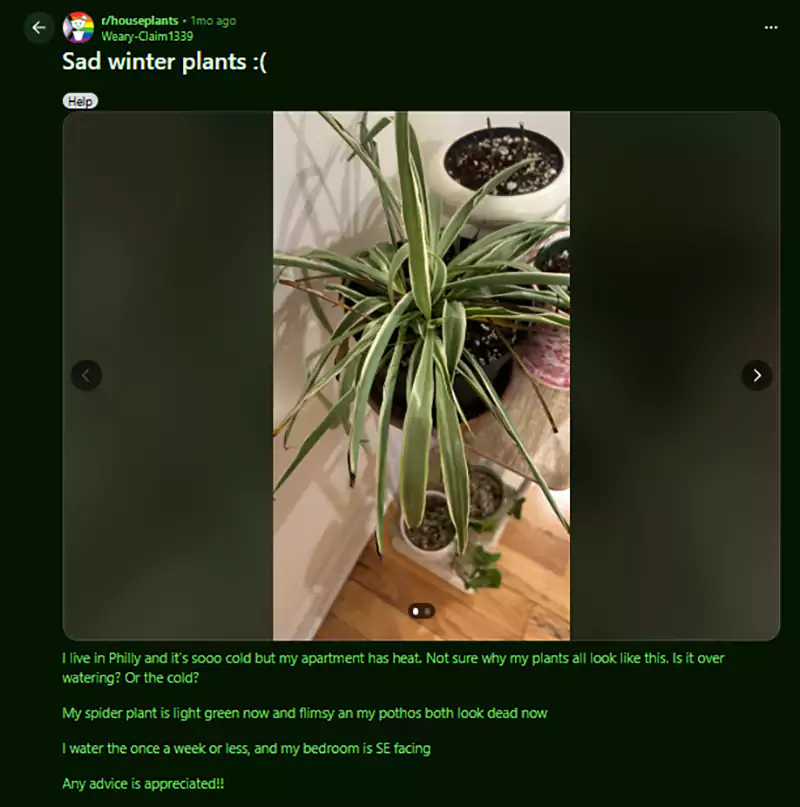
- Yellowing Leaves: Leaves turning yellow is usually a sign of overwatering or poor drainage. This can happen because of both underwatering and overwatering.
Fix: I reduce watering and make sure the soil drains well. Adding sand or compost helps improve the soil structure. Make sure to adjust the lighting as winter days are shorter.
- Wilting Winter Plants: Not just heat, during winter, plants can also wilt due to extreme cold temperatures, dehydration, or waterlogged soil.
Fix: Always check the moisture level of the soil before watering. Adjust the watering frequency as needed and allow the soil to dry out completely before the next watering session.
- Poor or No Blooming Plants: Poor winter blooming is mainly because of a lack of sunlight, excess fertilizer, and improper soil drainage.
Fix: Ensure that the plants receive a minimum of 6-8 hours of sunlight, as the winter sun is weak. Remove dead or brown leaves regularly to encourage new growth.
- Root Rot and Pest Attack: Flowers that bloom in late winter nyt often struggle with root rot and pest attack. Excess water sitting in the soil can kill the roots and lead to pest infestation.
Fix: Make sure that you reduce watering, improve the soil texture, and deadhead the leaves or blooms that are dying or turning brown. For pest infestation, I usually spray horticultural oils on the plants to treat them immediately.
Late winter plant problems are common, but they are rarely serious if handled early. With these simple fixes, it becomes much easier to maintain a vibrant and healthy winter garden.
Conclusion
By now, we know flowers that bloom in late winter nyt not only bring color to your front lawn but also bring freshness and elegance. You simply need to discover the right plants and provide them with their ideal growing conditions, and you can easily transform your garden into a year-round, delightful space.
FAQs
What are some famous flowers that bloom in late winter nyt?
How often should I water my plants in winter?
It is best advised to adjust the frequency of watering as per the soil conditions. Underwatering or overwatering can kill the roots and also lead to yellowing of the leaves.
Do I need to fertilize winter plants?
No, winter plants do not need much fertilizer. If you notice any pest infestation or wilting flowers, consider mixing organic compost or perlite into the soil.
Are winter plants usually high maintenance?
No, most flowers that bloom in late winter are low-maintenance, and they do not need much attention. Provide them with basic growing conditions, and you are good to go.
Sources
Winter Flowering Plants: The Best Trees, Shrubs, Perennials & Bulbs for Color in the Cold Months – Pennsylvania Horticulture Society
Best Winter Flowering Plants– BBC Gardeners Magazine
Latest Blog