The 4 types of lettuce are Crispheads, Romain, Butterhead, and Looseleaf.
What are the Different Types of Lettuce? Uses, Cultivation, and More
Author
Swati MishraLast Update
April 7, 2026
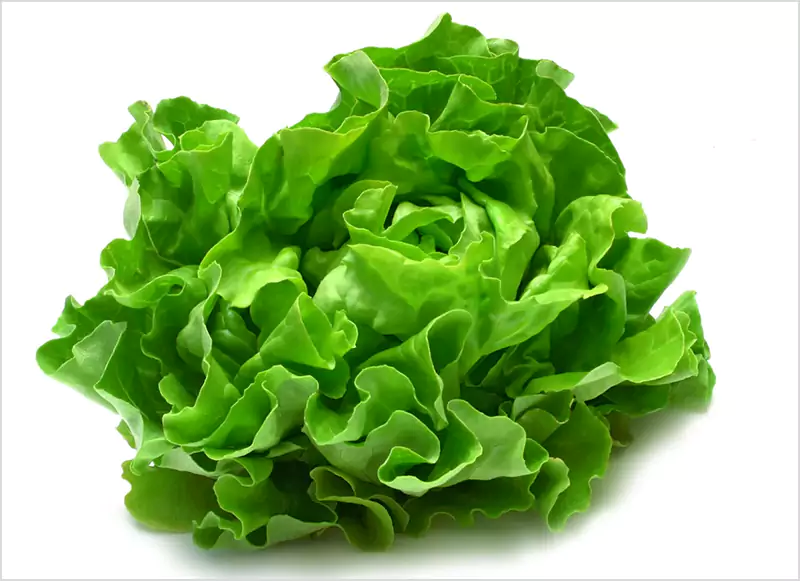
I remember getting fascinated by the ruffle-like design of lettuce and discovering that this leaf is a part of so many food items. It still strikes me how, growing up eating lettuce wraps and burgers, I had no clue there were endless varieties of this leafy green.
As a part of my gardening journey, not only did I discover different types of lettuce, but also the best ones to grow, how and why one is beneficial over the other.
If you are keen to know more about this nutritious leafy green, let me take you through different types of lettuce and more interesting insights about the same.
Table of Contents:
- What is Lettuce? Plant Introduction and Taxonomic Specification
- What are the Different Types of Lettuce?
- Which Kind of Lettuce is the Best Option to Grow?
- When do I Plant Lettuce for the Best Results?
- Can I Plant Lettuce at Home?
- Interesting Insights about Different Varieties of Lettuce
- Scientific Research and Analysis About Lettuce Varieties
- Concluding Remarks
- FAQs
What is Lettuce? Plant Introduction and Taxonomic Specifications
Belonging to the daisy family, lettuce is a leafy green vegetable that is commonly used in salads, wraps, and burgers due to its crunchy texture and fibrous content.
Lettuce is also often confused with cabbage, but they are different leafy greens belonging to the Asteraceae and Brassicaceae families, respectively.
The origins of this vegetable can be traced back to 6,000 years ago, when it was first planted by the Egyptians, but for extracting oil from the seeds.
Later, they started cultivating it for the leaves.
There are different varieties of lettuce, the most popular ones being Romaine and Butterhead lettuce, which are commonly found in supermarkets.
Apart from being consumed for its crunch and texture, lettuce is extremely nutritious, rich in vitamins A and K, fibre, and antioxidants.
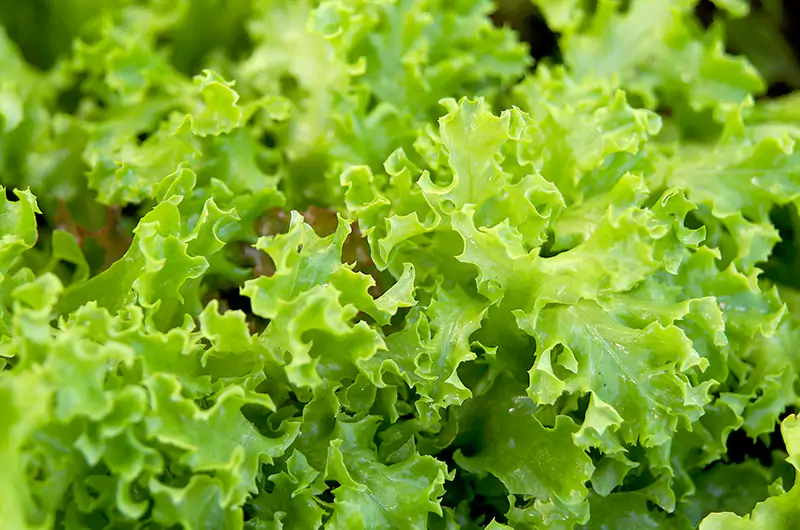
Before moving further, take a look at the scientific classifications of lettuce:
 | |
| Scientific Name | Lactuca sativa L. |
| Kingdom | Plantae |
| Division | Magnoliophyta |
| Class | Magnoliopsida |
| Order | Asterales |
| Family | Asteraceae Bercht. & J. Presl |
| Genus | Lactuca L. |
| Species | Lactuca sativa L. |
Also Read: What is a Hyacinth Flower? A Garden Perfume That Imitates The Spring
What are the Different Types of Lettuce?
Ideally, the 4 main categories of lettuce are: Crispheads, Romain, Butterhead, and Looseleaf. Under these broad categories, there are different varieties of lettuce.
Let me take you through the most popular types of lettuce before I tell you my favourite pick!
| No. | Name | Image | Features |
| 1. | Iceberg Lettuce | 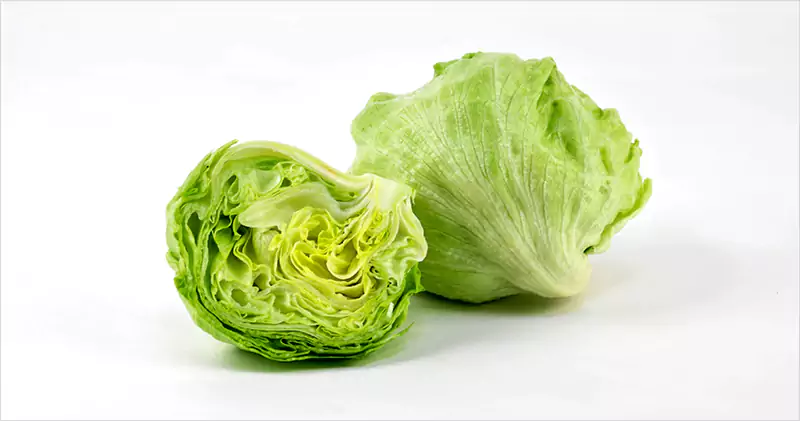 |
|
| 2. | Summer Crisp Lettuce |  |
|
| 3. | Black Seeded Simpson Lettuce |  |
|
| 4 | Butterhead Lettuce | 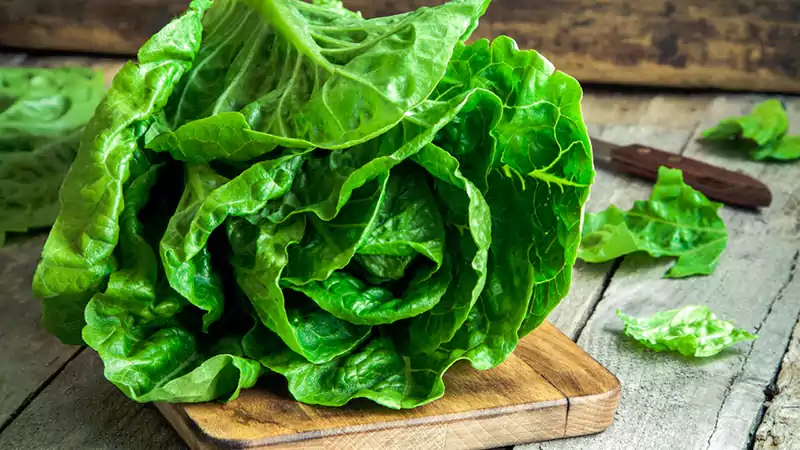 |
|
| 5. | Oak Leaf Lettuce | 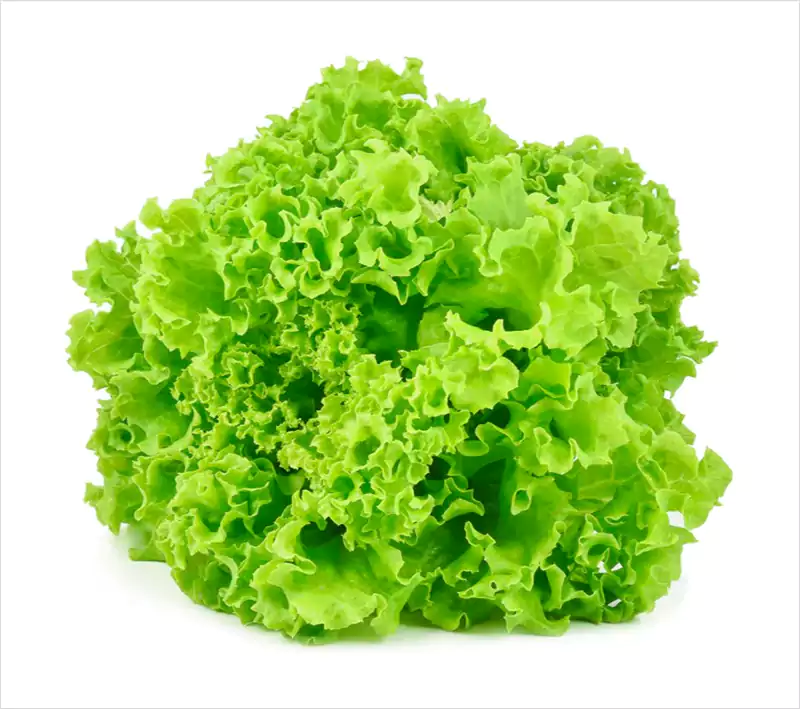 |
|
| 6. | Romaine Lettuce | 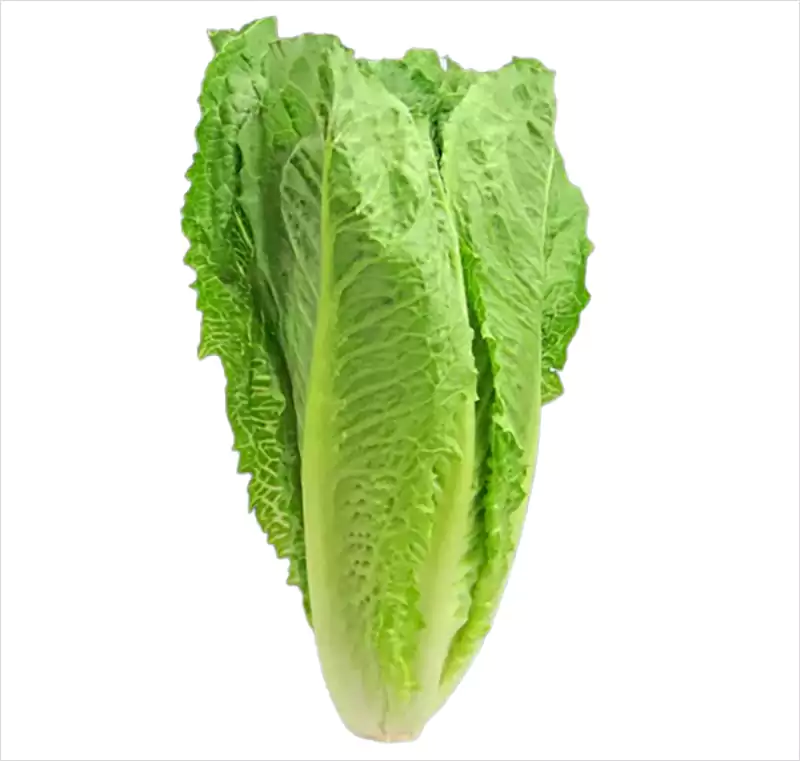 |
|
| 7. | Lollo Rossa Lettuce | 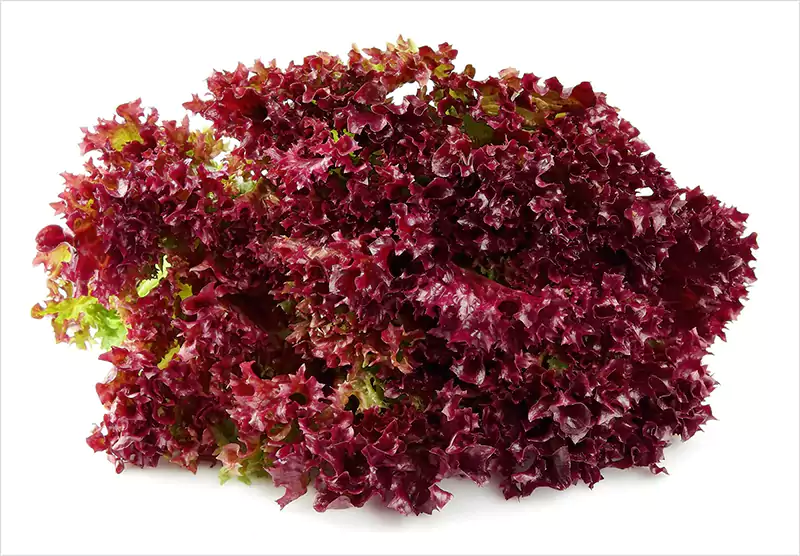 |
|
| 8. | Little Gem Lettuce | 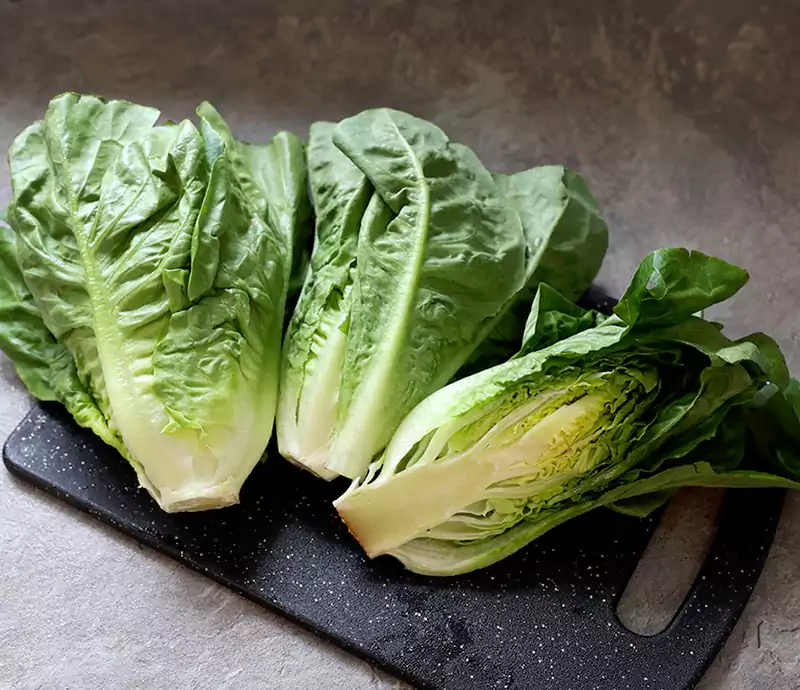 |
|
| 9. | Loose-Leaf Lettuce | 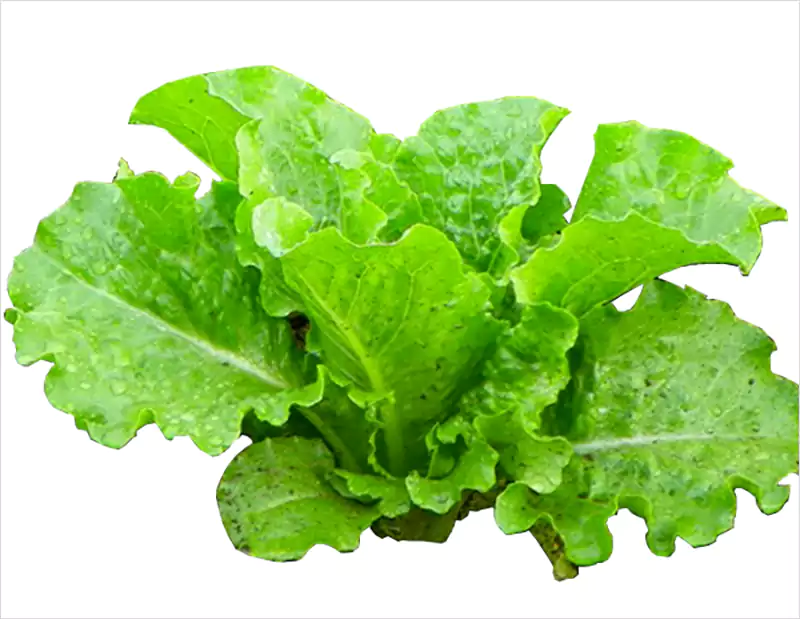 |
|
| 10. | Flashy Troutback Lettuce | 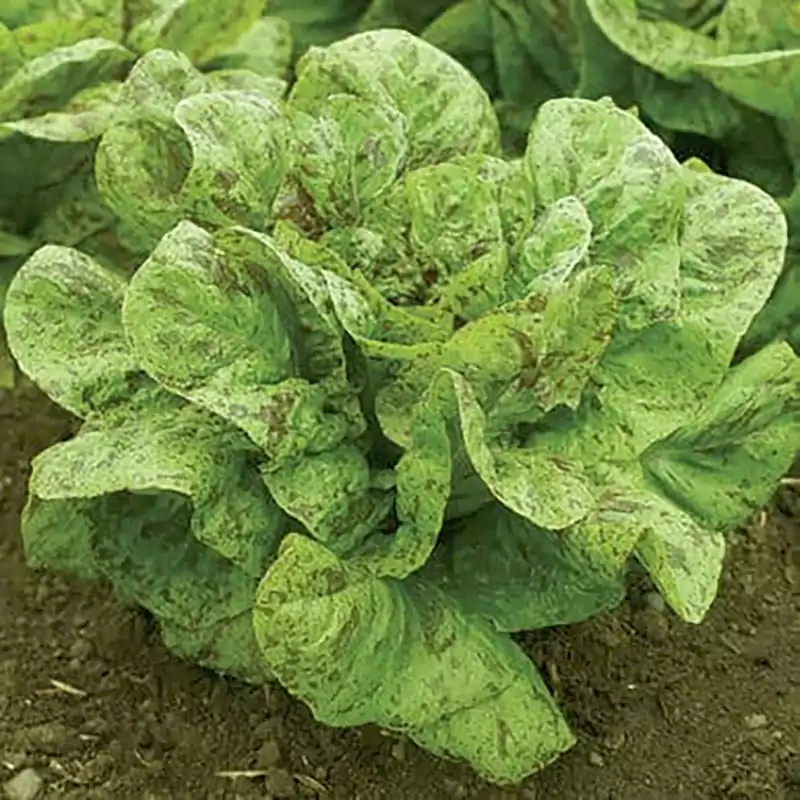 |
|
| 11. | Parris Island Cos Romaine Lettuce |  |
|
My favourite Lettuce Type! 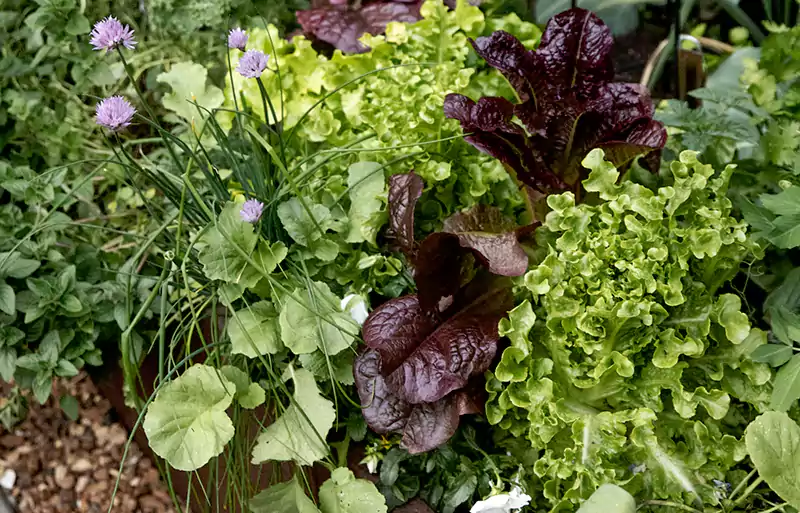 In my journey as a gardener, I have had a hard time picking favourites, but for lettuce, it becomes easy. I prefer growing Gourmet Lettuce Mix, which simply means a combination of different varieties of lettuce to enjoy a bit of all my favourites! Gourmet lettuce mix has pre-mixed seeds and can be grown directly in the soil without putting effort individually. |
Which Kind of Lettuce is the Best Option to Grow?
The best type of lettuce to grow is a very subjective choice. There is no single correct answer to this, and it entirely depends on what your needs are.
Having said that, some types of lettuce have the upper hand over others. Let me list down different varieties for different conditions that will help create a clearer picture:
| Benefits | Lettuce Variety |
| Heat-Tolerant Lettuce Varieties | Butterhead, green leaf, summer crisp, red leaf, and iceberg. |
| Easy to grow | Looseleaf and Oak leaf lettuce |
| Nutritious | Romaine, Red leaf, Green Leaf, and Butterhead |
| Taste and Texture | Romain, butterhead, and Iceberg ( although taste is subjective, but these are the most crunchy and flavourful) |
When do I Plant Lettuce For The Best Results?
Lettuce is a winter plant that is best grown in the cooler months of the year.
I start sowing my seeds in mid-autumn, so they can begin growing in winter and be ready to harvest by late winter or early spring.
Here are the ideal growing conditions for lettuce for better clarity:
| Planting Season | Mid-autumn (September-November) or early spring |
| Sunlight | 6 hours of direct sunlight |
| Water | Twice daily in summer and as required in winter |
| Soil Type | Loamy and well-drained |
| Fertilizer | Nitrogen-rich fertilizer |
Can I Plant Lettuce at Home?
Yes, growing lettuce at home is easier than you think, and you do not need a large space to grow these leafy greens.
Here is how I grow lettuce in my home garden:
- Select a spot with loamy, well-draining soil and add compost to the soil to prepare it for planting.
- Sow the seeds 1 inch apart from each other to ensure enough space for all the plants.
- Cover the seeds with a potting mix, which is a combination of potting soil, organic manure, and perlite.
- Water the soil enough to make it moist, but not too wet.
- Germination will take about 10 days, and after tiny leaves have appeared, thin them for better growth.
- Make sure they receive adequate sunlight in the growing stage.
Read next: How to Grow Crocosmia? Planting Tips, Care Advice, and Blooming Secrets
Interesting Insights about Different Varieties of Lettuce
How fascinating it is to discover the intriguing, fun facts about different plants. Lettuce also has various hidden and not-so-talked-about facts that will enhance your gardening experience even more:
- Anglo-Saxons called the lettuce plant sleepwort because the Greeks and Romans believed that lettuce induced sleep.
- Lettuce was first grown by the Ancient Egyptians to extract oil from the seeds.
- Lettuce should not be frozen or preserved in the form of pickles because of its high water content.
- It is also believed that lettuce should not be stored near any ripening fruits, as they release ethylene that causes the lettuce leaves to dry quickly.
- One of the largest consumers, America, was introduced to the leafy green by Christopher Columbus.
Scientific Research and Analysis About Lettuce Varieties
Apart from being rich in antioxidants, vitamins, and fiber, lettuce offers benefits beyond what is normally written about.
Take a look at what some research portals and scientific studies say about the benefits of lettuce.
| Study year: 2004 Sample type: Rats fed with a lettuce diet for 3 weeks Aim: To analyse the effect of lettuce on metabolism and cholesterol Key findings: There was a significant decrease in the cholesterol LDL/HDL ratio and the liver cholesterol levels. Lettuce intake also increased the ascorbic and alpha-tocopherol levels, which help prevent oxidative damage and improve plasma antioxidant capacity. Hence, it was concluded that lettuce intake is beneficial for lowering cholesterol levels. Source: National Center of Biotechnology Information |
| Study year: 2010 Sample type: Phenolic extract from Romaine lettuce and PC-12 cells( cells derived from a rat’s adrenal tumour) Aim: Anti-Neurodegenerative effects of the phenolic extracts and caffeine acid derivative from romaine lettuce in PC-12 cells. Key findings: The phenolic extracts of romaine lettuce protected the PC-12 cells against oxidative stress. Source: Journal of Medicinal Food |
Concluding Remarks
Lettuce is widely consumed as a healthier alternative to bread, and considering the health benefits it offers, it is a good food choice to make.
I have been a fan of salads, and growing different types of lettuce has been nothing less than a treat.
Personally, I enjoy growing a gourmet lettuce mix so that I can enjoy different garden lettuce types.
The fresh crunch and juicy taste strike the perfect balance between health and taste, and alone should be the reason to grow some for your garden this year.
FAQs
What are the 4 types of lettuce?
What is the best lettuce to eat?
The best kind of lettuce to eat depends totally on your taste and preference. Romaine lettuce offers a great crunch, butterhead lettuce has a buttery taste, and the oakleaf lettuce has a nutty flavour.
What is the healthiest salad you can eat?
The healthiest salad is the most colourful one, often referred to as ‘rainbow salad’. It includes leafy greens like romaine, green leaf lettuce, spinach, kale, legumes, along with red, orange and yellow vegetables.
Sources:
How to grow lettuce – BBC Gardeners
Lettuce recipes – BBC
Latest Blog