Ans. January is actually considered the cheapest time to replace a roof.
Homeowners Are Booking Seasonal Roof Inspections As Storm Repair Costs Rise
Author
Kamron Sanders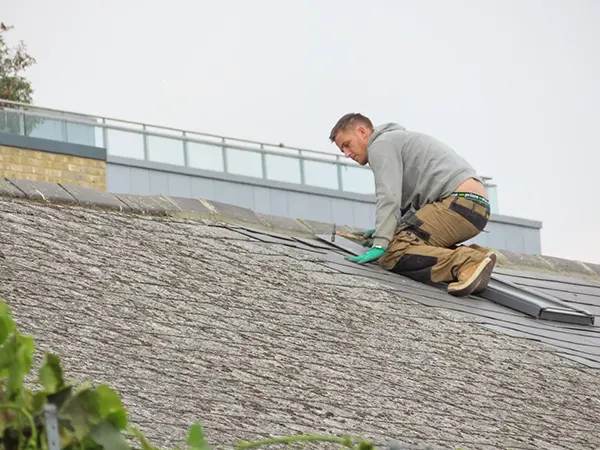
You already know how important the roof is for your home’s safety and protection against a variety of different external elements. Many homeowners still have a tendency to overlook its importance until something bad happens.
Factors like heavy rain, strong winds, and sudden temperature changes, and strong winds can weaken your roof over time and result in major damage, which can completely drain your budget. Therefore, it’s much better if you’re responsible, as far as this goes, and turn to professional help rather than waiting for things to become worse.
Table of Contents:
Why More And More Homeowners Start Prioritizing Seasonal Roof Inspections
Storm damage can be severe, but don’t forget that it’s something you may not notice right off the bat. Strong winds may loosen shingles, damage flashing, and cause various other problems, and yet you still may not spot them until the damage is irreversible.
Heavy rainfall can expose these weaknesses, allowing water to enter the roof structure and impact insulation, ceilings, etc. That’s why seasoned roofers at Roof Troopers want to remind you that seasonal inspection is intended to identify potential problems right on time. It is particularly beneficial during spring and autumn.
How come? Well, that’s because a spring inspection can reveal damage that you haven’t noticed during winter, while autumn checks give you the chance to efficiently address any vulnerabilities before colder weather comes.
In addition, regular evaluations are recommended because roofing materials slowly deteriorate. Moisture, sun exposure, temperature fluctuations, and accumulated debris can affect their performance over time.
Even if your roof seemingly looks good, that doesn’t mean that it doesn’t have aging sealants, drainage issues, or any other problem that you shouldn’t take lightly.
The Impact That Storms Have On Your Costs
The cost of fixing storm damage to the roof will differ enormously depending on the extent of the damage, the materials used, and how long the damage has been going on. A few shingles that have simply been displaced may only need a modest amount of work, whereas water getting into the roof assembly can be a whole lot more costly to rectify.
Moisture is the actual problem in that its effects can extend right through the roof. It can damage the underlayment, the roof decking, the insulation and the structural members. If it gets into the interior, then you’re going to have a go at the plaster, the paint, the floor and the electrics as well.
Emergency repairs can of course bring their own set of issues. If you have a widespread weather event, roofing contractors will be deluged with calls. That can make it very tough for a homeowner to get the help they need promptly, particularly if they’re looking for some form of temporary protection to stop the water getting in.
Material availability, labor requirements, and the difficulty of checking damaged areas will all have an effect on the ultimate cost. The value of early detection is therefore very significant, even if an inspection won’t stop every type of storm damage.
What Are The Most Common Warning Signs?
Even though there’s no doubt that professional inspection is better, it doesn’t mean that you shouldn’t do anything in the meantime. On the contrary, it would surely be advisable to check for visible signs that may tell you that you are dealing with some major issues when it comes to this.
Displaced, curled, cracked, and missing shingles are some of the most common signs that something needs to be done as soon as possible. These defects can reveal vulnerable parts to wind and rain.
Aside from that, it’s highly likely that you’ll notice parts of roofing material in your backyard. Damaged flashing needs your attention, too. Flashing is installed around vulnerable transitions, such as chimneys, vents, and such.
If, by any chance, it suddenly becomes corroded, loose, etc., then water will somehow find its way into the structure. Apart from the previously mentioned warning signs, these also need your time and attention:
- Water stains on upper walls and ceilings
- Persistent leaks that occur right after rainfall
- Gutters that are very damaged or detached
- Granules collecting in downspouts and gutters
- Damp insulation or strange odors in the attic

As you can see, storm-related repair expenses are no joke; hence, as a homeowner, you have to take things seriously and schedule roof inspections even when, at first glance, everything looks okay.
FAQs
What time of the year is the cheapest to replace a roof?
What wind speed will damage a roof?
Ans. Wind speeds above 45 mph can damage a roof.
What type of roof is best for strong wind?
Ans. A standing-seam metal roof is best for strong winds.
Latest Blog