There should be routine cleaning and rinsing after use. Inspect the brushes and their components, schedule the use procedure, and follow the manual accordingly.
Home Cleaning Equipment Care: Essential Tips for Long-Term Use
Author
Terri Sander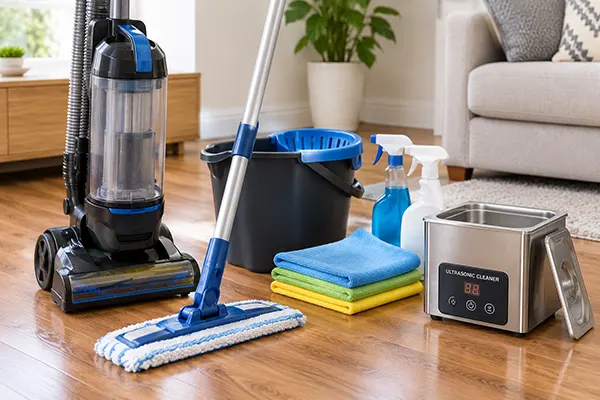
When you try to clean your house with home-based equipment and feel something is not working, it usually happens when the chores are not maintained.
Clogged filters result in the vacuum containing dust particles, tangled brush rolls are not cleaned regularly, or the cleaner stops during work, often due to not undergoing service.
Your daily habits can change from a small issue to a fluent routine. Just use washable fabrics, dry out the cleaner before use, and ensure filters and vents receive proper attention.
Avoid expensive makeovers to cope with the problems faced with your home appliances.
Ultrasonic cleaners also need care. Right maintenance guidance can improve your utensils’ performance and maintain their lifespan for longer use.
Key Takeaways:
You need maintenance tips for a smooth working process. Collect all documents with the model specifications or related manuals assembled with your home appliances. This will correct the concerned filter issues, pad replacement, or dedicated tank solutions when required.
Table of Contents:
Start with the Tool’s Manual
Make sure that your cleaning machines appear to be similar, but they have different filters, seals, and operating limits.
First, check the manufacturer’s manual before you wash parts or add specific cleaning solutions. Some of the filters are washable, while others need replacement.
If you use unfamiliar detergents, oils, or hard scrub tools, this can damage surfaces and seals of your tools.
Check the model number before buying replacement parts to ensure they fit correctly.
Keep the manual in a reachable place or save a digital copy on your phone.
If your tools lose function and an error is displayed, then you should troubleshoot the system before applying.
Handle Everyday Cleaning Tools Differently
Usually, your daily equipment needs regular cleaning because there are several places where most dirt is hidden.
Vacuum and Floor-Cleaning Machines
You should keep the trash box clean after every cleaning job. Remove all of the possible blockages, such as clogged hair, from the walls and the inlet hole.
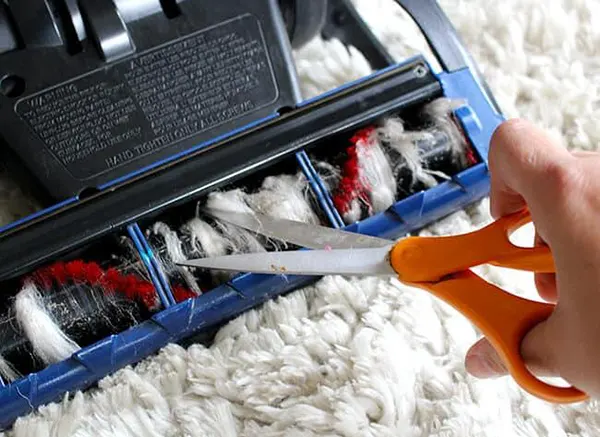
You should also make sure the filters are washed after a few uses of the equipment, following the manual to do that. Let the filters dry before you get involved in further tasks.
For steam mops and floor cleaners, try to empty the tanks and clean the pads after every use. Follow the instructions to maintain safety and use only what is recommended.
Cloths, Mop Heads, and Brushes
There should be an after-use cleaning habit that includes cleaning fabrics involved and mop heads, with a reminder of the written steps you see in the manual.
Make sure you rinse brushes and remove trapped hair after use.
Replace brushes with damaged or badly bent bristles. Empty buckets and let them dry before stacking.
You also never leave mop heads in dirty water overnight. Allow damp tools to air-dry completely, and store your kitchen and bathroom cleaning supplies separately to prevent bad odors and reduce possible germ transfer.
Keep Electric Equipment Dry and Unblocked
Moisture and blocked vents can damage your cleaning appliances. Switch off and unplug the machine before you are done cleaning.
You must wipe the casing with a soft cloth, keeping water away from electrical parts. You also must not immerse appliances or charging docks unless they are designed for it.
Check cords and plugs for further damage. If the machine sparks, smells burnt, overheats, or shuts down repeatedly, stop using it and arrange a qualified repair for safety and a healthy home.
Give Ultrasonic Cleaners Their Own Rules
Ultrasonic cleaners are those that usually make a sound in water to clean.
Some of the inner part or the weak wall coating gets broken or damaged. You should make sure to take extra care with your cleaner.
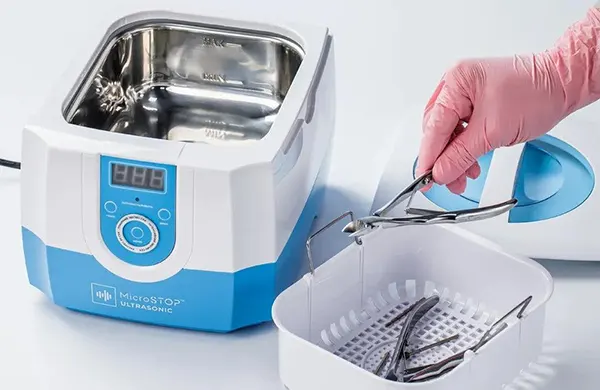
Before You Start
First, place the cleaner on a level surface, make sure to dry the surface completely, and check the tank for any damage.
Make sure it is filled with the solution that is recommended and level it accordingly.
You also should not start the machine unless the liquid is genuine or as advised in the manual, and follow the steps with the use of a basket when possible.
After the Cycle
When you are done with maintenance, switch off the appliance and unplug it.
Clean the cloth used, drain all the solutions completely, and remove all the expected dirt. This should all be done as instructed in the guidebook.
You should avoid hard pads, dry it fully, and make sure not to let any type of liquid reach the control system.
Settings Depend on the Model
Fix your cleaning time, temperature, and solution requirements depending on the machine and item type.
You should always follow the manufacturer’s recommended settings instead of choosing the hottest or longest cycle.
If the dirt remains clogged, then check the used solution and basket involved and replace them properly to try again with the new type.
Don’t use high heat or cycles that are repeated, which can damage objects that need extra care.
Try not to mix household cleaning products randomly, as unknown solutions harm your item or make the liquid unsafe to handle.
Let Smart Features Help, Not Lead
There are modern cleaners that generally offer filter alerts, notifications, and self-cleaning cycles, but they cannot catch every problem.
Hair still clogs a brush line, or dirt still remains inside a tank after you finish cleaning.
Treat alerts as reminders to inspect your equipment. Clean sensors and charging contacts as directed, and follow recommended update steps.
If you face any error that keeps returning continuously, then investigate the reason behind that issue instead of repeatedly resetting the machine.
Match the Routine to the Work
Your cleaning routine depends on how often you use your tools and what they collect.
You should pay attention to pet hair and renovation dust, and frequent wet cleaning habits require extra attention.
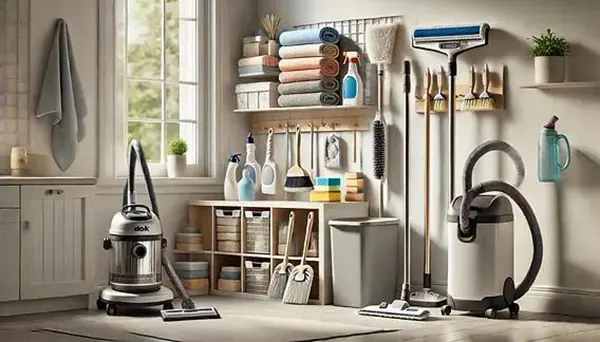
Use this guide for any adjustments required to your equipment’s manual.
- You should regularly clean the dustbin, use preferred solutions, get rid of hair and debris that are clogging, wash the clothes and pads which are used in cleaning, and dry them completely, which helps your safe routine for the future.
- If equipment is used heavily, then brush rolls, hoses, and floorheads are completely removed to stop blockage.
- Try to wash with the proper pads recommended, and check the brush. You also review the surface and sensors every week.
- Rules to keep in mind on a monthly basis are that the tanks, seals, filters, and cords are to be checked. You also check for odd odour, moisture retained for a long time, and any damage that occurs during cleaning.
- Replace the worn parts, and perform proper maintenance required to work fully functional.
Keep these instructions to track your cleaning habits and replacement requirements in a timely. If you take a few minutes of extra care with the tools and equipment, it can solve big problems that you face in the future.
FAQs
How often should I clean my cleaning equipment?
Can I use the same cleaning solution in every machine?
No. specific solution is recommended for specific appliances for cleaning. If you have the same items, make sure before using the solution.
Are ultrasonic cleaners suitable for every household item?
No. You have to check every item, such as material, coating, glued parts, and heat tolerance, before you use it. Follow all the instructions for the object and the machine.
Sources
AbodeLook — maintenance routine (home upkeep guide).
AbodeLook — cleaning performance (kitchen deep-cleaning guide).
VEVOR — professional ultrasonic cleaner (cleaner product range).
VEVOR — industrial ultrasonic cleaner care tips (record-cleaner specs and care guidance).
VEVOR — ultrasonic cleaner maintenance (parts-cleaner specs and basket details).
VEVOR — Ultrasonic Cleaner Operation and After-Use Cleaning (manufacturer operation and after-use guidance).
Latest Blog