Fixed picture windows and casement windows are among the most energy-efficient options because they create tight seals that reduce air leaks and improve indoor comfort.
Windows That Do More Than Let in Light: A Performance Breakdown
Author
Rashika GuptaLast Update
August 24, 2026
The last thing a homeowner will think about whenever an electricity bill spikes is the windows. Well, windows are not just for sunlight it is a working part of a home that manages air, sound, and even the safety of that home.
This article offers a few practical tips that can help you make a smart choice when you replace or install a new window in your house, and what can make it perform well. We will cover all the small details, such as glass types, frame materials, and other small details that can add a look to your home and save money.
Table of Contents:
- What Glass Really Does for Your Comfort
- Frame Material Matters More Than People Think
- Seven Window Types Ranked by Real Performance
- Small Features That Change the Whole Performance Picture
- Reading Energy Labels Without the Guesswork
- Matching Windows to Your Climate and Home Layout
- Getting the Most Out of Your Investment
- FAQs
What Glass Really Does for Your Comfort
Glass is not just a glass. Modern windows use coatings and gas fills that change how heat and light pass through them. A low-emissivity coating, for instance, reflects heat into a room during winter and keeps it out during summer.
Double- and triple-pane windows trap gas such as argon between layers of glass, and this causes the gas to slow down the heat transfer far more than plain air does. That is why a triple-pane window in a cold region can keep a room noticeably warmer without extra work from your heater.
Frame Material Matters More Than People Think
People barely look at the frame but spend hours choosing the glass, yet frame material affects durability, insulation, and upkeep just as much. A team like EG Home often points out that a great pane of glass set in a weak frame will still leak air and lose heat.
Seven Window Types Ranked by Real Performance
Not every window style can handle heat, air, and sound the exact same way. Here is a simple breakdown of common types, numbered by how they typically perform in day-to-day use:
- Casement Windows: Hinged on one side and opened with a crank, these seal tightly against the frame when closed, which cuts down on drafts.
- Awning Windows: Hinged at the top and opened outward, these let you keep air flowing even during light rain.
- Double-Hung Windows: Two sashes that slide up and down, offering flexible airflow but a bit more gap points than casement styles.
- Sliding Windows: Simple to operate and good for wide openings, though the sliding track can allow small air leaks over time.
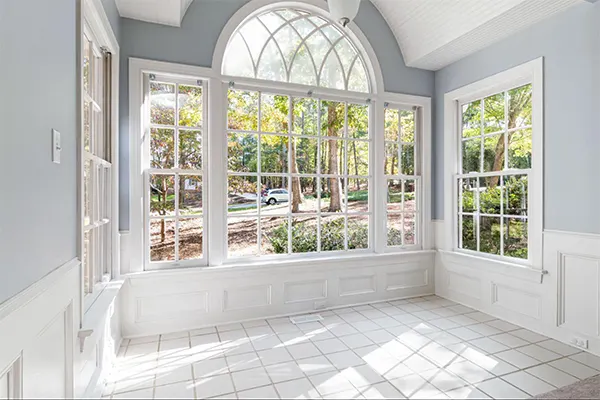
- Fixed Picture Windows: These windows do not open at all, so they seal the best of any style and are great for rooms where airflow is not the priority.
- Bay and Bow Windows: A group of angled windows that add space and light, but they have many joints, which means they have more spots to seal properly.
- Skylights: Roof-mounted windows that bring in strong natural light, though they need careful sealing to stop leaks during storms.
Each type of window suits a different part of the home, so matching the style to the room’s needs is as important as the glass or frame quality inside it.
Small Features That Change the Whole Performance Picture
A few smaller details, other than glass and frame, can decide whether a window truly performs or just looks good on paper.
- Weatherstripping: This rubber or foam seal around the frame stops drafts from sneaking through gaps.
- Spacer bars: Space bars are placed between glass panes; these can help to keep the gap even and stop condensation from forming along the edges.
- Multi-point locks: These pull the sash tight against the frame at several points, not just one, sealing it more evenly.
- Grille placement: Grilles between the glass panes, rather than glued to the surface, avoid extra dust traps and keep cleaning simple.
These details are never mentioned in a sales pitch, but they often decide whether a window holds up after five or ten years of daily use.
Homeowners who ask installers about weatherstripping quality and lock mechanisms tend to end up happier with their purchase, since these parts wear out faster than the glass itself. If you’re considering decorative options such as Stained Glass, it is also worth asking about its durability, maintenance, and compatibility with your home’s overall window design.
Reading Energy Labels Without the Guesswork
Imagine if every window carried a rating label and that label told you more about the window than any brochure can.
Here is what to look for:
- U-Factor: Measures how well a window keeps heat from escaping. Lower numbers mean better insulation.
- Solar Heat Gain Coefficient (SHGC): Shows how much solar heat passes through. Lower numbers work better for hot climates, and higher numbers help in cold ones.
- Visible Transmittance: It shows how much natural light comes through, which affects how much you depend on artificial lighting during the day.
- Air Leakage Rating: A lower rating here means less air sneaking through cracks and joints.
Comparing these four numbers gives a clearer picture than just comparing the prices, since a cheaper window with a poor U-Factor can cost more in energy bills over time.
Matching Windows to Your Climate and Home Layout
A window that performs well in a dry, sunny climate might struggle in a humid or freezing one, so climate should guide your glass and frame choices as much as style preference does.
Homes with large south-facing windows benefit from coatings that manage solar heat, while north-facing rooms usually need windows that let more warmth through. Layout is also important, as a hallway window has different needs from a living room window, which faces the busy street. Choosing the right windows is also a good investment, helping improve comfort, boost energy efficiency, and reduce heating and cooling costs over time.
Getting the Most Out of Your Investment
Buying a window can last many years, so it pays to think past the upfront cost and weigh insulation, sound control, and upkeep together. Choosing the right combination of glass, frame, and hardware for your home turns an ordinary window into a feature that quietly saves money and adds comfort every day.
FAQs
Which type of window offers the best energy efficiency?
What should I look for on a window energy label?
Check the U-Factor, Solar Heat Gain Coefficient (SHGC), Visible Transmittance, and Air Leakage rating. These values help you compare insulation, heat control, natural light, and draft resistance.
Does the window frame affect performance?
Yes. The frame plays an important role in insulation, durability, and preventing air leaks. Even high-quality glass may perform poorly if it is installed in a low-quality frame.
Are energy-efficient windows a good investment?
Yes. Energy-efficient windows can help lower heating and cooling costs, improve indoor comfort, reduce drafts, and provide long-term value for your home.
Latest Blog