Yes, there are 100 species of mint plants, and spearmint is commonly used in cooking.
How To Grow Mint Indoors? From Cultivation to Care Guide and Popular Recipes
Author
Annette HirdReviewed By
Cody Allison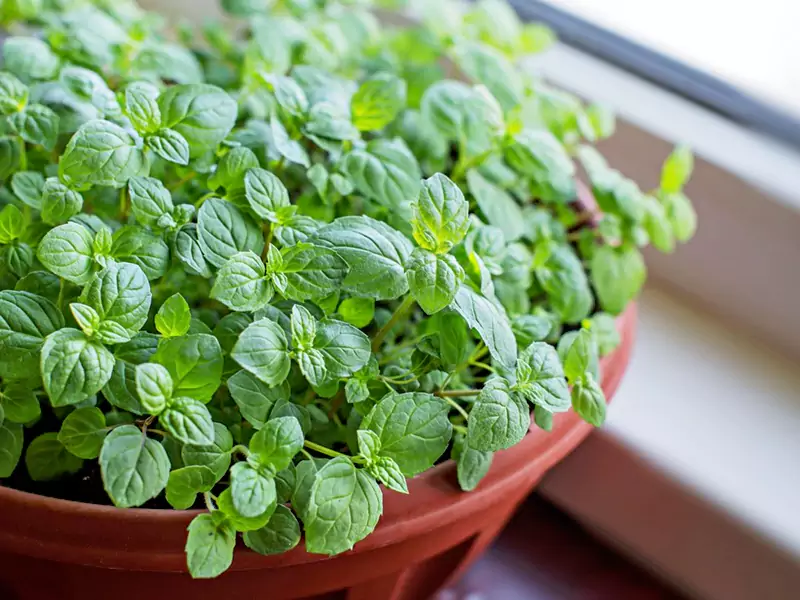
The mint plant is not a unique or rare species that needs a full unfolding of its true features. I have grown up consuming the mint leaves in one way or another.
Something that I can say with utmost certainty is that it is extremely easy to grow mint at home. From what I have seen around and experienced firsthand, many people start their journey from herbs like this for the best results.
However, if you are new here and want to start a garden from scratch, let’s learn how to grow mint indoors, along with a care guide and interesting recipes.
Table of Contents:
- What is a Mint Plant? Meet the Aromatic Herb
- How to Grow Mint Indoors? Tried and Tested Planting Guide
- What are the Growing Requirements to Plant Mint Indoors?
- How to Care for Mint Plant Indoors?
- What are the Different Types of Mints to Grow?
- Scientific Research and Findings About the Mint Plant
- Common User Concerns and Solutions About Mint
- Mint Recipes That You Must Try at Home
- Concluding Remarks
- FAQs
What is a Mint Plant? Meet the Aromatic Herb
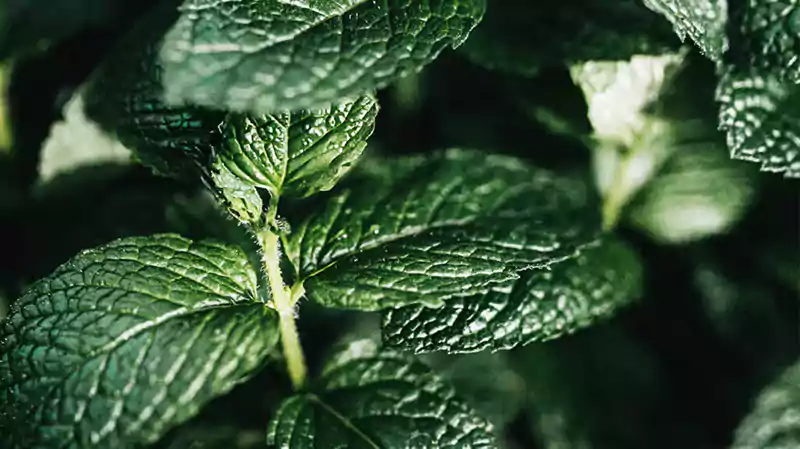
Mint is part of the Lamiaceae family, like the hyssop flower, native to Europe, Asia, and Africa. Popular for its aromatic, fresh lime-like fragrance, the mint plant grows small green leaves that are widely used in cooking as a flavoring agent for their pungent taste and scent.
Apart from the culinary uses, the mint leaves are also grown for their medicinal uses. As per the National Museum of Civil War Medicine, the health benefits of mint leaves date back to more than 3,500 years and have been associated with treating gastrointestinal issues.
Before I share how to grow mint indoors, along with the care guide, take a look at the taxonomy of the mint plant:
 | |
| Botanical name | Mentha |
| Kingdom | Plantae |
| Division | Magnoliophyta |
| Class | Magnoliopsida |
| Order | Lamiales |
| Family | Lamiaceae Martinov |
| Genus | Mentha L. |
How to Grow Mint Indoors? Tried and Tested Planting Guide
The mint plant can be grown easily indoors in 7 easy steps without the hassle of big containers. Here is how to grow mint indoors in less than 2 weeks with minimal equipment:
- Take a stem cutting from an already existing plant and remove the bottom pair of leaves, as none of them should be submerged under the soil.
- In a pot filled with well-draining loamy soil, place these 3-inch-long cuttings 2 inches deep.
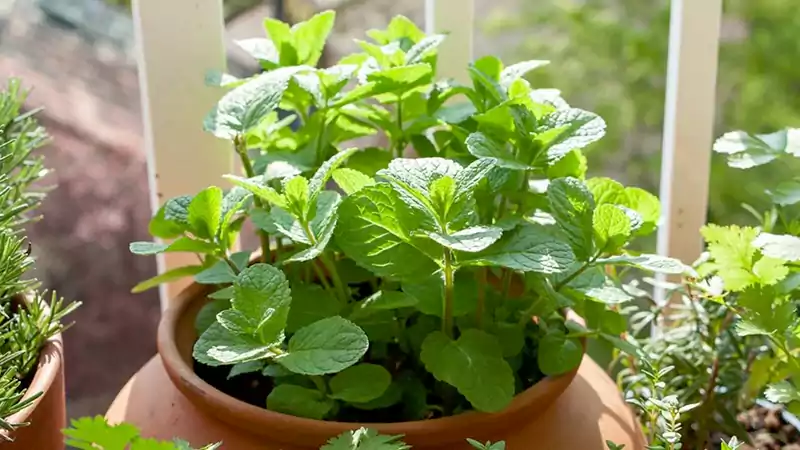
- Keep the plant in bright sunlight for 3-6 hours, but protect it from afternoon sun, which can burn the plant.
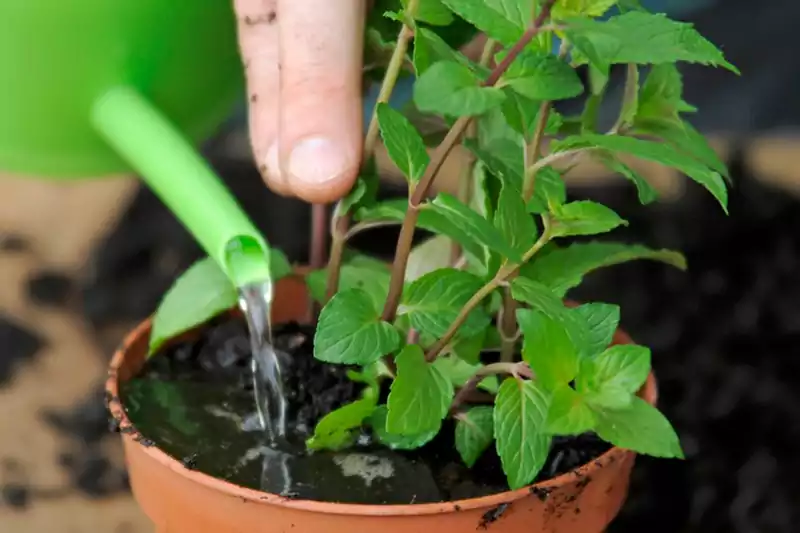
- Water the plant thoroughly, but look out for waterlogging, as it can lead to root rot.
- Mint is an invasive species and should be planted separately from other plants in the garden, preferably in a pot only.
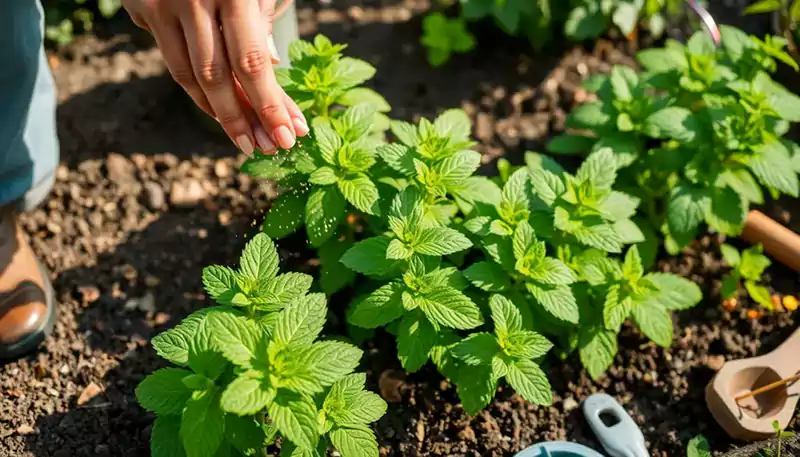
- Unlike the dahlia flowers, the mint plants are not heavy feeders, but for the best growth possible, feed them with a balanced liquid fertilizer once a month during the growing stage.
- The mint plants mature in 2 weeks and can be picked as needed, although they are best harvested in June or July.
What are the Growing Requirements to Plant Mint Indoors?
The mint plants are fast-growing perennials, which take 2 weeks to grow before they are ready to harvest. Although the planting guide in itself is really simple, take a look at the growing requirements to take care of before commencing the procedure:
| Sunlight | Full sun to partial shade (protection from afternoon sun) |
| Soil Type | Loamy, well-draining, slightly acidic. |
| Water Requirements | Twice a week (keep the soil moist but let the soil dry out between watering) |
| Fertiliser | Balanced high-purpose liquid fertilizer in the growing stage and every 6 weeks afterwards. |
| Planting Time | Early spring |
How to Care for Mint Plant Indoors?
Mint is an invasive species, and planting it directly on the ground means threatening the life of other adjacent plants. Although mint plant care is simple and low-effort, these common mistakes lead to major damage.
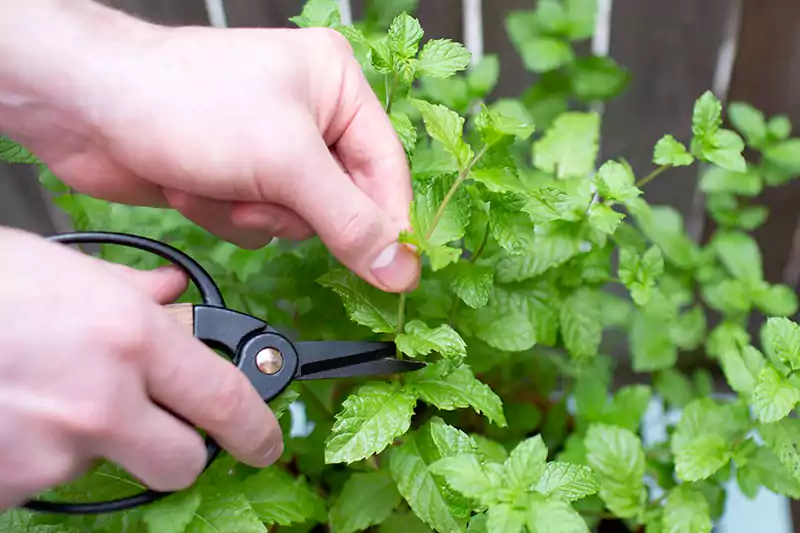
Hence, take a look at my simple and easy care guide that covers all the important aspects for growing mint indoors:
| Image | Steps |
 | Sunlight
|
 | Watering
|
 | Pruning
|
 | Fertilising
|
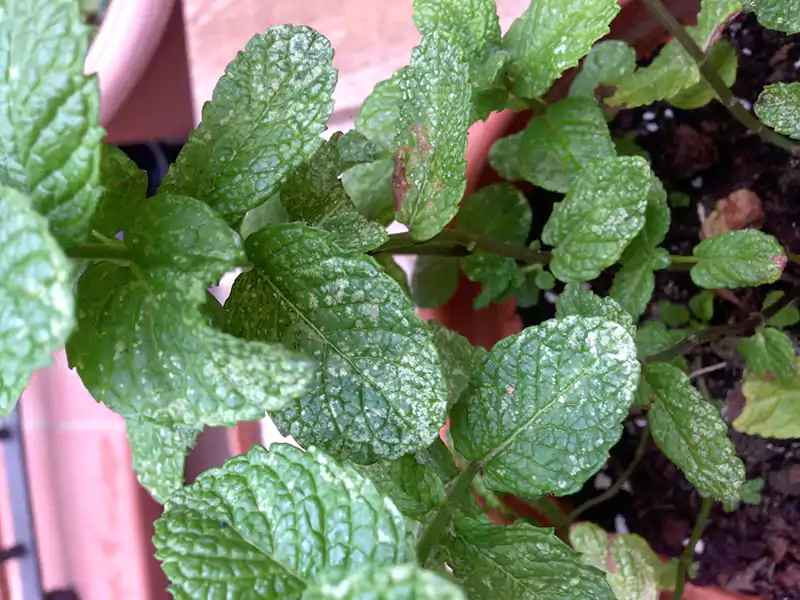 | Pest Infestations
|
Note
The mentioned “best” time to prune is for a major cut. Little maintenance pruning can take place every 2-3 weeks.
Also read: Verbena Plant Care: Propagation, Types, and Common Problems
What are the Different Types of Mints to Grow?
Just like the types of lettuce, there are over 30 species of mints that have different taste profiles. While spearmint is the most cultivated type, take a look at the other cultivars and their uses:
| Name | Image | Features |
| Spearmint | 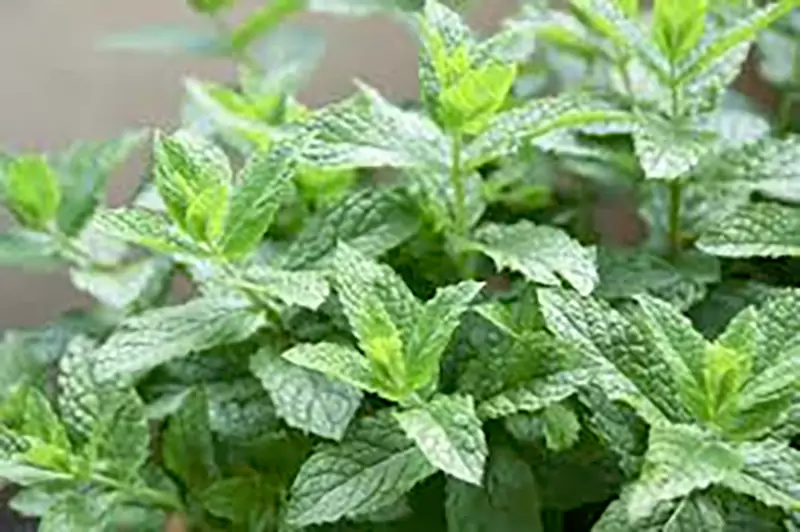 | Botanical name: Mentha spicata Taste profile: Mild and sweet (less intense). Uses: Mainly in cooking and savory dishes. |
| Peppermint | 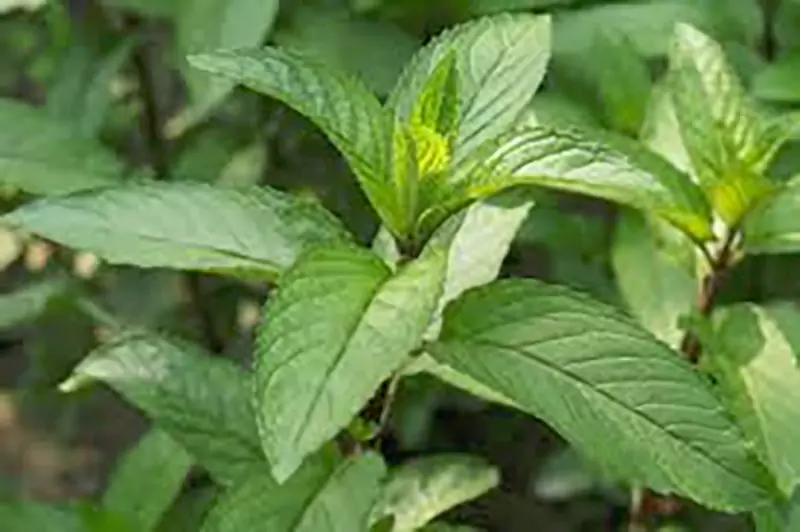 | Botanical name: Mentha × piperita Taste profile: Strong and pungent. Uses: Mainly medicinal uses due to the high menthol content. |
| Mojito mint | 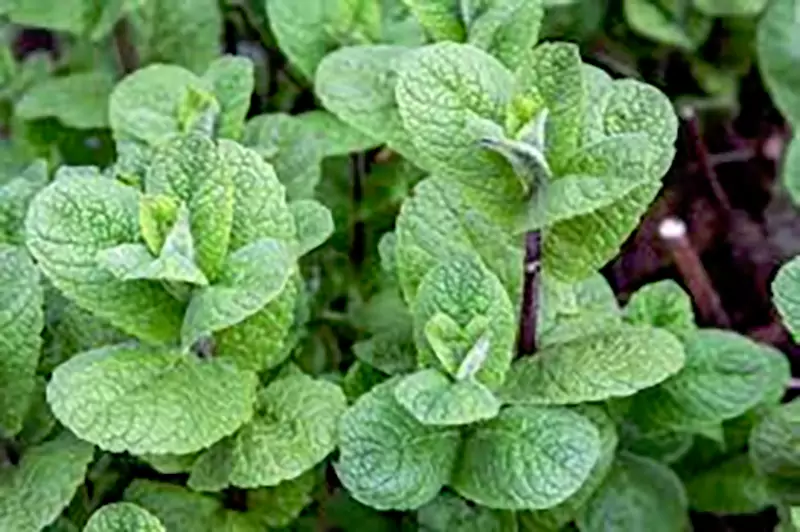 | Botanical name: Mentha x villosa Taste profile: Milder and sweeter than even spearmint. Uses: Used in cocktails, mojitos, and other refreshing drinks. |
| Apple mint | 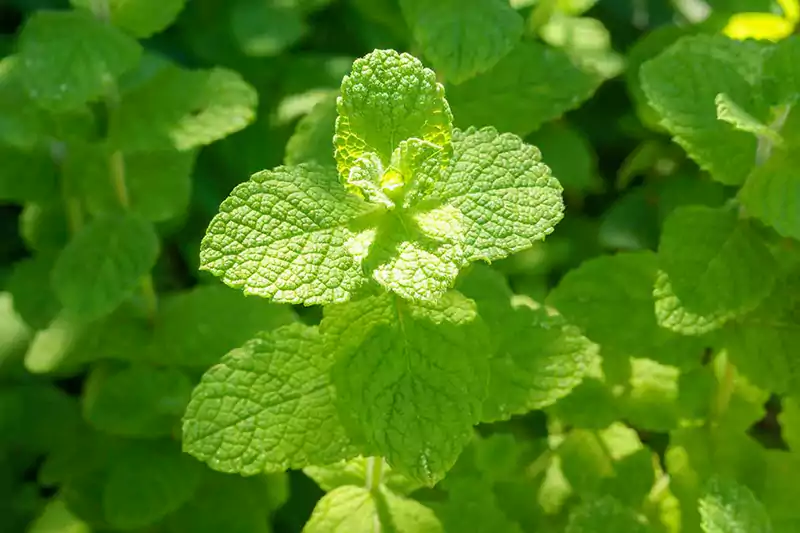 | Botanical name: Mentha suaveolens Taste profile: Sweeter with hints of an apple. Uses: Fruit salads, desserts, and other culinary uses. |
| Wild mint | 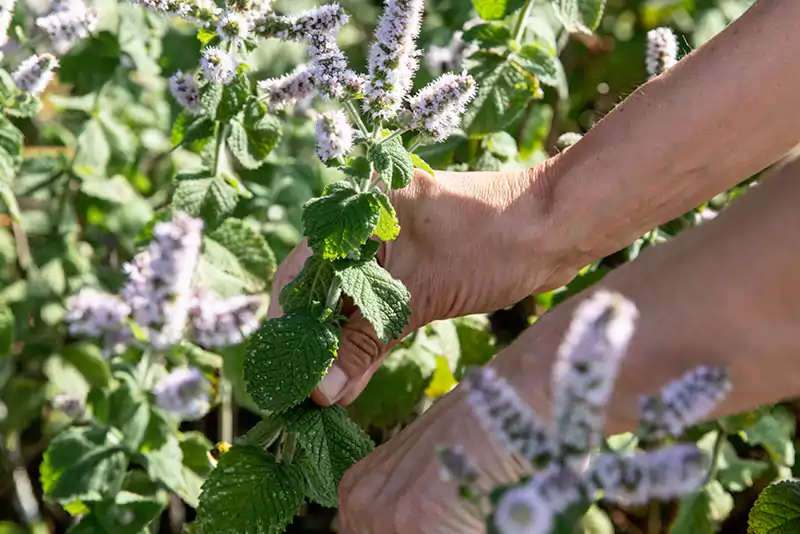 | Botanical name: Mentha arvensis Taste profile: Strong and slightly bitter Uses: Medicinal uses and also popular for oral care. |
Scientific Research and Findings About the Mint Plant
Different types of mints have been assessed for their various health benefits in treating digestive issues and IBS. However, there are not enough studies to confirm the validity of the same.
Hence, I went down the rabbit hole and found this research paper on the effectiveness of peppermint on IBS:
| Research summary box 1 Study year: 2014 Aim: To assess the effectiveness of peppermint oil on irritable bowel syndrome. Sample type: Randomized clinical trials across the world. Key findings: After the careful analysis of 9 studies evaluating a total of 726 patients, it was concluded that:
Source: National Center of Biotechnology Information |
Common User Concerns and Solutions About Mint
The mint plant has specific sun and water needs, which I have seen many gardeners struggling with. While I was scrolling through Reddit, I came across some simple yet significant queries that I think should be solved for better planting.
Take a look and find out what you may be doing wrong:
- How do I take care of this mint plant? The leaves have holes in them
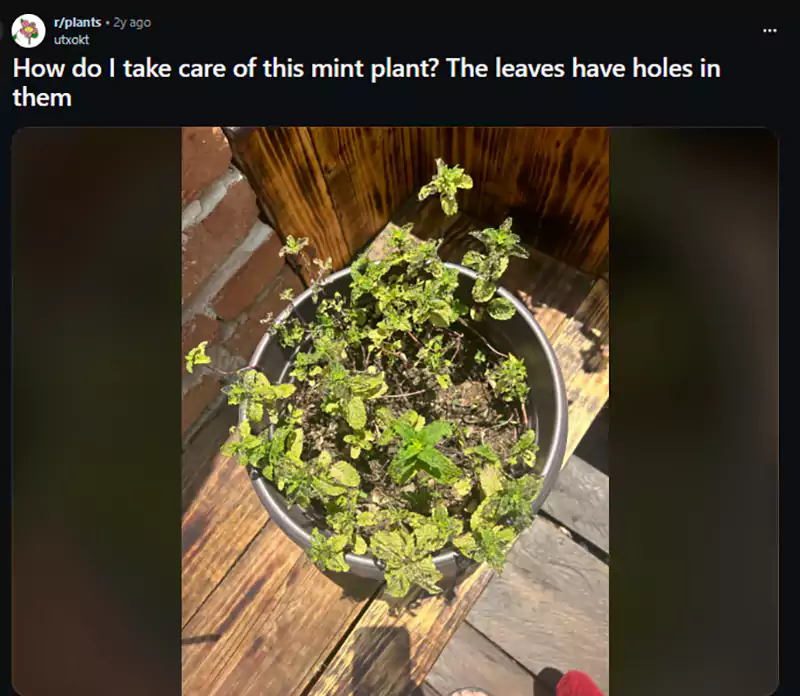
- If the mint plant has holes in it, it is most likely due to caterpillars or slugs, which attack the mint plant quite often.
- To solve the issue, hand-pick the insects and spray an insecticidal soap or neem oil.
- You can apply a nitrogen-rich fertilizer to revive the growth and prune off the damaged parts with garden scissors.
- Help me save my mint!
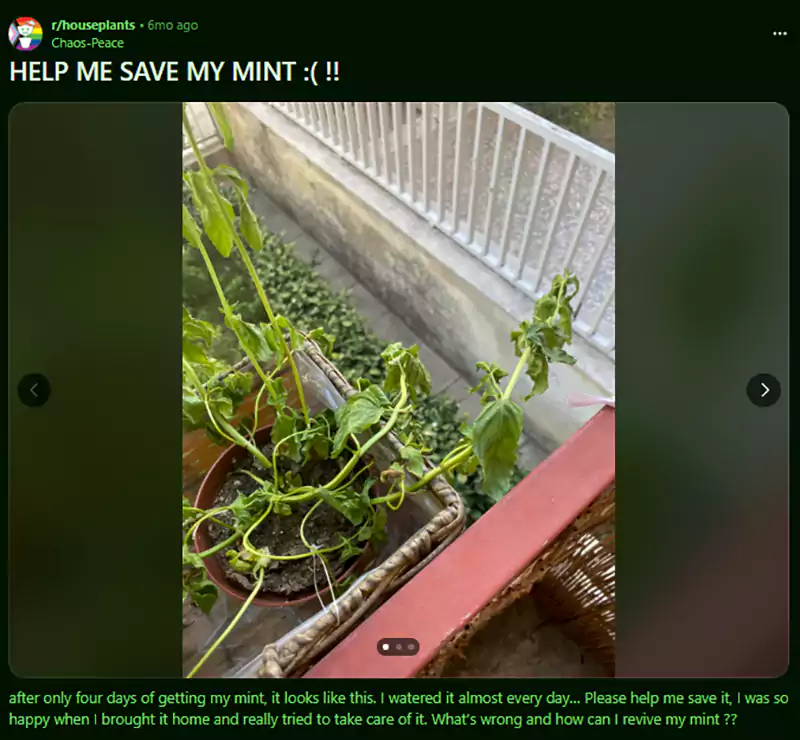
- The plant in the picture is suffering from a water issue. As the soil looks dry, it can be an issue of underwatering.
- Water the plant immediately, and you do not need to water it daily, but regularly, which means the soil should be consistently moist but not soggy.
- The best way to check is when the top inch of the soil is dry, it is time to water.
Mint Recipes That You Must Try at Home
After the mint plant has matured, it’s time to try some interesting recipes that taste 10 times better with fresh homegrown mint leaves.
Here are 2 of my favorite mint recipes that you must try:
Virgin Mojito

Ingredients
- Fresh Mint leaves
- Lime juice
- Sugar syrup
- Sparkling water
- Ice
Recipe:
- Take a tall glass and muddle the mint leaves in it. Gently bruise it, as that enhances the flavor and aroma.
- Now add the ice cubes, lime juice, sugar syrup, and sparkling water or any soda of your choice, and stir it well.
- Garnish the drink with more mint leaves and lemon slices.
- Serve fresh and enjoy!
Mint Greek Yogurt Sauce
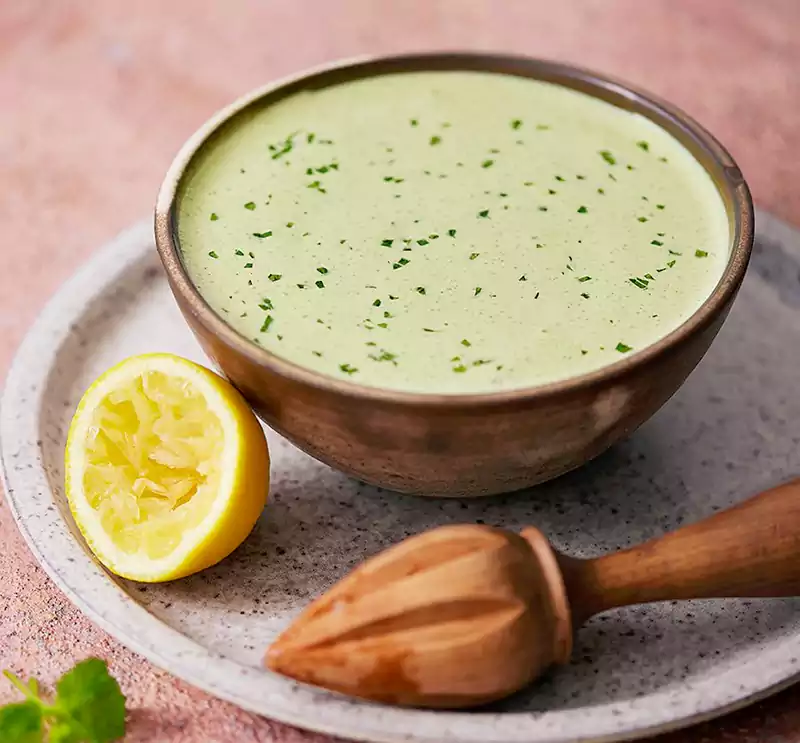
Ingredients:
- Greek yogurt
- Lemon juice
- Mint leaves
- Olive oil
- Salt and pepper
Recipe:
- Take a bowl and add the Greek yoghurt, olive oil, lemon juice, salt, and pepper to it.
- Finely chop the mint leaves and add to the mixture.
- Mix it thoroughly until smooth and adjust the salt as per taste.
- Serve fresh or store in the refrigerator.
- The mint Greek yoghurt sauce is best served with pita bread or salads.
Concluding Remarks
The mint plant has always been around, whether it is in meals or medicines. Growing these perennial plants is more than just a usual gardening project; this simple yet significant plant purifies the air around us, enhances the flavor of food, and helps cure many ailments, which is wonderful for a plant that is relatively easy to grow.
When you know how to grow mint indoors, you should not think twice and plant this aromatic herb in your garden this spring.
FAQs
Are there different types of mint plants?
How many times should I water the mint plant?
The mint plant loves water and should be watered every 2-3 days to maintain consistent moisture.
Is mint perennial or annual?
Mints are perennial plants and come back every year after dying back in the winter. So, no worries about regular planting.
How long does it take to grow mint indoors?
The mint plant grows quickly in about 2 weeks.
Does the mint plant purify air?
Yes, the mint plant is air-purifying and removes harmful pollutants from the air.
Sources:
How to grow mint -BBC Gardeners