Ans: Regular mowing does not cause any negative effects, but aggressive cutting of grass tends to make them uneven in a few places, making the space vulnerable to other issues like weeds or loss of strength.
The Homeowner’s Guide to Creating a Greener, Healthier Lawn
Author
Annette Hird
A lawn may look perfectly fine from afar, but still be struggling underneath. Many homeowners know it, but admit it too late. The grass starts thinning in a few spots, weeds grow in newer places, and suddenly, the yard starts to become a huge problem as time goes on.
Contrary to popular belief, these issues can’t be remedied by one easy fix. More often, it comes from a series of small decisions that accumulate benefits over time. But some things just get overlooked until they develop into an issue that demands immediate attention.
Key Takeaways
- Bare patches, uneven growth, the quality of soil, and poor drainage often point toward conditions that have been quietly present for years
- Compost, mulched leaves, and other materials help develop an environment where roots can spread more easily
- Smart irrigation systems are becoming more common in residential settings, partly because homeowners have less time to monitor such schedules themselves
- Strong, healthy grass tends to recover more effectively than grass already struggling with poor soil, inconsistent watering, or excessive mowing
Table of Contents:
Understanding When a Lawn Needs a Fresh Start
Many lawn issues are treated as temporary inconveniences when they actually indicate signs of deeper stress. Bare patches, uneven growth, the quality of soil, and poor drainage often point toward conditions that have been quietly present for years. Fertilizer may stabilize the situation for a while, and extra watering can make the grass appear greener for a few weeks, but the issues tend to remain.
In some cases, homeowners spend entire seasons trying to save the grass that has already passed the point of no return, where simple maintenance can no longer help. The soil might have become too compacted, weeds may have taken over large sections, or previous repairs may have led to an uneven mix of grass types.
At this stage, starting with a fresh outdoor space produces better long-term results than repeatedly patching up old problems.
When larger sections of a yard require attention, homeowners begin researching options that go beyond regular care. This is where professional sod installation services often come up in the conversation.
Rather than waiting months for the seed to grow itself, a new space can provide immediate coverage while allowing underlying soil issues to be fixed before the grass is even planted.
This approach is not appropriate for every yard, but it is usually considered when existing turf becomes difficult to restore.
Soil Health Often Matters More Than Grass Type
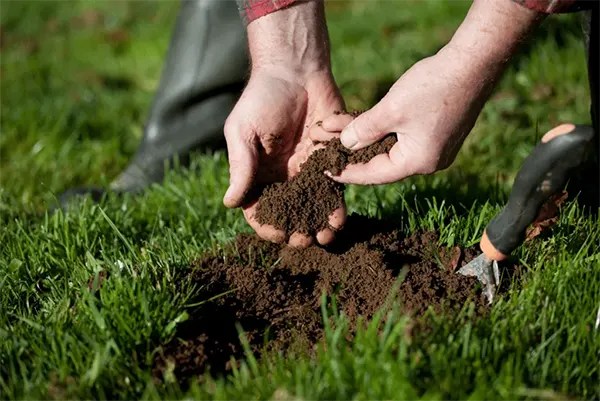
People tend to focus on the grass they can see. But the real story usually hides deep below the surface. Healthy soil acts as a support system for the entire lawn, storing water, moving nutrients to roots, and allowing air to circulate underground.
When the soil compacts, those functions start breaking down. Grass roots remain shallow, water flows instead of soaking in, and the entire yard becomes more vulnerable during high temperatures.
A simple soil test can display a surprising amount of information. This identifies nutrient deficiencies, pH imbalances, and other conditions that affect growth. Many homeowners skip through this step entirely because it seems too technical, but the process is fairly simple and often prevents unnecessary spending on products that may not solve the real issue.
Adding organic matter can also gradually improve soil structure. Compost, mulched leaves, and other materials help develop an environment where roots can spread more easily. Results aren’t instant, which is why many people lose patience with it, but healthier soil tends to produce healthier grass every year.
Watering Habits Can Make or Break a Lawn
Water is one of the most misunderstood parts of lawn care. Many yards receive either too much water or too little, sometimes within the same week. Frequent shallow watering encourages roots to stay near the surface.
Grass may appear green for a while, but it becomes dependent on constant moisture. During periods of heat or drought, those shallow roots struggle to access deeper water reserves.
Less frequent but deeper watering usually leads to stronger root development. The goal is not just to keep the surface wet. It is to help the moisture reach deeper layers, where roots can benefit from the process.
Technology has altered watering habits as well. Smart irrigation systems are becoming more common in residential settings, partly because homeowners have less time to monitor such schedules themselves.
These systems may not be perfect, but they can definitely reduce some of the guesswork that often leads to overwatering.
Fun Fact
The lawn acts as a massive sponge for the atmosphere, trapping a large amount of airborne dust and pollutants every day.
Mowing Is More Important Than Most People Think
Surprisingly, many problems also begin with the mower. Cutting grass too short puts a lot of stress on the plant. Short grass loses moisture faster, becomes more vulnerable to weeds, and usually develops weaker root systems. Many homeowners trim their yard aggressively as they want to mow less, but that chase for comfort often leads to the creation of more maintenance work later.
Keeping mower blades sharp also matters. Dull blades tear grass rather than cutting it cleanly. Those torn edges can turn brown and create an unhealthy appearance even when the lawn is otherwise doing well.
Homeowners often browse weed trimming equipment from WORX to achieve a manicured look around delicate garden beds and patio borders.
Taking care of these small details ensures that the entire yard looks neat and well-maintained throughout the growing season.
Grass clippings are another area where opinions vary. In many cases, leaving clippings on the lawn proves to be beneficial, as they break down naturally and return nutrients to the soil. Though there are also a few exceptions, particularly when grass becomes excessively long, clippings are usually removed when they could actually benefit the yard.
Managing Weeds Without Chasing Every Single One
Weeds tend to receive more attention than almost anything else in lawn care. Sometimes that attention is justified. Other times, people spend so much effort fighting weeds that they ignore the conditions allowing them to spread.
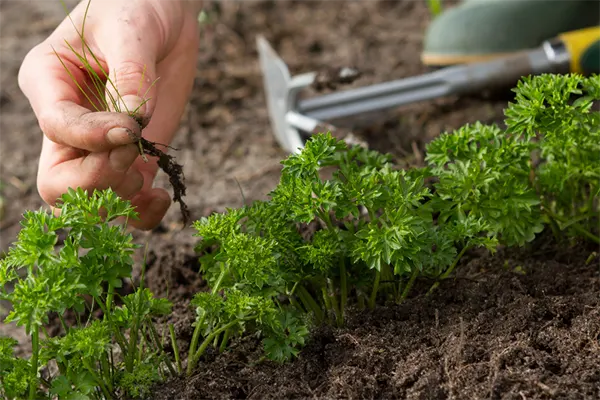
A dense lawn naturally blocks many weed seeds from reaching the soil. Healthy grass competes for sunlight, water, and nutrients. When turf becomes thin, opportunities open up for unwanted plants.
This is why strengthening the lawn itself produces beneficial results than depending entirely on weed-control products. Herbicides can be useful too, but they work best when combined with good cultural practices.
Otherwise, weeds often return after initial treatment wears off. The exact principle applies to pests and certain lawn diseases. Strong, healthy grass tends to recover more effectively than grass already struggling with poor soil, inconsistent watering, or excessive mowing.
Seasonal Adjustments Keep Lawns Strong
A lawn does not follow a fixed schedule, even though many homeowners do. Weather changes from year to year, and grass responds to such changes whether we notice them or not. Spring usually leads to recovery, while summer often becomes a balancing act between heat and moisture. Fall, oddly enough, is when much of next year’s success starts taking shape below the surface.
The healthiest lawns are rarely the result of one product or quick fix. They come from paying attention, adjusting when conditions change, and keeping the basics consistent. Good soil, sensible watering, and proper mowing still do most of the heavy lifting.
FAQs
Q1) Can mowing cause problems?
Q2) How do smart irrigation systems help?
Ans: Smart irrigation systems automatically water plants or the grass after fixed time intervals, leading to additional convenience and comfort for the owner.
Q3) How to prevent weeds from growing in the yard?
Ans: Weeds can be prevented by having a dense lawn with healthy grass, allowing for adequate water, sun, and nutrients. Herbicides can also be used to deal with the situation.
Q4) What does a soil test do?
Ans: A soil test identifies nutrient deficiencies, pH imbalances, and other conditions that affect growth, providing homeowners with a surprising amount of information and allowing them to fix these inherent problems.
Latest Blog