A few smart move-in cleaning tasks include:
- Vacuuming baseboards and edges
- Wiping pantry shelves
- Cleaning under sinks
- Checking appliance gaps
Author
Terri Sander
Moving into a new home sure sounds very exciting until you spot something tiny with too many legs making its way inside before you. A house may look spotless on the surface but may still comprise many hidden issues behind the walls, under sinks, or in forgotten corners.
The good news is you don’t need to be an expert to identify such problems. You just need to be aware of the warning signs that follow with it, allowing you to feel a lot more comfortable before the first box is even opened.
This article lists a few smart habits that can be followed to ensure you’re on top of things before they get any worse.
Key Takeaways
- Empty homes usually sit silent for weeks, thus providing pests with a great chance to settle in like uninvited roommates who never bring snacks
- Pests slip in through tiny gaps and damaged spots you might not notice unless you really search for them. That’s why a simple walk-through matters
- A lot of indoor pest problems actually begin outdoors. So before you focus only on what’s inside, take a lap around the yard and look at the house from the outside in
- If you notice repeated problems, live roaches during the day, scratching in walls, or nests in the attic, it may be time to look for a residential pest control service
Before you get distracted by paint options and couch placement, take some time to think about bugs and rodents. Empty homes usually sit silent for weeks, thus providing pests with a great chance to settle in like uninvited roommates who never bring snacks.
Many homeowners forget about pest control before moving into a new house until they find ant trails creeping in the pantry or scratching sounds at night. By then, you’re not just moving boxes. You’re moving into a problem.
A quick pest check early on saves a lot of money, stress, and a lot of unexpected surprises. Look for small droppings, bug wings near windows, and odd smells in closed spaces. If the home has been vacant for a long time, pay extra attention, as quiet homes can become huge pest infestation safe houses really quickly.
Pests don’t just march through the front door like they own the place. They slip in through tiny gaps and damaged spots you might not notice unless you really search for them. That’s why a simple walk-through matters.
Check around doors and windows first. If you can notice daylight around a frame, a bug probably can too. Look at torn screens, loose stripping, and gaps where pipes or cables make their way into the house. Utility lines are secret passageways for pests.
Don’t forget the attic vents, dryer vents, and the area around the garage door. Mice can squeeze through tiny spaces. It really is impressive, but also extremely annoying.
Bring a flashlight and inspect baseboards, closets, and the corners of unfinished spaces. You’re not trying to become a detective. You’re just checking for clues that say, “Something may be getting in here.” Catching entry points early makes the rest of your move much easier.
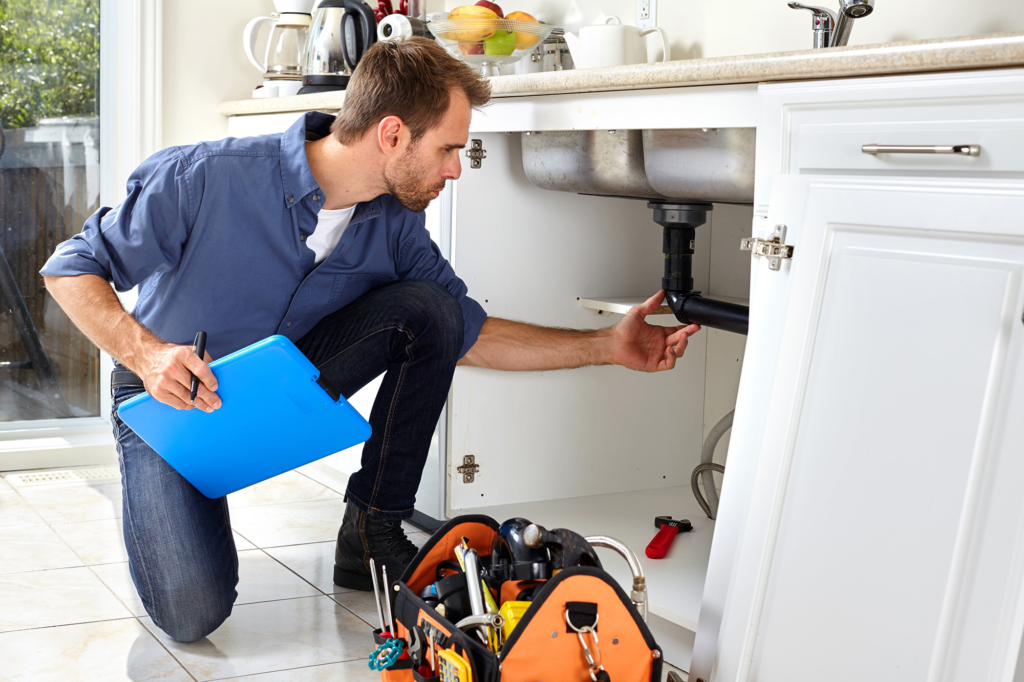
If pests had a favourite hangout spot, kitchens and bathrooms would be at the very top of the list. These places offer precisely what they’re looking for the most: water, warmth, and the chance of finding food for survival. It’s basically a tiny bug resort.
Open every cabinet, especially under sinks. Look for moisture stains, warped wood, or a foul smell. Check behind all toilets, around the dishwasher, and near the fridge line. Cockroaches and ants prefer damp, dark spots.
A few signs are worth taking seriously:
Also check drains and around caulking. Gaps around plumbing can create easy access points. Even if everything looks mostly fine, wiping these spaces down before moving in helps you spot fresh activity later. It’s much easier to notice a new problem when you start with a clean slate.
A lot of indoor pest problems actually begin outdoors. So before you focus only on what’s inside, take a lap around the yard and look at the house from the outside in.
Begin with the foundation. Cracks, gaps, and holes near the ground can become prime entry locations. Check where plants or vines touch the house. These areas hold moisture and create sheltered paths for insects.
Did You Know?
Cockroaches can live for a whole month without food, but perish without water after just one week. If you see them scurrying around in broad daylight, it is often a sign of a massive, severe infestation.
Tree branches hanging over the roof can help pests reach the attic. Firewood stacked against the wall is another classic issue. It may seem harmless, but it gives insects a cozy place to gather close to your home.
Inspect the trash bins too. If they sit near doors or windows and don’t close tightly, they can attract roaches, flies, and rodents. Stagnant water inside pots, gutters, or low spots in the yard also affects things.
You don’t need a perfect yard. You just want one that doesn’t roll out the welcome mat. A few outdoor fixes can reduce the chances of pests showing up indoors later.
This part is not that glamorous, but it works. Cleaning before unpacking does more than make the place feel fresh, helping you locate pest activity and removing the dust and moisture pests survive on.
Start high and work down. Wipe shelves, vacuum closet corners, and clean inside cabinets before adding any dishes or food. Pull out what can be moved safely, like the fridge or washer, and inspect the spaces behind them. Those hidden zones are prone to accumulating crumbs, lint, and a bit of debris that pests love.
A few smart move-in cleaning tasks include:
If you see pepper-like droppings, egg casings, or insect bodies during cleaning, take note of where they show up. Patterns matter. One bug near a window may be random. Repeated signs in one area usually mean there’s a source nearby. It’s not fun, but it’s useful information before your stuff takes over every room.
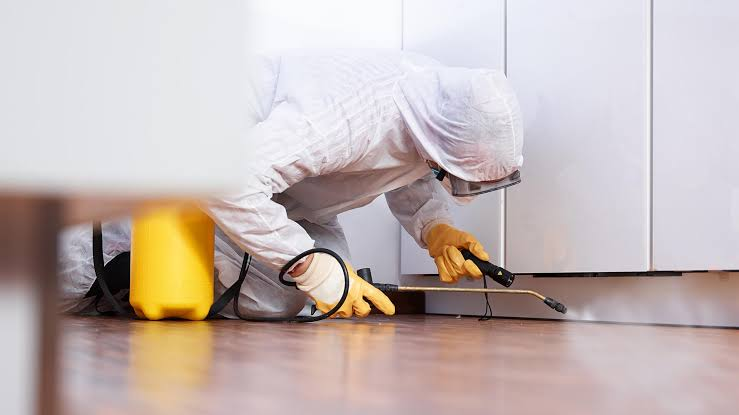
Some pest prevention jobs are easy to handle on your own. You can seal pantry food, replace a torn screen, or clean up moisture around a sink. Those small steps really do help.
Still, there comes a point where DIY stops being enough. If you notice repeated problems, live roaches during the day, scratching in walls, or nests in the attic, it may be time to look for a residential pest control service. That holds true before move-in, when access is easier, and treatment can start without working around a lot of furniture and boxes.
The goal isn’t to panic every time you see one ant wandering around like it lost its map. It’s about reading the signs honestly.
A few simple prevention tasks make sense for many homes. Strong smells, visible infestations, or ongoing activity usually require more than just a spray can and wishful thinking.
Once you set foot inside, the first month sets the tone. Good habits early on can keep small pest issues from transforming into an all-out household drama.
Keep food sealed and don’t leave pet bowls out overnight if possible. Take the trash out regularly and ensure indoor and outdoor bins close well. Check under the sink once a week for minor leaks or dampness. Moisture problems usually lead to pests before you even notice the water.
It also helps to break down boxes quickly. Cardboard gives pests places to hide, and moving boxes can sometimes carry in more than your coffee mugs. A little caution goes a long way.
Try making a simple routine:
You don’t need to transform your home into a fortress. You just need to stay alert and consistent. A new house should feel like a fresh start, not a bug meet-and-greet.
A few smart move-in cleaning tasks include:
If you notice repeated problems, live roaches during the day, scratching in walls, or nests in the attic, it may be time to look for a residential pest control service.
The following are the signs that are worth taking seriously:
Begin with the foundation. Cracks, gaps, and holes near the ground can become prime entry locations. Check where plants or vines touch the house. These areas hold moisture and create sheltered paths for insects.

Premium home decor & furniture — crafted for comfort, designed for you.
Copyright © 2026 Abodelook.