You need to perform a brief audit every three months and after any extreme weather conditions.
How To Keep Your Garage Door Reliable Year-Round
Author
Terri SanderLast Update
September 12, 2026
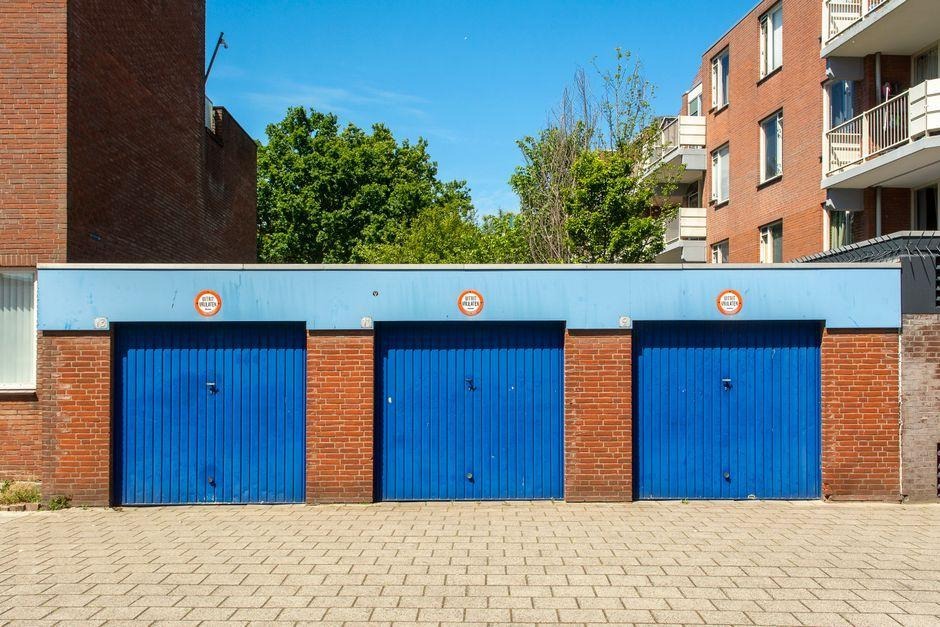
If you use your garage every day, it can be quite easy to forget how much work that door does for you. It opens in the morning, closes up your home at night, and helps protect everything inside.
In places where weather can shift in an instant and humidity lingers, a little attention to these doors goes a long way. The great news is that keeping your garage entrance dependable does not need to be overly complicated or overwhelming in any way. It just requires the right steps to be followed at the right time.
Here’s how you can take better care of your garage door, spot early signs of damage, and keep it prepared for sudden weather changes.
Key Takeaways
- A garage door protects your car, supports home security, and keeps your daily routine from getting affected by random problems occurring when you least expect them
- Most garage doors do not fail without warning. They usually give you a few clues first. The trick is noticing them before the problem grows
- Catching these signs early is often the difference between a manageable repair and a much bigger interruption
- Professional service is not just about repair. It is also about diagnosis. A trained technician can often spot connected issues that are easy to miss when you only focus on the symptom you can see
Table of Contents:
Why Reliability Matters
A garage door does a lot more than just move up and down. It protects your car, supports home security, and keeps your daily routine from getting affected by random problems occurring when you least expect them.
When your door works the way it is meant to be, you probably don’t think about it much. That is usually a sign that everything seems to be in good shape.
If your door starts acting up, though, small issues can become expensive ones. A slow opener, a shaky track, or a door that does not seal properly can affect comfort and safety. If you are comparing professional garage door services in Lake Charles, it helps to choose a team that can handle inspections, repairs, and replacements with long-term performance in mind.
A dependable system also enhances curb appeal considerably. People notice a garage door more than they think. When it looks clean and operates smoothly, your home feels better cared for right away.
Watch For Early Signs
Most garage doors do not fail without warning. They usually give you a few clues first. The trick is noticing them before the problem grows. One of the first signs is sound. If your door suddenly becomes louder, squeaks more often, or makes grinding noises, something may be wearing down.
You should also watch how they move. If the door opens slightly slower than usual, jerks during movement, or closes unevenly, that usually points to a balance or track issue. Ideally, a garage door should move in a steady and controlled way. If that isn’t the case anymore, then it is worth the extra attention.
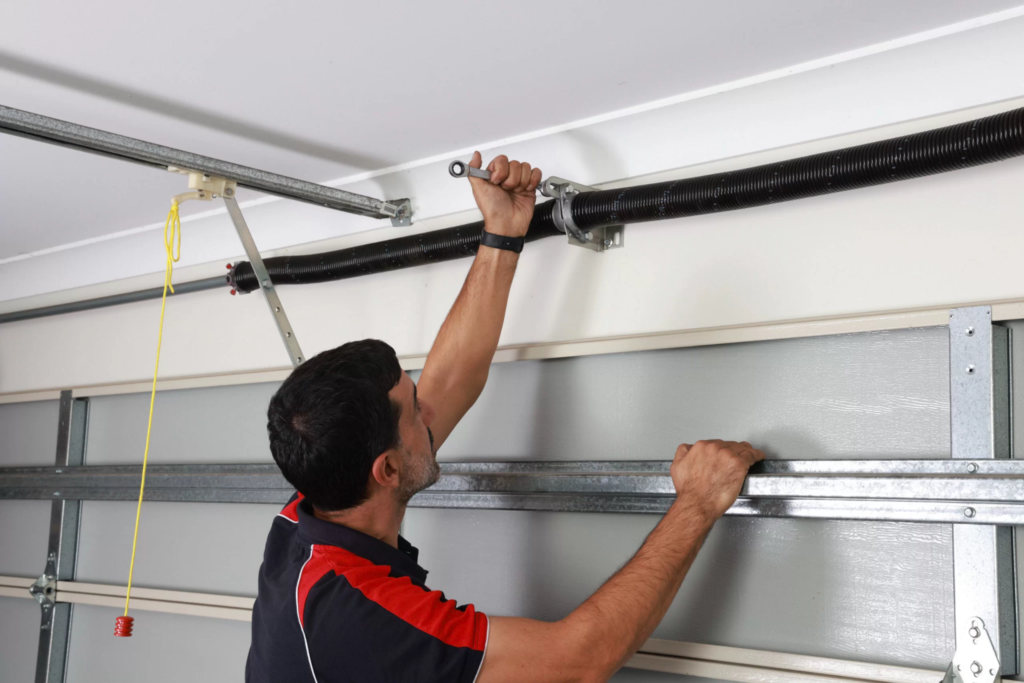
Take a quick look at the weather seal, too. If it appears cracked, loose, or flattened, outside air and moisture can creep in. You may also notice light sneaking under the bottom edge. That is a minor detail, but it can affect comfort and cleanliness inside the garage.
Catching these signs early is often the difference between a manageable repair and a much bigger interruption.
Build A Simple Routine
You do not need an advanced checklist to keep your garage door in decent shape. A simple routine a few times a year can make a real difference. Start with a visual check. Look at the springs, rollers, cables, hinges, and tracks. You are not trying to fix everything yourself. You are just looking for rust, wear, loose parts, or anything that seems out of place.
It also helps to keep the tracks clean. Dust, leaves, and small debris can build up over time. Wipe them down gently and make sure nothing is blocking the path. Test the remote and wall control too. If the response feels delayed, it may be a battery issue or an early sign of opener trouble.
A few easy habits can help:
- Listen during opening and closing
- Check the bottom seal for damage
- Look for gaps when the door shuts
- Notice changes after storms or temperature swings
Write down anything unusual. That way, if a problem repeats, you have something useful to share when service is needed.
Fun Fact
Before the 1920s, private garages were rare. When cars became popular, homeowners used carriage house doors that swung forward, which were notoriously difficult to open when it snowed.
Know When To Call
Some garage door problems are not simple weekend projects. If springs, cables, or the opener motor are involved, it is best to bring in a professional. These parts manage heavy tension and weight. Trying to guess your way through a repair can create a bigger problem fast.
A door that has come off track is another sign to stop and look for professional assistance. The same goes for a door that slams shut, reverses slightly for no clear reason, or refuses to open at all. These are not small annoyances. They can point to safety concerns or failing components.
You should also pay attention to repeated trouble. If the same issue keeps coming back, a quick fix may not solve the real cause. It could be a worn part, poor alignment, or an opener that is no longer performing well.
Professional service is not just about repair. It is also about diagnosis. A trained technician can often spot connected issues that are easy to miss when you only focus on the symptom you can see.
Prepare For Weather Changes
The weather has a significant effect on garage doors that many homeowners don’t expect. Heat affects materials, humidity encourages rust, and storms can leave behind debris that can interfere with the path of the door. If your garage is attached to your home, these changes can also impact comfort and total indoor energy expenditure.
Before a new season starts, inspect the seal around the door and check for moisture issues near the frame. If the garage feels damp or dusty all the time, your door may not be closing tightly enough. That can make the space less useful and harder to protect.
Storm preparation matters too. Make sure the opener responds consistently and that the door closes fully without hesitation. If high winds or heavy rain are common in your area, even small weaknesses can become more obvious.
You can also help protect the space by storing items off the floor when possible and checking insulation if your garage gets unusually hot or cold. Small steps like these help your system work better through changing conditions.

Choose Long-Term Value
When a garage door problem shows up, it is tempting to prioritise the faster or cheapest fix. Sometimes that works, but other times it just leads to another service call a few weeks later.
A smarter approach is to think about long-term value. That means asking whether the repair supports dependable performance or only delays a future issue.
If your door is older, noisy, or often in need of attention, replacement parts alone may not give you the best result. In some cases, improving the opener, seal, or door panels can lead to better efficiency and fewer disruptions. A smoother system also tends to place less strain on connected parts.
Good decisions usually originate from clear information. Ask what caused the problem, what condition the surrounding parts are in, and what maintenance will help going forward. That kind of planning saves you money and frustration over time.
A garage door does a quiet but important job. If you give it regular attention and respond early when something changes, you can keep it working reliably through every season.
FAQs
Is there a guideline on how frequently I should conduct a visual inspection on my garage door?
Is it acceptable to use regular grease on my garage door tracks?
No, since thick grease accumulates dirt, dust, and debris, which come together to clog the tracks. It is best to opt for silicone-based or lithium-based sprays made for this purpose.
Why does my garage door tend to reverse before it gets to the floor?
The garage door will usually reverse due to the misalignment of the safety sensors, a soiled lens, or an incorrect travel limit set in the propane motor.
What are the steps to assess whether my garage door has a balanced structure or not?
To find out if your garage door is balanced, you should first disconnect its automatic opener and manually bring the door halfway up. A balanced garage door remains in that place, while an unbalanced one either opens or slams closed.
Latest Blog