Some flowers that begin with A are aster, ardisia, African flame lily, angelica, achillea, adder’s tongue, and adam’s needle.
20 Beautiful Flowers That Starts With A: Add Aesthetics to Your Garden
Author
Cerina TriglavcaninLast Update
September 13, 2026
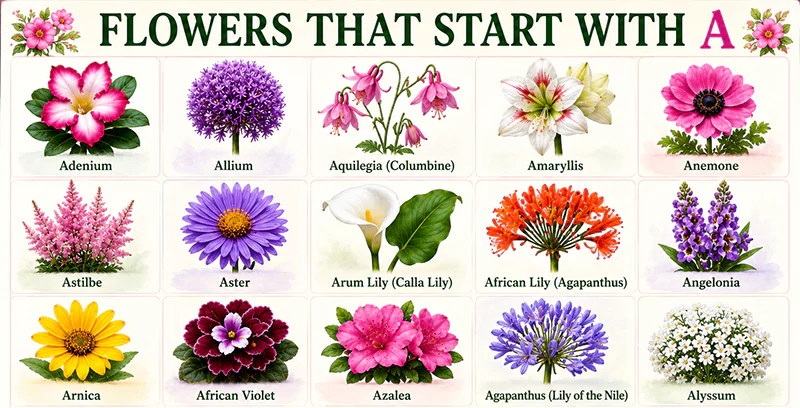
Planning to decorate your home garden in alphabetical order? The first thing that comes to mind is to start finding the flowers that starts with A. There are so many flowers that begin with an A, like African lily, Achillea, Acacia, Adder’s tongue, Aconite, Angelica, and more.
If you are still confused about whether the flower is meant for indoors or outdoors, read the article and learn about their origin, native and ideal growing conditions, and choose the one that aligns with your environment and weather conditions.
Table of Contents:
10 Flowers That Start With The Letter A
Many perennial flowers begin with A. These fall into two categories: first, those whose common names begin with A, and second, those whose botanical names begin with A. Examples include anemone, angelica, and African lily, and achillea, aurinia, and aeschynanthus, respectively. Let us explore some of the well-known Flowers that starts with A from both categories.
1. Acanthus
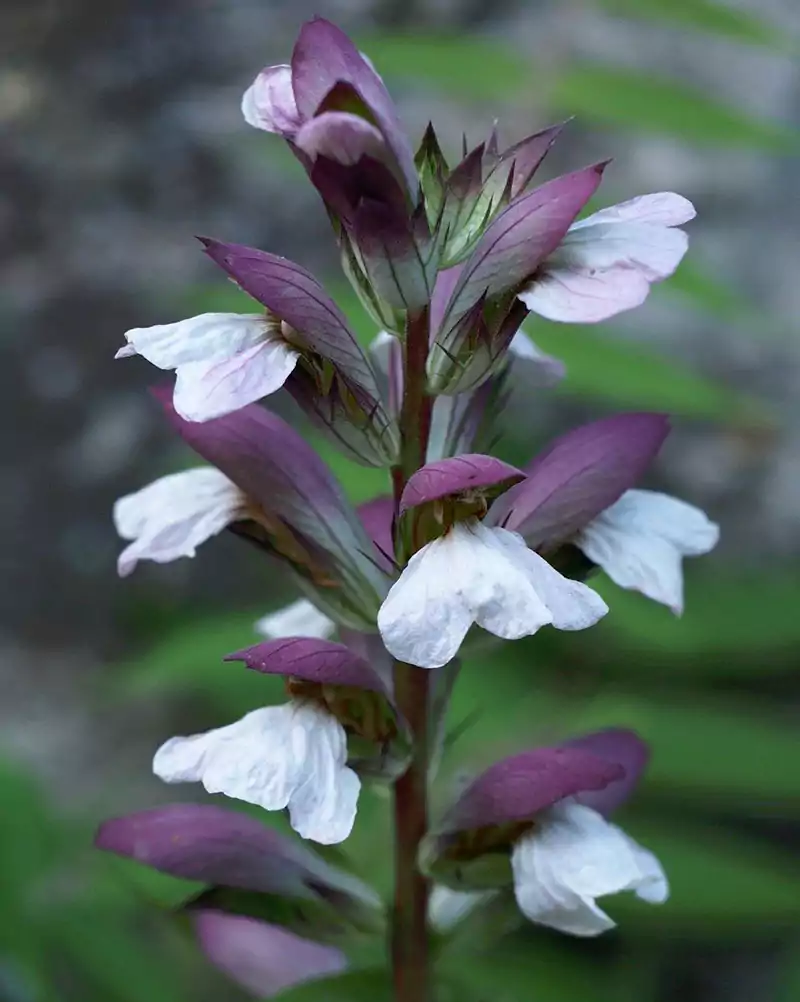
Acanthus is a perennial that belongs to the Acanthaceae family. The plant can be sown between spring and throughout summer, which gives it a long establishment period before winter. The flowers are often used in bouquets or floral decorations, which provides the bouquets with a unique structural element.
Here is some basic information about the acanthus flower:
| Botanical name | Acanthus montanus |
| Hardiness zone | 7 to 10 USDA Zone |
| Native | Mediterranean region |
| Ideal growing conditions | Acanthus prefers moist, deeply fertile, and well-drained soil and requires watering only when the top layer of the soil starts drying out. |
2. Achillea
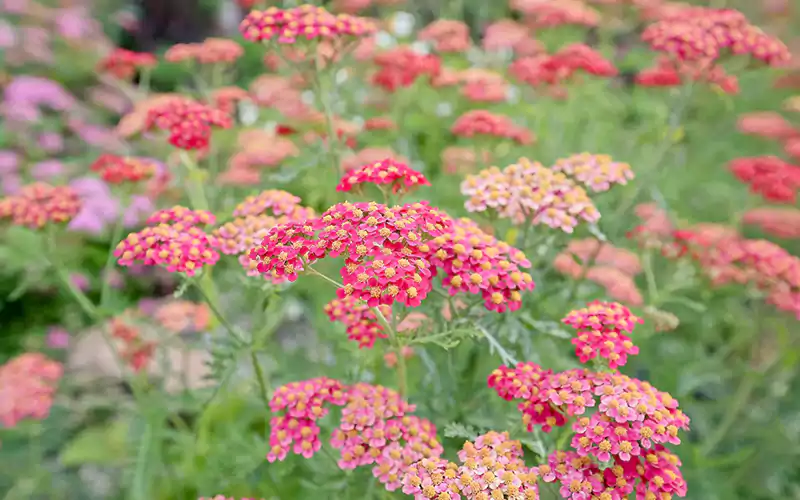
Achilleas are commonly known as Yarrows and belong to the Asteraceae family. It is often valued for its flowery fragrance, feathery foliage, and long-lasting, flat umbel flowers. Yarrow typically grows about 2 to 3 ft. tall and up to 2 ft. wide.
Once established, the plant becomes drought-tolerant, making it perfect for people who cannot pay much attention to their plants. Here is some basic information about the peony flower:
| Botanical name | Achillea millefolium |
| Hardiness zone | 3 to 9 USDA Zone |
| Native | Temperate regions of the Northern Hemisphere |
| Ideal growing conditions | It is a low-maintenance plant that prefers chalk, loam, and sandy soil with acid, alkaline, and neutral pH levels. The plant requires average watering during the growing period, but later you can reduce the frequency of watering. |
3. Acacia
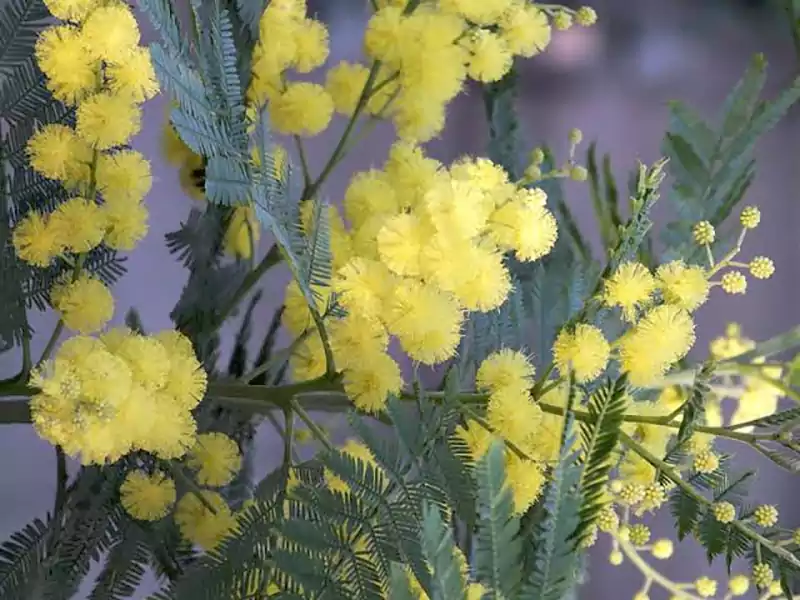
Acacia is commonly known as wattle, which is commonly appreciated for their distinctive foliage and showy character. The plant species vary widely in habit, ranging from shrubs to large trees. It blooms in vibrant yellow or cream-coloured flowers from winter to early spring. Here is some basic information about the acacia flower:
| Botanical name | Acacia retinodes (Swamp Wattle) |
| Hardiness zone | 9 to 11 USDA Zone |
| Native | Australia and Africa |
| Ideal growing conditions | The plant performs best under full sun in well-drained, moist, neutral to acidic pH level soil. |
4. Adder’s Tongue
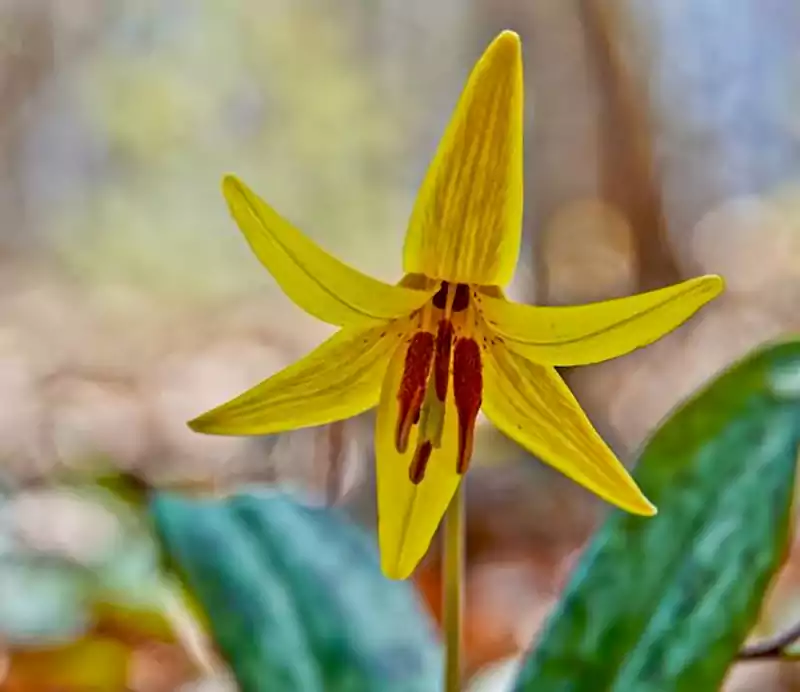
Adder’s tongue is an unusual fern that resembles a snake’s tongue. It usually appears between June and August and is considered an indicator species of ancient meadows. This small perennial grows up to 30 cm high. Here is some basic information about the adder’s tongue flower:
| Botanical name | Ophioglossum vulgatum |
| Hardiness zone | 4 to 8 USDA Zone |
| Native | Woodlands and meadows across Europe and North America |
| Ideal growing conditions | The plant thrives in consistently moist, well-drained, humus-rich soil and partially shaded areas. |
5. Adam’s Needle
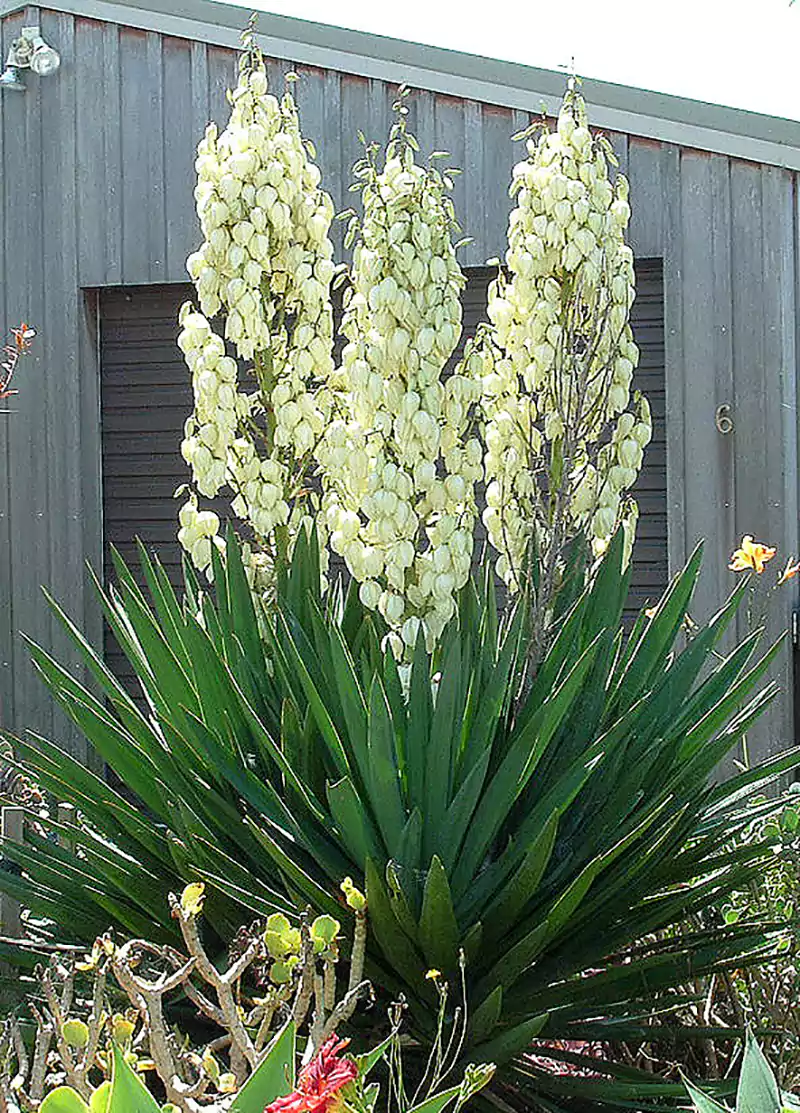
Adam’s needle or Yucca filamentosa is a perennial shrub that has a long, thick underground stem, which is rarely visible on the ground. The Yucca plant grows up to 3 meters tall and is an evergreen shrub valued in horticulture.
Here is some basic information about the Adam’s needle:
| Botanical name | Yucca filamentosa |
| Hardiness zone | 4 to 11 USDA Zone |
| Native | Southeastern United States |
| Ideal growing conditions | Yucca is a low-maintenance flowering plant that prefers full sun and requires low water. It usually thrives best in well-drained chalky, loamy, or sandy soil with acidic to neutral pH levels. |
6. Aconite
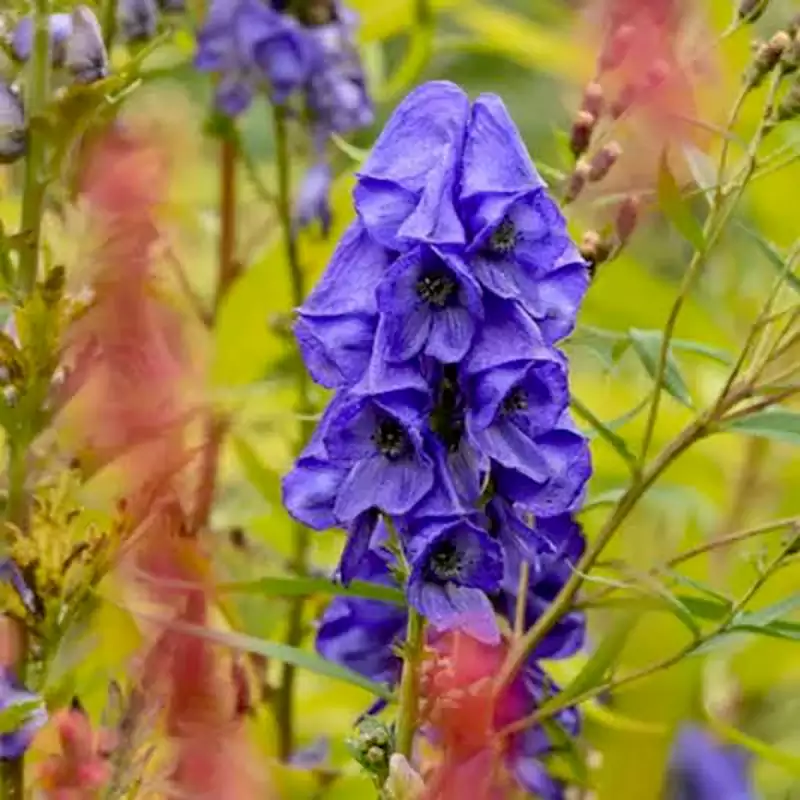
Aconite is commonly known as wolfsbane, devil’s helmet, or blue rocket and belongs to the Ranunculaceae family. This herbaceous plant is frequently tagged as a toxic perennial plant by NIH. Here is some basic information about the aconite flower:
| Botanical name | Aconitum variegatum |
| Hardiness zone | 3 to 9 USDA Zone |
| Native | Northern hemisphere, especially in mountainous regions. |
Did you know?
Winter Aconite (Eranthis hyemalis) is one of the species of Aconite that is not considered to be a toxic perennial and is often attributed among winter plants.
7. Angelica
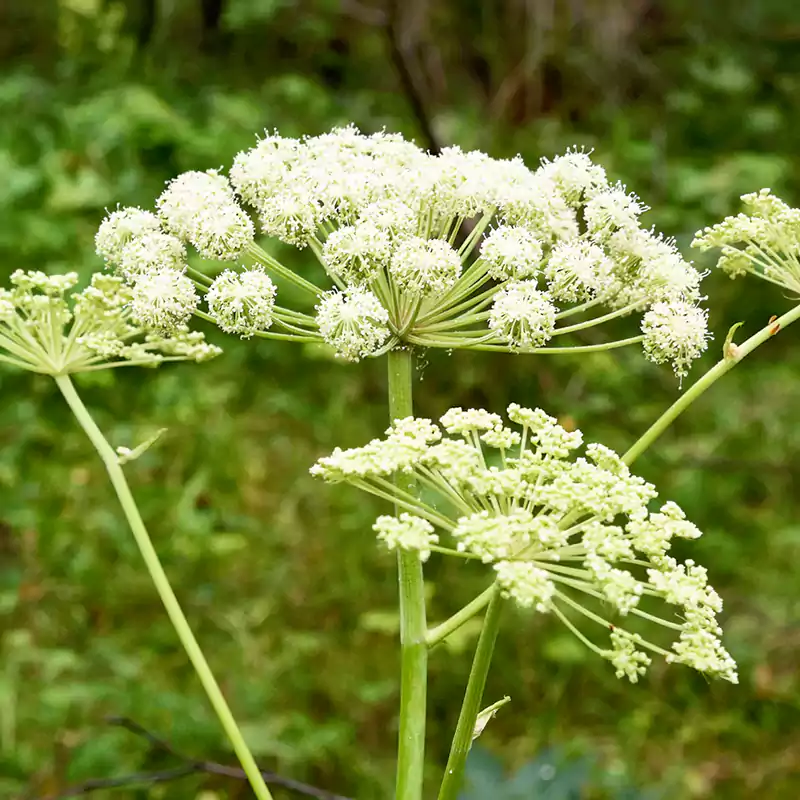
Angelica is a tall biennial and perennial herb belonging to the Apiaceae family. It blooms in white, purple, and many more colours. The flowers bloom in late spring to early autumn as dome-shaped umbels and are a valuable nectar source for many pollinators. Here is some basic information about the Angelica plant:
| Botanical name | Angelica archangelica |
| Hardiness zone | 4 to 9 USDA Zone |
| Native | Northern and Eastern Europe and some regions of Asia and North America. |
| Ideal growing conditions | Plant angelica during the early spring at a location that receives full sun to partial shade. Make sure that the soil is moist but not soggy and has a pH level up to 7.0 and not higher than that. |
Did you know?
Angelica or Norwegian angelica herb is considered slightly toxic to humans and is also known as wild celery.
8. Ambrosia
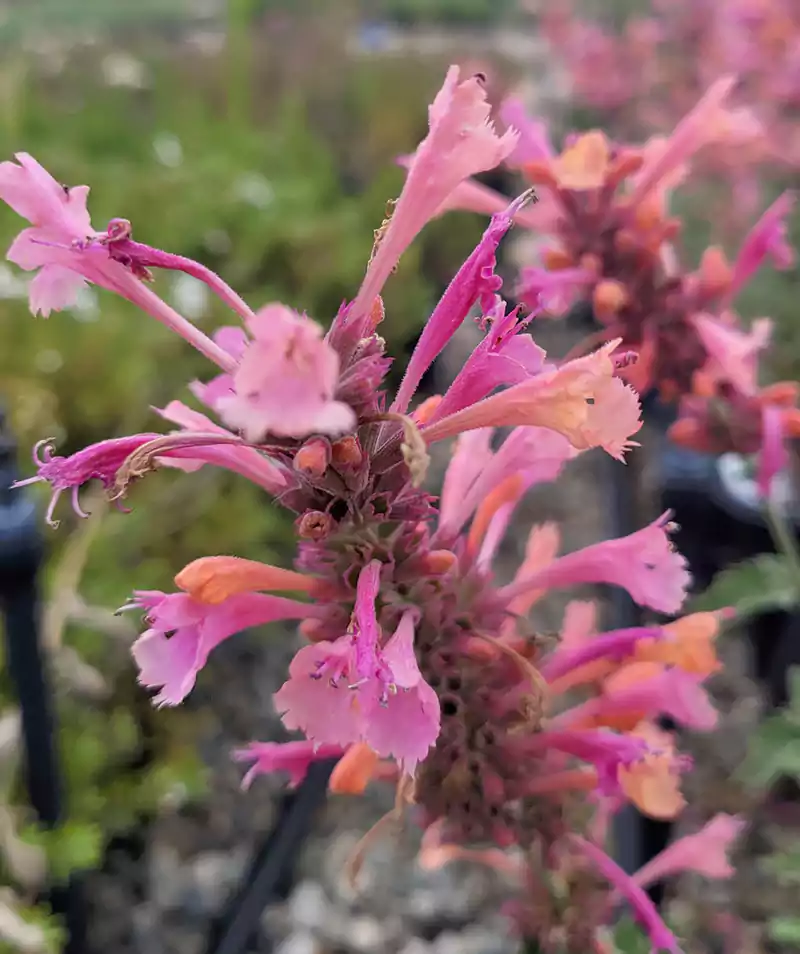
Ambrosia is commonly known as ragweed, annual ragweed, and low ragweed. There are about 50 species in the genus, but Ambrosia artemisiifolia is the only one that is part of the large Asteraceae family. The plant blooms in various hues of purple, pink, yellow, white, and many more colours and grows from 17 inches to 22 inches tall.
Here is some basic information about the ambrosia flower:
| Botanical name | Ambrosia artemisiifolia |
| Hardiness zone | 4 to 9 USDA Zone |
| Native | North America |
| Ideal growing conditions | The plant blooms as an annual weed and dies back in hard frost. |
9. African Flame Lily
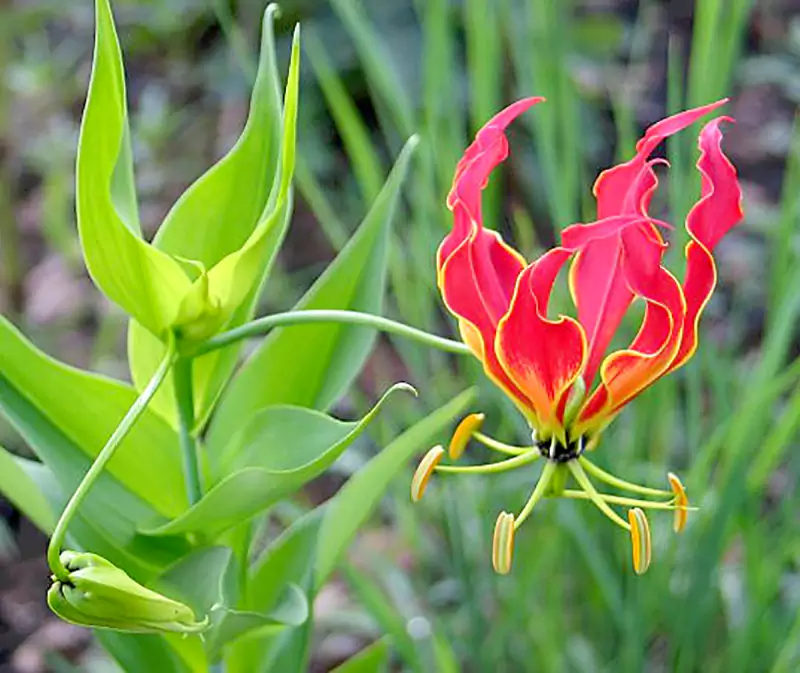
African flame lily belongs to the Colchicaceae family and is commonly known as climbing lily, glory lily, flame lily, and creeping lily. This climbing tender perennial bears flowers in a rich red tone with penciled yellow edges and swept-back petals. Here is some basic information about the African Flame Lily:
| Botanical name | Gloriosa superba |
| Hardiness zone | 8 to 12 USDA Zones |
| Native | Tropical and Southern Africa and parts of tropical Asia |
| Ideal growing conditions | Flame lily requires a warm, humid environment with partial to full sunlight and well-drained soil. |
10. Ageratum
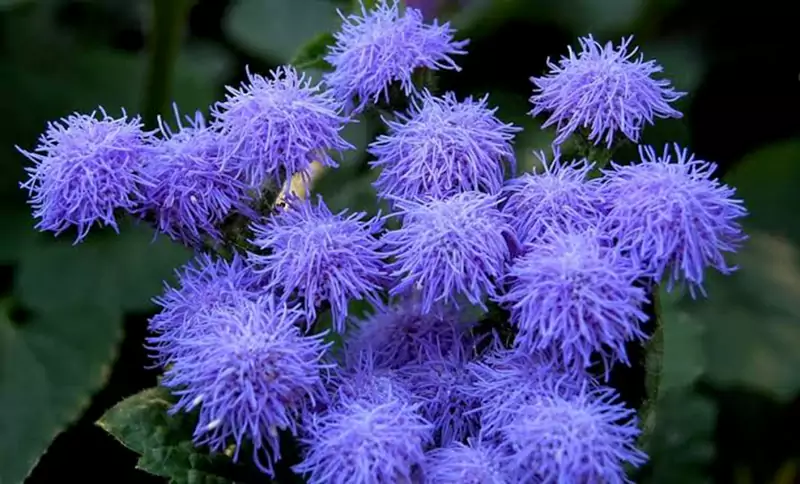
Ageratum, commonly known as floss flower, is a perennial that grows 4 inches to 36 inches tall and 6 to 18 inches wide. It is a pollinator-friendly plant that attracts pollinators like butterflies, bees, and hummingbirds. Here is some basic information about the ageratum flower:
| Botanical name | Ageratum houstonianum |
| Hardiness zone | 2 to 9 USDA Zone |
| Native | Central America and Mexico |
| Ideal growing conditions | The plant thrives best in full sun with partial shade and requires rich, well-drained soil with a pH level between 5.5 and 6.5. |
10 Additional Flowers that Start with A
The bonus list of ten flowers that start with A is as follows:
| Flower name and image | Description |
American Ash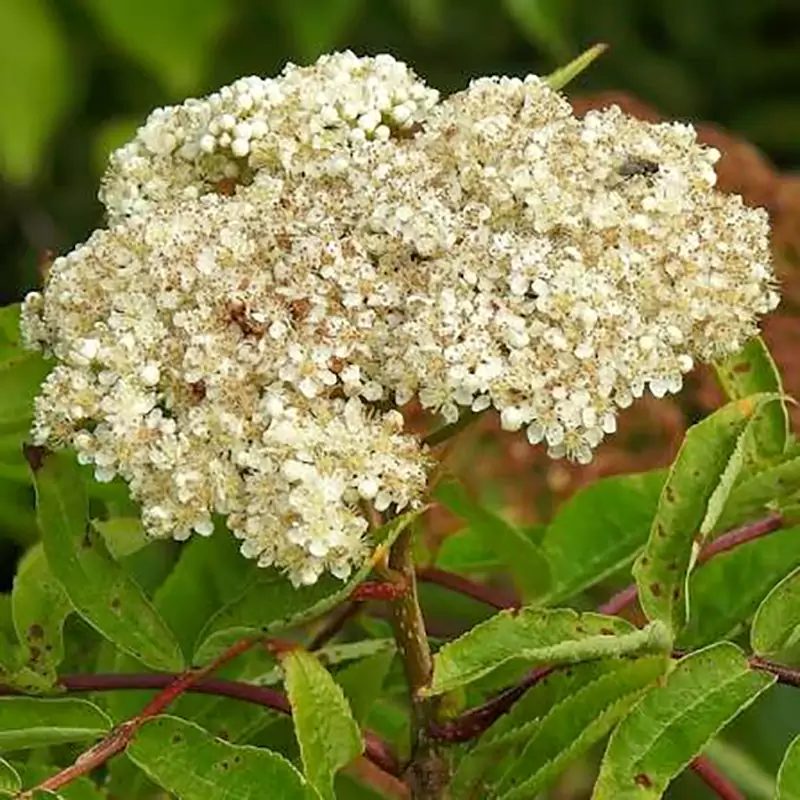 |
|
Ammi majus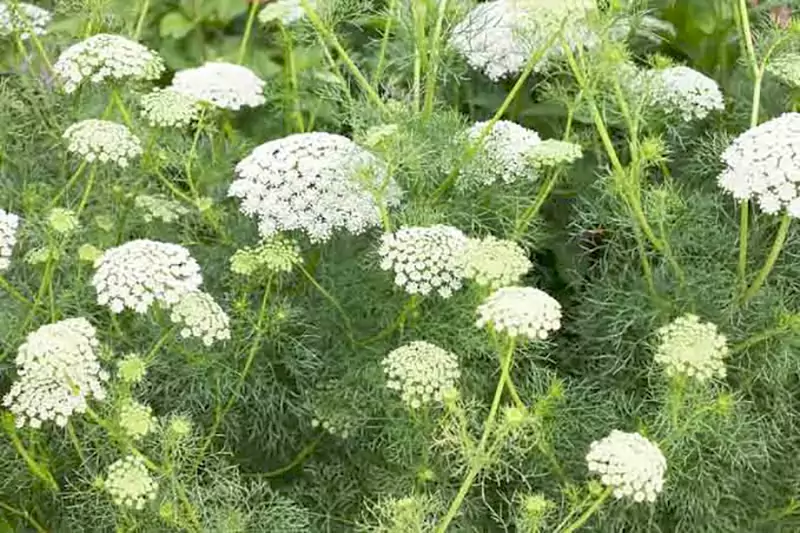 |
|
Aloe Succotrina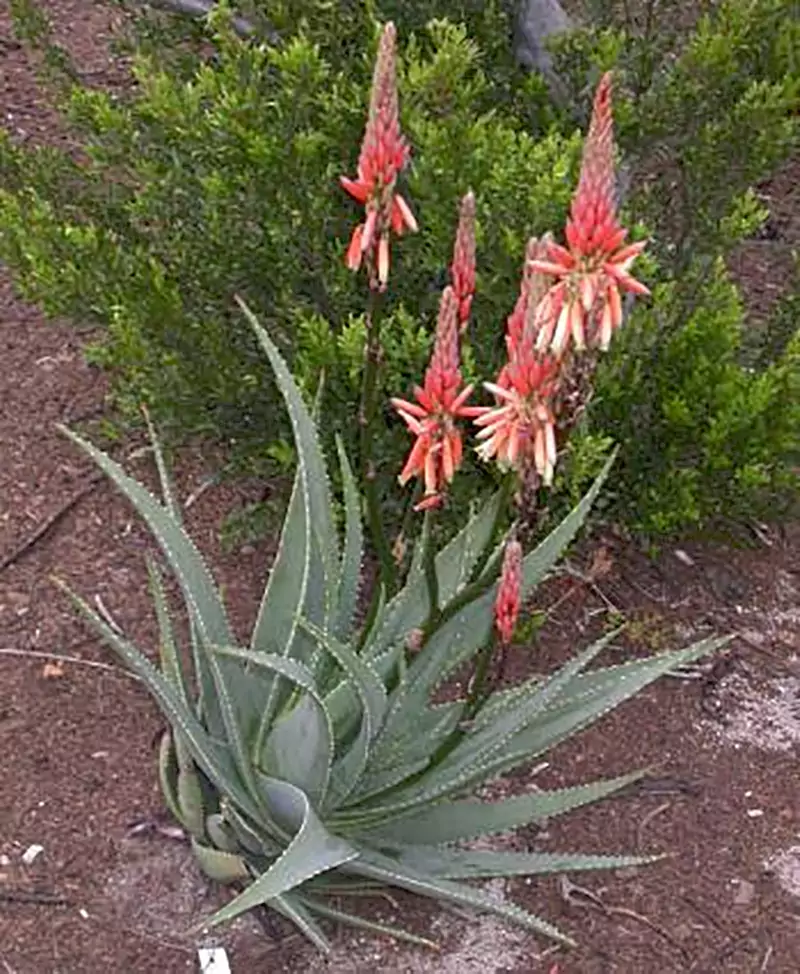 |
|
Almond Blossom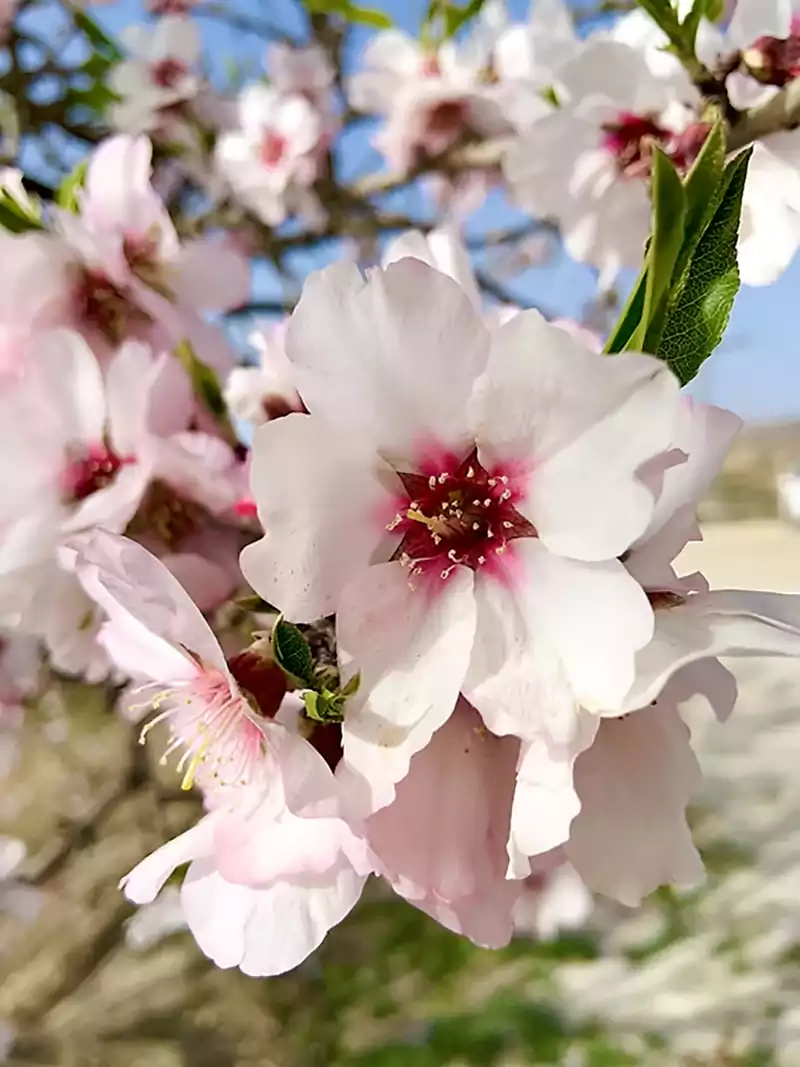 |
|
Aster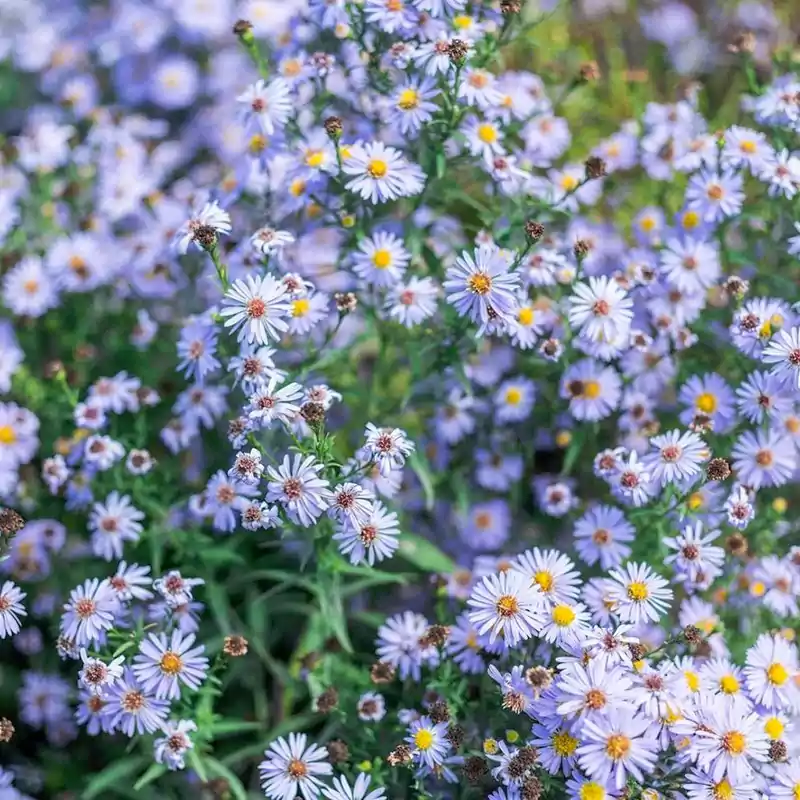 |
Aster is one of the two September birth flowers.) |
Allium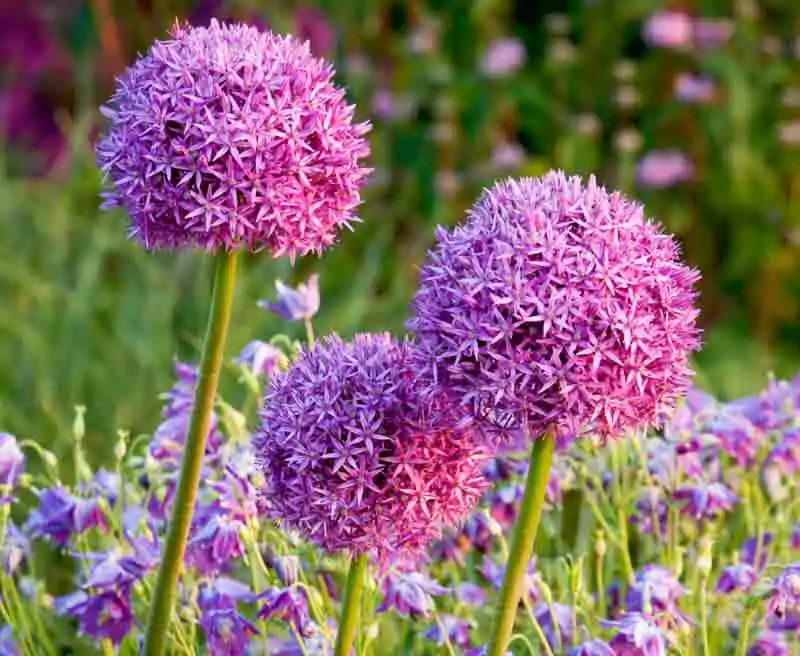 |
|
African Boxwood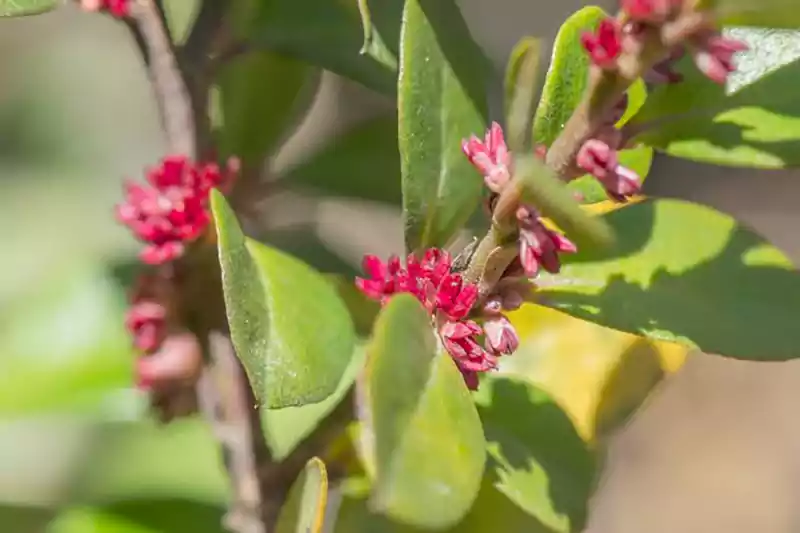 |
|
Anemone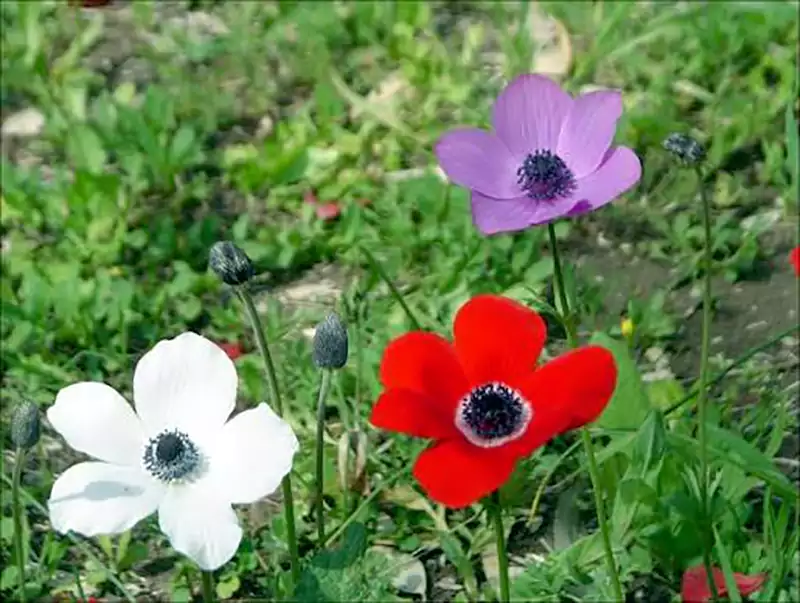 |
|
Ardisia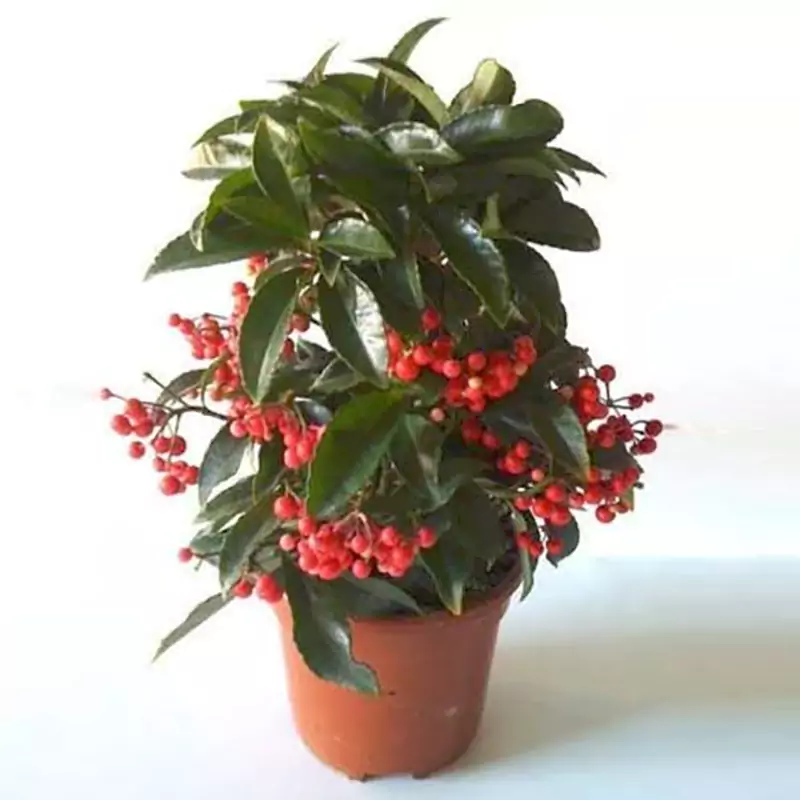 |
|
Apache Plume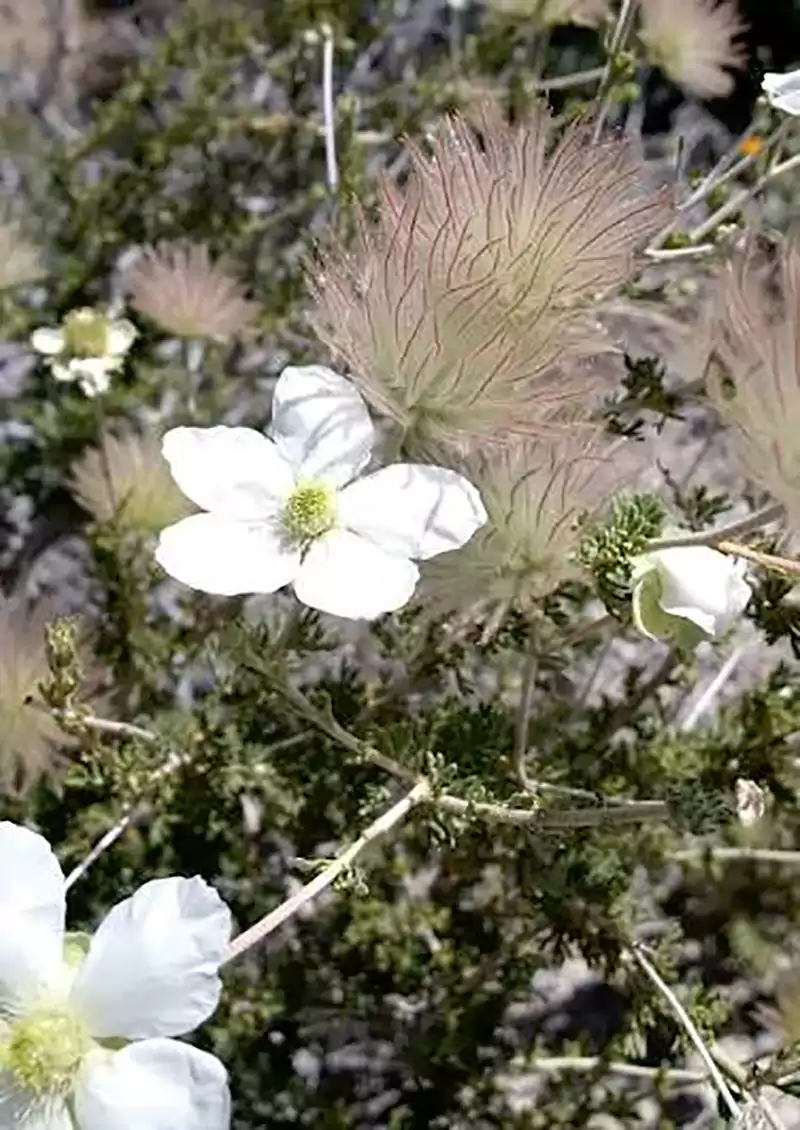 |
|
Read more: Areca Palm Guide: Taxonomy, Ideal Growing Conditions, Care Tips, & Much More
Conclusion
This article includes annuals, perennials, and flowering shrubs that can be planted both indoors and outdoors. Some are better for borders, and others are for indoor or outdoor bloom. Aster, African flame lily, Adam’s needle, Adder’s tongue, and ambrosia are a few flowers that begin with A and are not only aesthetically pleasing but are also pollinator-friendly and can be planted outdoors or at the borders for their vibrant hues to make it look more ornamental.
Furthermore, these flowers can also be arranged into a bouquet to gift your loved ones.
FAQs
What are the name of flowers that starts with A?
Which flowers start with A and are pollinator-friendly?
Flowers like ageratum, African flame lily, aster, and acanthus begin with A and are pollinator-friendly.
Which flower is also known as coralberry?
Ardisia is known as coralberry because of its red bloom. The flower is often used in Christmas decorations.
Latest Blog