Pink Paradise: 30 Beautiful Flowers to Embellish Every Garden
Author
Swati MishraLast Update
September 30, 2026
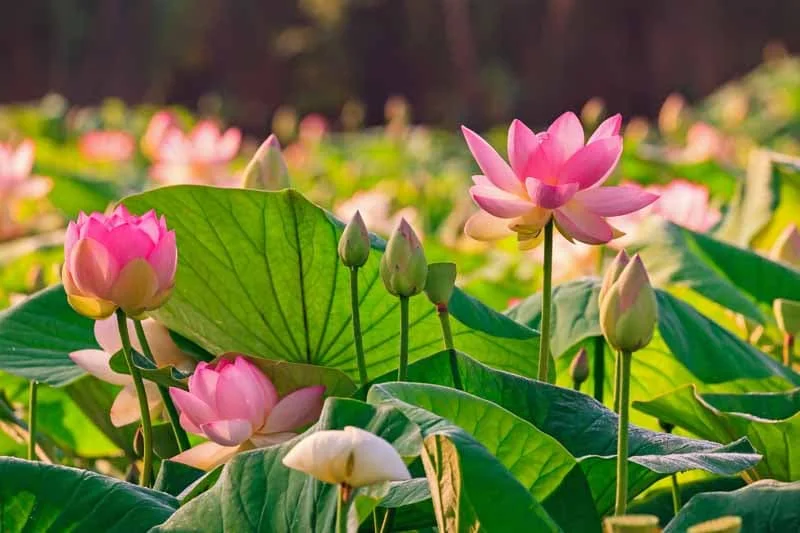
Timeless aesthetics lie within the domain of pink flowers due to their ability to project an aura of gentleness, romanticism, and happiness to all types of gardens. Whether a garden is a small balcony, a cottage-based open space, or a large area with lots of plants located in it, pink flowers can help make it attractive, stylish, and bright at the same time, as they can be used in a wide spectrum of colors, ranging from light pink to quite dark pink shades.
Representing a host of different flowers, like the dusty pink of the old peony, the bright pink color of the bougainvillea, and a soft pink blush of the wild cherry blossom, pink is the most versatile color among all.
In this guide, we will provide complete information about 30 different varieties of pink flowers suitable for all types of gardens (climbing plants, roses, perennial plants, exotic species). Each of the flowers has its own character, flowering period, and so on that allows customers to choose their own plant types.
30 Most Enchanting Pink Flowers to Uplift Your Garden
We have curated a list of 30 most enchanting pink flowers to make your garden aesthetic.
Pink Tulip (Tulipa spp.)
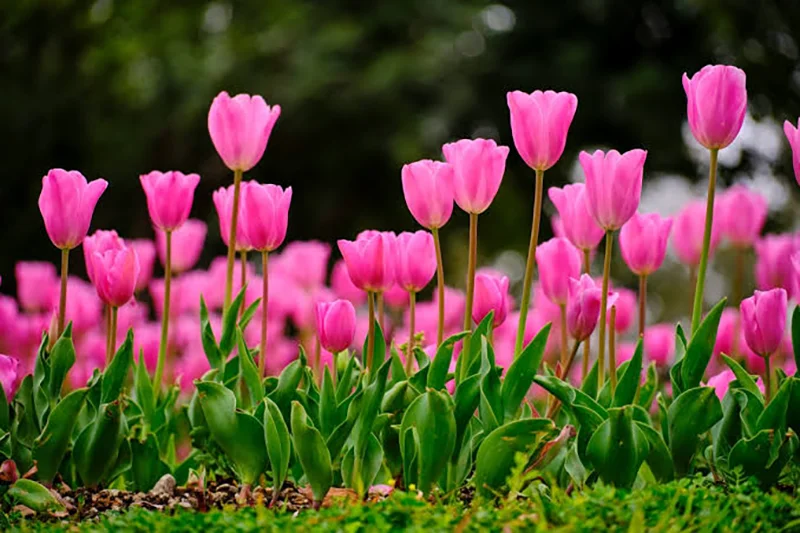
An architectural style of unparalleled beauty brings springtime alive with the discovery of tulips. The flower-shaped tulips bloom from an organic podium consisting of delicate petals on a rigid stem protruding just above its leafy habitat. Its color ranges from the gentle painting-like form of ‘Angelique’ to the vivid shades of ‘Pink Impression ‘. In order to maintain the beauty of pink tulips, it is recommended to plant them in autumn in a well-drained field since these flowers operate like spring treats before they die down and disappear from the view of their admirers.
Botanical Name: Tulipa gesneriana
USDA Zones: 3–8
Sun Exposure: Full sun
Preferred Soil: Sandy or loamy, well-drained soil
Bloom Time: Blooms in mid-spring.
Pink Cherry Blossom (Prunus serrulata)
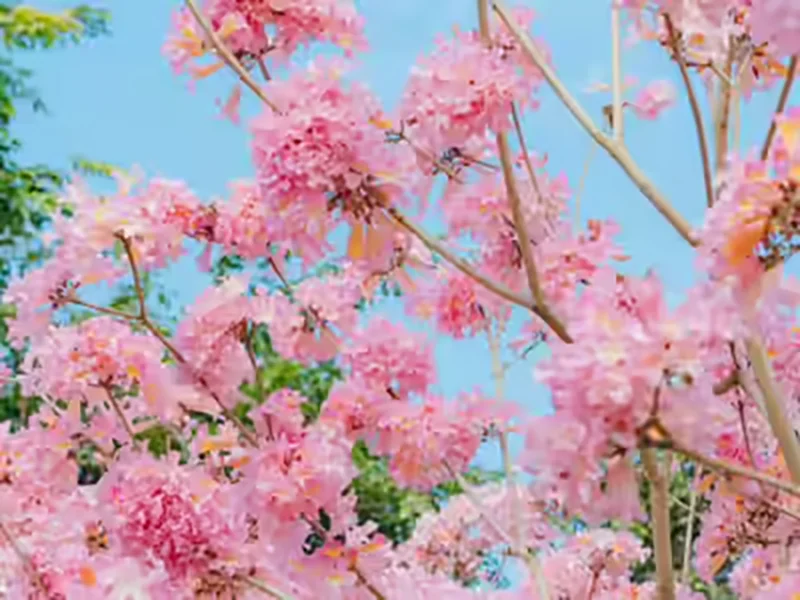
Only a few floral displays come close to the ephemeral beauty of cherry blossom, with their pretty pink petals covering the branches for a maximum of two weeks each spring before falling to the ground like snowflakes. In Japan, this short blooming season is celebrated as ‘hanami’, which means flower watching, and appreciating its beauty only because it does not last forever. Different types of cherry blooming trees range from white to deep pink, while double-flowering types like ‘Kanzan’ are more striking, with flowers having a more crowded look than those of single-flowering types.
Botanical Name: Prunus serrulata
USDA Zones: 5–8
Sun Exposure: Full sun
Preferred Soil: Well-drained but moist, slightly acidic soil
Bloom Time: Blooms in early spring.
Ranunculus
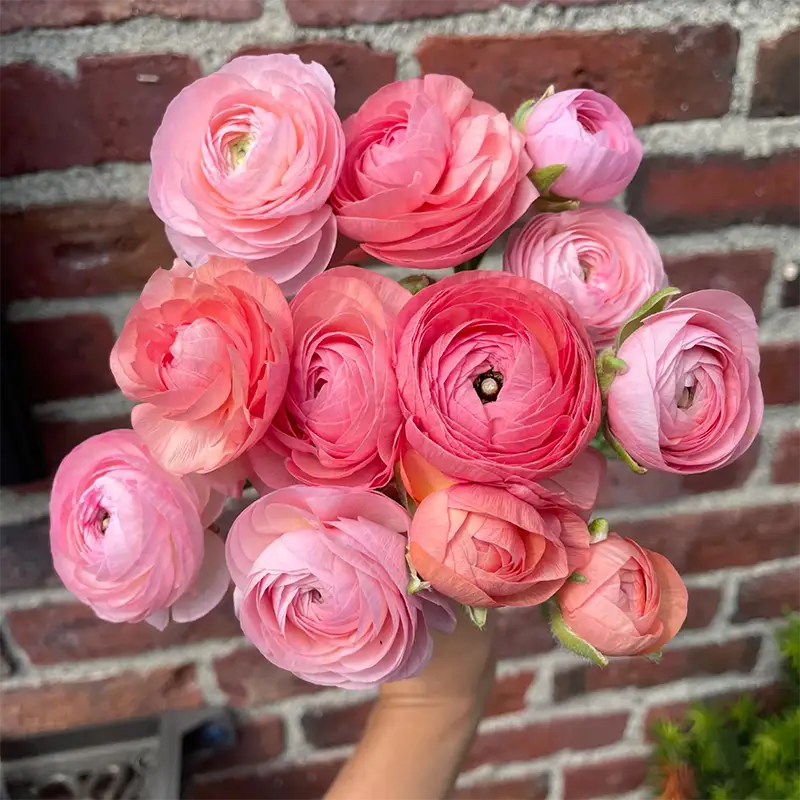
The Ranunculus flower is characterized by a very large number of translucent petals that constitute a single flower, sometimes reaching more than 100 petals. Many petals give the flower a very dense appearance, similar to that of a rose, which is the most popular flower among florists. Pink varieties of the Ranunculus flower exist in different shades, from very delicate pink to bright coral pink, with the petals reflecting light in different ways and giving the flower different depth and texture. The plants thrive in cool temperatures of early spring or, in warmer climates, in late winter and can last for 2 weeks.
Botanical Name: Tulipa gesneriana
USDA Zones: 3–8
Sun Exposure: Full sun
Preferred Soil: Sandy or loamy, well-drained soil •
Bloom Time: Blooms in mid-spring.
Anemone
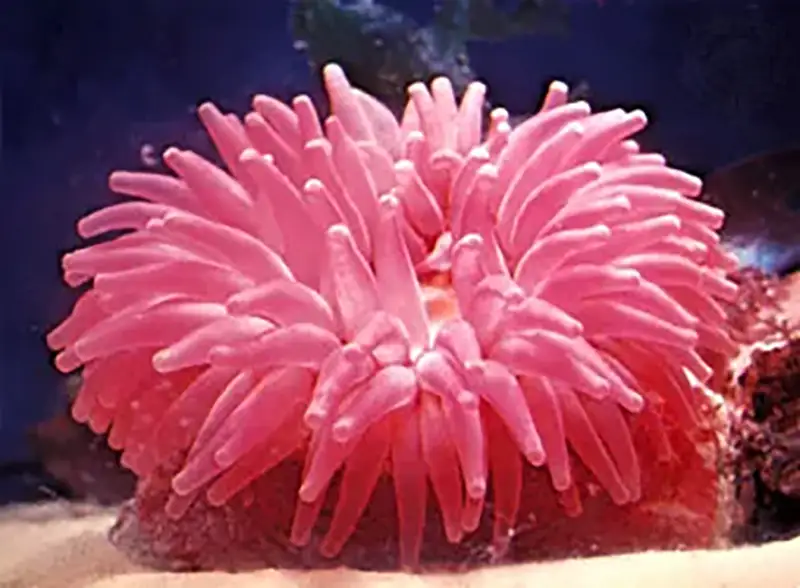
Anemones are truly simplistic yet elegant flowers. They bloom and form magnificent flowerheads resembling poppies with silky petals arranged in a circular pattern. Each flower head has a lovely center formed by dark yet colorful stamens. Pink anemones, for example, varieties such as ‘St. Brigid and ‘De Caen’ create more contrast between their soft petals and their dark centers. Moreover, the flowers tend to open in the cold season and can grow best in a mild level of climate. Anemones grow from tubers and can be found with a unique shape.
Botanical Name: Anemone hupehensis
USDA Zones: 4–8
Sun Exposure: Partial sun to full sun in cold weather.
Preferred Soil: Fertile, well-drained, moist soil
Bloom Time: Blooms in late summer.
Also read: Hyssop Flower: How to Grow This Ancient Herbal Flower?
Pink Camellia (Camellia japonica)
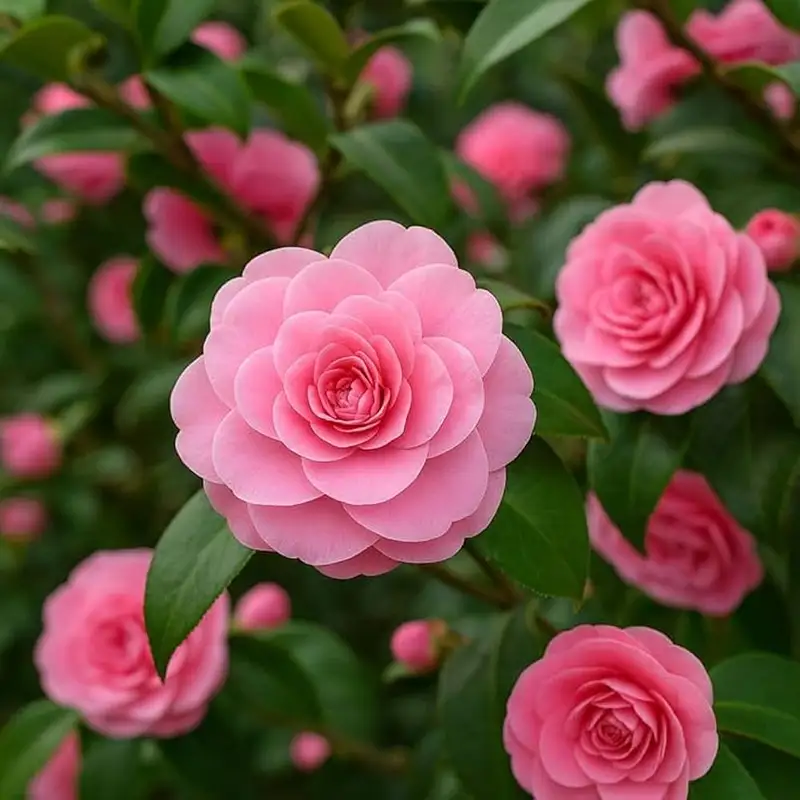
The camellia with lustrous, evergreen leaves and flowers resembling roses blooms in mid-winter and brings colors to the garden when it is covered in snow. Rose camellias present a wide spectrum of shades, from light, almost transparent shades of rose to deep and bright colors of rose with their petals resembling wax. Camellias are rather specific plants as they prosper in partial shade and acidic soil that also has a good drainage system. Moreover, they grow rather slowly, and thus one camellia shrub can keep providing the garden with shade.
Botanical Name: Camellia japonica
USDA Zones: 7–10
Sun Exposure: Partial shade to full sun
Preferred Soil: Slightly acidic and humus-rich soil
Bloom Time: Blooms start in Winter ends in the spring season
Pink Roses
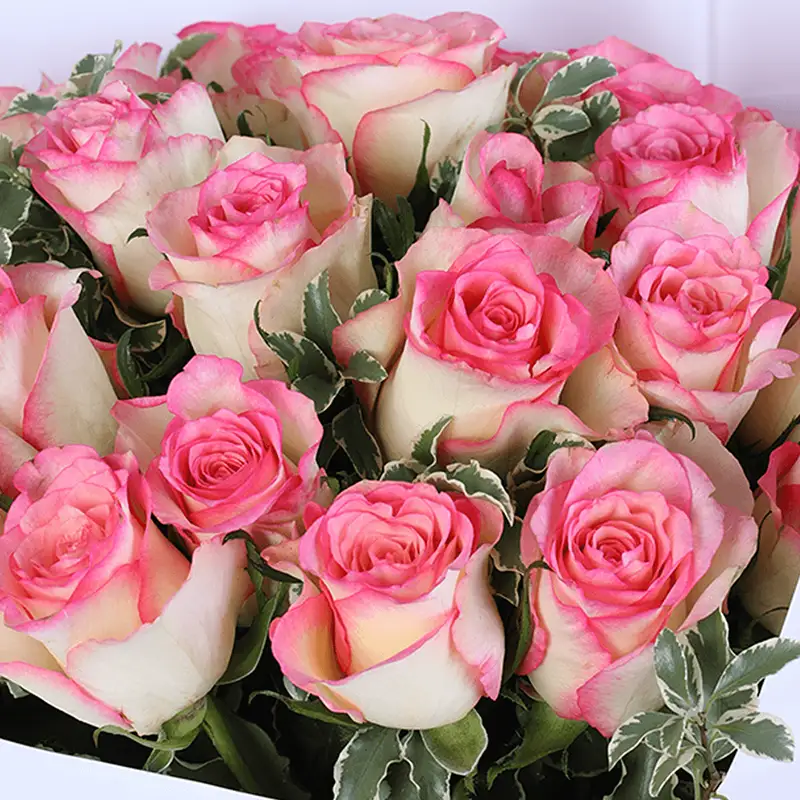
The rose is synonymous with romance; of all types of roses, pink roses are perhaps the most appreciated. Pink rose varieties range from delicate ‘Queen Elizabeth’ to bright ‘Bonica,’ and they cover a wide variety of colors and forms. The fragrant smell of roses, which is defined as the smell of romance, gives them the advantage of becoming beautiful flowers with a thorny stem. Additionally, these roses are grown in sun and in well-drained soil, and regular trimming is a key to their regular blooming process.
Botanical Name: Rosa spp
USDA Zones: 4–10
Sun Exposure: Full sun
Preferred Soil: Loamy, fertile, and well-drained soil
Bloom Time: Blooms throughout the spring season
Also read: Hyssop Flower: How to Grow This Ancient Herbal Flower?
Dahlia
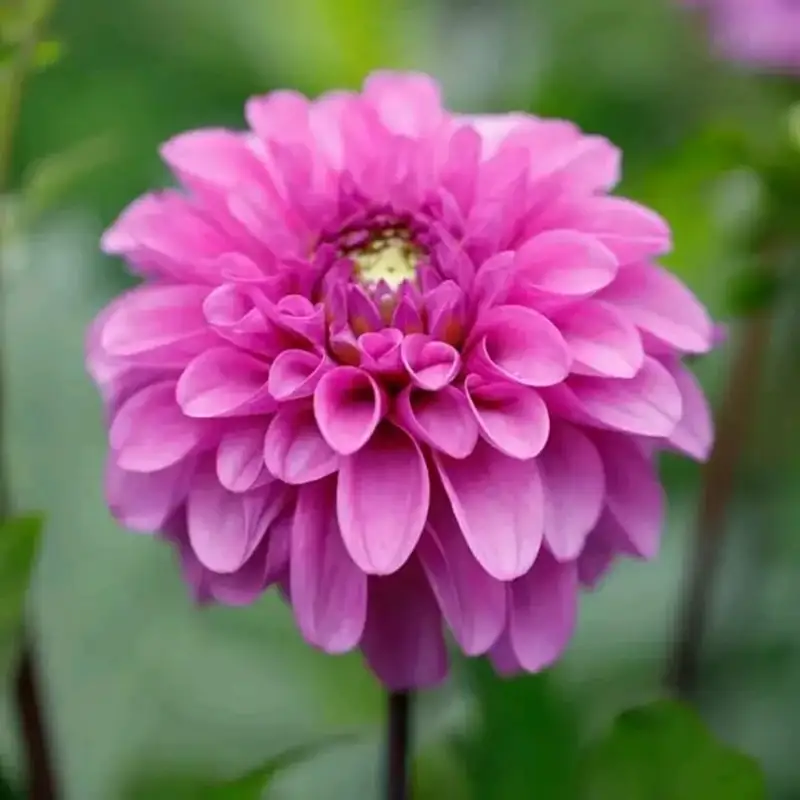
The dahlia bloom has a prominent position among pink flowers, producing flowers as big as dinner plates and available in different shapes, from perfectly round pom-pom blooms to sweetly frilled types. Pink dahlias show a wide range of flowering patterns and colors, such as candy-floss pink or coralline pink with stripes and dark tips. Dahlias originated in Mexico and are known to grow from tubers, which in colder areas must be stored during winter, which can cause bad results in blooming but gives beautiful flowers to see during midsummer and many months after.
Botanical Name: Dahlia pinnata
USDA Zones: 8–11
Sun Exposure: Complete sun
Preferred Soil: Fertile and well-drained soil required
Bloom Time: Starts blooming in mid summer ends in the winter season
Chrysanthemums
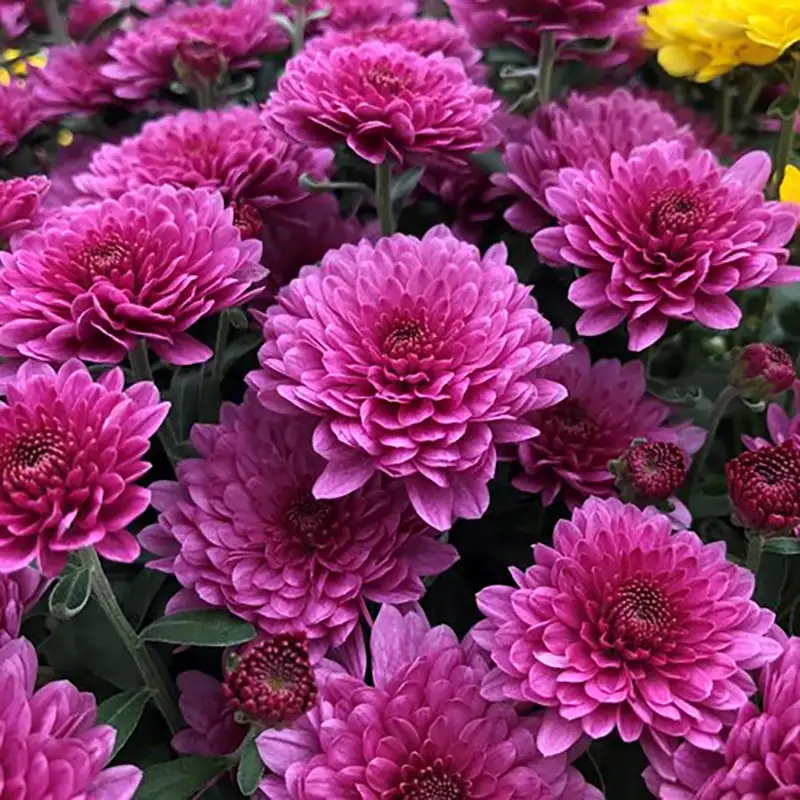
Chrysanthemums, also called “mums,” are one of the very few flowers that bloom in pink during the time when most flowers fade away. Their plump and densely packed flower heads make an amazing show in autumn. The shades of pink range from pale rose to bright fuchsia, and the flower shape is different. Chrysanthemums have been cultivated in China for more than 2,000 years, and they play an important role in culture in East Asia as a symbol of longevity and nobility. Their late blooming and amazing ability to withstand cold make them necessary for the garden in winter.
Botanical Name: Chrysanthemum & Morifolium
USDA Zones: 5–9
Sun Exposure: Full Sun
Preferred Soil: Moist, well-drained but fertile soil required
Bloom Time: Blooms in Late summer season
Also read: 15 Beautiful Hawaiian Flowers and Their Unique Features
Pink Geranium
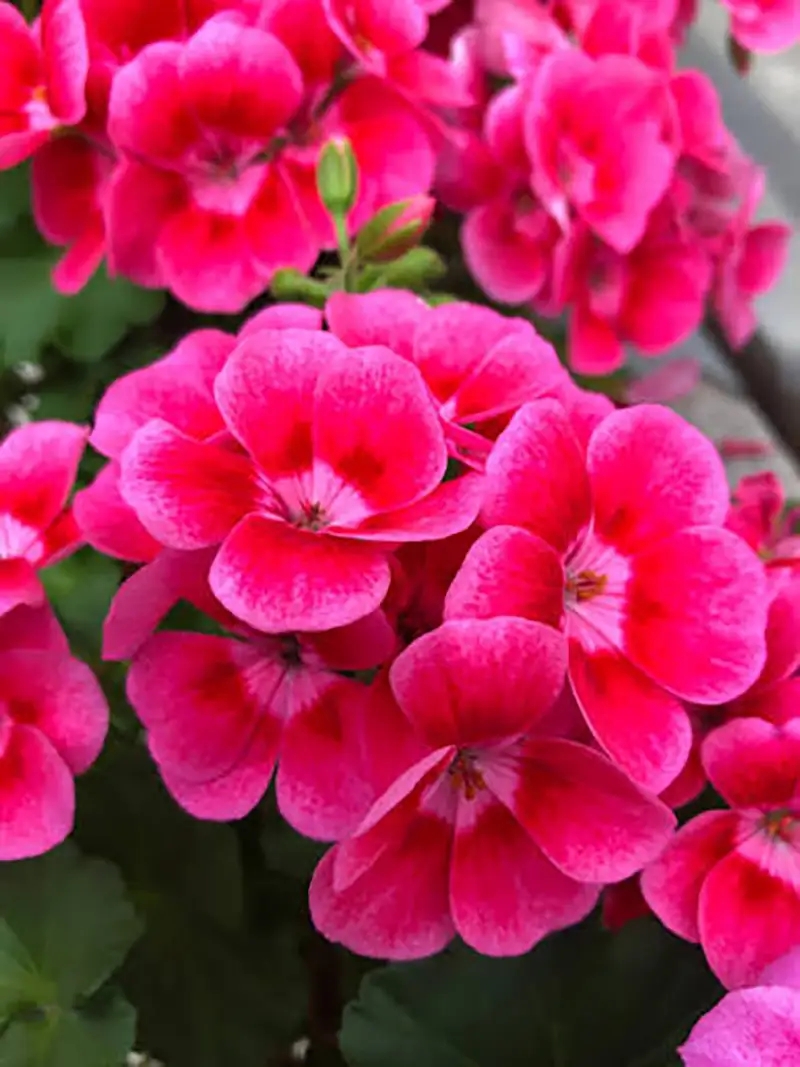
Pelargonium, often called garden geraniums, will bring round clusters of flowers above serrated and sometimes fragrant foliage that exudes an aromatic scent when touched. The shades of pink in geraniums vary from pale soft rose to bright pink to neon, and their constant blooming during the summer scorching sun has made them the top choice for being put in window boxes and terracotta containers in Mediterranean regions. Once settled in, geraniums don’t require water as other bedding species may do. Their ancient charm and easy handling have made them popular among gardeners for more than a century.
Botanical Name: Pelargonium and hortorum
USDA Zones: 9–12
Sun Exposure: Partial shade to full sun
Preferred Soil: Potting mix, well-drained garden soils
Bloom Time: Blooms in the spring season
Cosmos
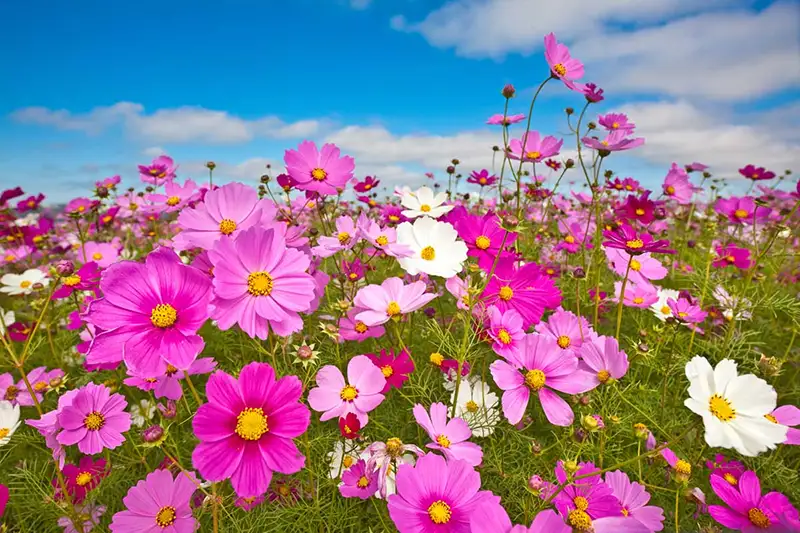
The cultivation of Cosmos plants is an easy way to bring beauty into the garden. Cosmos plants feature slender stems and beautiful flowers that sit gracefully on top. Species with pink flowers are available in different pink shades, starting from light pink colors and ending with dark magenta hues. Cosmos plants can be grown successfully even in poor and dry soil, as they are very adaptable. Due to their attractiveness to butterflies and beneficial insects, Cosmos plants play an important role in the ecology of the area as well.
Botanical Name: Cosmos bipinnatus
USDA Zones: 2–11
Sun Exposure: Full to Partial sun
Preferred Soil: Moist but well-drained soils
Bloom Time: Blooms in the summer to fall season
Also read: 15 Beautiful Hawaiian Flowers and Their Unique Features
Pink Carnation
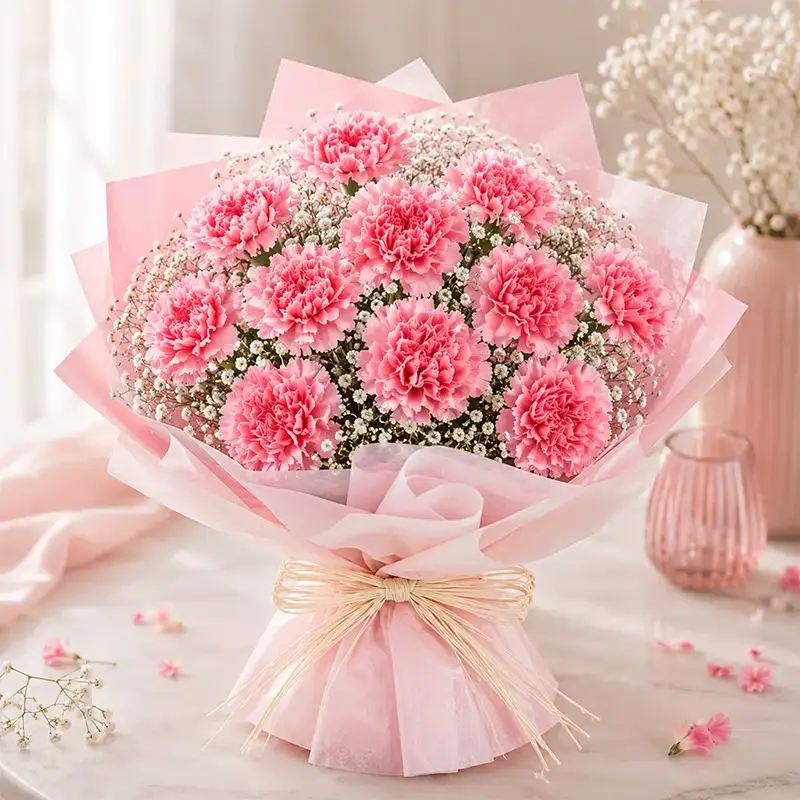
Pink carnations have been one of the most popular pink flowers for two millennia, and they are loved for their frilly flowers and their long-lasting effectiveness as a cut flower. Pink carnations have specific meanings of love and devotion, which is why they are considered a classic choice for Mother’s Day arrangements all around the world. The flowers are quite effective in the vase as they can retain their fresh look for a period of two to three weeks, provided the flowers are taken good care of. A special feature of carnations is their ability to adapt to various temperature conditions, withstand cold weather, and endure frosts better than many other varieties of flowers.
Botanical Name: Dianthus caryophyllus
USDA Zones: 6–9
Sun Exposure: Complete Sun
Preferred Soil: Well-drained, moist, and fertile soil required
Bloom Time: Bloom starts from late spring and ends in the summer season
Azalea
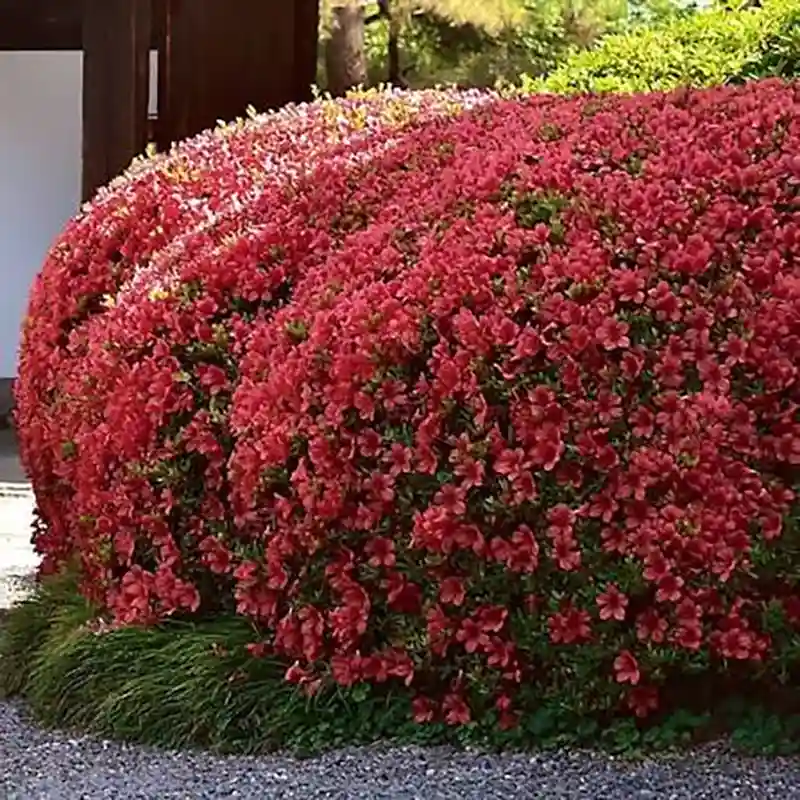
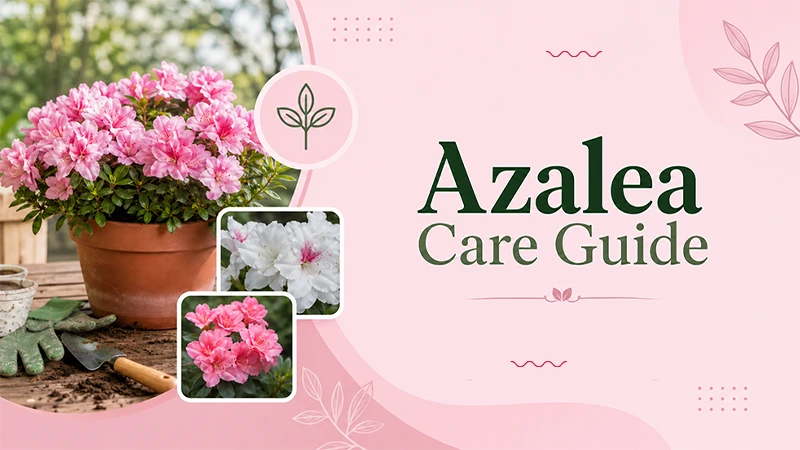
Azalea plants bloom in spring so abundantly that their green leaves hardly show through a multitude of flowers that take the shape of trumpets. The pink types can vary in color from a very light pink tint to bright and even fluorescent pink with spots or the inner throat of a contrasting color that can give even more volume to the flowers. Azaleas belong to the family of rhododendrons, and they prefer acidic and non-wet soil and the light of forests since they have been popular in both cottage gardens in the West and Japanese gardens for ages. Their small size is also beneficial for planting along the foundations and around the shady corners.
Botanical Name: Rhododendron indicum
USDA Zones: 6–9
Sun Exposure: Shaded area
Preferred Soil: Slightly acidic and well-drained soil
Bloom Time: Blooms from mid to late spring
Also read: Hyssop Flower: How to Grow This Ancient Herbal Flower?
Zinnia
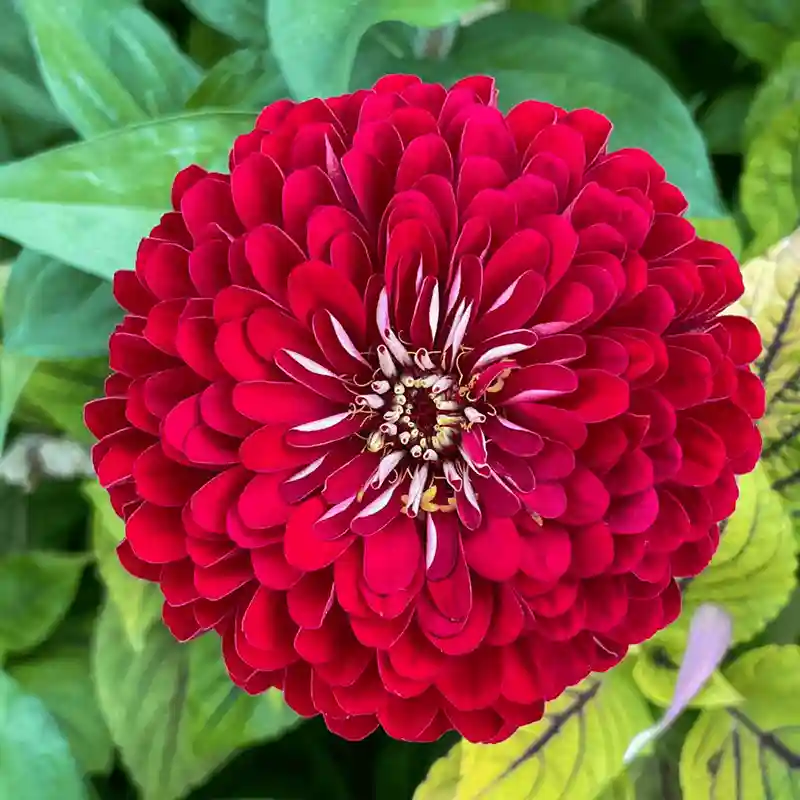
Zinnias are sure to evoke a feeling of strong joy because of the thick and brightly-colored flowers forming a pattern of round shapes. Pink zinnias are even better in terms of the number of blooms they have, as they can produce flowers continuously from summer till the first hard frost, which is what makes them the best option for cutting gardens.
Originated from Maxico Zinnias doesn’t require too much water after they are introduced to growing conditions. Since their buds withstand the severe rays of the sun, their sturdiness makes them a plant of choice both for amateur and professional florists.
Botanical Name: Zinnia elegans
USDA Zones: 2–11
Sun Exposure: Complete Sun
Preferred Soil: Moist and fertile soil
Bloom Time: Blooms from Summer to Snowfall season
Petunia
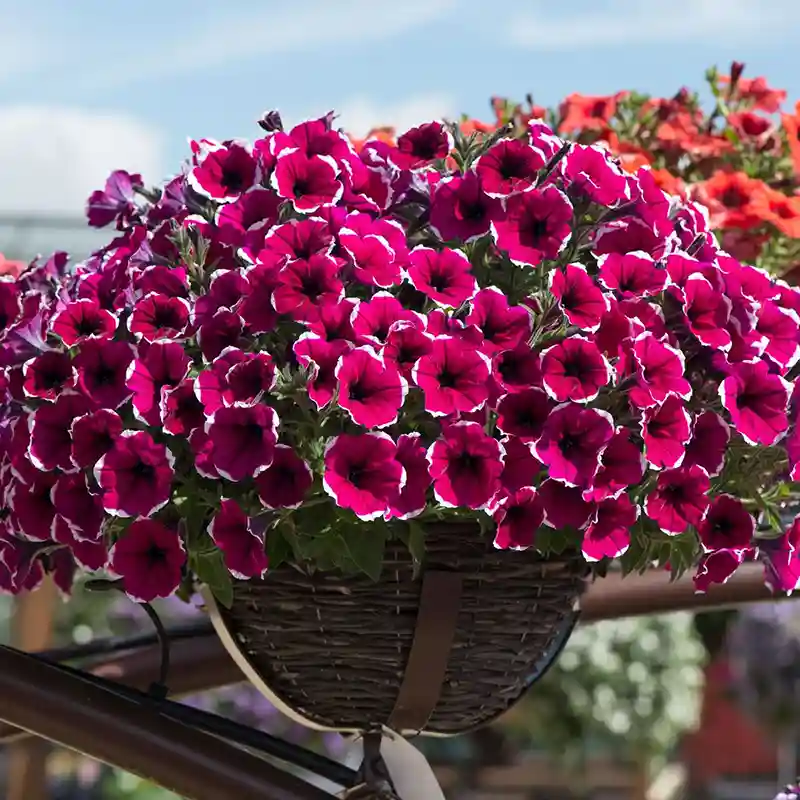
Petunias are truly the heavy-duty plants for summer pinks, spilling abundantly from the containers and with the results that very few other bedding plants can produce. Their trumpet-shaped flowers can be seen in various colors ranging from delicate light pink to rich dark magenta. They bloom all summer continuously, with particular focus on the latest wave. Their low-growing and wide-spreading nature makes them a great and easy addition to the garden, giving the gardener maximum impact with minimum effort.
Botanical Name: Petunia and Atkinsiana
USDA Zones: 9–11
Sun Exposure: Complete Sun
Preferred Soil: Mildly fertile while well-drained
Bloom Time: Blooms in the spring season to Winter
Also read: Hyssop Flower: How to Grow This Ancient Herbal Flower?
Hydrangea
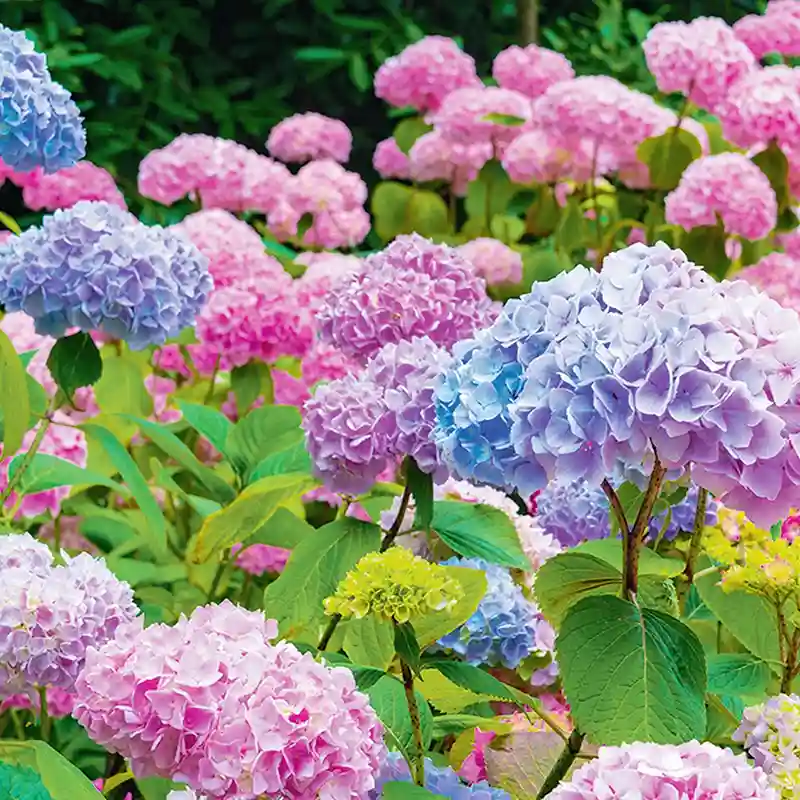
Hydrangeas create stunning flower arrangements in the garden, with large clusters of mophead or lacecap blooms enough to attract attention to the entire plant. Pink hydrangeas are known for their interesting ability to alter their colors based on the pH of the soil, as alkaline soil yields pink flowers while acidic soil results in blue blooms. This property enables gardeners to modify the color of their hydrangeas by simply changing the acidity of the soil. Hydrangeas prefer shady spots and moist ground, and after blooming, the large flowers continue to look beautiful in autumn and winter.
Botanical Name: Hydrangea macrophylla
USDA Zones: 5–9
Sun Exposure: Morning mild to bright sun
Preferred Soil: Rich in organics, well-drained and moist soil
Bloom Time: Blooms from Summer to early fall.
Pink Snapdragon (Antirrhinum majus)
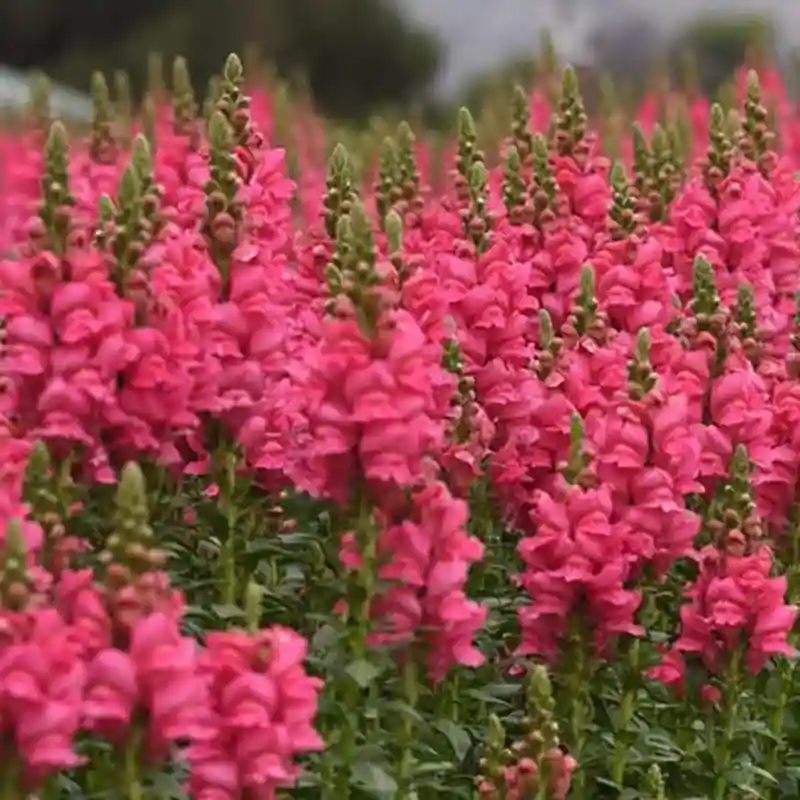
Pink snapdragons are vertical spikes covered in flowers that resemble dragons. Because of this unique touch, they are enjoyable for children to pinch and squeeze. In addition, they provide height to garden borders and have special features of hinged flowers and are capable of thriving in cold weather.
Botanical Name: Antirrhinum majus
USDA Zones: 7–10
Sun Exposure: Full sun
Preferred Soil: well-drained but fertile soil
Bloom Time: blooms in the spring season
Also read: Hyssop Flower: How to Grow This Ancient Herbal Flower?
Pink Hibiscus (Hibiscus rosa-sinensis)
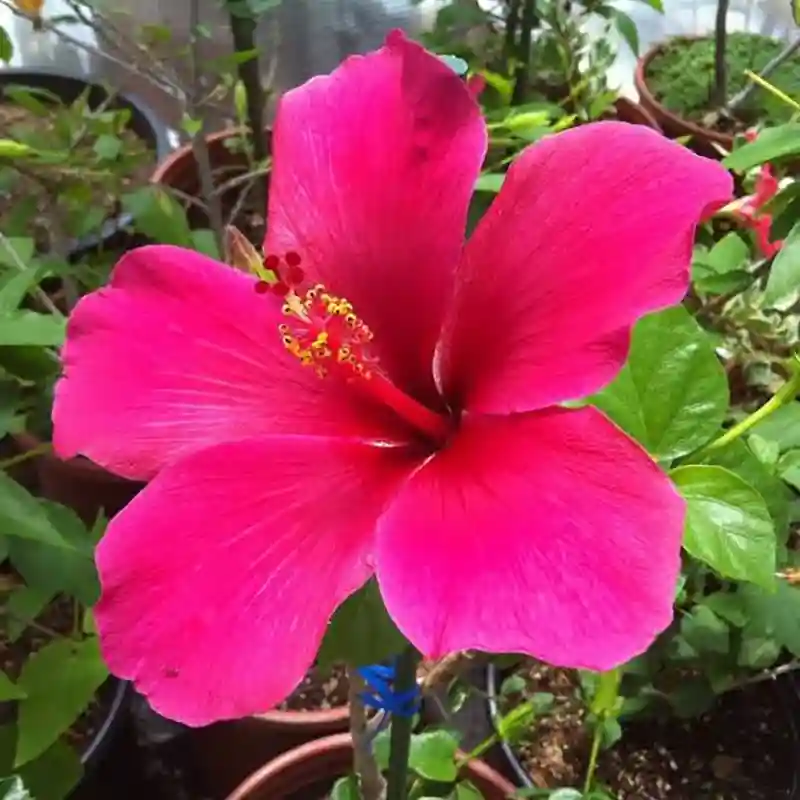
Hibiscus blooms create an unmistakable tropical spectacle in the garden with their large trumpet-shaped blooms and their long-showing stamens. Pink hardy hibiscus is one foot dieamter flower, which is the largest in the perennials. While tropical hibiscus brings forth not as large but equally colorful flowers, in a mild climate. Most of the pink hibiscus flowers comprise a dark red or maroon eye right in the middle, which contributes greatly to its overall visual appeal. Each bloom lasts just one day while it flourishes in groups.
Botanical Name: Hibiscus rosa-sinensis
USDA Zones: 9–11
Sun Exposure: Full sun
Preferred Soil: Moist, & well-drained soil
Bloom Time: Blooms in spring and fall season
Also read: 15 Beautiful Hawaiian Flowers and Their Unique Features
Pink Foxglove (Digitalis purpurea)
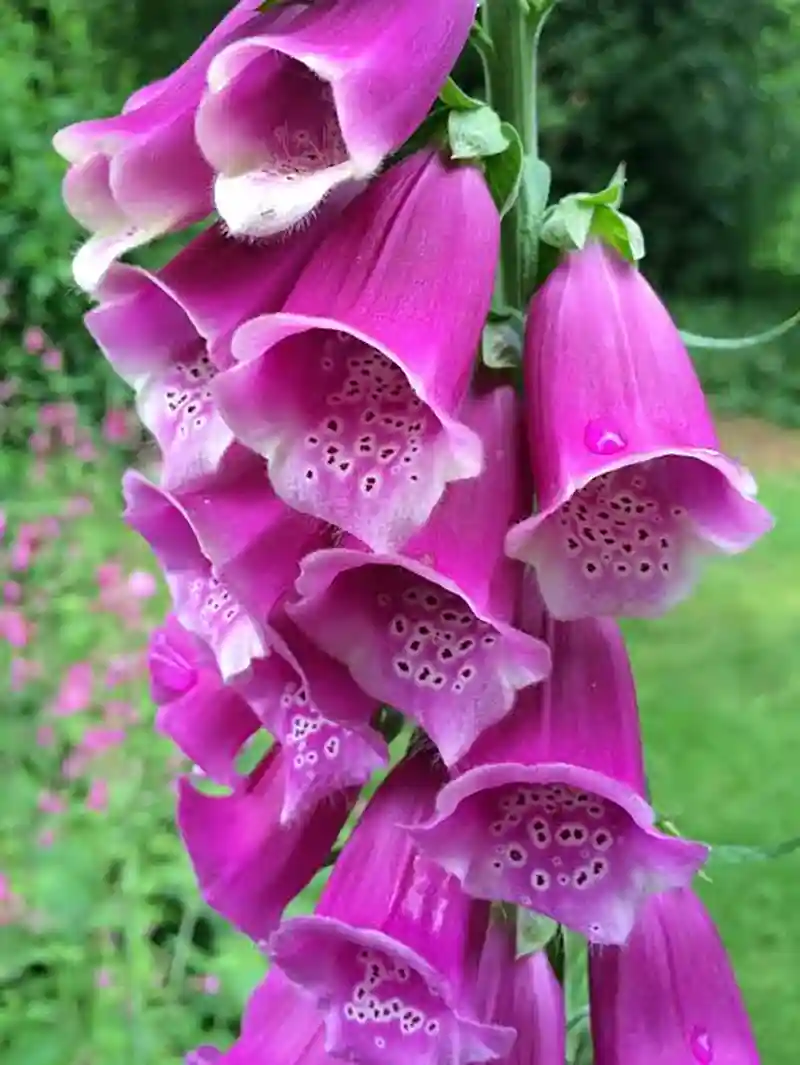
Foxgloves can create surprising vertical interest due to the tall, elongate floral structures that are densely loaded with thick, bell-shaped flowers that bloom from the bottom to the top part. Pink varieties can develop beautiful speckle patterns on the interior of each flower, allowing pollinating bees to find the nectar easily. This species can thrive well in an area with partial shade and can self-seed in the ground very easily, becoming an unexpected gift in a corner of the garden. Although interesting to look at, these plants are poisonous since all parts of the plant are toxic when consumed.
Botanical Name: Digitalis purpurea
USDA Zones: 4–9
Sun Exposure: Partial shade to full sun
Preferred Soil: Rich, moist, and well-drained soil
Bloom Time: blooms in early summer to late spring
Stargazer Lily
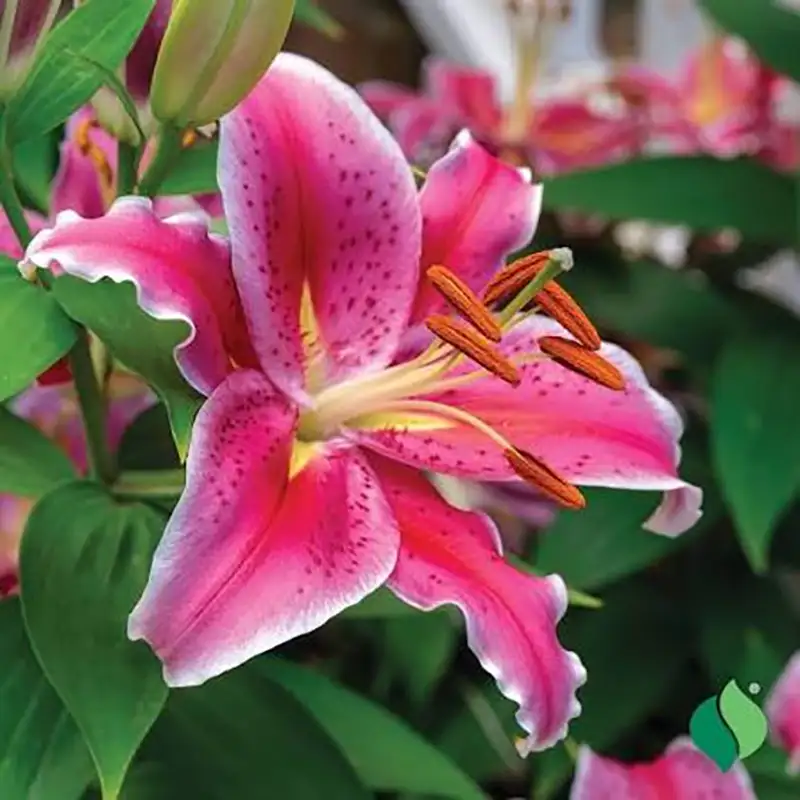
The Stargazer oriental lily has distinguishable large flowers which are inclined upwards in dark pink color with white rims and colored with crimson dots. Stargazer lily blooms upwards and acquired its name due to its blooming style. The scent of the flower is characterized by a sweet and strangely far-reaching aroma; only one is enough to spread aroma in a room. Hence, the flower is popular in flower arrangements despite its tendency to leave marks of pollen on the textiles. The growth of star lilies occurs from bulbs.
Botanical Name: Nymphaea alba
USDA Zones: 4–11
Sun Exposure: Full sun
Preffred Soil : Aquatic plant that requires heavy clay soil
Bloom Time: Blooms in early fall season to late spring.
Also read: 15 Beautiful Hawaiian Flowers and Their Unique Features
Pink Hollyhock (Alcea rosea)
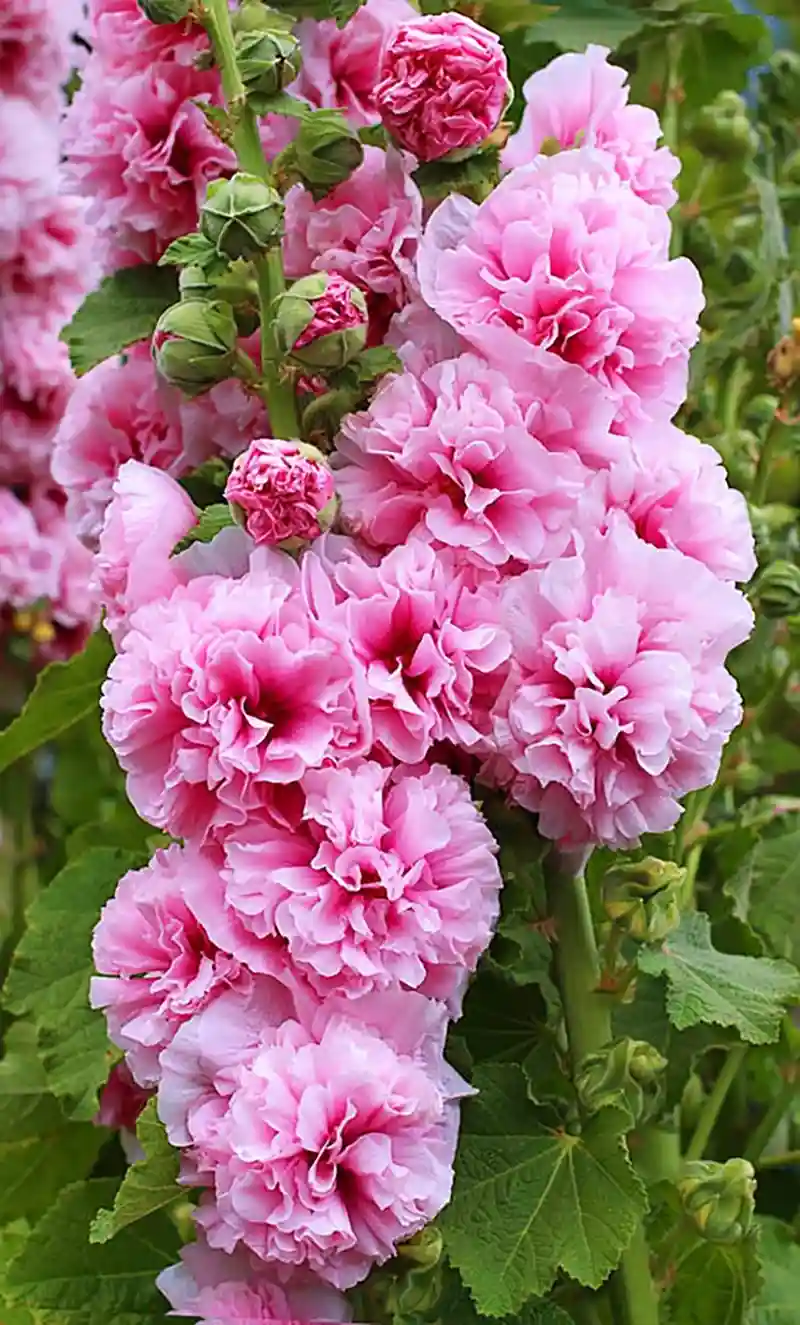
One of the most recognizable cottage garden flowers, Hollyhocks can reach the height of six feet or even more and are covered with large blooms from their height upwards starting from mid-summer and continuing until early autumn. Pale pink hollyhocks, resembling crepe paper, or double varieties known for their ruffly petals have been blooming in many gardens and yards for centuries. Besides their beauty, hollyhocks are also used in medicine and belong to the mallow family, with their texture being slightly soft and fuzzy and having lobed leaves.
Botanical Name: Alcea rosea
USDA Zones: 3–9
Sun Exposure: Complete Sun
Preferred Soil: Well-drained but mild fertile soil
Bloom Time: Blooms in Summer
Also read: 15 Beautiful Hawaiian Flowers and Their Unique Features
Pink Orchid (Phalaenopsis spp.)
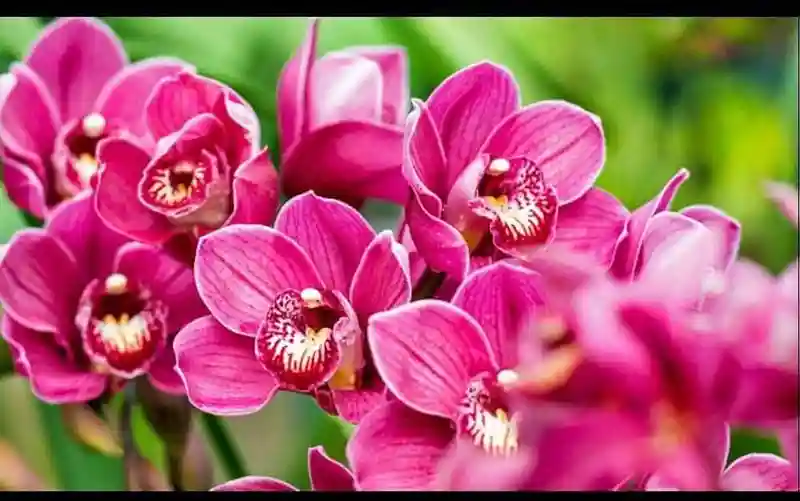
Orchids represent a unique category of plants that bring a sense of the exotic to patios, balconies, and interiors, and can last for months on one stem. Pink Phalaenopsis, or moth orchids, are recognized for their flat symmetrical flowers that range from pale blush to dark purple, sometimes exhibiting delicate veins or spots. Orchids can be classified as epiphytes, as they grow connected to trees instead of in soil, absorbing moisture and nutrients through their special aerial roots. They therefore require a potting medium that consists of loose bark, rather than the usual potting mix.
Botanical Name: Phalaenopsis amabilis
USDA Zones: 10–12
Sun Exposure: Bright sun to partial shade
Preferred Soil: Well-drained and moist soil
Bloom Time: Blooming starts from winter and lasts for several months.
Also read: 15 Beautiful Hawaiian Flowers and Their Unique Features
The Bleeding Heart
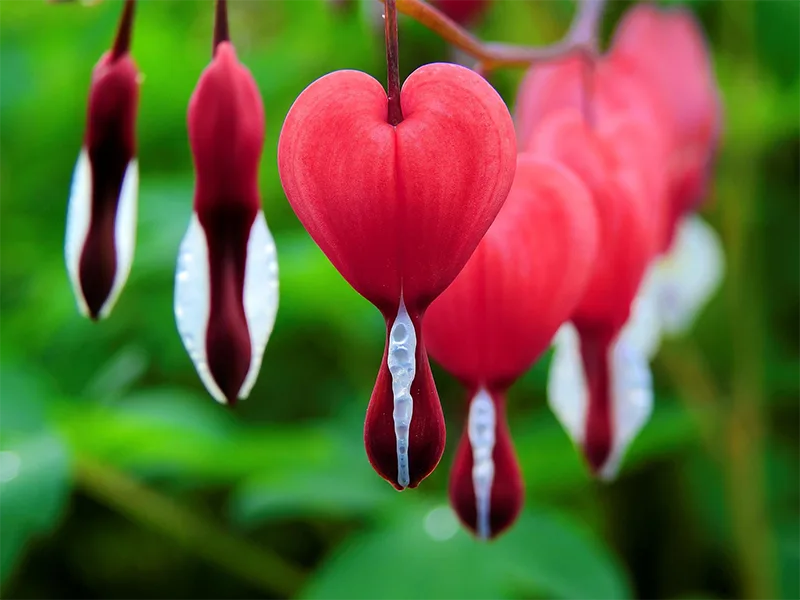
The Bleeding Heart flower is undoubtedly one of the most unusual flowers found in nature, with its peculiar heart-shaped blooms, arranged in a series of pendants hanging from a stem. It seems captivating in its pink version, as it has an inner white petal that gives the appearance of drops falling below. Originating from the woodlands in Asia, it is quite a fascinating plant that usually blooms early in spring and dies back towards midsummer, making it perfect for planting in the garden.
Botanical Name: Lamprocapnos spectabilis, commonly Dicentra spectabilis
USDA Zones: 3–9
Sun Exposure: Complete shade to partial sun
Preferred Soil: Humus soil that is well-drained but moist
Bloom Time: Blooms start from the spring to the summer season
Sweet Pea
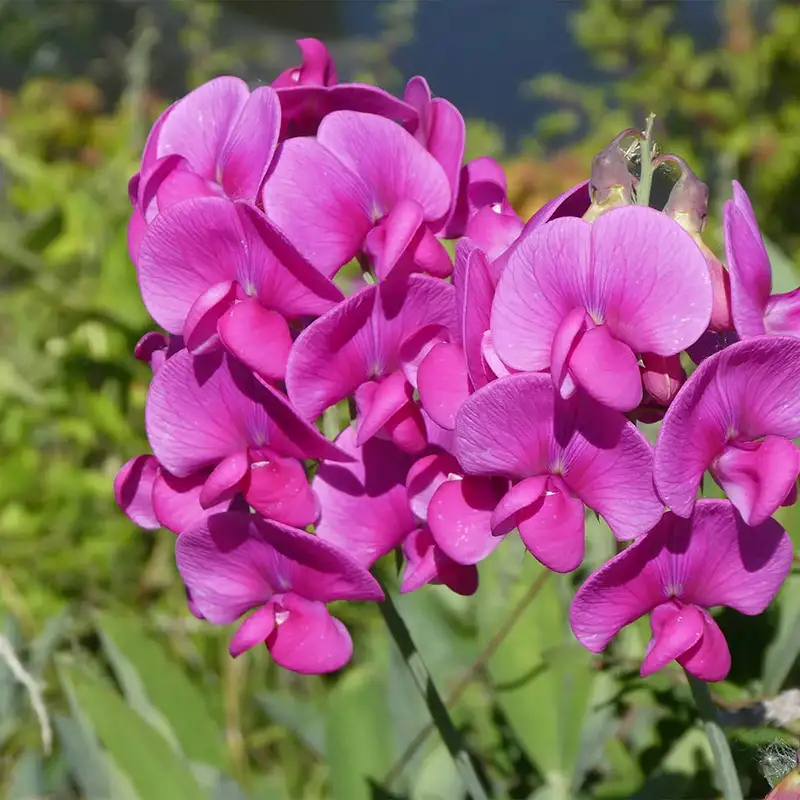
Sweet peas grow on slender vines and produce lovely flowers that create one of the most pleasant fragrances. It boasts lovely pink shades that can range from translucent light pink to dark rose. These plants were first bred in England in the Victorian era. Sweet peas are still popular till now, as they can smell wonderful and charm people with colors. The flowers are usually grown in spring when temperatures are cool, and picking actually encourages the growth of new flowers.
Botanical Name: Lathyrus odoratus
USDA Zones: 2–11
Sun Exposure: Full sun
Preferred Soil: Moist and well-drained soil
Bloom Time: Blooms from Spring to Early summer
Begonias
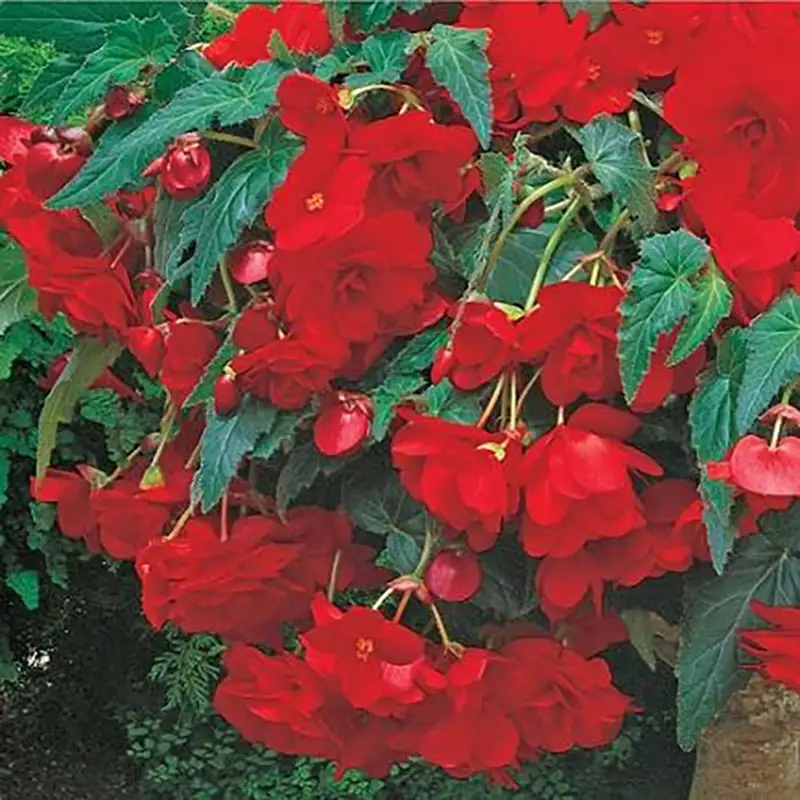
Begonias have a unique mix of pretty foliage and beautiful flowers. Some types are raised more for their striking leaves than for their flowers. Pink begonia varieties, such as the tuberous and wax begonia, bear bunches of flowers that look like shiny wax petals. As a rule, begonia species originate from tropical and subtropical countries that boost humidity and provide filtered light for these plants to thrive. Most modern landscape design includes begonias, which are easy to maintain as they bloom for a long time and keep pests away.
Botanical Name: Bougainvillea glabra
USDA Zones: 9–11
Sun Exposure: Full sun
Preferred Soil: Meagre and well-drained soil
Bloom Time: Blooms in warm climates
Impatiens
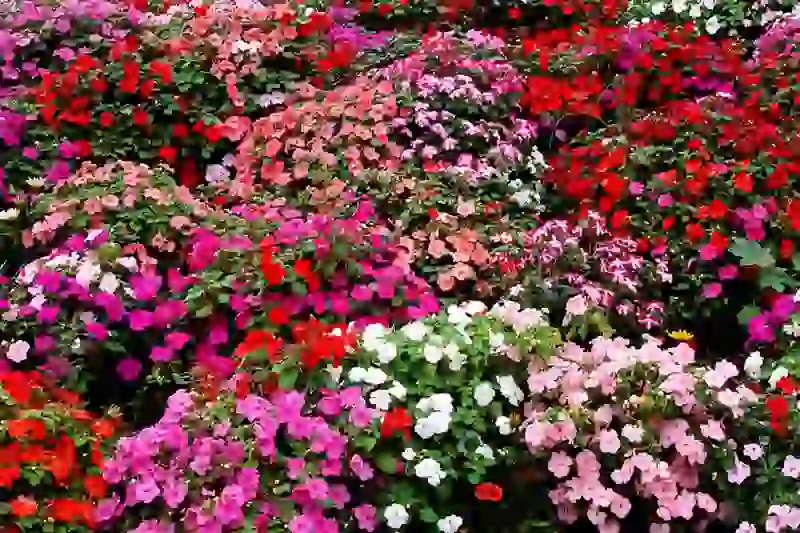
Impatiens are mostly used as bedding plants due to their exceptional tolerance to shady locations, which are generally considered unsuitable for producing colors in flowers. Pink impatiens bloom consistently throughout the spring season until the fall season arrives. The name impatiens is derived from the word that refers to their seed pods that generate seeds for a distance in case they are touched. Their compact shape and low maintenance requirements made them popular with gardeners using them for shaded borders and containerized situations across the globe.
Botanical Name: Impatiens walleriana
USDA Zones: 10–11
Sun Exposure: Complete shade to partial sun
Preferred Soil: Rich in organics, well-drained but moist soil
Bloom Time: Blooms from Late spring to the start of snowfall.
Garden geraniums (Pelargoniums)
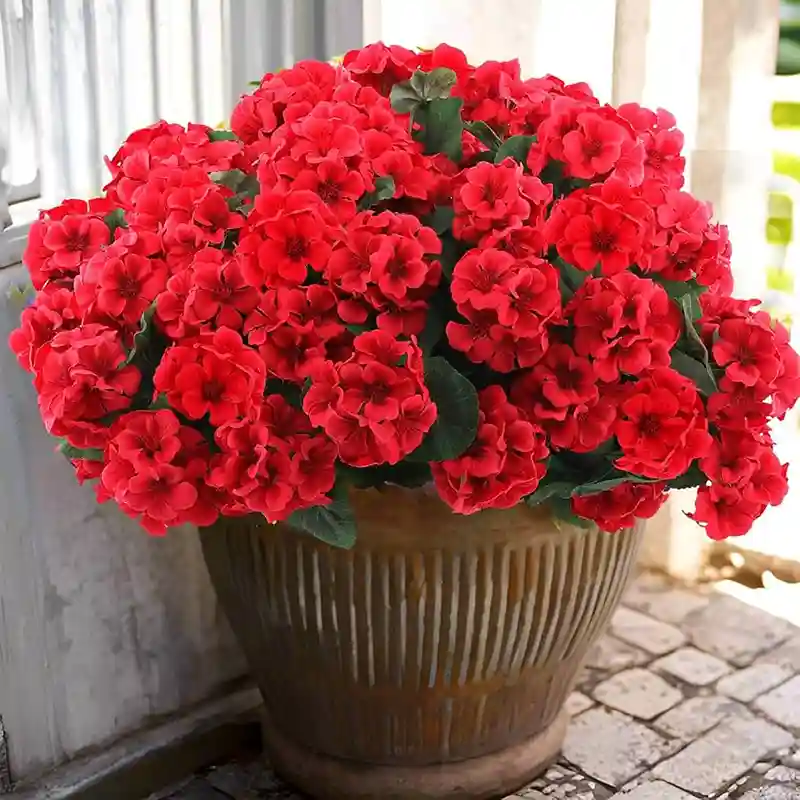
Garden geraniums, botanical name as pelargoniums, cultivate dense clusters of flowers positioned just above lobed, often fragrant leaves, which possess characteristic scents when they are squeezed or rubbed. The color of geranium flowers can vary from nearly white to bright pink, and their non-stop blooming in the middle of summer has made them popular flowers for planting in flower boxes and terracotta pots in many Mediterranean locations. It is drought-resistant and can grow in dry soils and should be watered less.
Botanical Name: Pelargonium and Hortorum
USDA Zones: 9–12
Sun Exposure: Partial shade to full sun
Preferred Soil: Potting mixed well drained soil
Bloom Time: Blooms throughout the spring season
Lisianthus
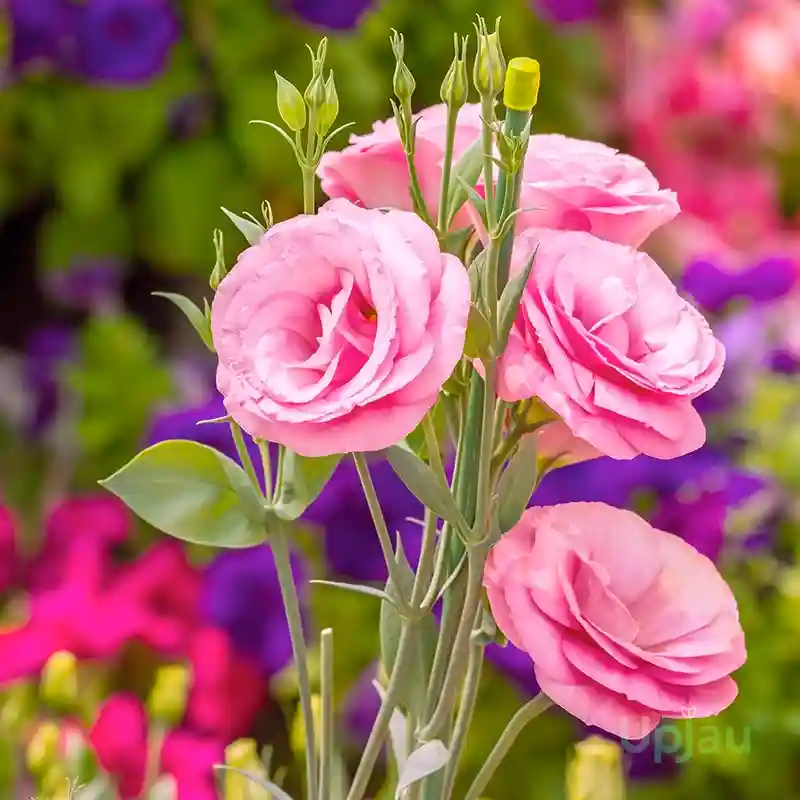
Lisianthus are characterized by their exceptional beauty and texture. They look very much like roses, which makes them very attractive to florists who work with wedding flowers and other decorative arrangements. Pink lisianthus flowers, whether simple or double blossoms, have a very delicate texture and a translucence that allows the flowers to shine. Native to the southern US and northern Mexico, lisianthus can take a long time to grow from a seed, but once they bloom, they can survive for up to three weeks.
Botanical Name: Eustoma grandiflorum
USDA Zones: 8–10
Sun Exposure: Partial shade to full sun
Preferred Soil: Well-drained and fertile soil containing moisture
Bloom Time: Blooms from Late spring to the beginning of summer
Magnolia
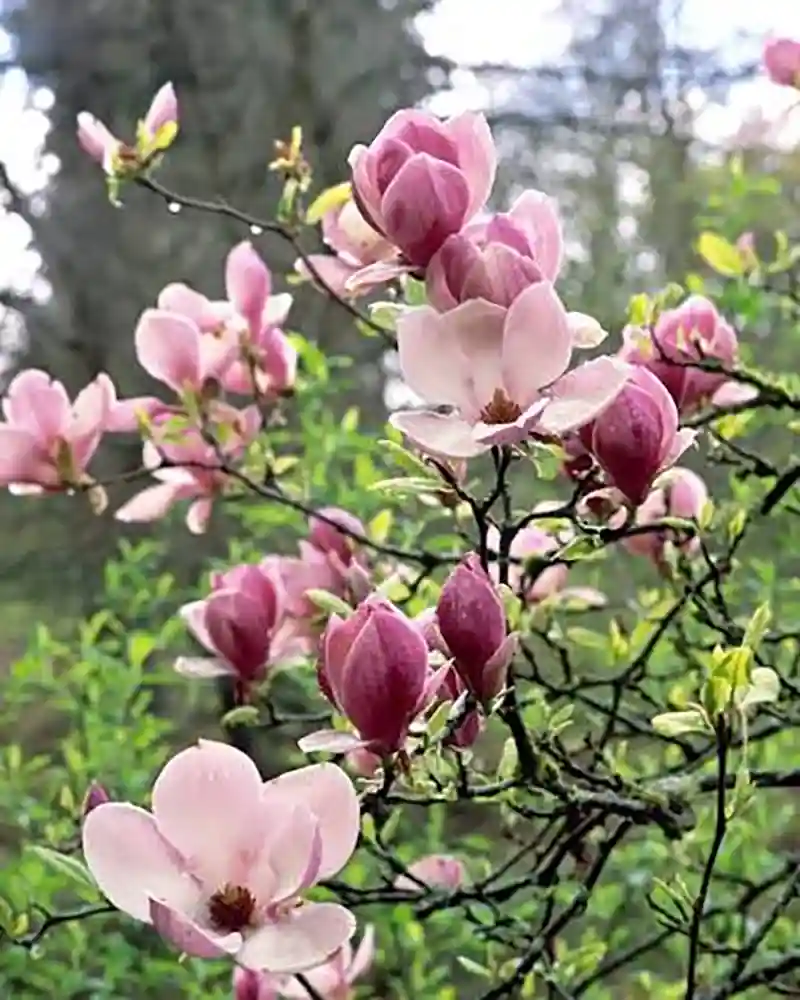
Magnolia trees are the most striking flowering plants; they bloom in spring in a distinctive goblet-like style while their branches are still bare. Pink-colored magnolias are a highly popular species; saucer magnolia open their flowers, which can reach over ten inches long. The thick, leathery petals of magnolias further vary in shades from deep rose at the base of the petals to light pink at their tips. Magnolias are one of the oldest flower families, and the methodical pollination implemented by beetles provided this tree with flowers highly resistant to beetles.
Botanical Name: Magnolia or Soulangeana
USDA Zones: 4–9
Sun Exposure: Partial shade to full sun
Preferred Soil: Slightly acidic and moist soil
Bloom Time: Blooms in early spring.
Pink Bougainvillea (Bougainvillea spp)
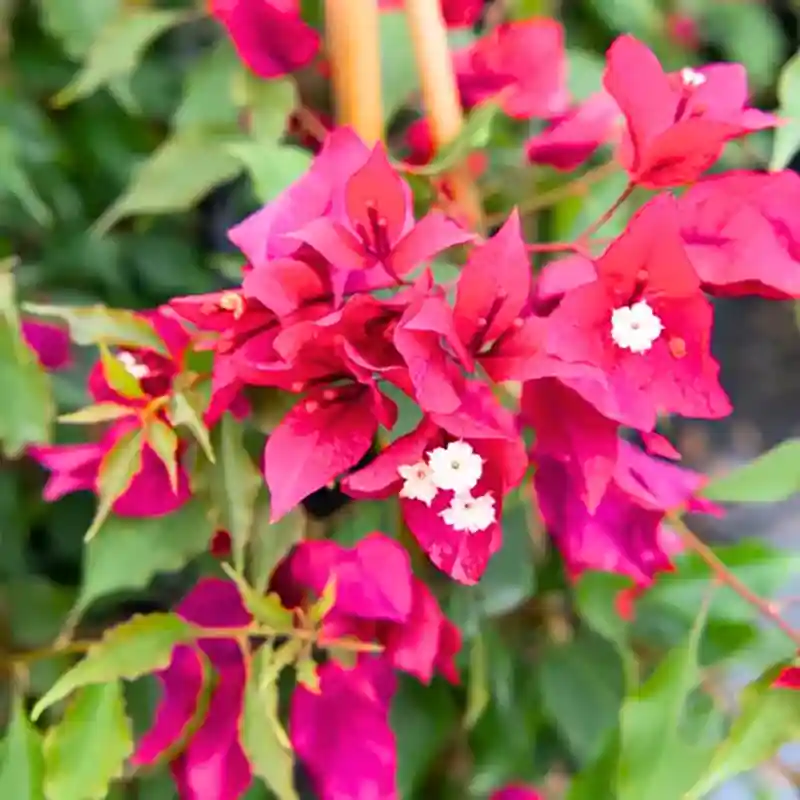
Bougainvillea is best suited to decorate fences, walls, and trellises, and is viewed as a colorful plant that is papery parts covering tiny, inconspicuous flowers. Pink bougainvillea is available in various shades from soft pastels sprinkled with salmon to almost electric shades of magenta. The plant grows in warm sunny areas without a lot of water after they are rooted, so it is commonly planted in Mediterranean and tropical gardens where it can cover an arbor or wall. Because bougainvillea grows in poor soils and can endure dry seasons, it is most preferred in tropical regions.
Botanical Name: Bougainvillea glabra
USDA Zones: 9–11
Sun Exposure: Full sun
Preferred Soil: Meagre and well-drained soil
Bloom Time: Blooms in the summer season abd drought resistnet
Gerbera Daisy
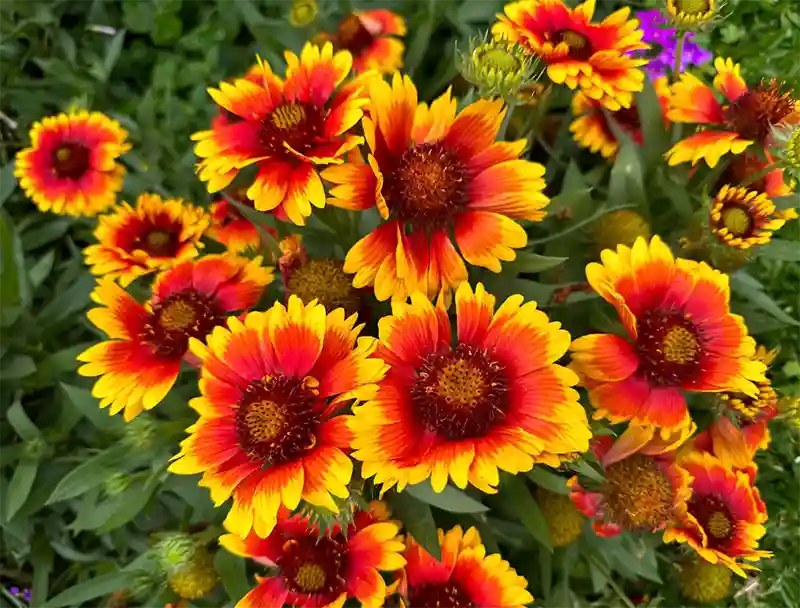
Gerbera daisies add a festive, bright touch to the garden with large, perfectly symmetrical flowers on tall, leafless stems. The shades of pink gerbera daisies go from very soft pink to dark magenta, with the petals extending from a round center, which may vary from dark to bright pink as well. Originated from South Africa, gerberas are still among the most sought-after flowers in the world because of their bright hues and long vase life. Being in the garden, gerbera daisies thrive in full sun and are kept well-drained; that’s why vulnerable to rotting in moist soil.
Botanical Name: Gerbera jamesonii
USDA Zones: 8–11
Sun Exposure: Partial to Full sun
Preferred Soil: Fertile and well-drained soil with light weight
Bloom Time: Blooms from early spring to fall season.