Determine how many gallons of water your household needs during the peak hour, rather than using the water heater tank size as the basis for the calculation, so the equipment can be used for simultaneous dishwashing and showering.
Water Heater Details That Matter In A Well-Planned Home
Author
Terri SanderFor a successful organization of a household, one must thoughtfully choose their water heating devices. Installing good appliances is crucial for minimizing utility bills and ensuring the availability of hot water for domestic activities.
To choose the right water heaters, one should consider many factors besides the purchase cost. The smart homeowner considers tank size, recovery rate, and effectiveness of the heating systems.
Table of Contents:
Choosing Sizing Requirements For Modern Homes
Water heating capacity must match the actual peak demand of the household. Consulting a detailed Water Heater Guide For Florida Property Owners helps buyers select the right tank size for their specific layout. Proper calculation prevents unexpected cold showers during busy morning hours.
Families usually assume that water tanks have enough capacity and overlook peak usage metrics. By measuring the volume of water consumed during peak usage, much more accurate data is achieved. Advanced units with high recovery technology bridge that gap without having to resort to huge tanks.
Simultaneous appliance use places heavy strain on residential plumbing systems. Installing a unit calibrated for simultaneous usage maintains consistent pressure across all bathrooms. This strategy prevents performance drops when dishwasher runs align with shower times.
Evaluating Monthly Operating Expenses
Energy efficiency directly impacts ongoing household operational budgets. State energy data indicates water heating represents the third largest energy expense in typical residences, consuming between 13% and 17% of monthly utility bills. Managing these costs requires selecting models designed for low power consumption.
Cost of an appliance is only one part of the overall cost for remodeling homes. Efficiency of the system allows for a significant reduction of energy expenditures. Good planning allows customers to balance expenses for equipment with savings on utility bills.
Insulation levels around storage tanks affect standby thermal losses. Units built with thick insulation retain heat longer and require less standby energy. Adding thermal jackets offers extra protection for tanks placed in cool spaces.
Understanding Federal Efficiency Regulations
Regulatory standards shape the design and availability of home heating equipment. Government agencies periodically update performance guidelines to reduce residential power consumption. Keeping informed about upcoming standards protects buyers from investing in outdated systems.
Federal laws force manufacturers to provide more efficient designs. Official information indicates that changes in federal laws mean that new consumer water heater standards will be put into effect in May 2029. Planning for the implementation of the new law helps achieve successful compliance in the future.
New rules encourage manufacturers to adopt heat pump technology and advanced electronics. Homeowners who install compliant equipment early avoid future replacement complications. Selecting forward-looking designs protects property values.
Comparing Storage Tank And Tankless Systems
When making a choice between tank and tankless systems it is important to balance the volume of space available and the volume of hot water needed. While tank systems provide immediate access to hot water through constant storage, tankless systems use hot water immediately which allows saving on space.
Key factors differentiate these core design choices:
- Storage tank units offer lower purchase costs and straightforward installation.
- Tankless options reduce standby energy losses and free up floor area.
- Hybrid heat pump systems deliver energy savings for larger properties.
Proper maintenance schedules differ significantly between tank and tankless configurations. Tank units require routine flushing to clear sediment accumulation from the bottom shell. Tankless models demand periodic descaling to maintain internal heating element efficiency.
Positioning And Mechanical Space Planning
Location choices affect plumbing installation costs and long-term appliance performance. Placing water heaters near primary consumption points minimizes pipe runs and heat dissipation. Short plumbing runs reduce hot water wait times at kitchen sinks and showers.
Ventilation requirements mean that the layout of the house has to be planned carefully from the very beginning. Electric heat pump units require adequate surrounding room volume to extract ambient air heat efficiently.
Access for routine maintenance remains a top consideration during installation design. Technicians need clear clearance around drain valves, heating elements, and pressure relief devices. Ample room simplifies regular inspections and speeds up future component repairs.
Installing Key Safety Components
Safety features protect residential properties from excessive pressure and thermal damage. Temperature and pressure relief valves serve as primary emergency release mechanisms. Discharge piping must route safely toward floor drains or outdoor locations.
Expansion tanks are devices that compensate for water volume increases due to thermal expansion in a heating cycle. Heating systems that use closed plumbing must utilize expansion tanks to keep home plumbing from suffering excessive pressure. Without expansion tanks, plumbing systems would wear down prematurely, and fittings would leak.
Modern installations incorporate automated shutoff valves to prevent catastrophic indoor flooding. Sensors detect active moisture near the appliance base and automatically cut off the incoming cold water supply. Catch pans beneath units direct unexpected leaks away from surrounding building materials.
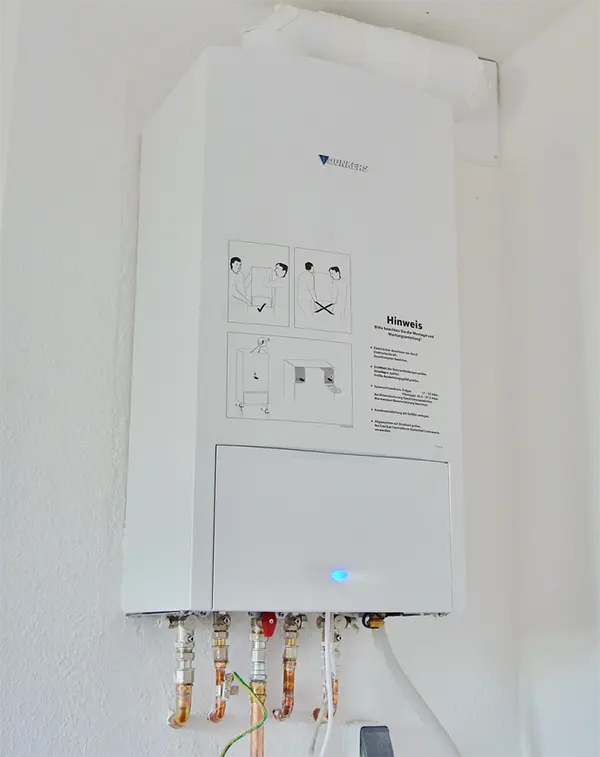
Choosing water heating devices wisely lays the basis for the proper functioning of the home. Proper matching of the system’s capacity and demand for hot water ensures its uninterrupted delivery all year round.
Investing in modern technology and proper safety devices safeguards household plumbing infrastructure. Forward-thinking property owners enjoy lower utility bills and reliable system performance for years to come.
FAQs
1. How can I find out what size water heater is suitable for my house?
2. How much money do I spend on water heating costs through my monthly utilities?
The cost of heating water is around 13% to 17% of the total costs due to which the energy bills for heating water are the third most expensive utility.
3. How does maintaining a tank model differ from maintaining a tankless unit?
Tank heating systems need to be flushed regularly to remove sediment at the bottom of the tank, but tankless systems need to be descaled from time to time to be able to operate properly.
Latest Blog