You should begin the process about six weeks ahead of time, unless you factor in the time it takes to find the right moving and storage company—then you can tack on another 14 days for a total of eight weeks.
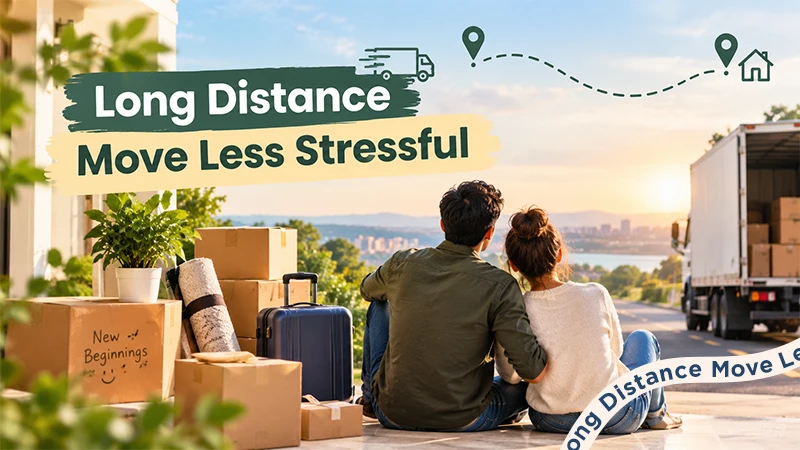
How to Make a Long-Distance Move Less Stressful
Author
Rashika GuptaLast Update
September 25, 2026
Moving from a familiar place to a completely new and unknown place can be jarring and scary. The packing, what is needed na dis not, the right company to pick, and unpacking. It can be a lot, but it doesn’t have to be, with preparations early on and good planning. Everything becomes more manageable and less stressful.
Read this blog for a more detailed guide on long-distance moves.
Table of Contents:
Plan Your Move Early
Start planning your move as soon as you can. Make a timeline to keep everything on track and organized.
When looking for good options, consider reaching out to several moving companies in Winnipeg to compare services and pricing.
Create a Detailed Timeline.
Plan early to cut stress. Use a clear timeline.
- Create a weekly plan that lists moving tasks, booking movers, updating utilities, and checking the moving company contract.
- Set firm dates for booking a moving company, comparing at least three quotes to control the changing budget.
- Assign deadlines for decluttering, donating, and selling items to lower packing weight and lower transport costs.
- Reserve specific days for packing high-priority rooms and label boxes with destination rooms to speed unpacking.
- Mark a day to gather vital documents, prescriptions, and financial records for your essentials bag and travel logistics.
- Block driver rest stops, fuel stops, and overnight stays on the route to plan travel time and ease stress.
- Schedule utility shutoff and start dates at the new home and confirm internet and service setup to avoid gaps.
- Plan buffer days for weather delays, traffic, or mover changes to keep the relocation on track and protect your timeline.
Schedule Tasks Like Booking Movers and Updating Utilities
Start early to cut moving stress. Set clear dates and tasks.
- Research moving companies and get three written estimates to compare services, rates, and insurance for your relocation.
- Call favored movers and book your moving date to lock in time and avoid last-minute rate hikes.
- Confirm mover credentials and ask for mover reviews, license numbers, and liability details to protect your items, specifically if you’re shipping valuables like wine collections or expensive artwork.
- Arrange a rental truck or portable container if you self-transport, and check vehicle size, fuel rules, and drop-off options.
- Make a utilities list and call each provider to schedule shutoff or start dates for electricity, water, gas, and trash service.
- Reach out to your internet and cable provider to set a service installation date at the new address to avoid downtime.
- File a change of address with the post office and update banks, insurers, and subscription services to keep mail and billing steady.
- Secure parking or loading permits with local authorities where you move from and where you move to so the movers can load and unload.
- Collect medical records, school records, and crucial documents and place them in a labeled folder you carry during travel.
- Build a short moving budget that lists quotes, deposits, and expected fees to control expenses and track your spending.
- Confirm all bookings one week before the move and send final details to the moving company to reduce day-of stress.
Declutter and Downsize
3. Declutter and Downsize: Begin by going through your things. Sell or donate items you no longer need to lighten your load for the move.
Donate or Sell Unused Items.
Sort items by use and worth. Donate clothes, furniture, and kitchenware you no longer need. Selling large pieces cuts moving costs and lowers packing time.
List sale items online with clear photos and honest descriptions. Local charities pick up donations and give tax receipts, which helps your budget and organization. You lower stress and speed up relocation by taking fewer boxes.
Reduce Unnecessary Weight to Save on Costs.
Decreasing extra weight can save money during your move. Each pound adds to transportation costs, so lighten your load. Look for things you no longer use or need. Old furniture, clothes, and gadgets are good examples.
Donate items or sell them online.
Less weight means less hassle too. It makes packing easier and lessens the number of boxes you have to manage. Save time and effort by getting rid of the clutter before moving day arrives.
A lighter load helps you stay within budget while making the move smoother.
Pack Strategically
Mark each box with the room it belongs to. This makes unpacking easy and quick. Use strong packing materials to keep your items safe during the move.
Label Boxes Clearly with Destination Rooms
Clearly marking your boxes helps everyone during the move. This simple step can save time and ease stress.
- Use big, bold letters for the room name on each box. It makes it easy to find what you need.
- Write a short list of items on the side of each box. This helps you know what is inside without opening them.
- Color-code your boxes by room using various colored tape or markers. This makes sorting easier at your new home.
- Place labels on all sides of the box, not just the top. In case boxes are piled, labels stay visible.
- Ensure all family members know the marking system before moving day. Good communication keeps everything organized.
- Use permanent markers that won’t smudge easily for clear writing. You want your labels to last the entire move.
- Arrange boxes by priority when packing them in the truck. Place important items where they can be accessed first at your new place.
This process makes your long-distance move more manageable and less stressful.
Use Durable Packing Materials.
Use strong packing materials. These items protect your belongings during the move. Choose sturdy boxes that can hold weight without breaking. Use bubble wrap and foam for fragile items like glass or electronics.
Packing tape is necessary too. Secure all box seams with enough tape to keep them closed. Avoid using old boxes, as they may be weak or damaged. Investing in quality packing supplies saves you time and stress during the relocation process.
Prepare an Essentials Bag
Make an essentials bag for your move. Pack clothes, toiletries, meds, and important papers you will need right away.
Pack Clothes, Toiletries, Medications, and Important Documents
Packing well is key for a good move. Necessities should be easy to reach during your long-distance relocation.
- Pack enough clothes for the first few days. Keep weather in mind when picking outfits.
- Include toiletries like toothbrushes, soap, and shampoo. These items help you feel clean and fresh after travel.
- Bring required medications with you. This confirms you have what you need on hand.
- Collect all important documents together. This includes ID, insurance papers, and medical records.
- Use a clear bag or box for necessities. This makes it easier to find what you need quickly.
- Think about personal items that bring comfort. Special keepsakes can ease stress during your move.
- Always double-check your essentials before leaving. Missing these items can cause added stress later.
Packing these essentials will support your emotional well-being during the relocation process.
Stay Flexible During the Move
Stay open to changes during the move. Weather or traffic can cause delays. Being flexible helps reduce stress. It’s good to change your plans if needed. Check back for more tips on a smooth long-distance move!
Allow for Delays Due to Weather or Traffic.
Delays can happen during a long-distance move. Weather and traffic often cause unexpected hold-ups. Rain, snow, or heavy winds may slow down travel. Traffic jams also add time to your trip.
Plan for these situations in your timeline. Add extra hours or even a day to your schedule if needed. Keeping this flexibility helps reduce stress during the whole moving process. Being ready for delays allows you to stay calm and focused on the move ahead.
Conclusion
Moving long-distance can be hard. But preparing well makes it easier. Start early and stay organized. Keep your necessities ready for the trip. Allow some flexibility for bumps along the way.
Use these tips to make your move smoother and less stressful.
Frequently Asked Questions
When Should I Start Planning My Move?
How Should I Pack for a Long-Distance Move?
We suggest making a moving day bag with items you’ll want to have accessible at all times, such as: Medications, Important Documents. Toiletry Items, Change of Clothes. It’s also a good idea to label boxes with other essential items so you can identify them easily.
How do I choose the best long-distance moving company?
When searching for your long-distance moving company, consider experience, customer reviews, licensing, insurance, and service offerings. Working with reputable cross-country movers ensures a nice relocation experience, especially for long-distance moves.
Latest Blog