No! They can be grown easily under proper growing conditions. It prefers indirect sunlight, well-draining, slightly acidic soil, and moderate watering.
Queen of the Night Flower: Benefits, Propagation, and Care Measures Explained
Author
Cerina TriglavcaninReviewed By
Cody Allison
Queen of the Night flower is a stunning night bloomer that is truly mesmerising due to its midnight blooms and sweet fragrance. The fast-growing and long-lived plant blooms just once every year. This rare cactus species evokes both mystery and romance.
If you wish to know more about these fleeting blooms and catch a rare, enchanting display, keep reading this article to discover its planting, care, and common problems.
| Quick Answer Queen of the Night flower, scientifically called Epiphyllum oxypetalum, belongs to the Cactus family. The plant can be propagated by rooting healthy stem cuttings. Its care involves bright indirect sunlight, regular watering, well-draining, slightly acidic soil, and occasional fertilizers and pruning. It is susceptible to pests like spider mites and mealybugs and diseases like root rot and fungal diseases. |
Table of Contents:
Queen of the Night Plant: A Quick Overview
Queen of the Night plant is an epiphytic cactus that is hardy in warm, frost-free zones. The plant is also known as the Dutchman’s pipe cactus and Night-blooming cereus. It can grow up to 10-12 feet tall and produces white flowers in late spring to early summer.
Here is the basic information about this Lady Of The Night plant to start a garden from scratch:
| Botanical name | Epiphyllum oxypetalum |
| Common names | Dutchman’s pipe cactus, Night-blooming cereus, Lady of the Night, and Orchid cactus |
| Order | Caryophyllales |
| Family | Cactaceae (Cactus family) |
| Genus | Epiphyllum |
| Species | E. oxypetalum (Haw.) Haw. |
| Plant Type | Epiphytic cactus |
| Mature size | 10 to 12 feet (3 to 4 meters) tall |
| Flower colour | White |
| Bloom time | Late spring to early summer |
| Hardiness zones | USDA zones 10-11 |
| Native area | Southern Mexico, Guatemala, and parts of Central America and northern South America |
| Toxicity | According to ASPCA, the plant is non-toxic to dogs, cats, and horses |
Next Read: Straw Flower: Planting, Growing and Harvesting Explained
Key Features and Benefits of Queen of the Night Plant
Queen of the Night plant features nocturnal white flowers that bloom at night. Its blooms are considered auspicious in some traditions. The plant improves air quality, repels insects, attracts pollinators, and reduces stress.
Here are the key features and benefits of this plant:
Key Features of Queen of the Night Plant
- Nocturnal blooms: The massive flowers open in the evening and stay open only for a single night. The blossoms are large in size, about 10-12 inches in diameter. They have feathery white petals and reddish-brown outer sepals.
- Auspicious symbol: In parts of India and China, the blooming of the plant is considered a sacred event. It is often associated with prosperity and full moon nights.
- Fleeting beauty: The plant is widely celebrated in literature and flower-watching traditions as the symbol of ephemerality and seizing the moment.
Benefits of the Queen of the Night Plant
- Improves air quality: The plant has the ability to purify air, filtering common indoor air pollutants like formaldehyde, benzene, and trichloroethylene. Cleaner air can improve health and living conditions.
- Aesthetic value and stress reduction: The Queen of the Night plant features lush green foliage and night-blooming flowers that add aesthetic value to different spaces. Surrounding yourself with these plants in natural home decor can enhance mood and reduce stress. The beauty and calmness of this flower can contribute to mental well-being.
- Pollinator attraction: The blooms support local biodiversity as they draw moths, bats, and nighttime pollinators.
- Natural insect repellent: The volatile oils in the plant deter mosquitoes and other nocturnal bugs naturally.
Propagation of the Queen of the Night Plant
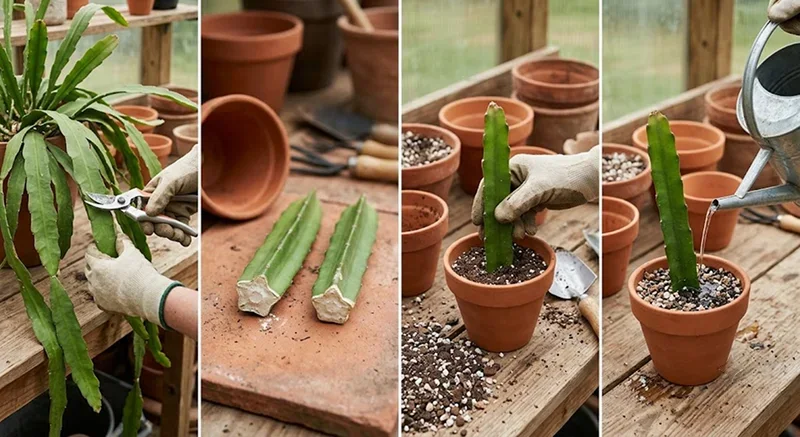
You can propagate the plant during late spring and early summer. It is a straightforward process in which you have to take a healthy stem cutting, dry it, and then plant it into the cactus or succulent potting mix. After that, water the plant lightly and keep the pot in bright indirect light.
Here are the steps for propagation of the Queen of the Night plant:
- Choosing the cutting: Take a 6-10 inch long healthy stem from the plant that is free of diseases and pests.
- Callus the cut: Let the cut end dry and callous for a few days in a shaded, dry area. This is an important step to prevent rot when the cutting is planted.
- Plant the stem: Insert the callused end of the cutting into a cactus or succulent mix about 1-2 inches deep. You may stake the cutting to keep it upright until the roots establish.
- Initial watering: Water the soil lightly and place it in a spot with bright indirect light.
Also Read: Bells of Ireland: How to Grow and Maintain this Flower
Care Measures of the Queen of the Night Plant
The Queen of the Night Cactus plant needs direct sunlight in the morning followed by afternoon shade. Also, it prefers slightly acidic, well-draining soil, regular watering, occasional feeding, and light pruning.
Here are the care measures for the Queen of the Night plant:
Sunlight Needs
The Night Queen Flower needs direct sunlight in the morning to grow optimally. However, it needs protection from the harsh afternoon sun, which can scorch the leaves. Place it on an east- or north-facing window if keeping it indoors.
Watering Requirements
Water the plant regularly during the active growing season in spring or summer. Keep the soil moist but not waterlogged. During fall and winter, reduce the watering frequency when the growth slows down.
| Quick Tip Water the plants with rainwater or distilled water over tap water. It helps mimic the natural environment and protects the sensitive root system. |
Soil Preference
The Queen of Night flower needs well-drained, airy soil with a slightly acidic pH. Avoid dry soil at all costs, as it is a tropical forest cactus, not a desert cactus. You can also add peat moss, perlite, and orchid bark to create a well-draining mix.
Temperature and Humidity
Queen Night Cactus is native to semi-desert, tropical, and subtropical regions with intense sunlight, warm temperatures, and scarce rainfall. The ideal temperature to grow this plant is 68–95°F. If the temperatures go lower than 50°F or higher than 95°F, the plant starts growing slowly and goes dormant. The plant prefers humidity levels of 40- 50% that is a normal level at most homes.
Fertilizer
Fertilize this plant once a month during its active growing season. Feed it with phosphate-potassium fertilizer before and after blooming and nitrogen fertilizer during seedling. Always apply a low-concentration or diluted fertilizer, as the plant does not need heavy feeding. If the base has stunted and yellow growth, it’s a sign of overfeeding.
Pruning
Queen Of The Night Cactus flowers benefit from little pruning. Remove the damaged growth and trim it for a compact structure. This also supports future blooming. The best time to prune the plant is late summer or early fall. While pruning, use clean, sharp pruning shears to prevent plant damage.
Repotting
The Queen of the Night flower actually blooms better when slightly root-bound. You do not need to repot it very often. Repot it in 2-3 years or when roots are tightly crowding the surface and growing out of the drainage holes.
Common Problems of the Queen of the Night Plant
Night-blooming cereus can be affected by pests like mealybugs, scale insects, spider mites, and aphids. It is also susceptible to diseases like root rot and fungal mold.
Let’s see the pests and diseases and their signs and fixes:
Pests that Affect Queen of the Night Plant
| Pests | Signs and Fixes |
Mealybugs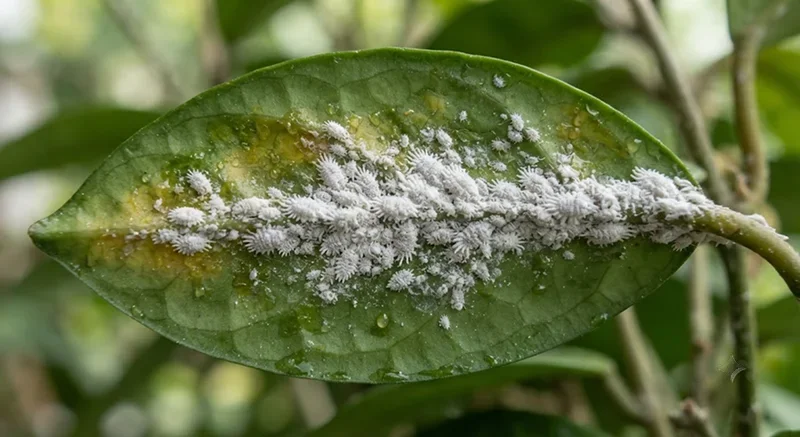 |
|
Scale insects 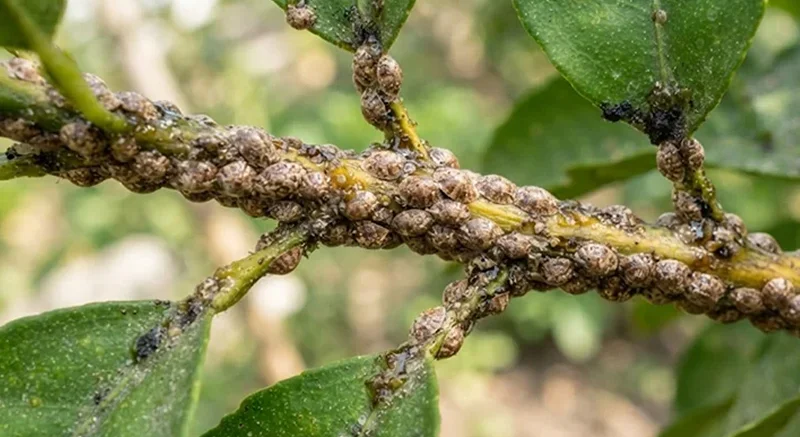 |
|
Spider mites 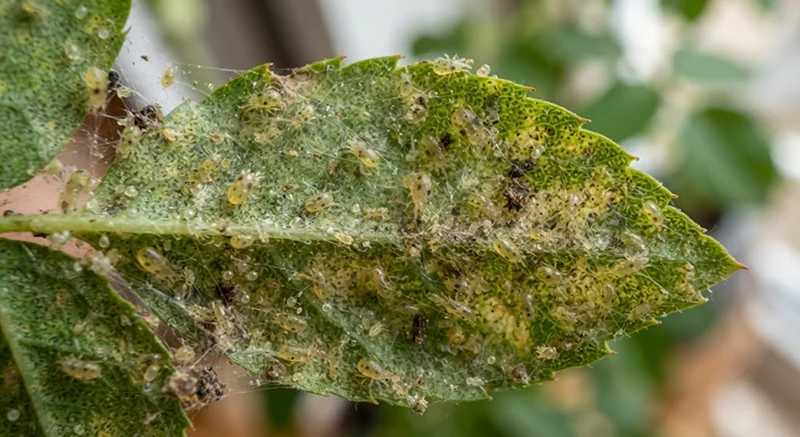 |
|
Aphids |
|
Diseases in Queen of the Night Plant
| Diseases | Signs and Fixes |
| Root rot |
|
| Fungal mold |
|
| Fungal leaf spot, viruses, and scabs |
|
Also Explore: Asiatic Lily: How to Plant and Care for this Bulbous Perennial
Frequent User Queries in Queen of the Night Plant
On Reddit, many plant growers have shared their queries regarding the Queen of the Night plant. Some are about its size and care.
Let’s see some relevant queries and their answers:
- Query: u/Rare-Relief-7198 asks What to do with a giant Queen of the Night

Answer: Add a sturdy trellis or moss pole to support the night-blooming cereus plant. You should also untangle its stems and secure them with soft plant ties. Prune the dead and damaged parts and guide the remaining stems along the new shelving to prevent overcrowding.
- Query: u/CJN1269 says I need help with my Queen of the Night. He has a 5-year-old plant and wants to know how to care for it now.

Answer: Repot the plant into a larger container with well-draining, airy cactus mix. Trim the long and weak shoots. You can also save the healthy cutting for propagation. Provide support with a trellis and gently tie the stems to maintain a neat, balanced shape.
Final Thoughts
Queen of the Night flower is a stunning bloomer that unfurls at night. It fills the air with a sweet fragrance with its large white flowers. These plants are easy to grow, requiring indirect light, acidic soil, and regular watering. Bring it home today for the display that shifts from reddish-brown outer sepals to thick, pure white inner petals, resembling a bridal veil.
FAQs
Is Queen of the Night hard to grow?
Is the night-blooming cereus flower rare?
Yes! The flower is considered rare due to its blooming behaviour. The plant can be grown at home easily, but its flowers are uncommon, as they bloom for only a single night in a year.
Why is the Queen of the Night plant so famous?
The plant is famous because of its rare flowers that bloom once a year at night. These nocturnal flowers add a sense of mystery and charm. They have also been associated with beauty and anticipation in many traditions.
When does the night-blooming cereus bloom?
The plant typically blooms from late spring through autumn. Each flower opens slowly after sunset, stays open in the night, and wilts in the morning.
How long does the night-blooming cereus flower last?
An individual flower lasts just a single night. However, the plant produces multiple flowers throughout the season.
Sources:
Queen of the Night blooms at BU labs – Bellevue University
Latest Blog