Both spellings are correct and can be used interchangeably. Luffa is the botanical term for the genus, and loofah is more commonly used, referring to the sponge used as a scrub.
What Is a Loofah? Uses, Benefits, Growing Guide, and Expert Opinions
Author
Annette Hird
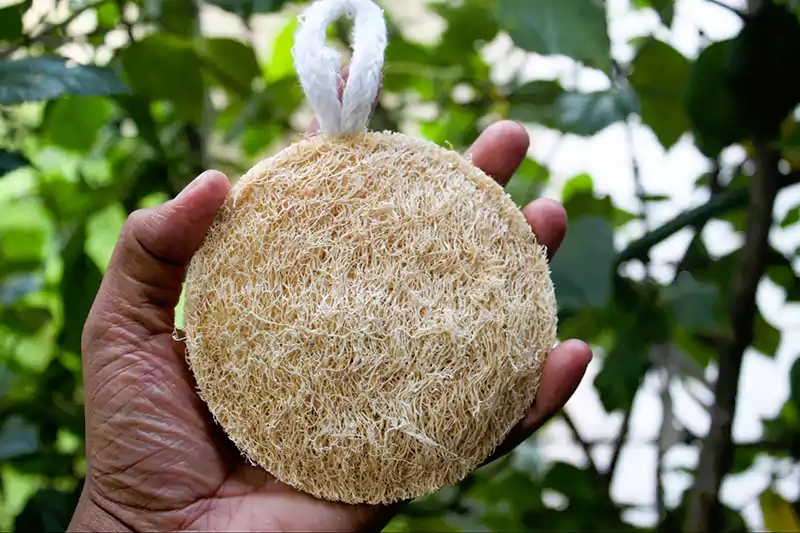
For the longest time, I was unaware that the loofah bath sponge is actually derived from a natural element. The loofah plant was not only used as a vegetable or bath scrub but also for washing utensils, which I was completely unaware of.
Loofah, the scrubber, and the plant both blew my mind and made me realise that growing loofah at home would be such an economically smart decision.
The gardening enthusiast in me could not resist and started learning everything about this quite useful plant.
If this realization has also hit you now, dive into this article and learn more fascinating things about the loofa plant.
Table of Contents:
What is a Loofah? Brief Overview and Taxonomy
The Loofah plant is a vining gourd belonging to the cucumber family that produces large vegetables used in curries and, once matured and dried, for bath scrubs—similar to how the Green Bean Plant yields edible pods while climbing and thriving on trellises.
Additionally, luffa is native to South and Southeast Asia. The luffah gourd offers various nutritional benefits that date back to ancient history, when it was utilized for its healing properties, including balancing internal heat and antioxidant effects.
Take a look at the taxonomic details of the loofah plant to have a better understanding:
 | |
| Scientific name | Luffa aegyptiaca |
| Kingdom | Plantae |
| Phylum | Tracheophyta |
| Class | Magnoliopsida |
| Order | Cucurbitales |
| Family | Cucurbitaceae |
| Genus | Luffa |
| Species | Luffa aegyptiaca |
Also Read: What is a Hyacinth Flower? A Garden Perfume That Imitates The Spring
What are the Uses of a Loofah?
The uses of the luffa sponge plant are not limited to just culinary purposes; this versatile plant is useful while it is mature, and even after it dries out, so planting one is never a waste.
Let me break down the efficiency of the plant under 3 main categories:
Culinary Uses  |
|
| Household Uses | |
 |  |
| |
| Health Benefits |
|
Did you know?
In the 17th century, the loofa was used as a gentle scrub in Abhyanga (oil-massage therapies) in Kerala.
How to Grow and Care for the Loofah Plant?
Growing a loofah plant is definitely not hard, but it does require a lot of patience—especially since the loofah gourd takes a long time to mature. However, good things take time, making it a win-win either way, much like the Celosia Flower and the sedum plant, both of which reward patient gardeners with resilient growth and lasting beauty.
Before jumping into the growing tips, take a look at the growing conditions, as they can be a little challenging if not planted in the right environment.
| Soil Type | Well-drained soil with acidic pH(6.0-7.0) |
| Hardiness Zone | 7- 13 USDA |
| Planting Season | Late winter to early spring |
| Water Requirements | Deep watering once a week, but look for waterlogging |
| Sunlight | Full sun, direct sunlight |
| Fertilizer | High potassium or high phosphorus liquid fertilizer. |
Now that the growing requirements are understood, here is how I plant vegetable loofah at my home:
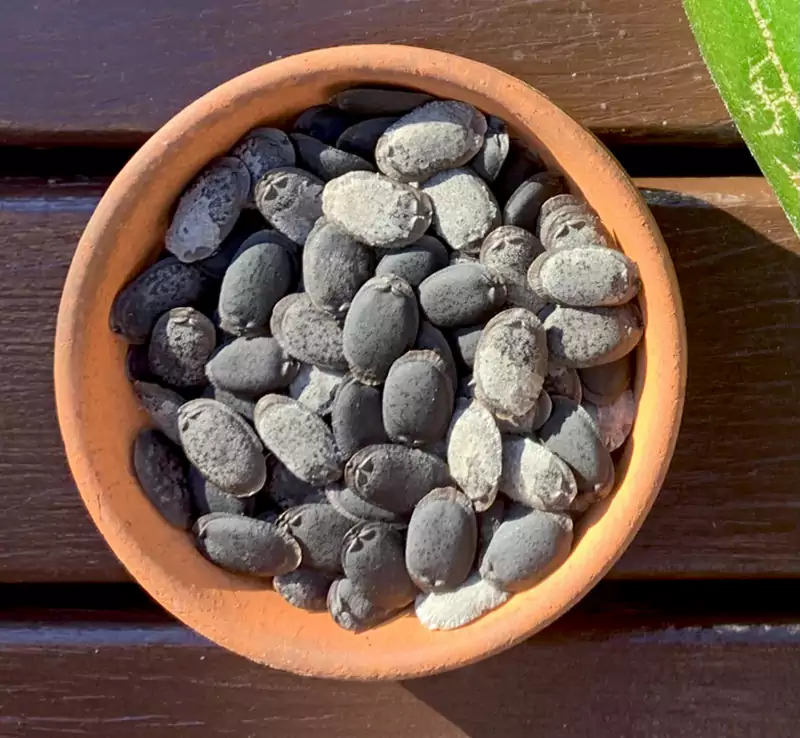
- I grow loofah through seeds, so take the seeds according to the quantity you want to plant.
- Select a spot with well-draining soil that receives direct sunlight, as the luffa loves sunlight.
- Scarify the seeds 24 hours before sowing them by soaking them in water overnight, as this helps in faster germination.
- Soak the seeds for half an inch deep in the soil and keep watering and be patient because the germination usually takes up to 20 days, if not more.
- If planted indoors, after germination, you can start hardening off your seedlings slowly. Hardening off means bringing the seedlings outdoors after the danger of frost has passed so they can grow in optimal growing conditions.
- This is the perfect time to start feeding the plant with potassium-rich liquid fertilizer.
- The loofah is ideally ready to harvest after 6 months, once the seedlings have appeared.
The whole process of growing loofah can be a little time-consuming; hence, it is crucial to follow some basic care tips to ensure you bear healthy luffa gourds:
- Support: Provide a trellis to the loofah vine to keep it off the ground and prevent pests and diseases. Ensure the trellis can bear the weight of the heavy loofah gourds.
- Fertilizer: Feed the plant with a high-phosphorus fertilizer during the growing stage every week. A potassium liquid fertilizer is ideal for the overall growth of the plant.
- Sunlight: Ensure the plant receives 6 hours of direct sunlight.
- Pruning: Although not essentially required, it can be useful to manage the growth in relation to the size of the garden. Also, tie the vines to a sturdy support system to avoid any sort of clutter.
Read Next: How to Grow Crocosmia? Planting Tips, Care Advice, and Blooming Secrets
Why is the Loofah Sponge Better than Synthetic Ones?
Nature does not have any equivalent alternative; the natural plant-based loofah is any day better than a synthetic or plastic-based one, much like the Gladiolus Flower, which stands as a symbol of strength and natural beauty that cannot be replicated artificially.
I say this as someone who has been growing and using this versatile plant for years now, and here is why I think you should switch to the natural loofah:
- Eco-friendly: Made from the dried parts of a vegetable, it is biodegradable and would not take thousands of years to decompose.
- Multi-functional: Loofah gourd can be used as a vegetable for cooking, a bath scrub for exfoliating, and as a loofah vegetable sponge.
Its utility does not end when it dries out.
- Compostable: Even after the loofah reaches the stage where it is no longer fit for use, it can be used as compost for gardens.
- Skin and Dish friendly: The natural luffa vegetable sponge or bath scrub is skin-friendly and does not feel harsh, and leaves scratches on the body or the dishes.
Why do Dermatologists Advise Against Loofah?
Dermatologists are not completely in favour of using a loofa blindly just because it is plant-based. Everything has its share of pros and cons, and this was revealed to me initially by my doctor.
Common things to follow to avoid skin rashes or infections:
- After every use, dry the loofah completely by draining all the water out of it.
- Make sure you clean the luffa every week with water and detergent, as continuous use can promote bacterial growth, which used on the body, can lead to infections.
- Avoid using loofahs in the genital areas as the coarse texture can irritate.
- Change the loofa regularly within 3 weeks; prolonged use is not recommended due to the risk of microbial growth, and the loofah might have lost its utility.
Scientific Exploration and Analysis About Loofah
Luffa is a multifunctional plant, but did you know about its effectiveness against obesity and cancer?
While claims should not be trusted without credibility. Take a look at what verified research portals have to say about the loofah plant:
| Study year: 2019 Aim: Effectiveness of Luffa cylindrica (L.) supplementation against obesity. Key Findings: The Luffa cylindrica(L.) was effective in enhancing SCFA(short-chain fatty acid) bacteria and restoring gut barrier damage. Luffa cylindrica has potential effectiveness in fighting against obesity. Source: National Center of Biotechnology Information |
| Study year: 2025 Sample type: Luffa cylindrica peel Aim: To assess the anti-oxidant and anti-inflammatory properties of Luffa cylindrica. Multiple tests were done on the luffa cylindrica peel powder mixed with distilled water to analyse the presence of phytochemicals. Key findings: The luffa cylindrica extracts have beta-carotene, which promotes apoptosis (programmed cell death), making it a potential cure for cancer. However, the researchers say further studies are required to validate this claim. Source: The Journal of Contemporary Dental Practice |
Closing Remarks
As a flag bearer of sustainability and eco-friendly living, growing loofa has been one of the smartest decisions I made. Packed with nutrients and unending usefulness makes the process of its growth is rewarding.
Whether used as a vegetable curry or as a luffa vegetable sponge, this plant comes from the soil and can return there as compost, and when lifestyle and gardening choices are mindful, it makes planting even more exciting.
FAQs
Is it Loofah or Luffa?
What do hanging loofahs mean?
A story about loofahs hanging on cars got attention in Florida, which had a lot of rumors connected to it, but it was concluded to be a way to identify cars in the parking lot.
Why do Dermatologists not use loofahs?
Dermatologists advise against excessive use of a loofah as it can cause rashes and dryness on the skin.Certain hygienic steps should be followed to avoid any infections.
Sources
How to grow a loofah plant – BBC Gardeners
Latest Blog