Only water your Philodendron plant when the top layer of soil dries out. Do not over-water the plant, as it is considered dangerous for your plant.
Philodendron Prince of Orange: Benefits, Growing Process, and Care Tips
Author
Annette HirdReviewed By
Cody Allison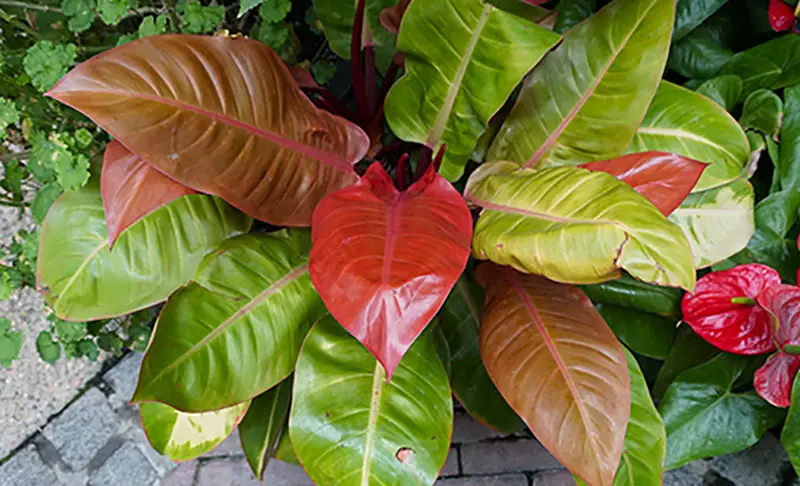
Philodendron ‘Prince of Orange’ is a vibrant plant celebrated for its unique orange foliage. This low-maintenance plant adds a pop of colour to indoor spaces. Beyond its decorative values, the plant serves as an air purifier, filtering out toxins from the air. The plant is an ideal choice for homes and offices, but requires protection from the cold drafts.
The orange philodendron prefers bright, indirect sunlight to maintain its colour and slightly acidic to neutral pH soil levels. Excessive watering can lead to the roots rotting, and therefore, you need to be careful while watering the plant. Read more to know Philodendron prince of orange care.
Table of Contents:
Taxonomy and Benefits of the Philodendron Orange
The eye-pleasing Philodendron Orange not only beautifies your space but also comes with multiple benefits. It works as an air purifier, features self-healing, is suitable for small areas, and improves humidity.
For more general information, take a look at its taxonomic overview –
| Botanical name | Philodendron erubescens ‘Prince of Orange’ |
| Kingdom | Plantae |
| Type | Vine, Perennial |
| Family | Araceae |
| Genus | Philodendron |
Benefits of the Philodendron Orange
Planting a Philodendron Orange offers significant benefits, some of which include air purification, adaptivity, and reducing stress levels. Let’s discuss some of the benefits in detail.
- The Philodendron orange is a low-maintenance plant.
- The plant offers air purification, which helps in removing toxins from the air and leads to a better quality of life for humans.
- Philodendron plants are amazing for reducing stress levels in humans. The scientific studies have proven the plant to be beneficial for both mental and physical health.
- The plants are best for people living in cities, as they can be grown in both indoor and outdoor environments.
- The plant can be grown in most of the conditions, like irregular watering and low light, indoors and outdoors, and is also popular amongst gardeners for its adaptive nature.
- Philodendron Prince of Orange care is not only easy, but it is also a great communicator with its surroundings. If the plant dries out or isn’t kept in proper lighting, and is watered or its position is changed, it recovers in a period of a few days by quickly adapting to the environmental changes.
Did you know?
The Prince of Orange Philodendron is claimed to be one of the best plants for indoor air purification by NTRS.
Read more: 23 Best Tall Flowers for Your Garden: Top Varieties & Care Guide.
Ideal Growing Conditions and How to Grow and Repot Philodendron Orange
While some indoor plants require a lot of care and attention, Philodendron Orange is considered to be an easy-to-care plant. All it requires is a proper environment that includes bright, indirect sunlight, slightly acidic pH soil, and proper ventilation.
Let’s see the ideal growing conditions they need in detail –
| Hardiness zones | USDA Zone 10-12 |
| Sunlight Requirements | Bright, indirect light |
| Soil |
|
| Water Requirement |
|
| Season of Interest | Spring, summer, fall, and winter. |
How to Grow and Regrow Philodendron Orange Plant?
If you want to grow a philodendron orange plant, follow these simple steps-
- Get the plant stem or a small plant with a rootball of the philodendron orange from the nursery.
- Choose a pot not too large in size. It should only be a few centimeters larger than the rootball.
- The plant can be potted in the original container for at least 3 to 4 years or till the roots start growing intensely.
- Place the plant in the soil. The plant prefers a loose, free-draining compost and soil of slightly acidic pH.
- Place the plant in a bright but indirect sunlight area. Avoid keeping the plant in direct sunlight in summer. It can cause leaves to scorch.
- Wipe the plant leaves at times to remove the dust, if any.
- Only water the plant when the top layer of the soil dries out. Try to keep gaps between two watering sessions, as too much watering can cause root rotting.
Regrowing the Philodendron is an easy process. Here’s a step-by-step process of repotting-
- The philodendron orange can be easily regrown using the stem cutting method between late summer and fall.
- Simply remove a piece of the stem of about 4 inches or 10 cm long. Cut the stem just below a leaf joint at the bottom.
- Remove the lower leaves and then insert them into the moist sand.
- Water the plant occasionally when the top layer dries out.
- Place it in a humid area with indirect, bright sunlight.
- Soon your plant will start blooming.
Read more: 10 Flowers That Bloom in Late Winter Nyt – Care Guide, Planting Tips and Common Challenges
Essential Philodendron Orange Care Tips
Though the plant doesn’t demand much care and attention, here is the list of a few things that you need to be careful about. Following these Philodendron ‘Prince of Orange’ care tips can keep your plant healthy and positively impact your plant’s health.
Light
The prince of orange philodendron got its name from the unique colour of its leaves. In order to keep the leaves orange and avoid foliage, it is important to place the plant correctly in the most suitable location of light. The plant demands bright, indirect sunlight. Too much sunlight can lead to the browning of leaves, or in the long run, the leaves start developing excessive amounts of chlorophyll, which results in the production of green leaves.
Pro tip: Rotate your plant every few weeks for rational growth of the plant as the plant leans towards the light.
This plant is a self-healing plant, and if placed in a properly lit area, it can heal over a period of time.
Did you know?
The prince of orange philodendron can double its size within a year if placed in proper partial light.
Soil
Philodendron prince orange needs soil that is slightly acidic in pH levels. Also, place the soil loosely for better aeration and to prevent the roots from rotting.
Pro tip: For good plant growth and a proper nutrient mix, use equal parts of perlite, peaty soil, and aerated orchid bark.
Temperature and Humidity
Philodendron can thrive in 50 to 70 percent humidity levels. However, you can witness the best foliage growth in high humidity and warmth.
The suitable temperature for philodendrons is above 55 degrees Fahrenheit. Avoid placing them in areas that have lower temperatures, as it can cause the rotting and dying of the plant. Also, avoid placing the plant near small windows.
Water
The most challenging part of caring for the philodendron orange is watering. Watering too much can cause roots to rot, and watering too little can kill your plant. The ideal way to water your plant is to check the soil moisture levels. Only water the plant once the top layer of the plant is dry.
Also, make sure to choose the pot that offers proper drainage so that the excess water flows out of the pot.
Fertilization
Philodendron isn’t a heavy feeder. Using a diluted, slow-release fertilizer a few times a month during summer and spring can promote healthy foliage. You need to be more careful about not over-fertilizing the plant.
Repotting
Since the plant can grow twice its size in a year, it is important to repot the orange philodendron every one or two years. If you are not sure when the plant needs to be repotted, see if the roots are poking out of the drainage holes of the pot.
Read more: 50 Fall Flowers: African Daisy, Calibrachoa, Petunia, Nemesia, and More!
Pests Infection of Philodendron Orange: Cause, Signs, and Solutions
If you want to keep your Philodendron Orange healthy and away from pests, isolate the plant immediately. Do wash the leaves with spray water to remove the insects/pests. Apply neem oil on the leaves to keep them healthy.
Make sure that you regularly inspect the plant and maintain high humidity. If you find any infected leaves, cut them to save the rest of the plant.
Here is the list of pests along with their cause and signs that can attack your plant. I have also tried to incorporate the solutions that have worked for me.
| Pests | Appearance and cause | Sign and Solution |
| Fungus Gnats | 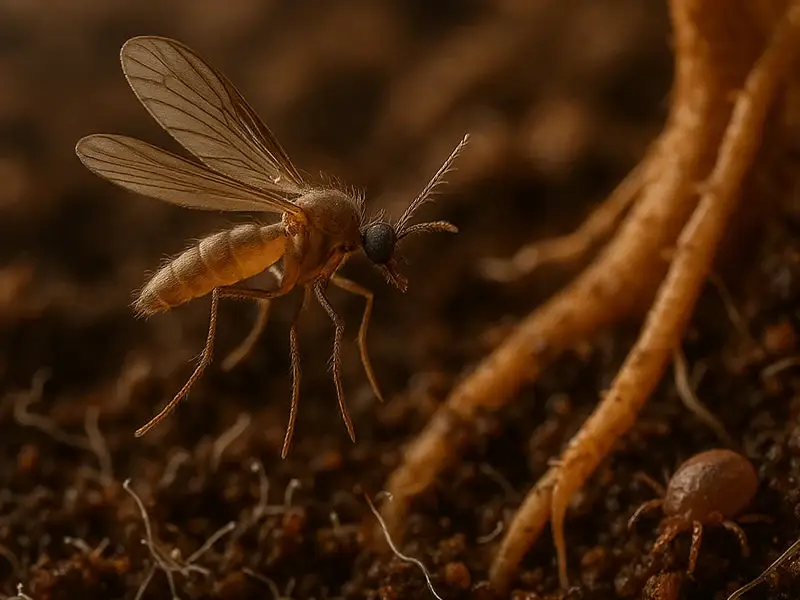 Cause- Fungus Gnats are caused by overwatered soil or poor drainage. | Sign- Small black or yellow flies hover around the soil, especially when the plant is watered or the soil is wet. Solution-
|
| Thrips | 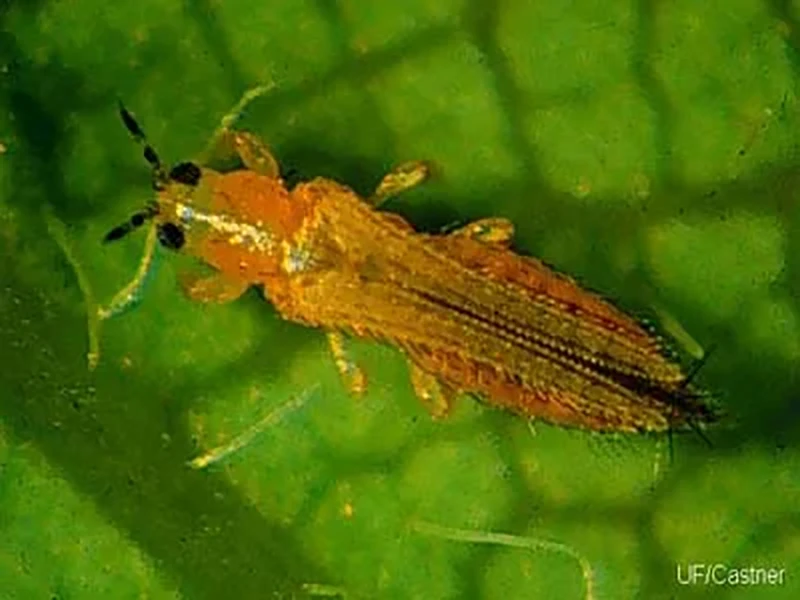 Cause- Thrips often come along with new plants, or in the case of an indoor plant, it might enter through the open door or window. | Sign – If you witness silvery streaks on the leaves, or the new growth in the plant is deformed, it can be because of thrips. Solution –
|
| Spider Mites | 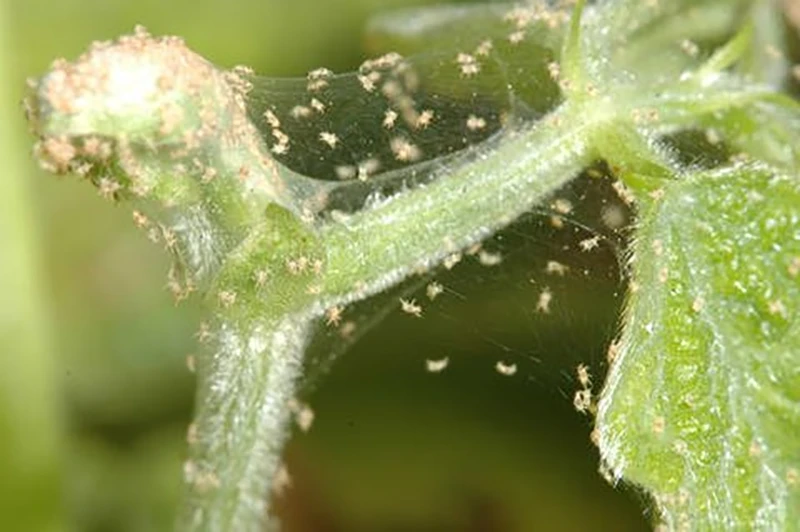 Cause- Spider Mites generally thrive during winters or are caused due to low humidity and dry air. | Sign – They appear as tiny webs between the leaves or along stems, or yellow dots on foliage, or dry, dusty, or faded leaves. Solutions–
|
| Mealybugs | 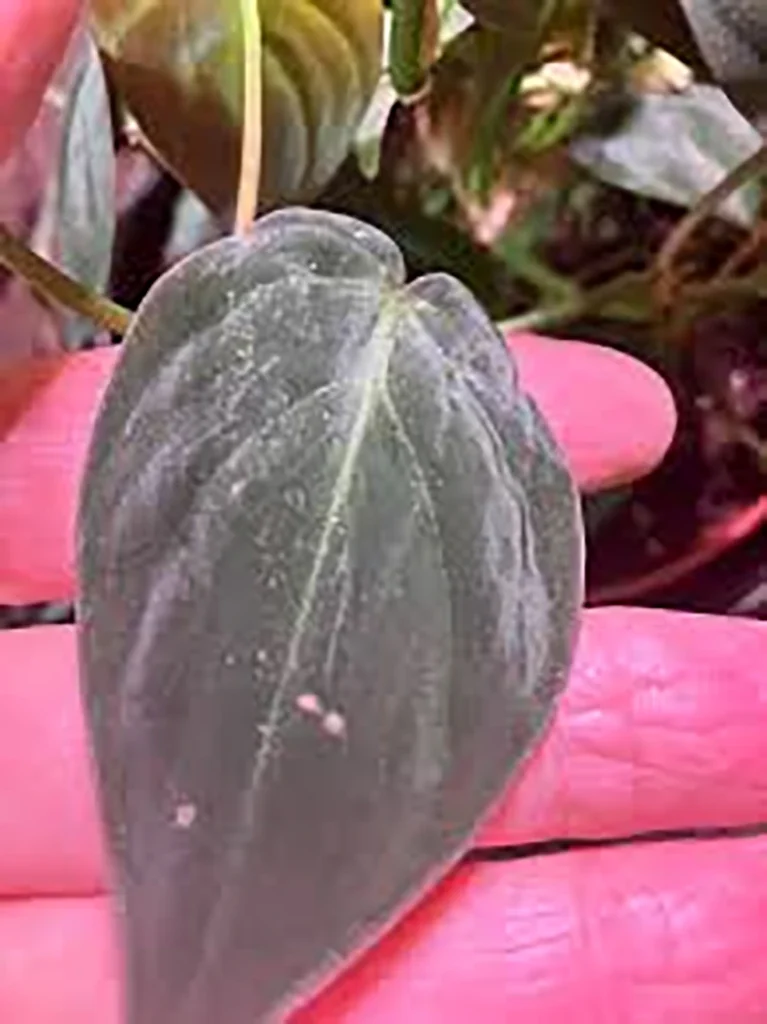 Cause- They are known for spreading quietly from nearby plants, or can occur in dry conditions. | Sign – If you notice a white cottony cluster around branches, leaves, stems, or on the soil, it means mealybugs have attacked your plant’s health. Solution –
|
| Scale | 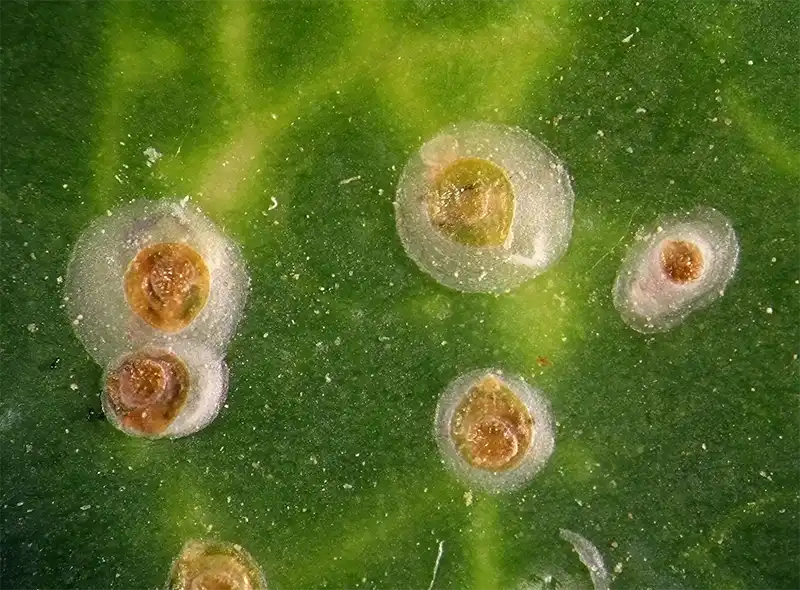 Cause- Scale insects are found in warm, dry, and low-airflow environments. | Sign – In case the brown, dome-shaped bumps on the underside of leaves or on the stem are visible, it is because of scale. You may also find the infected area to be sticky or dull. Solution –
|
Common User Problems with Philodendron Orange
While scrolling through different community platforms, I came across a few common Reddit users’ queries, which are elaborated below with the solutions that worked for me.
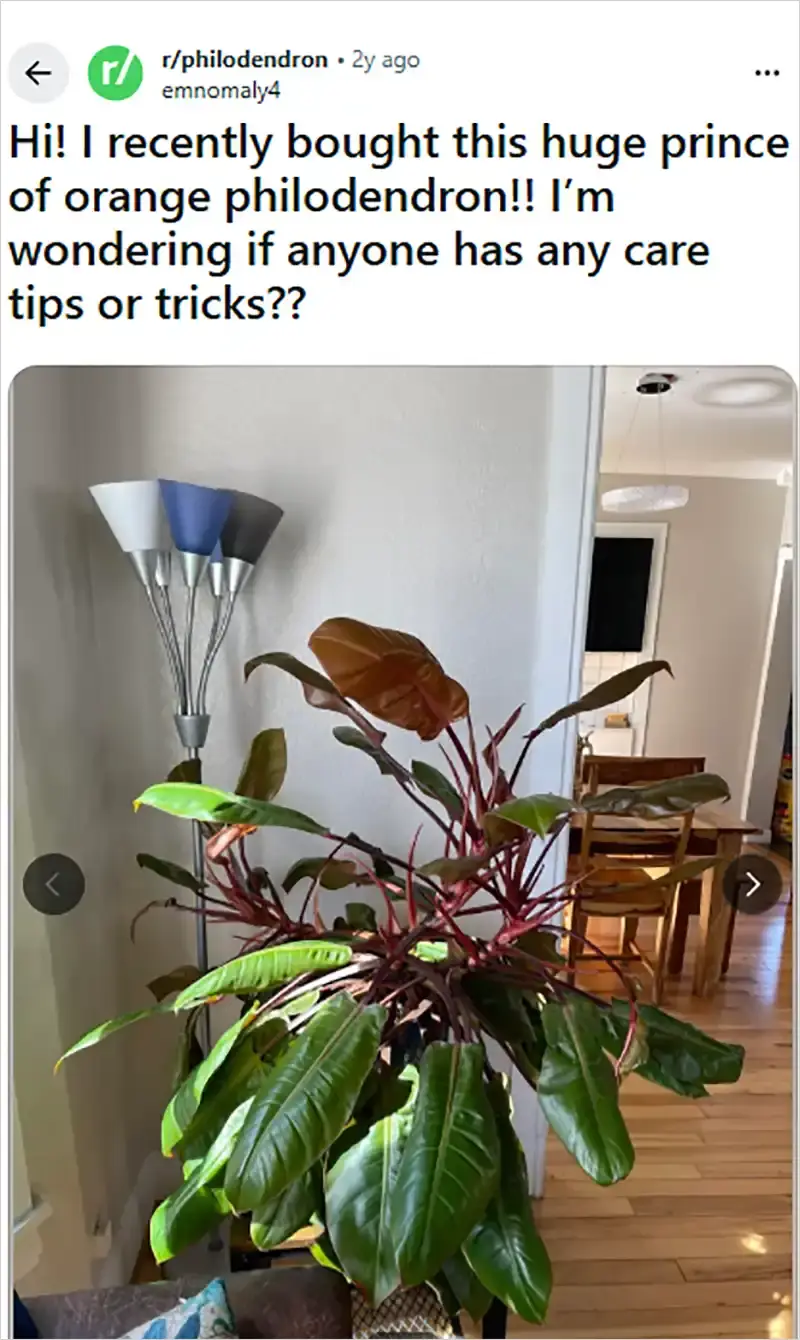
Answer- Philodendron ‘Prince of Orange’ thrives in bright indirect sunlight, which is helpful in maintaining the foliage of the plant. Also, make sure that you don’t overwater the plant, as it can cause root rotting.
Quick tip :Avoid keeping the plant in direct sunlight as it might cause faded or green leaves.
Query 2: My Philodendron Prince of Orange plant is dying
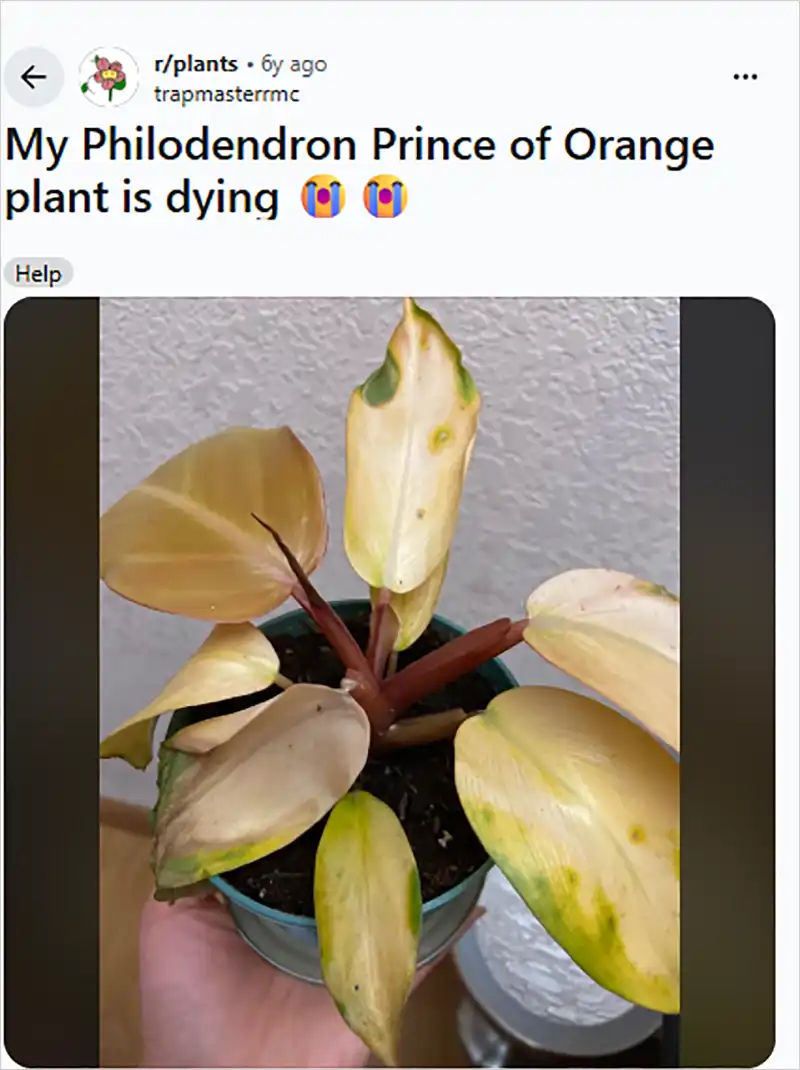
Answer- Philodendron Prince of Orange usually dies because of three reasons: low-lighting conditions, over-watering, and poor drainage. In order to save your plant from dying, avoid over-watering the plant. Only water the plant if the top layer of soil dries. Secondly, keep the plant in a bright but indirect sun-facing area, and thirdly, make sure that the pot you are using has a proper drainage hole in order to remove excess water and provide better aeration in the plant.
Quick tip: Clean the plant leaves using insecticidal soap or neem oil to tackle the pests.
Query 3: What is wrong with my orange prince?
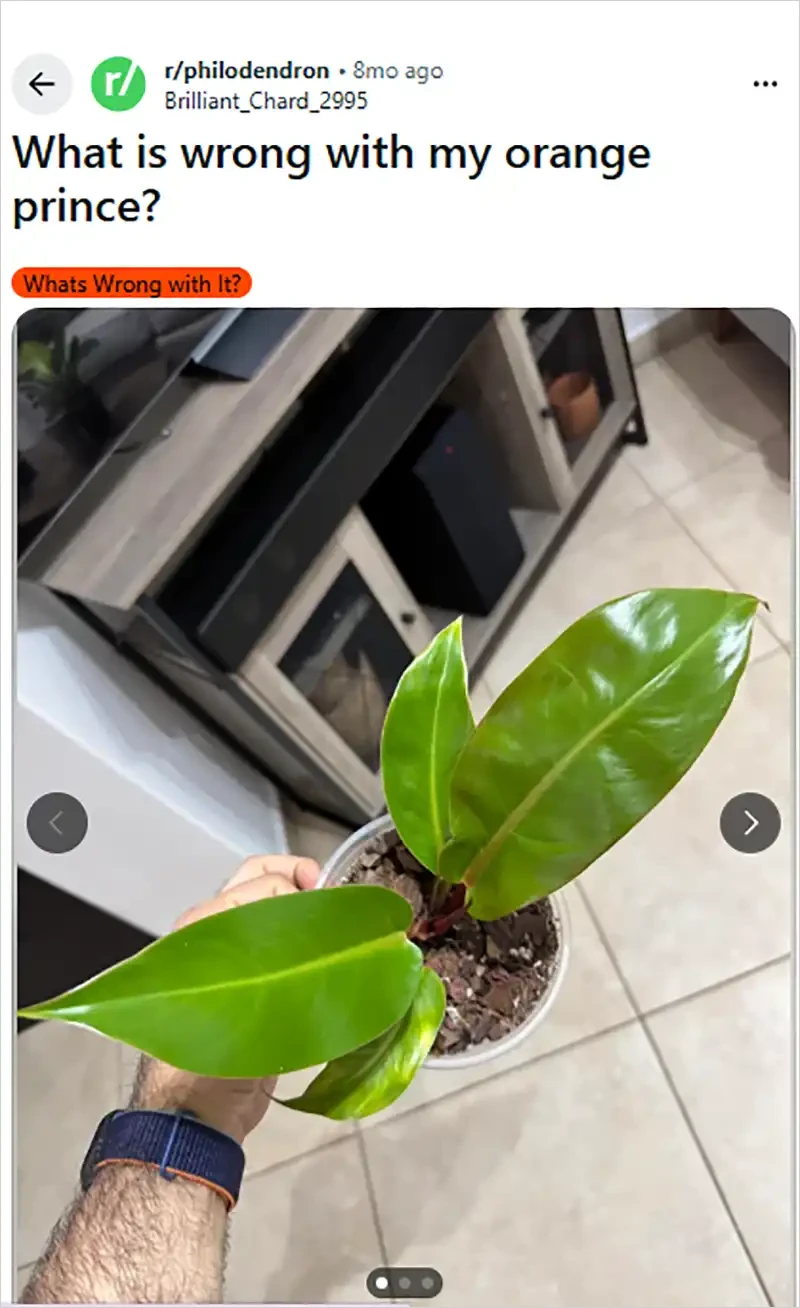
Answer- There are two reasons behind green leaves
- Natural maturation of the leaves. With time, the plant leaves mature into green colour because of increasing chlorophyll in the leaves.
- The second reason can possibly be harsh and direct sun exposure. It leads to the greening of the leaves and removes the bright orange or red colour.
Query 4: Why does my Philodendron Prince of Orange keep dripping from the leaf tips?
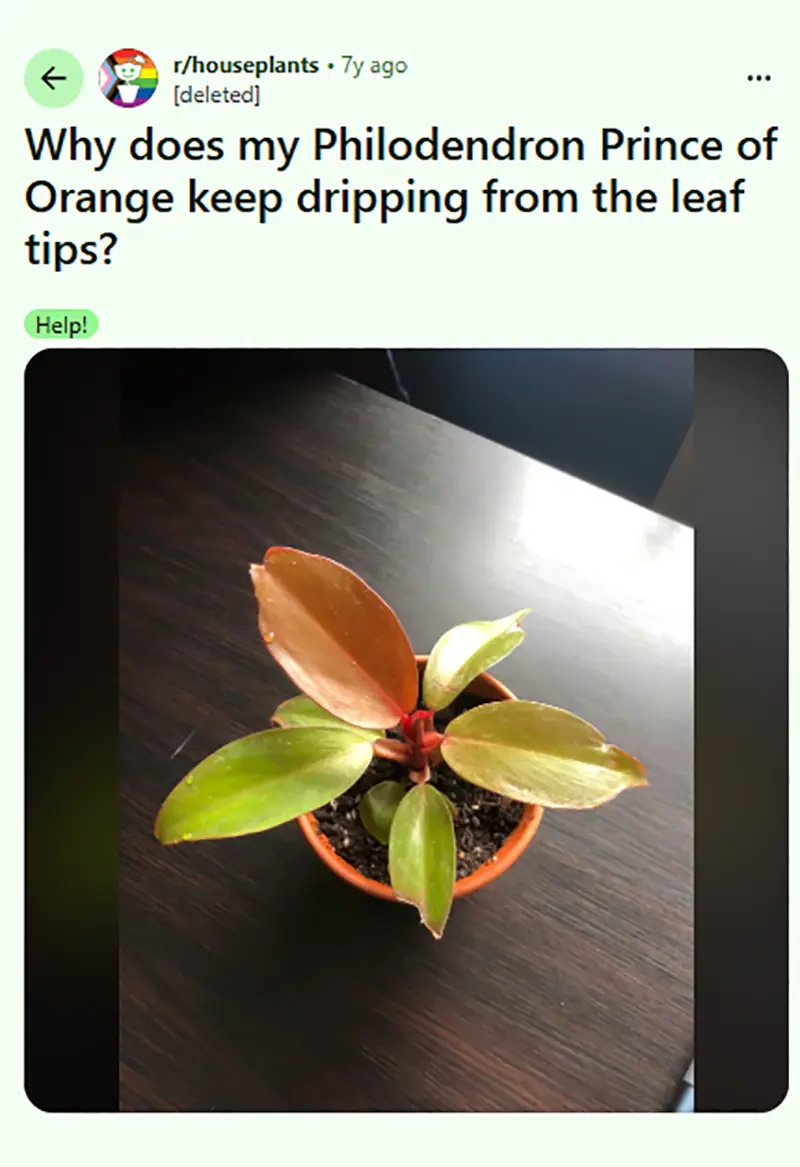
Answer- This might happen because your Philodendron ‘Prince of Orange’ is experiencing guttation. It is the process by which the plant expels excess water and nutrients through lead tip pores of the plant. This indicates a healthy plant that is over-watered.
Did you know?
Philodendron Prince of Orange is not a pet-friendly plant. The reason behind its toxicity is that it contains calcium oxalate crystals, which can cause throat swelling, mouth irritation, and vomiting if ingested.
Read more: How to Start a Garden From Scratch? Simple Steps for First-Time Gardeners
Final Thoughts
Philodendron Prince of Orange is a low-maintenance plant. It is a vibrant plant celebrated for its colour-changing foliage, representing the lushness and diversity of tropical flora.
In order to keep your plants’ growth proportional, rotate them every few weeks towards the light. The Prince of Orange will love the bright corner of your home with indirect, bright sunlight.
If you are planning to get your first Philodendron plant, do remember to follow certain tips like no over-watering, keep it in bright, indirect sunlight, and use a pot with a drainage hole.
FAQs
How often do I need to water the Philodendron plant
What is the ideal temperature for the Philodendron plant? Can I plant a Philodendron plant indoors?
The ideal temperature for a Philodendron plant is between 18 degrees Celsius and 27 degrees Celsius. Yes, you can plant a Philodendron plant indoors if there is access to bright and indirect sunlight.
What are the common problems with the Philodendron plant?
The common problems that are associated with the Philodendron plant are yellowing leaves, brown leaf tips, leaf scorch, drooping leaves, lack of colour, and slow growth of the plant.
How does the new growth on the Philodendron plant open up?
If your plant finds it difficult to open new growing leaves, change the current location of the plant. It can be because of a lack of nutrients. If you still find such trouble, water the plant.
How tall does the Philodendron plant grow?
The plant grows around 24 to 30 inches tall and 35 to 60 cm wide (spread).
How can I keep the Philodendron with orange leaves for long?
To keep the Philodendron leaves orange for a long time, do not expose the plant to direct sunlight. You can also avoid watering the plant too often.
How to bring my philodendron plant back to life?
Cut off the dead/infected leaves, place the plant in indirect, bright sunlight, water the plant if the soil is dry, and repot the plant to bring your Philodendron plant back to life.
Latest Blog