Coreopsis is called tickseed as the shape of its seeds resembles that of a bug or a tick.
Coreopsis Flower: How to Grow, Major Types, and Taxonomy of Cheerful Tickseed
Author
Swati MishraLast Update
April 7, 2026
Taking care of plants and flowers trips up a lot of gardeners and florists. But I had a wonderful experience with some plants that just keep blooming without any fuss, among which Coreopsis is a great example. It’s bright, it keeps going all season, and it doesn’t need you hovering over it.
What’s cool about Coreopsis is that, other than being stunning, I found it to be really easy to grow. There are all kinds of varieties, so gardeners and anyone who loves nature get plenty of choices. So, let’s jump in and check out what makes these flowers so special.
Table of Contents:
- Coreopsis Flower: Origin And Overview of The Tickseed
- What is The Symbolism of Coreopsis?
- What is The Botanical Classification of Coreopsis?
- What Are The Major Species of Coreopsis?
- How Can I Take Care of The Tickseed Plant?
- How Can I Grow And Propagate Coreopsis?
- What Are The Common Issues Faced by Coreopsis Flowers?
- What Are People’s Opinions on Bright Tickseed Flowers?
- Conclusion
- FAQs
Coreopsis Flower: Origin And Overview of The Tickseed
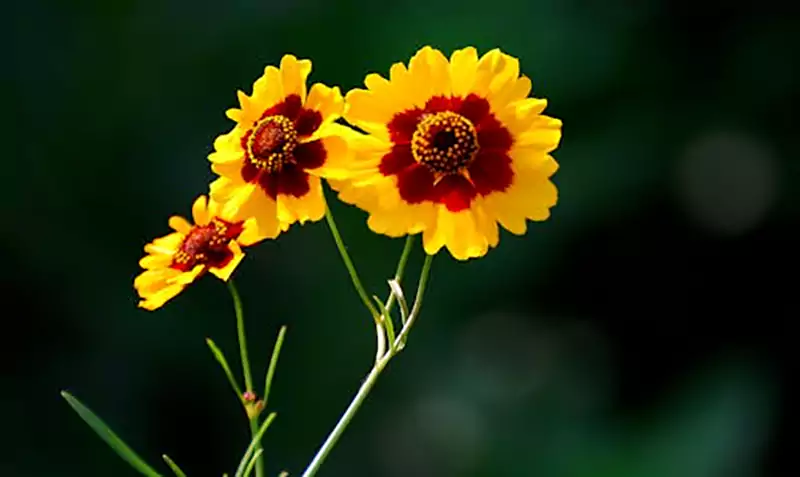
Derived from the Greek words koris, meaning bug, and opsis, meaning like, Coreopsis seeds resemble the shape of a bug. Commonly known as tickseed and calliopsis, they are native to North and South America, and are mostly perennial, meaning they come back every year.
| Overview of Tickseed | |
|---|---|
| Botanical Name | Coreopsis spp. |
| Family | Asteraceae |
| Height | 6 inches to 4 feet |
| Exposure | Full sun |
| Soil Type | Sandy, loamy |
| Soil pH | Acidic, Neutral |
| Plant Type | Perennials, annuals |
| Blooming Season | Summer, fall |
| Color | Yellow, gold, red, orange |
| Tolerance | Deer, drought, dry soil |
| Pollinators | Bees, butterflies |
| Landscaping | Flowerbeds, borders, gardens, containers, flower arrangements |
Also Read: Verbena Plant Care: Propagation, Types, and Common Problems
What is The Symbolism of Coreopsis?
Mainly considered as a symbol of happiness or joy, I think cheerful is the perfect word to describe the appearance and nature of Coreopsis. Also, they were considered a symbol of enlightenment and healing in American culture, and represented love and companionship in the Victorian era. Just like the Gladiolus Flower, which carries a very deep and universal symbolism, Coreopsis has been praised as not only a flower of bright hues but also of emotions and values.
Plus, their different colors are believed to symbolize different emotions and feelings.
| Color | Symbolism |
| Yellow | Joy, Cheerfulness, Optimism |
| Orange | Enthusiasm, Warmth |
| Red | Passion, Love |
| Bicolor | Complexity of emotions |
What is The Botanical Classification of Coreopsis?
Just like me, you all must also be curious about the structure and taxonomy of this vibrant flower, so let’s quickly go through its botanical classification.
| Scientific Classification of the Coreopsis | |
|---|---|
| Kingdom | Plantae |
| Clade | Tracheophytes |
| Clade | Angiosperms |
| Clade | Eudicots |
| Clade | Asterids |
| Order | Asterales |
| Family | Asteraceae |
| Subfamily | Asteroideae |
| Tribe | Coreopsideae |
| Genus | Coreopsis L. |
What Are The Major Species of Coreopsis?
With about 115 species and cultivars, Coreopsis remains a major low-maintenance plant choice among gardeners and botanists. Out of these countless varieties, Lancleaf Coreopsis, Grandiflora, Plains, Moonbeam, Threadleaf, Zagreb, Palmata, Early Sunrise, Rosea, and Tripteris are the major species and types of Calliopsis plant.
1. Lanceleaf Coreopsis
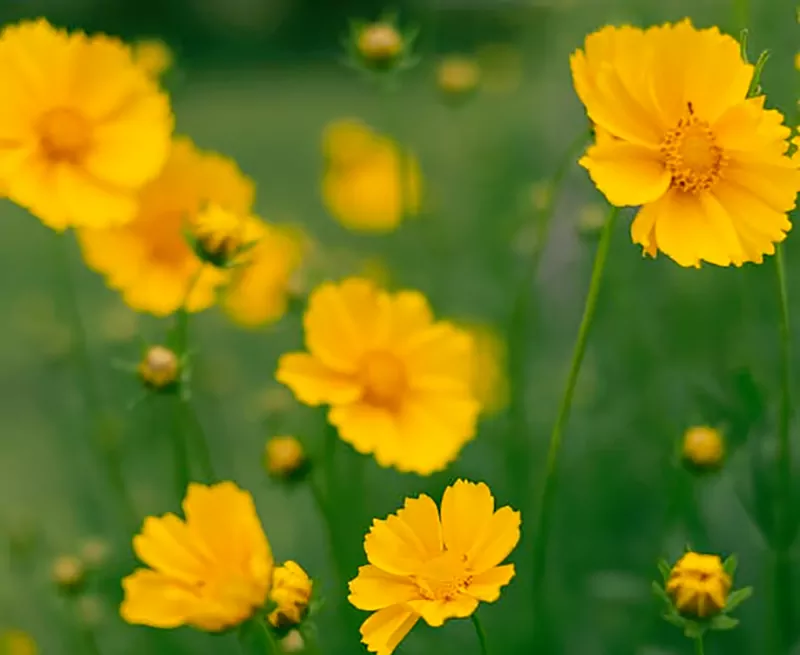
One of the wide varieties of tickseed, Lancleaf Coreopsis, has bright yellow flowers that look like daisies. Undoubtedly, with their lance-shaped leaves and beautiful, toothed blooms, they are the major attraction of my garden.
| Scientific Name | Coreopsis lanceolata |
| Hardiness Zone | 4-9 |
| Height | 1-2 feet |
| Soil Type | Loamy, sandy, well-drained |
| Sun/Shade Preference | Full sun |
| Watering Needs | Low |
2. Coreopsis Grandiflora
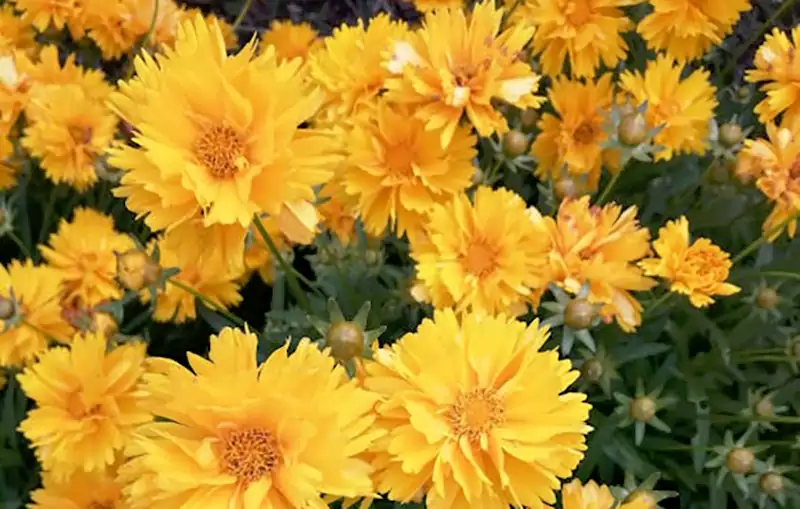
Just like their name, they can be called a grand variety of tickseed, and thus are even referred to as Large-flowered tickseed. With showy yellow flowers and a prolonged blooming season, they are definitely a primary reason for my happiness.
| Scientific Name | Coreopsis grandiflora |
| Hardiness Zone | 4-9 |
| Height | 1-3 feet |
| Soil Type | Moist and well-drained |
| Sun/Shade Preference | Full sun |
| Watering Needs | Low, average |
3. Plains Coreopsis
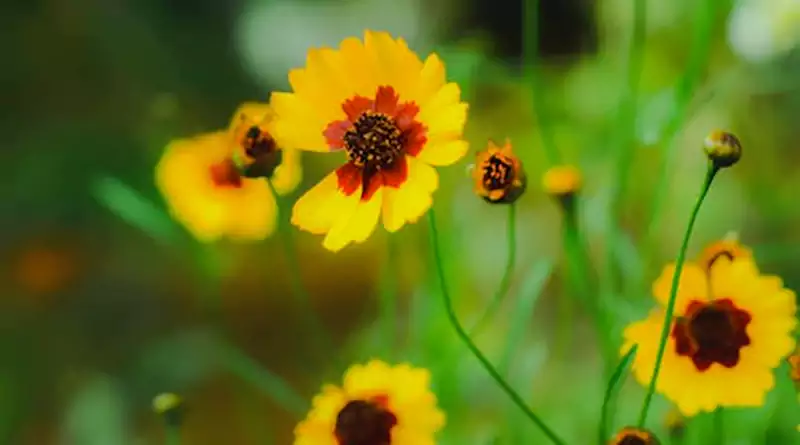
Called by so many names, like Coreopsis Tinctoria, Calliopsis, and Golden Tickseed, this species has yellow flowers with red centres, looking exceptionally phenomenal. Apart from nature lovers, they are also adored by pollinators due to their nectar-rich blooms.
| Scientific Name | Coreopsis tinctoria |
| Hardiness Zone | 2-11 |
| Height | 2-4 feet |
| Soil Type | Chalky, loamy, well-drained |
| Sun/Shade Preference | Full sun |
| Watering Needs | Low |
4. Moonbeam Coreopsis
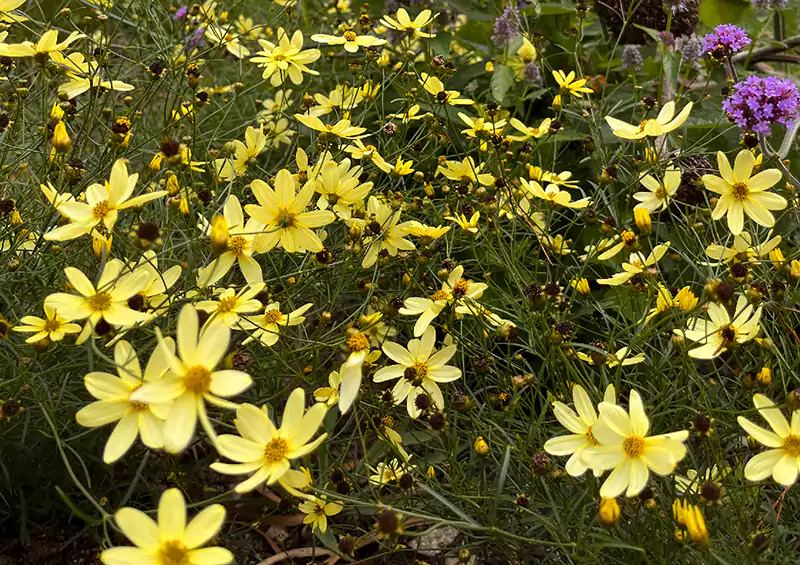
A flowerbed of Moonbeam, a cultivar of Threadleaf tickseed, is what real beauty must look like. Having thread-like leaves with light buttery yellow blooms, these plants are an absolute favorite of bees and butterflies, and serve as a treat to the eyes.
| Scientific Name | Coreopsis verticillata ‘Moonbeam’ |
| Hardiness Zone | 4-9 |
| Height | 1-2 feet |
| Soil Type | Moist and well-drained |
| Sun/Shade Preference | Full/partial sun |
| Watering Needs | Low |
5. Threadleaf Coreopsis
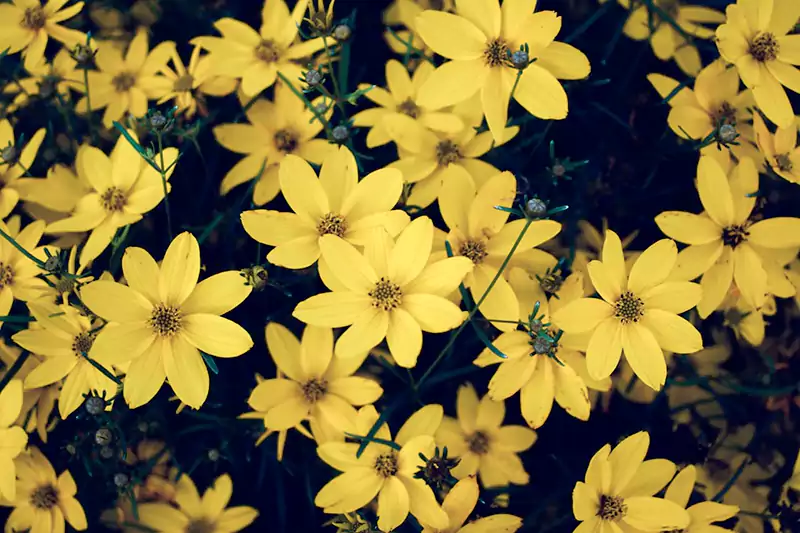
Whorled tickseed and Threadleaf are the common names for the Verticillata species of Calliopsis. Its golden/yellow flowers and dark green leaves create a beautiful, contrasting appearance in mass plantings and cottage gardens, uplifting the visual appeal of your landscape.
| Scientific Name | Coreopsis verticillata |
| Hardiness Zone | 3-9 |
| Height | 2-3 feet |
| Soil Type | Moist and well-drained |
| Sun/Shade Preference | Full sun |
| Watering Needs | Low, average |
6. Zagreb Coreopsis
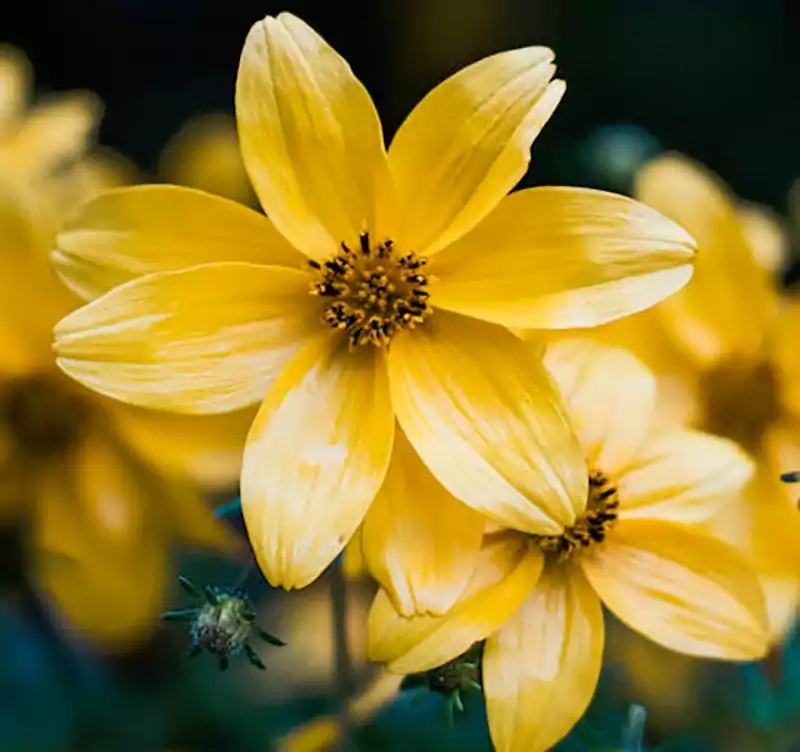
A brilliant cultivar of Threadleaf, Zagreb has the most gorgeous, bright golden blooms and thin, thread-like leaves. Having a longer lifespan, these perennial stunners are much easier to grow and propagate in the hardiness zones of 3-9, keeping the gardeners stress-free.
| Scientific Name | Coreopsis verticillata ‘Zagreb’ |
| Hardiness Zone | 3-9 |
| Height | 1-2 feet |
| Soil Type | Moist and well-drained |
| Sun/Shade Preference | Full sun/partial shade |
| Watering Needs | Low |
7. Coreopsis Palmata
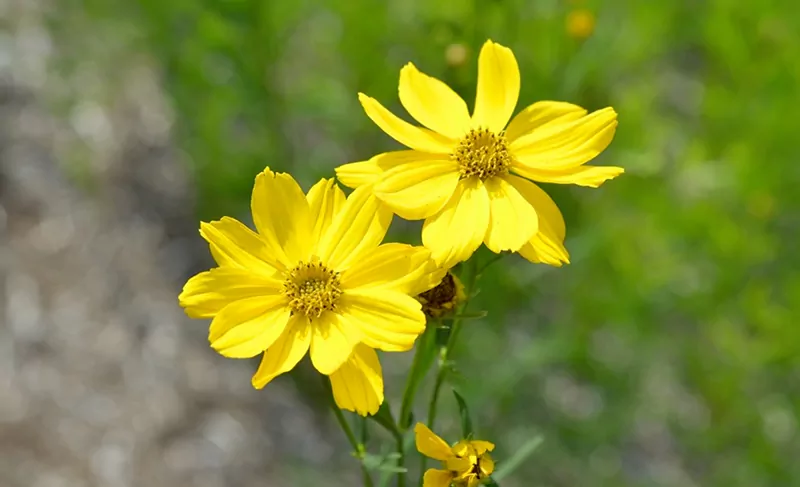
Nicknamed Stiff Tickseed, Palmata is a must-add species to your garden for its stunning pale yellow blooms and thin leaves that are divided into 3 narrow lobes. Plus, you will be mesmerized to see their leaves turning red in fall, attracting many pollinators with their beauty.
| Scientific Name | Coreopsis palmata |
| Hardiness Zone | 3-8 |
| Height | 1-3 feet |
| Soil Type | Sandy, loamy, well-drained |
| Sun/Shade Preference | Full sun |
| Watering Needs | Low, average |
8. Coreopsis Early Sunrise
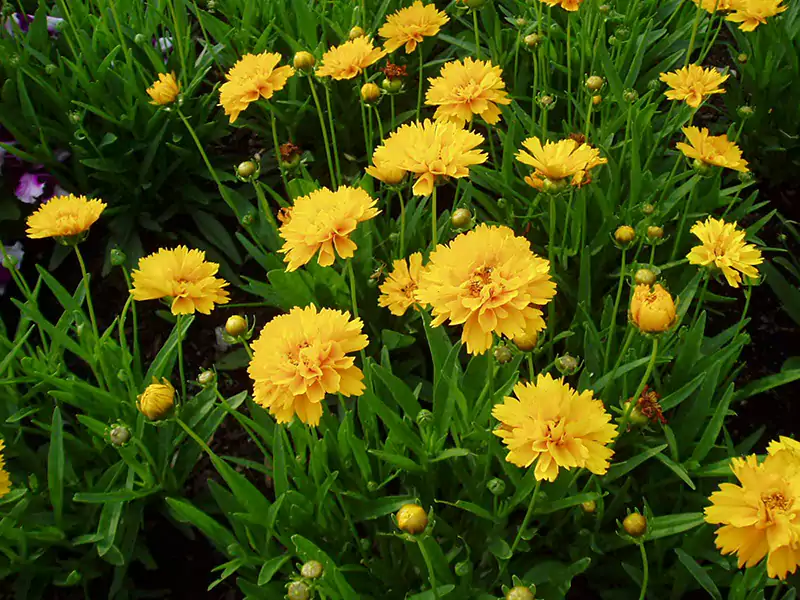
A showstopper for real, this cultivar of grandiflora lights up the entire garden with its golden, semi-double blooms and attractively ruffled petals. Plus, these are one of the types that bloom way earlier than other varieties of tickseed, thus becoming an ideal choice among gardeners.
| Scientific Name | Coreopsis grandiflora ‘Early Sunrise.’ |
| Hardiness Zone | 4-9 |
| Height | 1-2 feet |
| Soil Type | Loamy, sandy, well-drained |
| Sun/Shade Preference | Full sun/partial shade |
| Watering Needs | Low |
9. Coreopsis Rosea
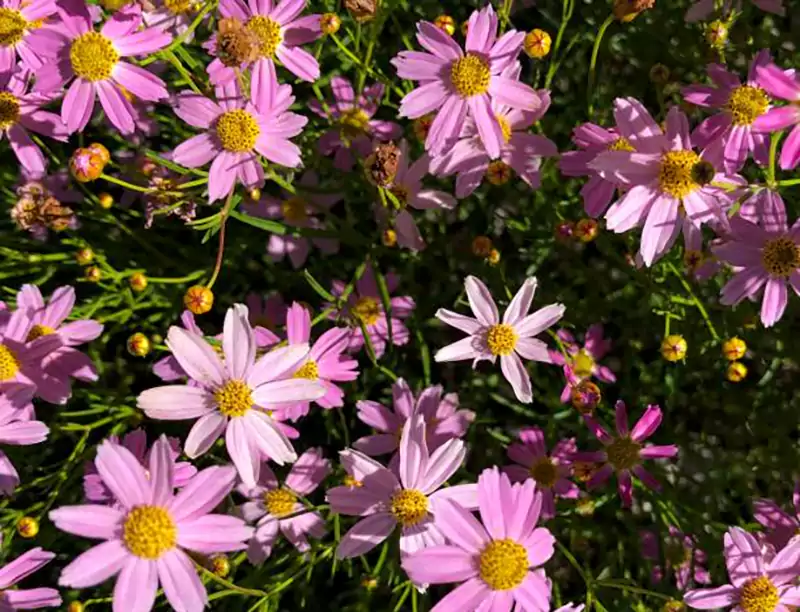
Pink rose flowers, golden centres, and thread-like foliage all make this variety a unique species among the other dominant yellow tickseed flowers. If you are looking for landscaping plants, especially for borders, cottage gardens, and rock gardens, end your search by picking up this distinct species.
| Scientific Name | Coreopsis rosea |
| Hardiness Zone | 3-9 |
| Height | 1-2 feet |
| Soil Type | Sandy, moist, and well-drained |
| Sun/Shade Preference | Full sun |
| Watering Needs | Average |
10. Coreopsis Tripteris
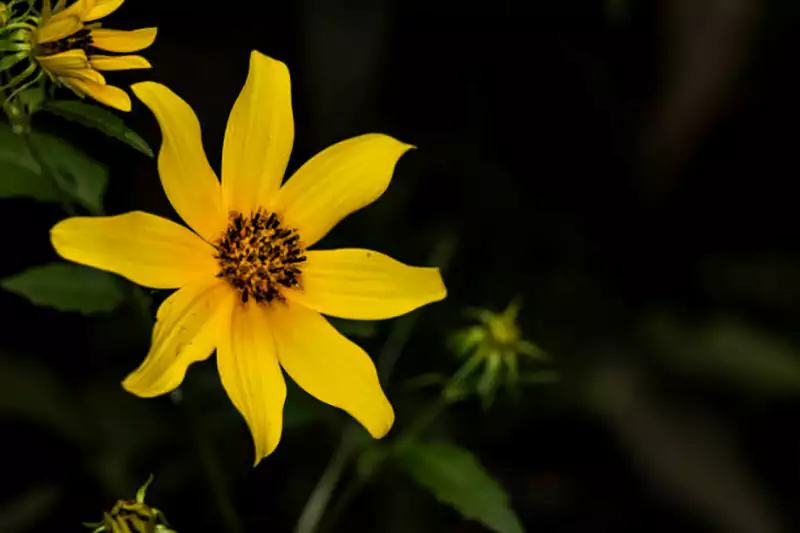
Growing as tall as 8 feet, this variety is also called tall tickseed. They’re daisy-like, yellow perennial blooms that have brown centres, exceptionally rich in nectar, and are loved by pollinators. Looking beautiful in wildflower gardens and meadows, they are an absolute favorite of gardeners.
| Scientific Name | Coreopsis tripteris |
| Hardiness Zone | 3-8 |
| Height | 4-8 feet |
| Soil Type | Well-drained |
| Sun/Shade Preference | Full sun |
| Watering Needs | Low, average |
How Can I Take Care of The Tickseed Plant?
You can take care of the Tickseed plant by adequately watering, providing enough sunlight, keeping the soil well-drained, and pruning when necessary.
1. Watering
If you want your Coreopsis to stay healthy, don’t compromise with their watering needs. Now, this doesn’t mean making the soil soggy, but regularly watering them until they are established. Once established, I was absolutely stress-free, as these daisy-like flowers are drought-resistant.
2. Sunlight
Just like water, sunlight is also one of the most important ingredients in the growth of these plants, which literally made my plant bloom to its fullest. So, provide these beauties with full sunlight for at least 6-8 hours daily to keep them cheerful. You might feel that the flowers are doing well with partial shade, but in reality, they become thin and leggy over time.
3. Soil Requirements
As per my experience, probably, the best part about the plant is its tolerance to all types of soil, making gardeners and botanists tension-free. But, at the same time, it is very important to provide well-drained soil to them, as waterlogging can hinder the growth of these stunners. Other than that, they work well with all soil types, sandy or loamy, acidic or neutral.
4. Hardiness Level
Thanks to their hardiness level 4-10, my plant was able to survive and withstand extreme weather conditions and winters. But, at the same time, it is important to understand that this level can vary as per their species. Its resilience and tolerance to cold temperatures are other important reason that makes it a primary choice among gardeners.
5. Temperature
As mentioned earlier, being a full sun lover, these plants like warmer temperatures. So, make sure to keep the temperature around 70 to 80 degrees Fahrenheit for them, especially during the day. There is no need for you to worry about the high humidity levels, as they can easily tolerate that.
6. Pruning
Pruning is important to make these already beautiful plants more stunning. If you think some flowers have faded and are destroying the overall plant, remove or deadhead them immediately. This is a healthy practice that promotes the growth of new flowers and keeps the plant tidy.
7. Fertilizer Requirement
There was absolutely no need for any fertilizers, too, as just a good, well-drained soil was enough for the development of my plants. But if you feel you have poor soil, consider mixing compost with it, especially at the beginning of spring.
How Can I Grow And Propagate Coreopsis?
You can conveniently grow and propagate Coreopsis by division, seeds, or even cuttings.
- Division – If you notice that the number of blooms has decreased, it’s a strong indication of the need to divide the plant. So, dig the plant, divide it into clumps, and replant them in full sun.
- Seeds – You can also easily grow the plant with seeds indoors or even outdoors. All I did was plant the Coreopsis seeds about 2 inches deep and keep the soil warm and well-drained. Only after 2 weeks, I noticed that the seeds started to germinate.
- Cuttings – Don’t forget to remove the leaves from the cuttings of about 10-15 cm before planting them in a well-drained potting mix to have the most beautiful flowers.
Also Read: 23 Best Tall Flowers for Your Garden: Top Varieties & Care Guide
What Are The Common Issues Faced by Coreopsis Flowers?
Mostly resistant to diseases, Coreopsis plants are recognized as some of the best low-maintenance plants. However, they may face issues like pest attacks and fungal infections if you are not considerate towards their environmental needs. Much like the Celosia Flower, Coreopsis thrives when provided with proper sunlight, well-drained soil, and adequate air circulation, helping to prevent common plant health problems.
- Leaf Spot – Brown or purple spots that are mainly caused by pathogens living in the soil. Ensure watering from below rather than splashing water above the leaves to avoid leaf spot.
- Mildew – If you ever notice spots on the leaves and a white powdery deposit on the foliage, your plant is either suffering from downy mildew or powdery mildew. Keep a check on your plant and provide appropriate growing conditions to prevent such infections.
- Common Pests – Generally, they are resistant to pests, but snails, slugs, and spider mites can attack these beauties. So, it’s important that you provide a suitable environment for the plant with plenty of air circulation.
- Rot – Both crown and root rot are possible in Coreopsis if provided with poor soil. So, ensure that you have a well-draining soil with enough circulation to prevent the plant from rotting and dying.
Also Read: 50 Fall Flowers: African Daisy, Calibrachoa, Petunia, Nemesia, and More!
What Are People’s Opinions on Bright Tickseed Flowers?
People’s experience and useful tips can prevent you from making mistakes and encourage new growth in your plant.
- Character-Drawing-76 on Reddit rightly points out the need to prune and deadhead the tickseed to prevent the plant from thinking that there is no need to try hard to grow, which will eventually lead to its death.
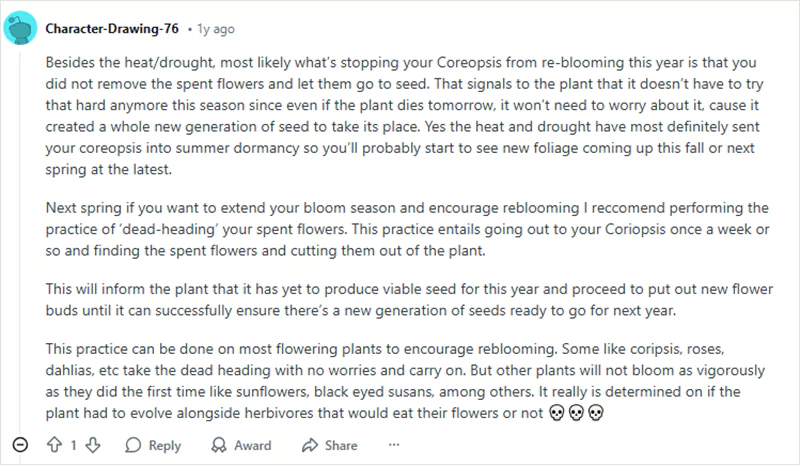
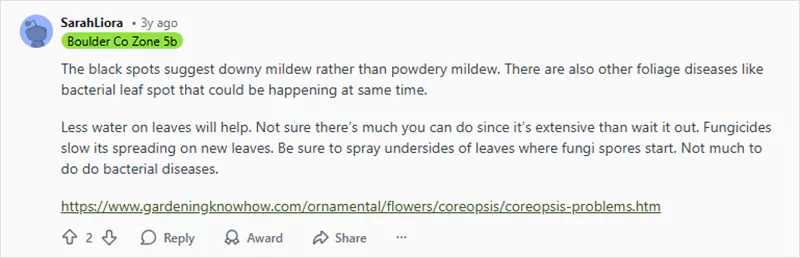
- As mentioned by a Reddit user, using fungicides and watering less on the leaves of the plant can prevent it from mildew, leaf spot, and rot.
Conclusion
A low-maintenance plant with remarkable beauty, Coreopsis is the dream flower for gardeners and nature lovers.
Having over 100 types, Lancleaf Coreopsis, Grandiflora, Plains, Moonbeam, and Threadleaf are the most common varieties of tickseed.
Additionally, you can grow and propagate the tickseed easily with proper care and adequate growing conditions.
FAQs
Why is Coreopsis called tickseed?
Are Coreopsis perennial plants?
Yes, Coreopsis is both a perennial and an annual plant.
Is coreopsis summer or winter?
Coreopsis is largely a summer-blooming flowering plant that grows well in warm climates.
What is the lifespan of a coreopsis?
Typically, 1-5 years is the lifespan of a Coreopsis as it is both an annual and a perennial.
Should coreopsis be cut back in the fall?
Yes, Coreopsis must be cut in the fall as it removes the deadhead flowers and prepares the plant for spring.
Source –
Latest Blog