The sedum plant should receive at least 6 hours of sunlight to have healthy growth. Some varieties, like Sedum spurium, can tolerate partial shade.
However, less sunlight leads to less vibrant blooms as compared to complete sunlight.
Author
Swati MishraLast Update
August 24, 2026
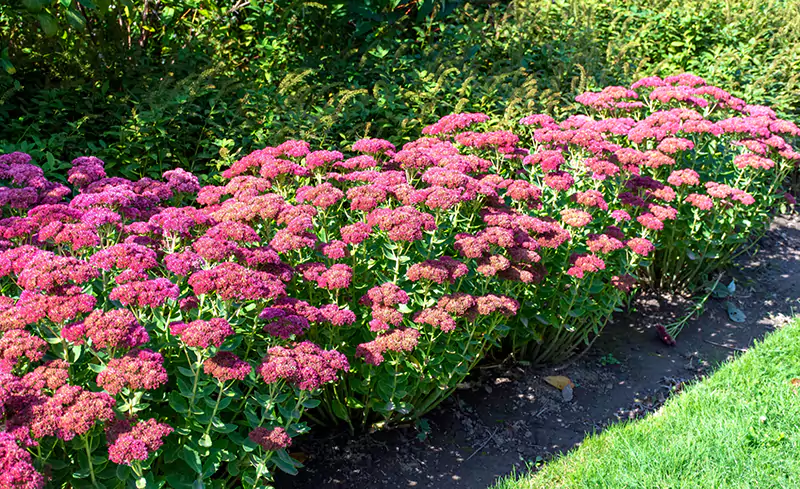
There is no better way of adding colour to your living space than growing blooms that flower all year long. The sedum plant in my garden border and hanging baskets have always started conversations during family events.
However, a large part of this admiration comes with the concern of planting and maintaining it throughout the year.
Contrary to this concern, in my journey as a gardener, the Sedum succulent is one of the easiest and low-maintenance plants I have grown. Explore and learn about how the sedum plant can be the next hassle-free addition to your garden.
Also known as Stonecrop, the Sedum plant is a type of flowering succulent plant that derives its name from the Latin word ‘sedere’, meaning ‘ to sit’, which explains one of its uses as a garden mat very well.
Typically, it is used ornamentally for garden hedges or ground covers. The Sedum succulent is extremely hardy with thick and fleshy leaves.
This fall flower blooms from mid-summer to fall and is a magnet for pollinators like bees and butterflies.
With over 400 species in different colours and sizes, some of the herbaceous species are now classified under the Hylotelephium genus.
Get to know more about the Sedum succulent through its scientific categorisation:
| Botanical Name | Sedum spp. |
| Family | Crassulaceae |
| Genus | Sedum L. |
| Kingdom | Plantae |
| Class | Magnoliopsida |
| Order | Rosales |
| Division | Magnoliophyta |
| Plant type | Perennial |
Features of the Stonecrop Sedum
| Plant Size | 6-24 inches tall and 12-34 inches wide |
| Sunlight | 6 hours of sunlight, partial shade |
| Soil type | Loamy, sandy, and well-drained |
| Soil pH | Acidic, neutral |
| Bloom time | Late summer, fall |
| Hardiness zones | 3-10 USDA |
| Flower colour | Pink, yellow, red, and white |
There are over 400 types of the Sedum plant, classified under 3 varieties according to their growing habits.
There are 3 Sedum stonecrop varieties:
The sedum ground cover plants form a dense, mat-like foliage on the ground and are used for ground covers due to their low-growing nature.
The small, dense foliage is perfect to give a natural mat-like finish to your rock gardens.
Popularly used as garden borders, this tall flower variety grows up to 1-3 ft and attracts pollinators such as bees and is ecologically beneficial for the garden.
The variety with large stems that fall over walls and edges of the pots. They are ideal for hanging baskets and plant containers, and produce clusters of small star-shaped flowers.
Here are the most popular ones:
| Name | Variety and Feature | Image | ||||
| Autumn Joy Sedum |
|  | ||||
| Sedum spurium |
|  | ||||
| Sedum adolphii (Golden Sedum) |
|  | ||||
| Sedum ternatum |
|  | ||||
| Angelina Sedum Plant |
|  | ||||
| Sedum Kamtschaticum |
|  | ||||
| Sedum Lime Zinger |
|  | ||||
Also Read: Green Bean Plant: Major Types, Growing, and Cultivation Tips
The perennial, drought-resistant sedum plant thrives in loose, loamy, well-draining soil and is a really easy plant to grow without any special care and tricks:
Take a look and understand the plant requirements:
Ideally fit to grow in any temperature, high temperatures can damage the leaves of the plants.
The leaves of the succulent sedum are drought-resistant and can survive in dry conditions as well.
There are 3 methods for growing sedum plants: seeds by division, and potted plants. I use the potted plants method because it’s much more convenient and less time-consuming.
Based on the following steps for each of the methods, you can choose your preference:
| Method | Image | Procedure |
| Using Sedum Seeds |  |
|
| By Root Division |  |
|
| Using Potted Plants |  |
|
Potting mix for the sedum stonecrop
|
Note: Perlite is a lightweight granular material made from expanded volcanic gas heated up to 1000°C. It is extremely porous, can hold water and improve drainage, making it ideal for well-draining soil.
Read next: Celosia Flower: How to Grow and Care?
The sedum plant is not too demanding and can grow on its own when provided with the optimal growing conditions like sunlight, watering, and temperature , much like the Gladiolus Flower, which also thrives with basic care requirements.
Although these are some care tips I followed to avoid the risk of any damage and to ensure healthy growth:
The sedum/stonecrop plant does not require fertilizer while growing. A slow-release fertilizer during planting is a good option, but using excess added supplement can cause damage as well.
If you want to, use a liquid balanced fertilizer (15-15-15), ¼ tablespoon per gallon of water.
Although not essentially required, pruning sedum plants helps in maintaining shape, preventing flopping and encouraging new growth.
The best time to cut back the sedum plant is early spring or fall.
Contrasting the beautiful flowers of sedum with other blooms will instantly elevate the vibe and mood of the garden.
I do this every year with 7 flowers in rotation, and the result does not disappoint at all.
| Name | Description | Image |
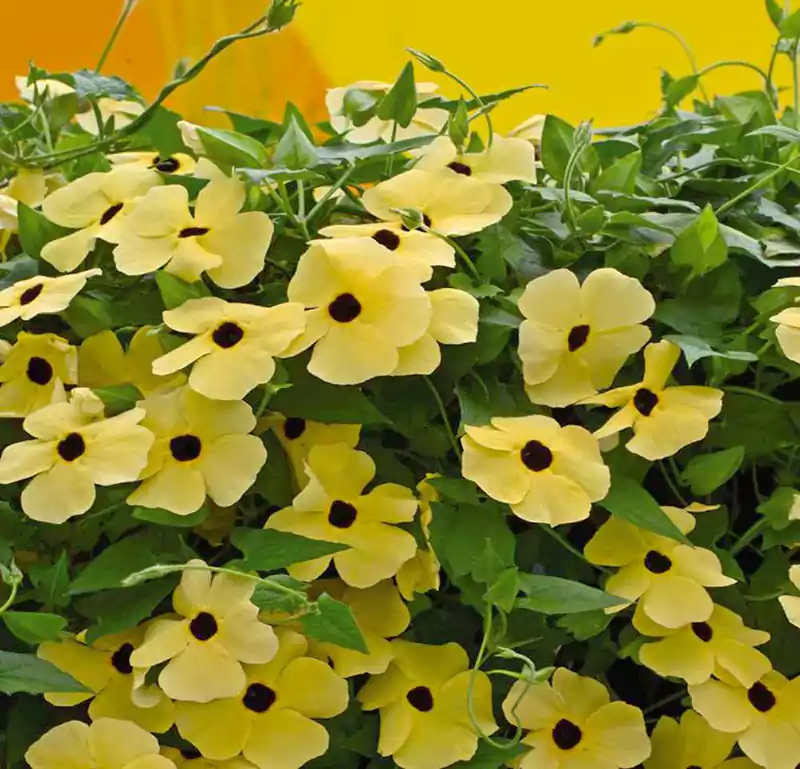
| Black-eyed Susan |
|  |
| Lavender |
|  |
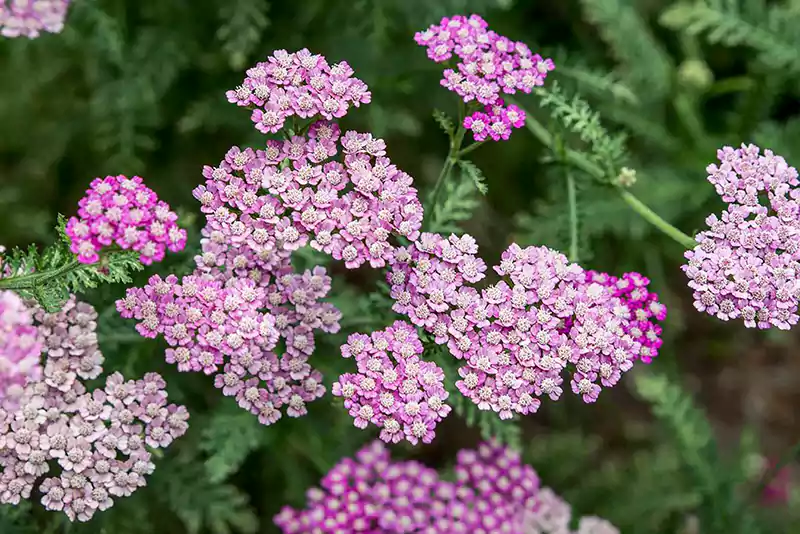
| Yarrow |
|  |
| Daylilies |
|  |
| Salvia |
|  |
| Coral bells |
|  |
| Phlox |
|  |
Apart from these, there are plants like Aloe vera and agave that are great companions for the sedum plant. Along with options such as a Bonsai Tree, They are ecologically beneficial as they repel certain pests like aphids, which might harm the plant, and also add an extra texture and colours to the garden.
Along with being a beautiful addition to our living space, the sedum plant is also believed to have health benefits like soothing skin irritation, indigestion, being anti-inflammatory, and environmental benefits of acting as a natural insulation.
There have always been discussions about plants having health and environmental benefits, which is true to a large extent. However, when such claims are backed by verified research portals, their uses become even more reliable.
Take a look at what research says about the sedum/ stonecrop plant:
| Research Summary Box 1 Study Year: 2024 Sample type: In vitro plant cell structures of Sedumtelephium Key findings: Sedumtelephium, a species of the sedum plant, had components like quercetin, which is responsible for the anti-inflammatory properties. Sources: National Center for Biotechnology Information |
| Research Summary Box 2 Study Year: 2019 Sample type: Sedum plant species and bare substrate cells Key findings: This research was done to analyze the impact of green roofs/ plant species on reducing the thermal properties of buildings to mitigate climate change. Sedumacre cells were significantly better at reducing the interior sensor’s daily temperatures as compared to the bare cell substrates. Sources: Influence of Sedum Species on Thermal Performance of Green Roofs in a Mediterranean Climate |
The sedum plant is a great addition to your house, especially if you love flowers. It offers a wide range of varieties, from mat-growing to creeping species, catering to various needs and preferences. These species are easy to grow and care for throughout the year.
Additionally, the whole process of growing these low-maintenance flowers is refreshingly simple and fulfilling for me. So, if garden beds or hanging blooms are your vibe, sedum plants should be the next thing you grow this spring.
The sedum plant should receive at least 6 hours of sunlight to have healthy growth. Some varieties, like Sedum spurium, can tolerate partial shade.
However, less sunlight leads to less vibrant blooms as compared to complete sunlight.
The stonecrop sedum has over 400 species, which include trailing sedums with long stems like sedum morganianum that are planted in containers, ideal for hanging baskets.
Ideally, it is recommended to cut back sedums during early spring. You can prune the plant for a little tidy look, but avoid heavy cutting as the new growth would get damaged by the frost.
No, most of the sedums are considered non-toxic for dogs and cats. Although overconsumption can lead to nausea or diarrhea. Always consult a vet for further evaluation.

Premium home decor & furniture — crafted for comfort, designed for you.
Copyright © 2026 Abodelook.