The practice helps in suppressing weeds naturally, preventing pests, and attracting pollinators for better growth and fruit production.
15 Best Zucchini Companion Plants for Your Garden
Author
Rashika GuptaLast Update
September 25, 2026
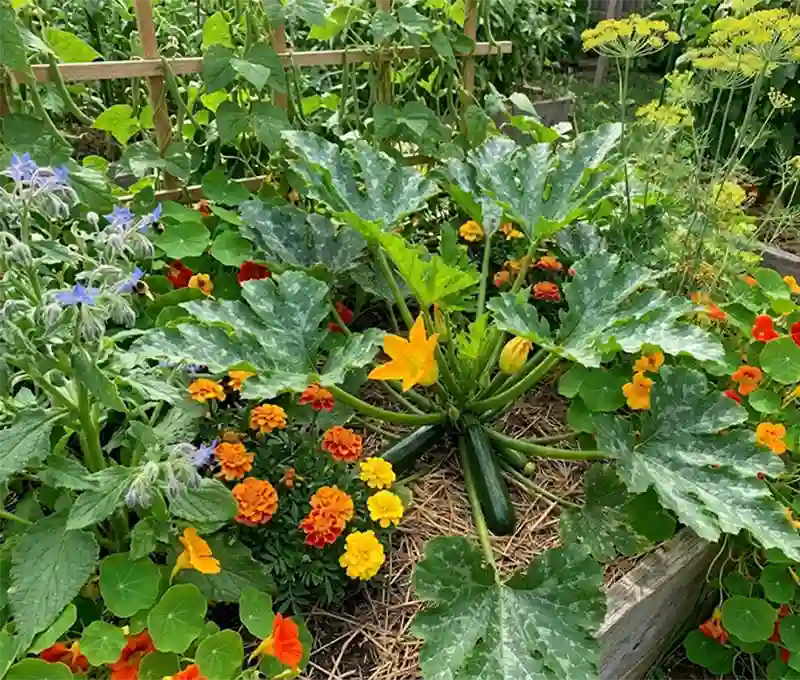
Zucchini, also known as courgette, is absolutely prolific in the garden and a staple in summer cuisine. I find this annual plant’s easy-to-grow nature truly amazing, which leads to an abundant crop. However, I know that it attracts pests and takes up a lot of space. But what if I tell you that practicing companion planting with this plant can keep the pests away and improve its yield?
Read ahead to discover the top 15 zucchini companion plants and also learn the plants that should not be grown with it.
Quick Answer
The best companion plants for zucchini are basil, beans, peas, marigolds, nasturtiums, corn, catnip, and tansy. The plants that should be avoided alongside zucchini are potatoes, fennel, and brassicas.
Table of Contents:
15 Best Companion Plants for Zucchini
Zucchini is a type of summer squash plant that is pretty simple to grow. However, you can go for companion planting for zucchini with basil, dill, marigolds, borage, and beans to support its health and deter pests naturally.
Let’s uncover the top 15 companion plants for zucchini and squash:
1. Basil
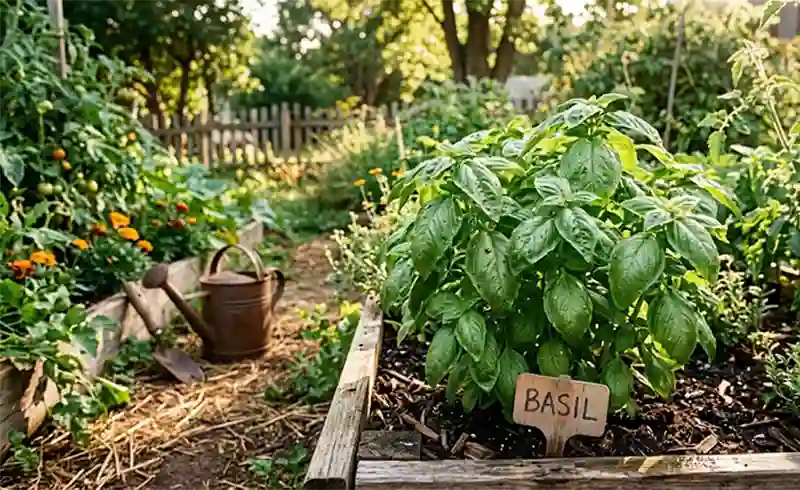
Basil is one of the best choices to grow with zucchini, as it helps to repel the pests whiteflies and aphids. It prevents powdery mildew and has a strong odour that deters many insects. This plant suppresses weeds and the proliferation of bacteria. Thanks to its compact growth, it saves space and fits into the small gaps around the large zucchini plant.
2. Dill
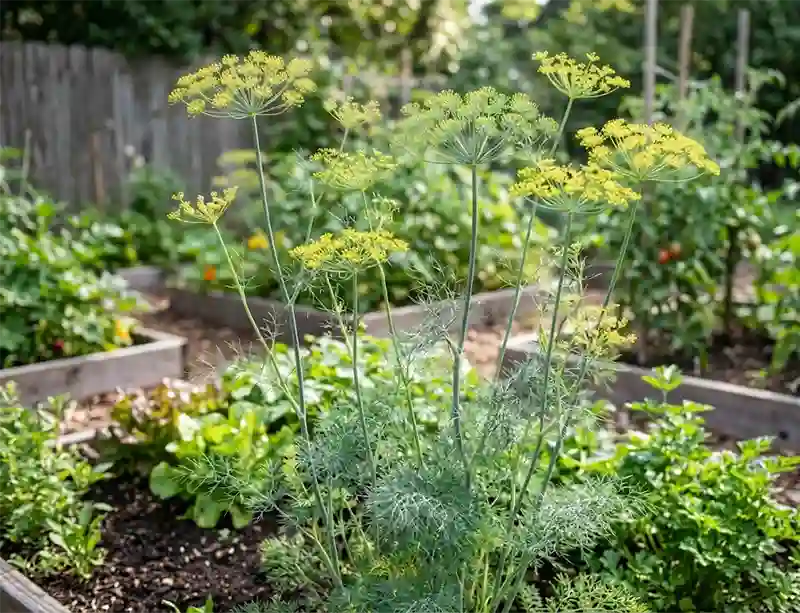
Dill is an aromatic herb and one of the best companion plants for squash. This plant attracts beneficial insects like ladybugs and hoverflies that prey on aphids. It also attracts predatory wasps that prey on damage-causing caterpillars. The plant produces yellow flowers that attract pollinators in the growing season. Young dill plants also benefit the growth and vigour of the young zucchini seedlings.
3. Beans
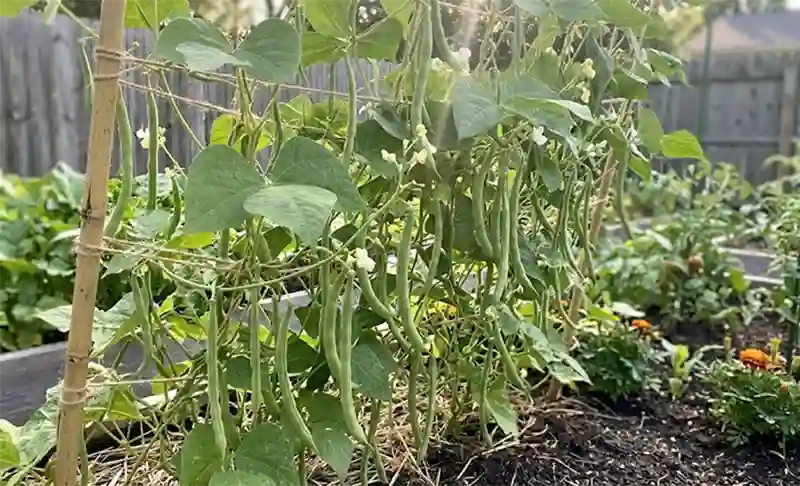
Beans are nitrogen fixers that are host plants to a bacterium called Rhizobium. This bacterium pulls nitrogen from the atmosphere and makes it available to the plant. The plant is known to build soil fertility for itself and nearby plants, working well for the heavy feeders like summer squash.
4. Corn
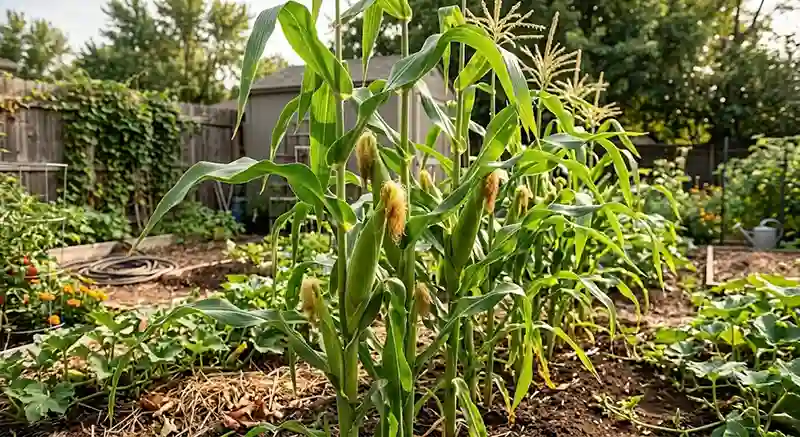
Squash, corn, and beans are traditionally grown together as three sisters in North America. The corn acts like a living trellis for beans and provides shade to the plants. It saves the zucchini leaves from scorching and decreases overall heat stress on the plant. Corn also supports pollinator activity and improves garden productivity.
5. Borage
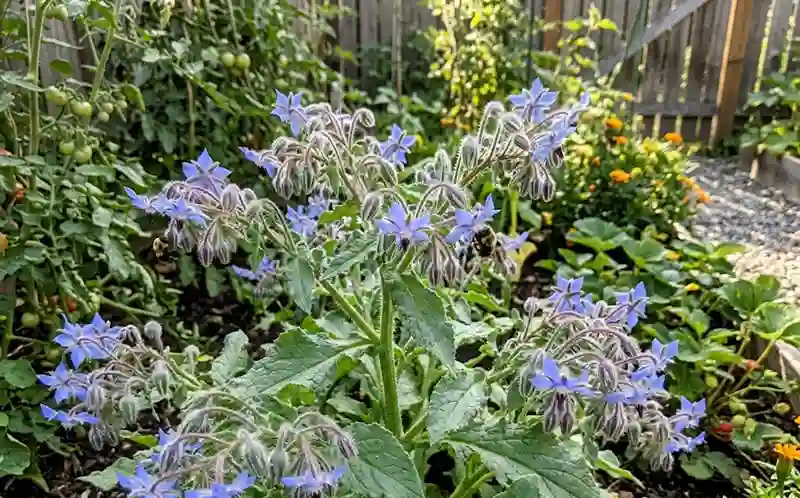
Borage is beneficial for growing summer squash and helps deter pests from the plant. As a bonus, it adds a striking appeal to the garden with star-shaped edible blue flowers and fuzzy green leaves. The plant attracts pollinators to the landscape and enriches the soil quality and growth of the plants thriving alongside it.
6. Marigolds
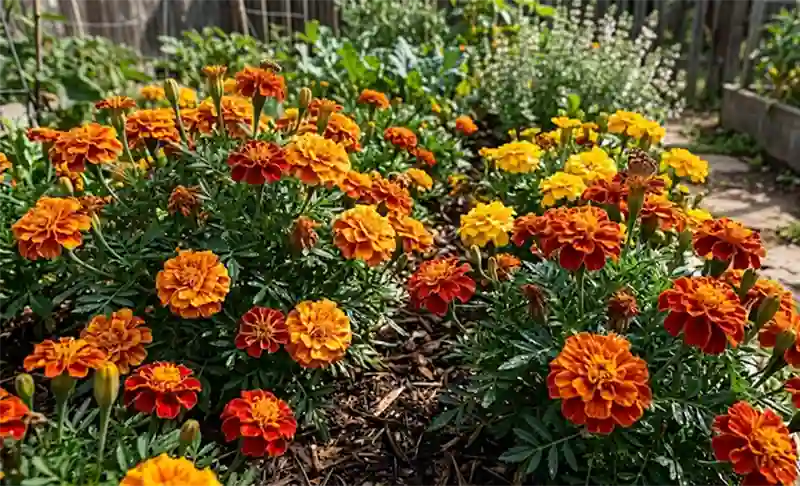
Along with herbs and vegetables, you can grow marigolds as ornamental plants with your summer squash plant. This is excellent at deterring pests, including aphids, whiteflies, squash bugs, and nematodes. Marigolds release a compound known as pyrethrum that is considered nature’s bug spray. These are excellent plants with vibrant flowers for planting along with courgette, promoting plant growth and improving soil health.
7. Nasturtiums
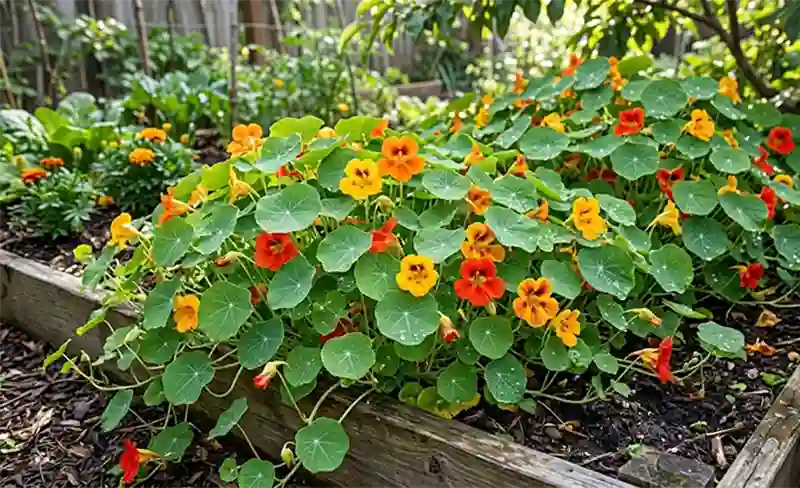
Nasturtiums are great for courgette companion planting. They feature annual flowers that are wonderful for backyard design, serving multiple roles. The blooms act like a pollinator magnet and support fruit production in summer squash. Nasturtiums also work like a trap crop for flea beetles, striped cucumber beetles, and squash bugs. These plants act as a living mulch to prevent weed pressure and moisture loss.
8. Sweet Alyssum
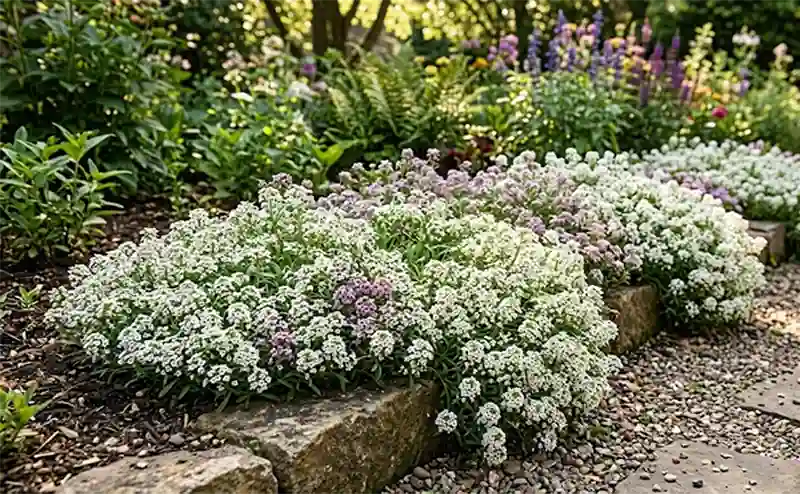
Sweet Alyssum has a sweet scent and a low-growing habit that helps keep pests away from zucchini plants. It also attracts predatory bugs to prevent aphids. This is a pollinator-friendly plant that does not compete with surrounding crops.
9. Calendula
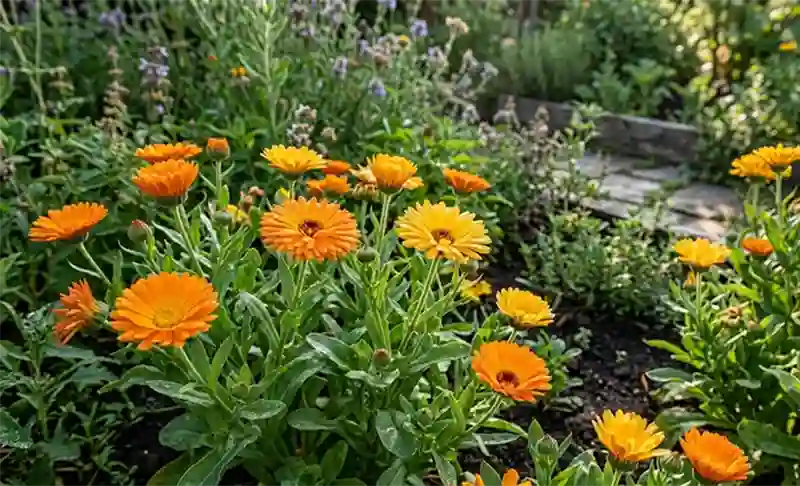
Calendula, also called pot marigold, is one of the best courgette companion plants. It features orange blooms that attract both pollinators and predators like hoverflies, lacewings, and parasitic wasps that prevent the growth of many pests.
10. Thyme
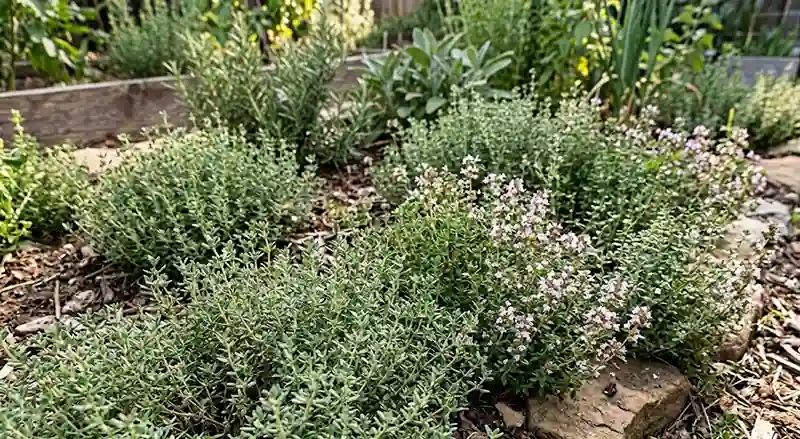
Thyme is a beneficial companion for planting yellow squash or zucchini. It has a compound called thymol that protects the plants from soil-borne pathogens as well as pests. The flowers also attract beneficial insects. You can plant the red creeping thyme variety if you want something for ground cover.
11. Catnip
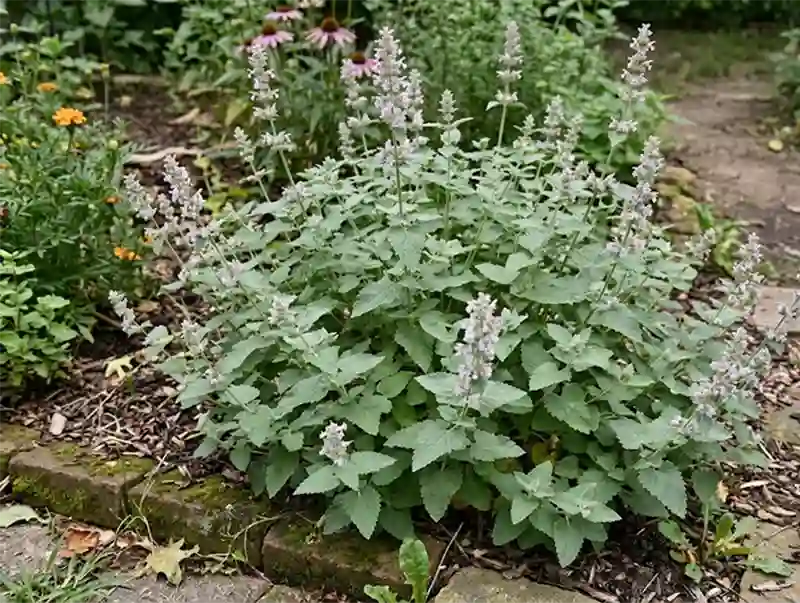
Catnip is a good companion plant for zucchini varieties. The plant has edible leaves and flowers with a slightly mint flavour. In the garden, it not only helps repel ants, aphids, and squash bugs but also mice, rats, and other rodents.
12. White Clover
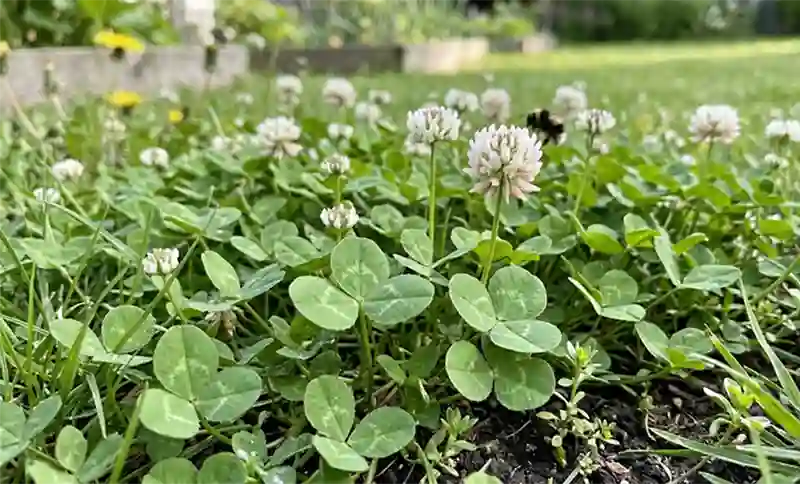
Similar to other legumes, white clover is a nitrogen fixer that helps replenish the soil with essential nutrients for the zucchini family. It helps to keep the plant healthy and promotes abundant harvest. Be careful when cutting back the plants before they drop their seeds. Otherwise, they will act like a weed and take over the garden.
13. Alliums
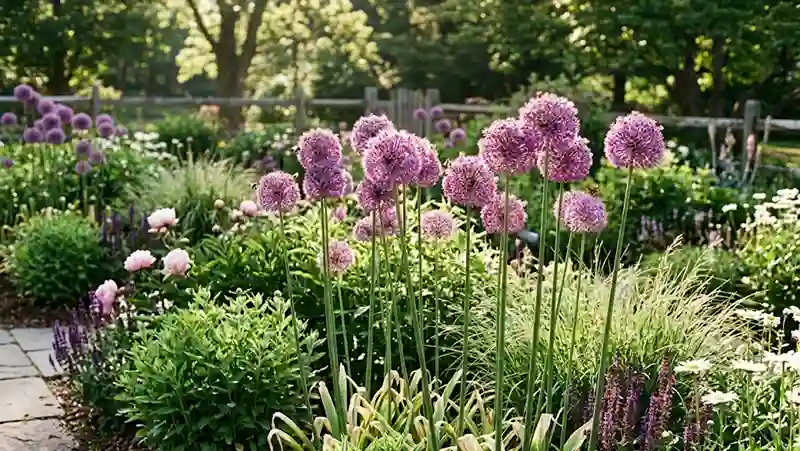
Alliums like onions and garlic are considered good for companion planting zucchini. They have a strong reputation for deterring pests with their aroma. The other benefit is that onions loosens the soil with their bulbs, which helps zucchini’s shallow roots.
14. Peas
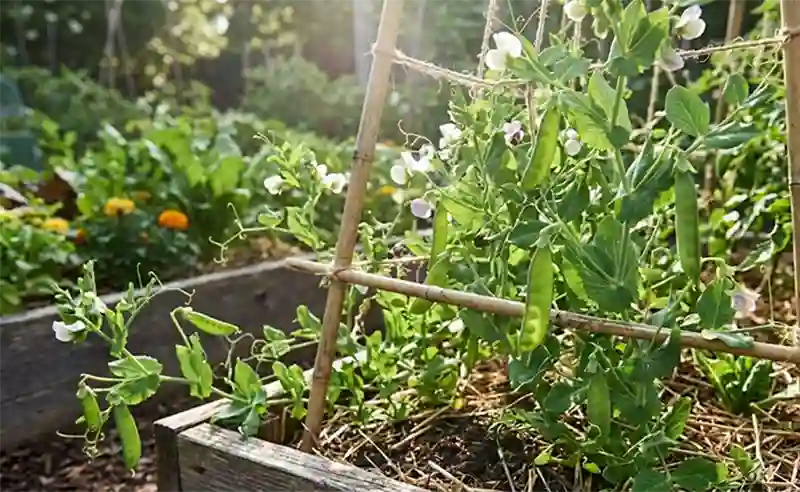
Peas saturate the soil with nitrogen and enhance the yield for the surrounding plants. It grows on a trellis and does not crowd the plants around them. Sow them at the time when you transplant the zucchini seedlings.
15. Tansy
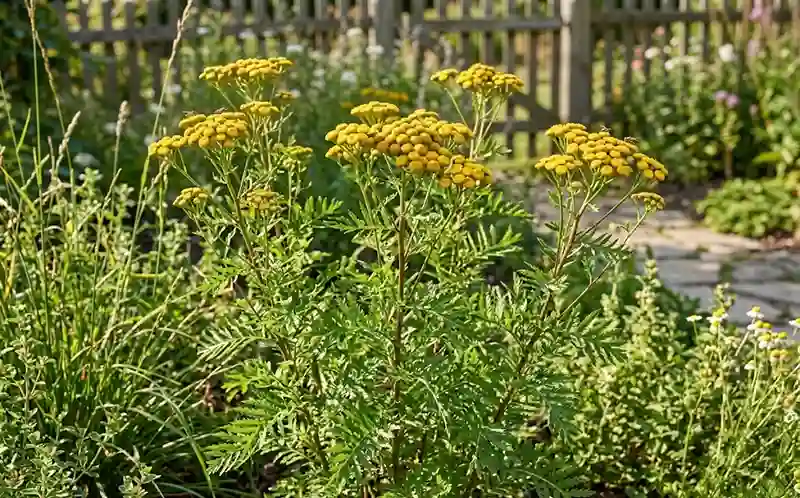
Tansy is a great addition for zucchini companion planting. It is a cute plant that concentrates potassium in the soil and benefits nearby plants. This effectively repels cutworms, cucumber beetles, cabbage worms, ants, mosquitoes, and fruit moths.
Plants to Avoid Growing with Zucchini
As you have learned what to plant with zucchini, it’s important to also know which plants should not be grown with it to keep it healthy. Some of the bad companion plants for zucchini are potato, fennel, and winter squash that negatively affect the plant’s health.
Potato
Potato is considered a bad companion plant for squash, as it is a heavy feeder and competes with other plants for nutrients. In humid and warm weather, they can increase the risk of blight that affects both zucchini and potato. Growing these two plants together can increase the chances of spread.
Fennel
Fennel secretes the allelopathic compound that stunts the growth of nearby plants. Also, it has a strong flavour and aroma that impacts the taste of the vegetables, including zucchini. If you want to grow this in your garden, isolate it in containers or metal raised beds.
Winter Squash
Winter squash plants like pumpkins and butternut squash can get unruly at any time. They have sprawling vines that can choke the zucchini and block sunlight exposure. The vines will also make the regular harvesting of zucchini fruits challenging.
Brassicas
Brassica group plants like cabbage, kale plant, broccoli, and cauliflower are prone to pests and might attract them closer to the summer squash. Also, these are heavy feeders and compete with the zucchini plant for nutrients.
Benefits of Companion Planting
Companion planting is an organic method to grow specific plants together that support each other’s growth. It is a beneficial technique to improve soil quality, save space, and control pests.
Here are the benefits of companion planting:
- Improves Soil Quality: Some crops are nitrogen fixers that reduce the need for fertilizers. It’s considered beneficial to grow plants with different root structures nearby. This aerates the soil and allows the plants to pull nutrients from different parts of the soil.
- Maximizes the Garden’s Space: Companion planting helps utilize space in a small garden, as you can grow multiple plants in one area. Growing herbs like oregano, sage, dill, and chives is great for vegetable plants, as they don’t take up much of the space.
- Controls Pests Naturally: Some plants work like organic pest control. They either repel insects or confuse them with their strong aroma. These plants also attract predators like lacewings, ladybugs, and parasitic wasps to minimize the pest population.
- Suppresses Weed Growth: The companion plants with thick foliage and lush growth habits shade the soil and prevent the growth of weeds. Plants like borage and marigolds are considered effective for weed inhibition due to their thick foliage.
- Boosts Harvest and Pollination: Many vegetable crops are not self-fertile; they need pollinators for increased yield production. Some plants like calendula, borage, and cosmos are excellent for attracting pollinators to the landscape.
Concluding Remarks
Now that you have understood what grows well with zucchini, you can enjoy the abundant fruits throughout the season. The zucchini companion plants like peas, tansy, white clover, catnip, and thyme are beneficial for making the plant more productive. However, it is important to note that companion planting should not replace the proper preparation and maintenance of the garden.
FAQs
What are the benefits of companion planting with squash?
What not to plant with zucchini?
Plants like potatoes, fennel, winter squash, and brassicas should be avoided when planted along with zucchini, as they are bad companion plants zucchini and affect its health negatively.
How to plant summer squash with companion plants?
To plant summer squash with companion plants, group the plants in mounds with legumes, herbs, and flowers. In this way, the companion plants will attract pollinators, fix nitrogen, and repel pests.
What to plant next to squash?
Summer squash should be planted next to peas, tansy, marigold, basil, and beans, as they are good companion plants.
How far apart to plant zucchini from companion plants?
Place the small herbs and flowers 6-12 inches away from zucchini, and large crops like beans and feet 2-3 feet away from it.
Sources:
How to grow courgettes – BBC Gardeners’ World Magazine
Companion planting combinations – BBC Gardeners’ World Magazine
Zucchini – Britannica