Cashews are grown in tropical regions and are mainly grown in countries like Vietnam, India, and the Philippines.
How Do Cashews Grow: Cultivation, Care, and Nutritional Value of This Tropical Nut
Author
Annette HirdLast Update
September 21, 2026
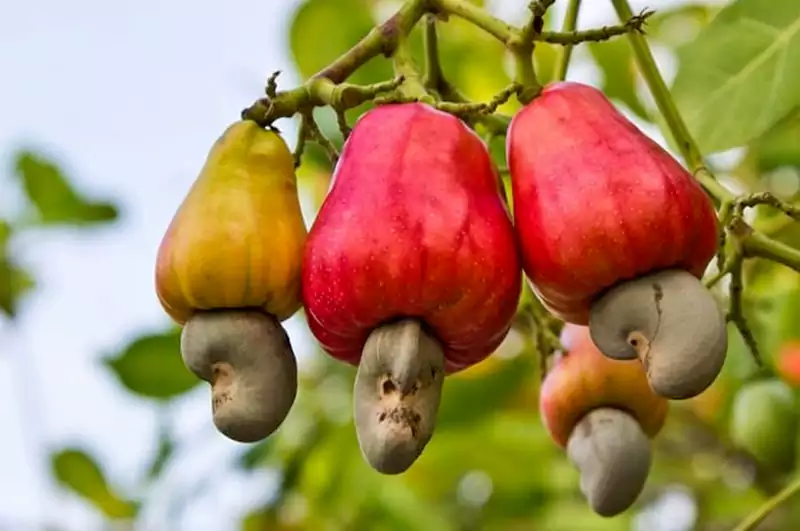
Isn’t it fascinating that cashew is not a nut but a seed, and is grown attached to an apple on a tree? I was really intrigued by this unique design and wanted to grow one at home.
To my surprise, learning how do cashews grow is easier than harvesting them because cashews are seeds that are inside the kidney-shaped shell, which is toxic until processed, such a gardening adventure this is!
If you are also interested in relishing your home-grown cashews, let me take you through this comprehensive guide about how do cashews grow, along with some scientific facts:
Table of Contents:
- What is a Cashew? A nut or a Seed?
- What is the Nutritional Value of Cashew Nuts?
- How do Cashews Grow? Growth Requirements and Planting
- How to Care for the Cashew Nut Tree?
- How to Harvest Cashews After Planting?
- Common User Concerns and Solutions About Cashews
- Scientific Research and Findings About the Cashew Nuts
- Wrapping Up
- FAQs
What is a Cashew? A nut or a Seed?
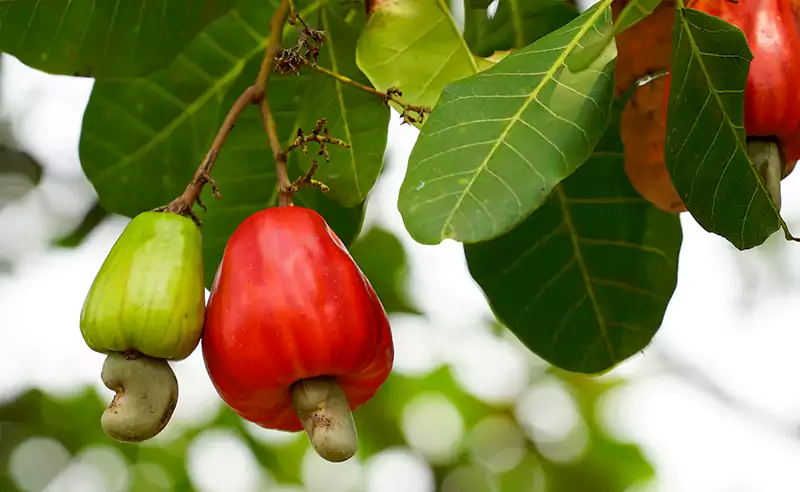
The cashew nut is, in reality, a seed of the cashew tree that grows attached to the bottom of the apple-like fruit it produces. Much like the honeysuckle flower, this tree is also an evergreen perennial that dies back in winter and returns every spring.
Along with mango and pistachio, this fibrous nut is also part of the Anacardiaceae family that has over 860 species and 83 genera.
Although native to East Brazil, Côte d’Ivoire is the largest producer of cashews. The cashew tree is a warm-season plant like the Kalanchoe and is hardy in zones 10- 11 and grows up to 46 feet tall.
This drought-tolerant tree is easy to grow and maintain, but before I get into how do cashews grow, understand the taxonomy of the cashew tree for a better understanding:
 | |
| Botanical name | Anacardium occidentale |
| Kingdom | Plantae |
| Division | Magnoliophyta |
| Class | Magnoliopsida |
| Order | Sapindales |
| Family | Anacardiaceae R. Br. |
| Genus | Anacardium L. |
| Species | Anacardium occidentale L. |
What is the Nutritional Value of Cashew Nuts?
Cashews are considered a rich source of protein and Vitamin E, which helps in boosting immunity and improving skin health. With years of research and usage of this nut, cashew has been a large part of all the healthy diets, hence dive in to know what the nutritional value of the cashew nut is according to the USDA.
| Nutrient | Value |
| Protein | 17.4 g |
| Fat | 38.9 g |
| Calcium | 42 mg |
| Magnesium | 251 mg |
| Phosphorus | 532 mg |
| Iron | 638 mg |
| Potassium | 5 mg |
| Carbohydrates | 36.3 g |
How do Cashews Grow? Growth Requirements and Planting
The cashew tree is a perennial drought-resistant plant like the barrel cactus, which can survive in arid conditions as well.
Initially, even I was stuck with questions like where do cashews grow? Does cashew growing take more than 5 years? And if you, too, are stuck, let me clear all your doubts through my tried and tested planting guide:
- Select a fresh and healthy cashew nut that is ivory white and has a nutty smell. Remember, a cashew with a foul smell or deep yellow colour will not germinate.
- Prepare a well-draining, porous soil mix* for the plant and select a pot with sufficient drainage holes.
Soil Mix - 1 part perlite
- 1 part compost
- 1 part sandy loam soil
- Now take the cashew and sow it 1 inch deep in the oil and cover it with the potting mix, make sure it is not placed really deep in the soil.
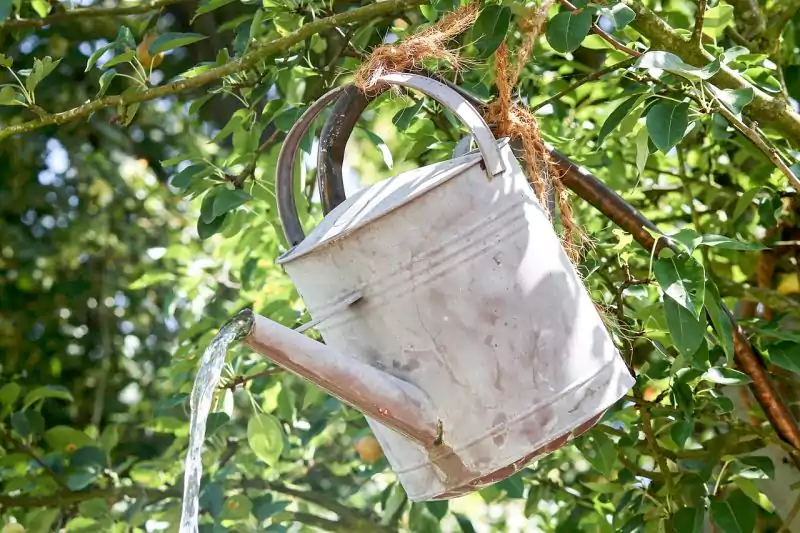
- Water the seed and keep the soil moist throughout the growing season.
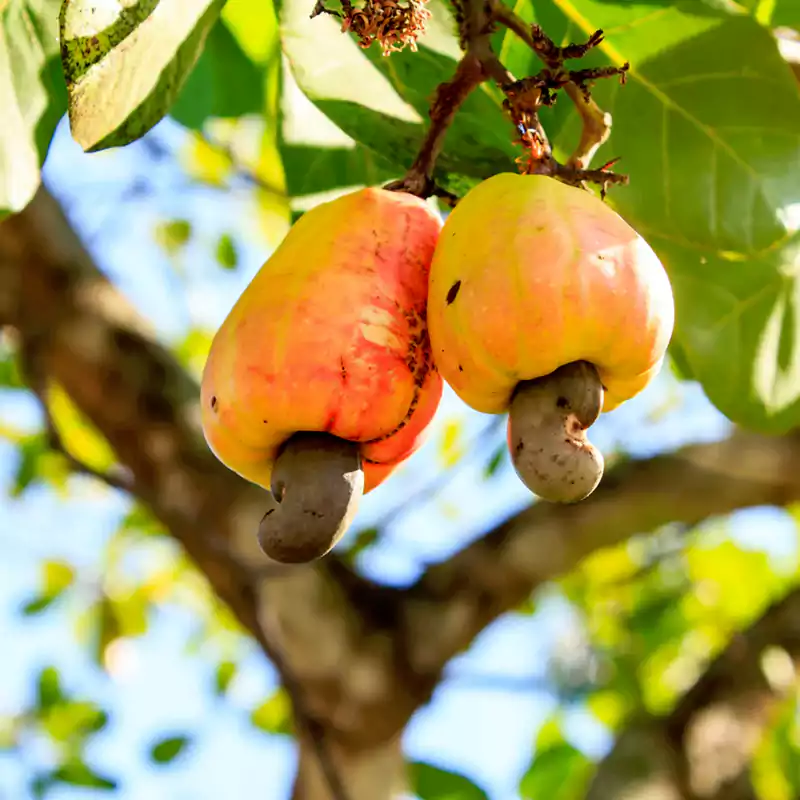
- Place your plant in direct sunlight as cashew trees lovesthe sun and 6 hours of direct sunlight is non-negotiable for them.
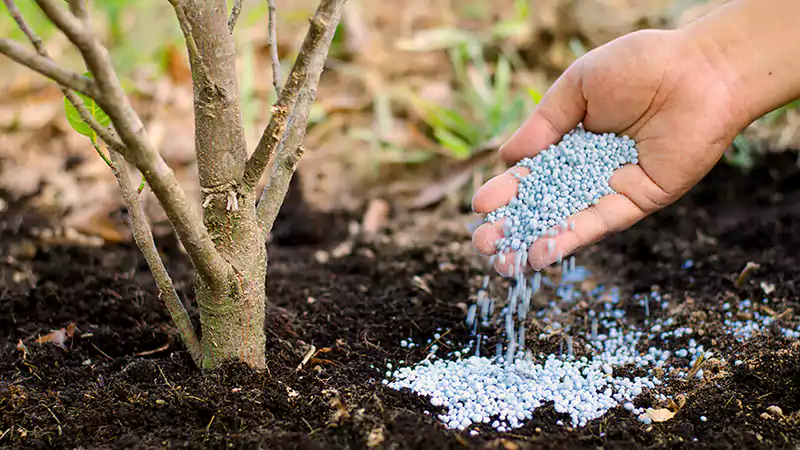
- After a few weeks, use a 10-10-10 NPK fertiliser to feed the plant, which will improve the yield quality better than you expected.
- Move to a larger pot according to the size to provide the plant enough space to grow.
Ideal Growing Requirements
To ensure success in growing cashew nuts, it is important to understand the ideal growing environments about the same:
| Soil Requirements | Sandy well-draining pH- 5.5- 7.0 |
| Sunlight | 6 hours of direct sunlight |
| Water | Moderately( keep the soil moist) |
| Fertiliser | 10-10-10 NPK fertiliser |
| Planting season | Warm season (temperature between 25°C and 40°C) |
| Hardiness | 10-11 USDA |
| Location | Outdoors mainly due to height, but can be grown indoors if pruned well up to 5 feet. |
Note
The cashew seeds take longer to fruit. I advise buying cashew potted plants with established roots to grow cashews with the same steps listed above.
How to Care for the Cashew Nut Tree?
If you are wondering, “How are cashews grown in the best way possible?” the answer is through mindful planting.
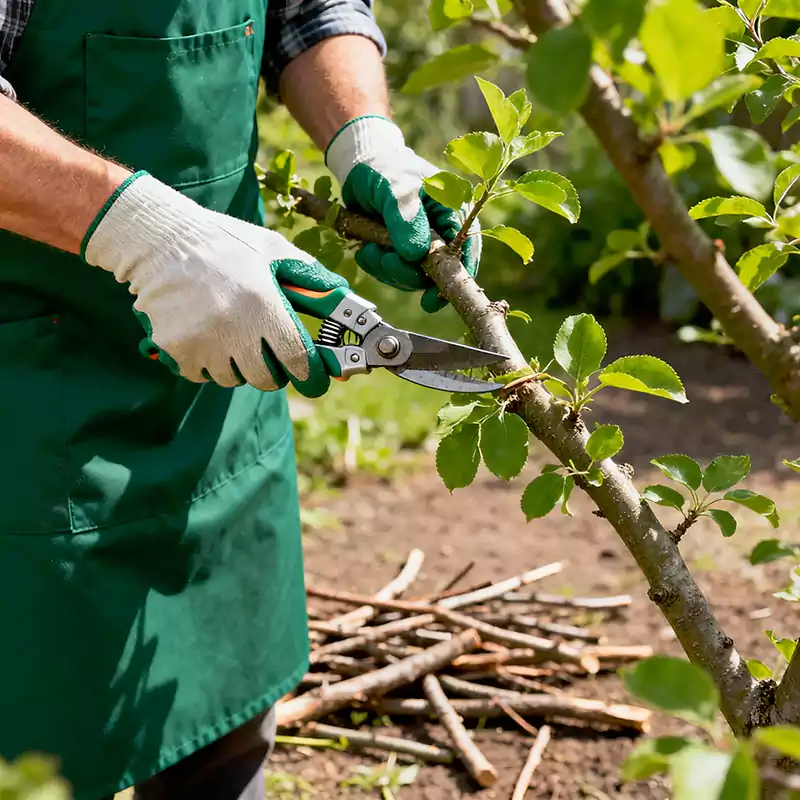
Just like the Coneflower, the cashew tree is also a low-maintenance tree, but to avoid any damage, here are my 4 care tips for healthy cashew growth:
| Image | Care Tip |
 | Sunlight
|
 | Water
|
 | Fertiliser
|
 | Pruning
|
How to Harvest Cashews After Planting?
Do cashews grow on trees? How to harvest cashews from trees? These questions leave gardeners in confusion and hassle that can be avoided.
Let me take you through how I harvest my cashews after ripening at the right time:
| Image | Step |
 |
|
 |
|
 |
|
 |
|
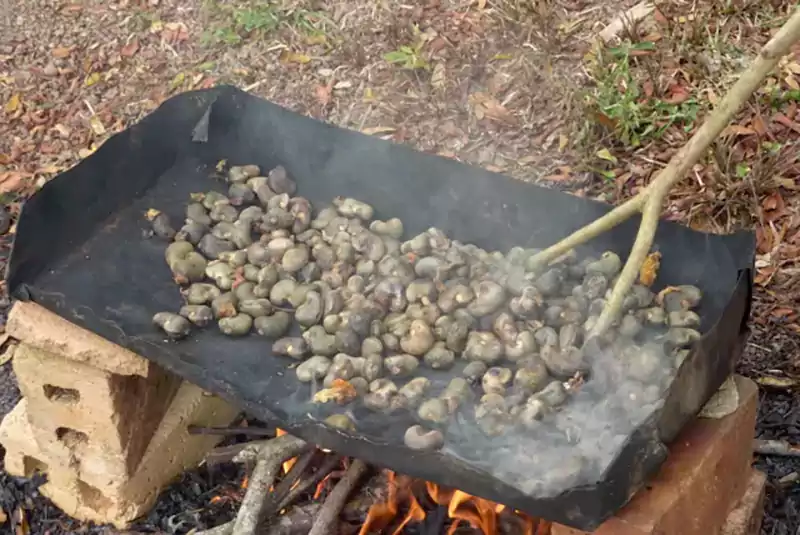
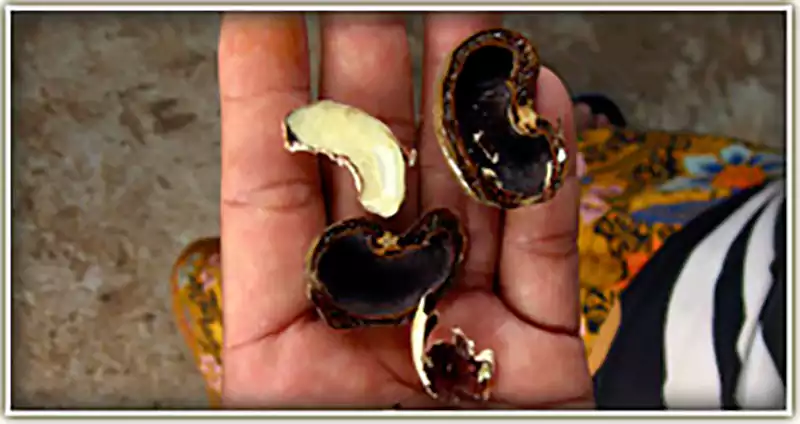
| The cashews contain a harmful toxin called the caustic oil, which can cause infections and allergies if not handled with care. Hence, wear gloves and harvest mindfully. |
Common User Concerns and Solutions About Cashews
The cashew growth is often met with many questions regarding its consumption and care.
While scrolling through Reddit, I came across queries that raise serious doubts about the cashew as a nut. Take a look and find out how to tackle such issues:
- How many cashews can I eat before it causes any kind of harm to my body?

- The recommended cashew intake for a healthy adult is up to 15-20 cashews per day.
- It is important to remember that anything in excess will be harmful, and these nuts are high-calories which can lead to weight gain and also cause digestive discomfort.
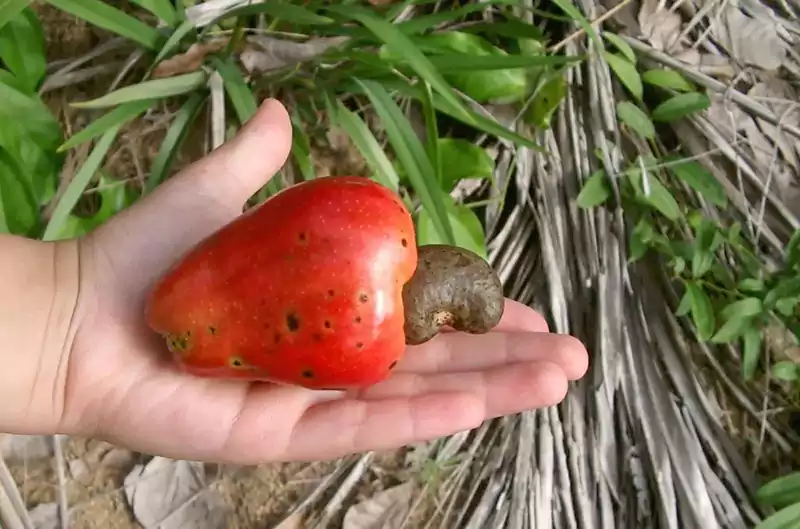
- What a cashew looks like when picked, and they are poisonous!

- The picture features a cashew nut attached to the “cashew apple”, just after harvesting.
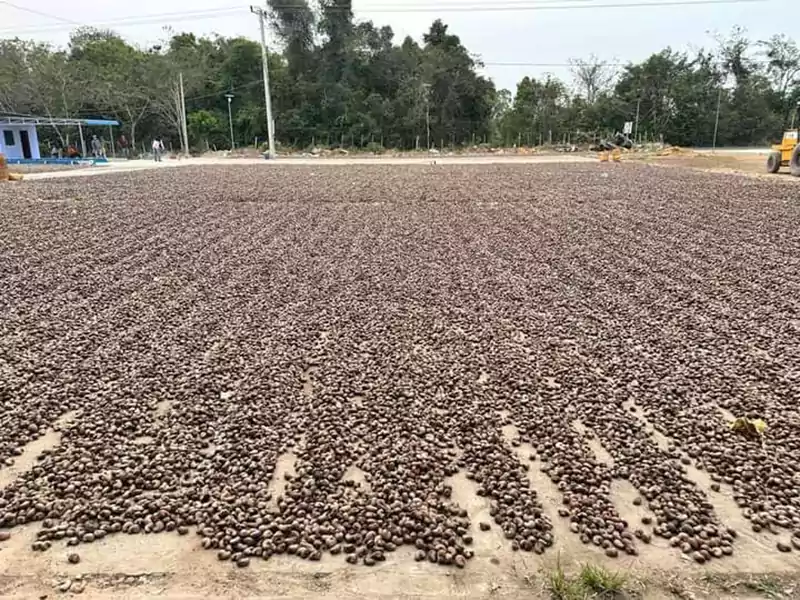
- Yes, the cashews are poisonous as the kidney-shaped shell contains the caustic oil, which is harmful and is removed through processing, which includes sun-drying and dry-roasting.
- Never consume the cashew without processing it, and always work around it wearing gloves and masks to protect your skin.
Scientific Research and Findings About the Cashew Nuts
Cashews are rich in Vitamin E, K, and fiber, which help boost immunity and helping maintain heart health.
Despite years of claims and trust, I like to verify facts through scientific research and portals, and my research led me to the following lab findings.
Take a look at what scientific research says about the cashews :
| Research summary box 1 Study year: 2019 Aim: To analyse the effects of cashews on the Oxidative stress and Atherogenic Indices in Type-2 diabetes patients. Sample type: 50 patients with type-2 diabetes Key findings: The patients were randomly assigned to two groups:
Source: National Centre of Biotenchnology Information |
| Research summary box 2 Study year: 2011 Aim: Antigenotoxic and Anticlastogenic Effects of Fresh and Processed Cashew Apple Juice Sample type: 30 Swiss mice divided into 6 groups, which were given the following treatment, respectively:
Key findings:
Source: Journal of Medicinal Food |
Wrapping Up
Cashews have been a large part of our diet and cuisine globally for decades, especially because of the nutritional benefits amd high -protein content.
Growing cashews has taught me how unique and easy the planting of such a nutritious nut is, not ignoring the fact that cashews essentially are not even a nut, but a seed.
Learning how to grow the cashew nut tree is the most rewarding journey I have experienced as a gardener because not only can I enjoy the delicious cashews, but the juicy cashew apples as well.
FAQs
Where are cashews grown?
How tall does the cashew tree grow?
The cashew tree grows up to 46 feet tall, but it is usually grown up to 20 feet tall for easier cultivation.
Is a cashew a tree or a nut?
Cashew is a seed that is obtained after processing the shell that is attached to the bottom of the cashew apple.
Can I eat the cashew apple?
Yes, the ripe cashew apple can be consumed after harvesting and has a sweet flavour, which is also used to make juices and jams.
Sources:
Cashew recipes– BBC
Latest Blog