The subshrub is hardy and generally resistant to pests and diseases, but in the case of improper watering and poor drainage, it is susceptible to diseases like root rot and powdery mildew. The plant can also be affected by spider mites and aphids in low-humidity conditions.
Red Creeping Thyme: Features, Landscaping Usage and Care Tips of the Ground Cover
Author
Annette HirdReviewed By
Cody Allison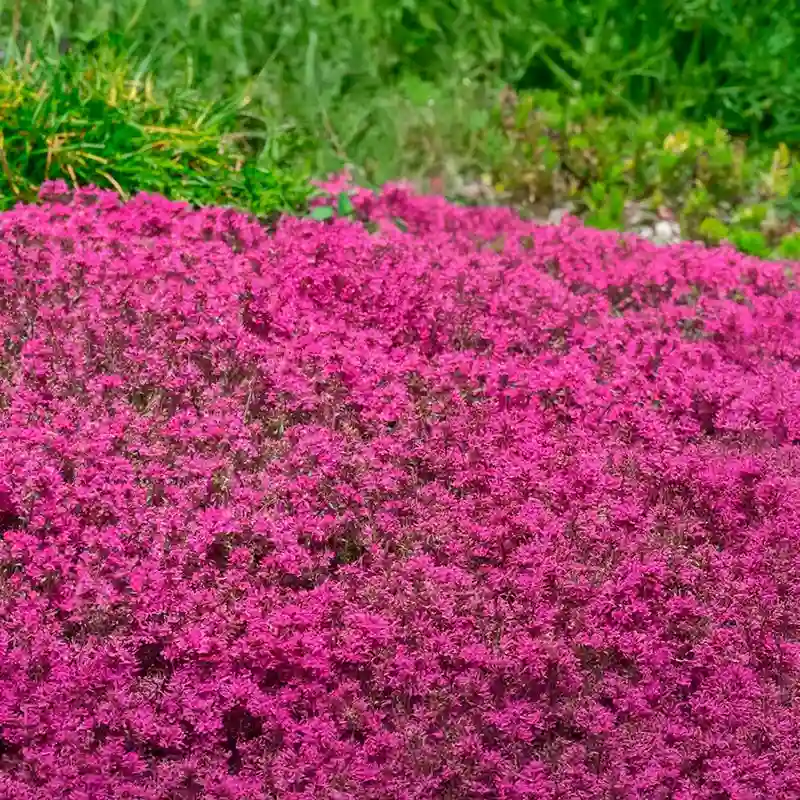
Red creeping thyme, part of the Lamiaceae family, is a drought-tolerant perennial. I am particularly captivated by its beauty, as it forms a dense, aromatic carpet of fragrant foliage. Pleasing to the eyes, it becomes completely smothered in vibrant, crimson-hued flowers during the summer.
While thyme is a staple in our kitchen drawers, its ornamental value is equally impressive. The perennial is ideal for sunny spots, rock gardens, and walking paths. If you wish to add creeping red thyme to your grass lawn for a ruby red display, come along with me and explore its care tips and landscaping uses.
Table of Contents:
What is Red Creeping Thyme? Taxonomy and Special Features
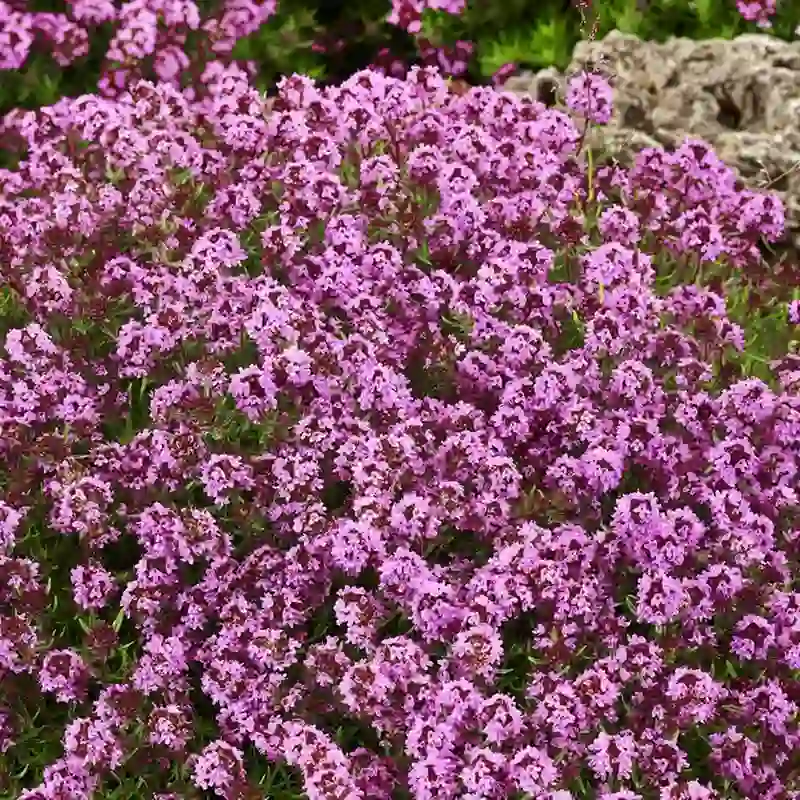
Red creeping thyme, botanically referred to as Thymus serpyllum ‘Coccineus’ or Thymus praecox ‘Coccineus’, is an evergreen groundcover. It has a mat-forming habit and can grow 2-6 inches in height and 18 inches in width. This herbaceous perennial is highly prized among gardeners for its crimson-hued blooms and scented leaves.
The other common names of the plant are mother of thyme and crimson thyme. Well tolerant to light foot traffic, the sun-loving ornamental groundcover is perfect for beginners due to its low-maintenance nature. Unlike the culinary thymes, red thyme sub-shrub is valued as a pollinator attractor and for its decorative appeal, promoting biodiversity in the garden.
Take a look at its taxonomical overview and special features before moving on to its growing conditions and care tips:
Taxonomical Overview of Creeping Red Thyme
| Kingdom | Plantae |
| Order | Lamiales |
| Family | Lamiaceae (Mint family) |
| Genus | Thymus L. |
| Species | Thymus serpyllum (Wild thyme) or Thymus praecox. |
Special Features of Red Creeping Thyme Plants
The fragrant evergreen groundcover is valued by gardeners because of its special features. It is a non-toxic plant that provides four-season interest with its eye-pleasing blooms. Additionally, it is great for erosion control due to its spreading habit.
- Non-Toxic Plant
According to ASPCA, the herbaceous perennial is pet safe and non-toxic to dogs, cats, and horses. In addition to that, it is deer and rabbit-resistant and suitable for areas with wildlife browsing pressure.
- Four Season Interest
Creeping red tyme with its vibrant foliage and elegant blooms provides all 4 season interest. This evergreen perennial thrives well even in the harsh weather conditions and maintains its greenery well.
- Wildlife Support
Its low-growing mat provides shelter for various ground-dwelling insects. This perennial also works as a nectar-rich food source for bees and butterflies, especially in late spring or mid-summer.
- Erosion Control
The fast spreading and deep matting make it well-suited for covering slopes and stabilising soil. It makes it a perfect addition for sunny slopes and banks to hold the soil in its place.
Did you know?
According to the 2024 study conducted by the National Center for Biotechnology Information, wild thyme is a nutrient-rich herb. Due to its antioxidant, anti-inflammatory and antimicrobial properties, it can provide many health benefits supporting gut and respiratory health.
Also Read: How to Grow a Rose Bush From Cuttings?: The Easy Propagating Tips for the Perennial Shrub
How to Grow Red Creeping Thyme?
Red creeping thyme can be grown from seeds, stem cuttings, and division. I prefer to follow the division or stem-cutting method because they are easy and offer faster establishment. Planting the slow-growing perennial from seeds requires a lot of patience if you want to see the groundcover flourishing sooner.
Here are the detailed steps for all three methods:
By Stem Cuttings
- In the spring or summer, take the cuttings from the non-flowering shoots. Ensure to select the soft and flexible ones, 4-6 inches long.
- Strip off the leaves from the bottom 2 inches of the stem and dip the cut end in rooting hormone. The dipping step is optional, but it provides faster rooting.
- Insert the cutting into a moist, well-draining potting mix. Place the pot in indirect sunlight and provide humidity by covering it with a plastic bag.
- Transplant to larger pots after 2-3 weeks, when the new growth appears.
By Division Method (Fastest Way!)
- The best time to divide the mature plants is late spring or early summer. First, prep the mother plant by watering it deeply 24 hours before the dividing process. It helps in reducing the shock.
- Lift the entire clump from the soil. Remove the soil from it to see the roots clearly. Cut the clump into smaller sections, ensuring each section has a root system and 3-4 healthy shoots.
- Trim away the dead and woody roots and prune the top growth approximately by 30%.
- Replant each plant at least 8-12 inches apart and water them thoroughly.
By Seeds
- Sow the seeds indoors 8-10 weeks before the last spring frost. Sow the seeds directly in the ground after all the danger of the frost passes.
- Surface sow seeds on moist, well-drained seed compost. Avoid covering the seeds as they require sunlight to germinate.
- Keep the mix consistently moist, and within 2-3 weeks, germination will take place.
- When seedlings emerge with two sets of leaves, transplant each plant to its pot or harden off before planting them outdoors.
You May Also Read: Best 25 Winter Plants to Maintain Your Garden Aesthetics in Cold
Growing Conditions and Essential Care Tips for Red Creeping Thyme
The low-maintenance perennial is considered evergreen in warmer climates, while in cooler environments it transitions to a semi-evergreen perennial. This plant requires minimal fertilisers and pruning. Let’s explore the red creeping thyme zone, sunlight requirements, and some essential care tips.
Growing Conditions
| Hardiness Zones | USDA zones 4-9 |
| Sunlight Requirements | Prefers full sun for abundant blooming and faster growth, but is tolerant to partial shade. |
| Soil Needs | Can grow in average, sandy, rocky soils if they are well drained. Doesn’t grow well in clayey soil and standing water, as it leads to root rot. |
| Watering Requirements | Younger plants need consistent watering. Once the root system is established, they are highly drought-tolerant. |
How to Care for Creeping Red Thyme?
This low-maintenance, semi-woody evergreen groundcover thrives with minimal effort. It requires only light feeding, sparse pruning, and proper spacing to establish a dense, optimal mat.
- Fertilizers
Thymus coccineus performs well and usually doesn’t require any feeding if the soil is healthy. But in poor nutrient soil, the light feeding with compost or slow-release fertilizer benefits its growth. Therefore, if you find it necessary, feed the perennial in spring with organic or slow-release fertilizer to support its lush growth.
- Pruning
Trimming twice a year, in early spring and summer, is suggested in these subshrubs to support optimal blooming. Prune once in early spring to remove the winter damage and promote healthy growth. The second pruning should be done after the flowering season in summer to maintain the compact shape.
- Weeding and Mulching
One of the best parts of growing red creeping thyme plants is their ability to naturally suppress weeds. However, during the first year, manual weed control is necessary until the perennial spreads and chokes the weeds itself.
Apply 2-3 inches of mulch, including anything shredded leaves, straw, or compost, to protect the young plants. Not only from weeds, but the mulch will also protect it from cold conditions.
- Spacing
Last but not least in the care tips is proper spacing between the plants. The ornamental perennial should be spaced at least 12-18 inches apart for the lush groundcover.
If you are looking for faster, denser coverage, then consider spacing the plants 8-12 inches apart from each other. I spaced the plants 16 inches apart, and it got me a 2-3 inches tall mat in 2-3 years.
Also Explore: Baby Breath Flower: Explore the Uniqueness of This Filler Flower
Landscaping Usage of Red Creeping Thyme
Just like the sedum plant, red thyme is an eco-friendly groundcover that can beautify many distinct landscapes. This versatile plant is ideal for the rock gardens, bordering pathways, and filling in between pavers. It can also be paired with tall flowers to provide a more layered look and colour contrast.
Take a look at its landscaping usage and envision your dream garden with this red-hued subshrub:
- Rock Gardens and Xeriscaping
As this plant grows well in rocky, dry soil, it can be a perfect choice to fill gaps in rock gardens. With low fertilising and watering needs, the plants bring life to otherwise dull surroundings. You can pair them with many other plants, such as rudbeckia, ornamental grasses, and lavender. It will add texture and distinct colour to start a garden from scratch.
For xeriscape, you need plants that don’t require much water. Thymus coccineus is one of the top choices for this due to its drought tolerance.
- Pathways and Pavers
Tolerant of light foot traffic, thymus coccineus can be used to add colourful visual interest to pathways and pavers.Plants can be tucked between or around the stepping stones to form a soft, aromatic surface, adding a sensory delight.
- Container Gardening
Creeping red thyme is excellent for container gardening, thriving under the full sun. You can try pairing them with some yellow flowers for an elegant complementary colour palette. If you want an edible design like me, you can grow basil, eggplant and broccoli plants with it.
- Lawn Substitute
The mat-forming groundcover can be an ideal grass alternative for lawns in sunny and low-traffic areas. While providing a more attractive appearance, it will also add more ecosystem value to your outdoors.
- Underplanting
It can also be used well as the groundcover under specimen trees and taller upright shrubs, acting as a visually pleasing, living mulch. There, it will help in erosion control, retain moisture and host the beneficial insects.
Common Pests and Plant Diseases with Red Creeping Thyme
Due to the natural antibacterial and antifungal properties, the coccineus thymus is generally pest and disease-resistant. Though in the case of overwatering and poor soil drainage, the plant may be affected by root rot.
Furthermore, in dry and humid conditions, it is susceptible to pests like aphids and spider mites. You can prevent most of the issues easily by keeping the plant in full sun and dry to moist, well-drained soil.
Pests That Damage Red Creeping Thyme
| Pests | Appearance | Signs and Solutions |
| Spider Mites | 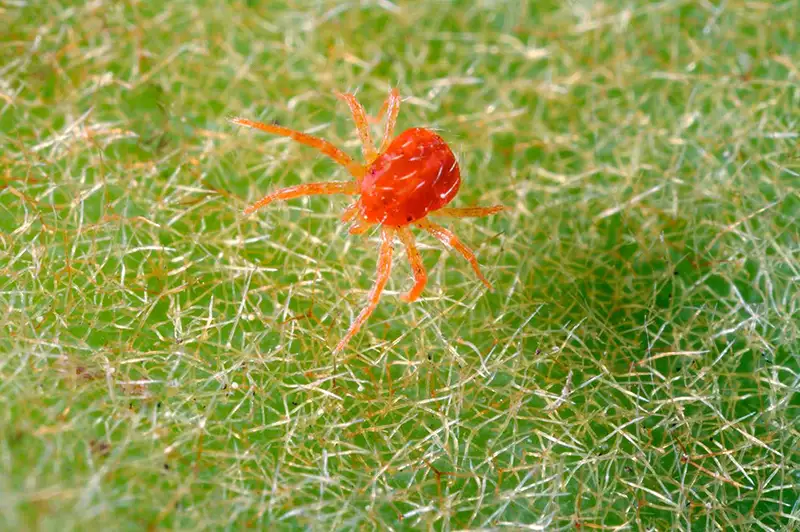 |
|
| Aphids | 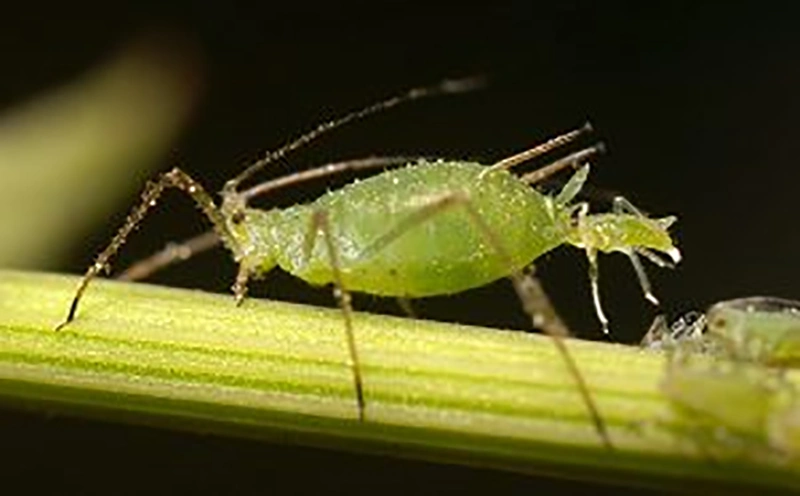 |
|
| Root-Knot Nematodes | 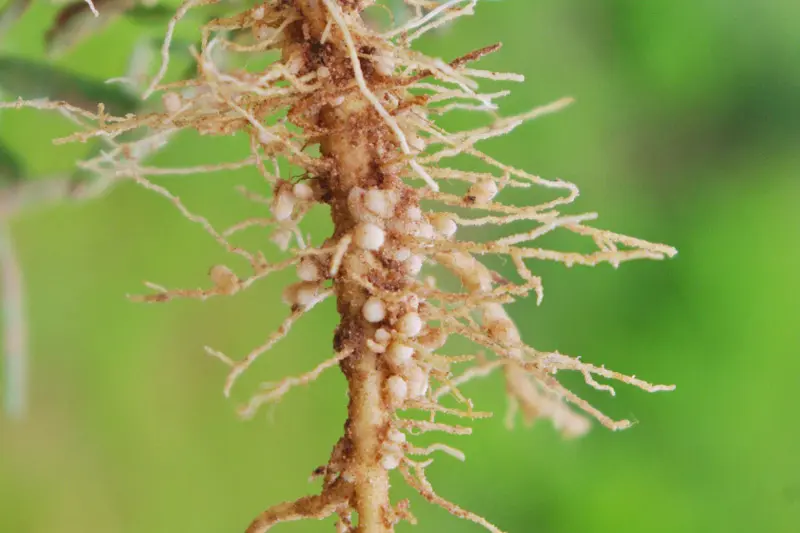 |
|
Diseases and Solutions in Red Creeping Thyme
| Disease | Signs | Solutions |
| Root Rot | Leaves turn yellow and drop, and roots become black and mushy. | Reduce watering and ensure proper drainage. If the problem doesn’t resolve, repot the plant after cutting the mushy roots. |
| Powdery Mildew | White powdery spots on leaves. | Prune surrounding plants to improve air flow. Avoid overhead watering of the plant to keep the foliage dry. |
| Leaf Spots | Small, round, yellow-black spots appear on the leaves, leading to leaf drop. | Remove the infected leaves and apply fungicide. |
Final Thoughts
If you have never seen the beauty of red creeping thyme, it’s time for you to grow your own lush groundcover with these robust plants. Drought-tolerant and aesthetically appealing, the perennial can elevate the look of different landscapes, including rock gardens and pathways.
Tolerant of harsh environmental conditions and being low maintenance, the herbaceous perennial is perfect for new gardeners. I would suggest embracing the subshrub as a companion plant to enhance the decorative value of your outdoors!
FAQs
What are the common pests and diseases affecting creeping red thyme?
Can Thymus coccineus be used as a lawn substitute?
Yes, it is a popular option as a sustainable alternative to traditional grass lawns. It is perfect in the settings where grass is difficult to grow, like dry slopes, rockeries and sunny areas.
How do you care for red thyme?
The easy-to-care perennial thrives in full sun and well-drained soil. It needs regular watering initially, but becomes drought-tolerant as it matures. Prune lightly in late winter or early spring to remove dead material and promote denser growth.
How fast does red thyme spread?
The thyme spreads at a moderate to fast rate, adding up to 6-18 inches in width per year under suitable growing conditions.
What are creeping thyme shade requirements?
The creeping thyme grows best in full sun, with at least 6-8 hours of daily direct sun exposure. Placing it in too much shade can lead to leggy growth and fewer blooms.
Sources:
Spice Up Your Life: A Beginners Guide to Growing Thyme – University of Florida
How to grow creeping thyme – BBC Gardeners’ World Magazine
Latest Blog