Dark corners typically suffer from low visibility and low airflow, allowing humidity to settle and condense without being disturbed or dried by household ventilation.
The Hidden Risks Behind Always Dark Corners in Stylish Home Layouts
Author
Swati Mishra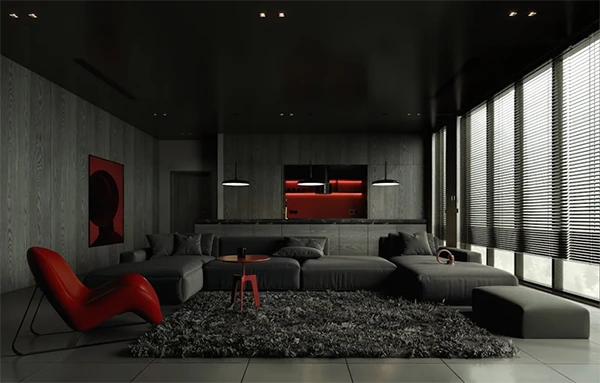
Shadows have found their place within many contemporary houses. Elements such as dark walls, dramatic shaped rooms, multi-layered surface textures, sometimes labelled as matte premium finishes, or dark woods accompanied by hidden LED lighting beneath shelving can createe a desired aesthetic across multiple design themes.
Many interior designers today focus on designing their client’s homes based off of creating an overall atmosphere vs practical use. Due to this focus, it has become common for most homeowners to overlook or stop noticing places of poor maintenance, syuch as in corners, for long periods of time after the initial installation.
In a large family home where you have a high volume of activities occurring, management of the home will be ignored due to lack of time.
Read on!
KEY TAKEAWAYS
- Dark corners combine low visibility with poor airflow, trapping moisture that leads to soft drywall, odors, and structural decay.
- Dark paint trends and soft “mood” lighting mask early warning signs of water damage, such as staining, bubbling, or peeling paint.
- Oversized furniture and heavy window treatments create “invisible maintenance zones” where humidity and condensation settle undisturbed for years.
- Poorly lit closets and grouped indoor plants increase local humidity, often warping shelves or damaging fabrics before the homeowner notices.
Table of Contents:
Dark Corners Trap Moisture
The darkness of corners has a degree of danger associated with them since there’s generally not much light in and not much air movement around corners. For most homes, bathrooms, storage spaces, basements laundry rooms, and out-of-the-way corners tend to be cooler, darker and more humid than other areas of the home without most homeowners realizing it.
The most frightening part of moisture problems is that they rarely occur suddenly. They do not involve a huge flood or immediate disaster. Moisture slowly builds up behind boxes in storage, beside cabinets, underneath shelving or near walls that are rarely looked at closely because those areas generally remain very dark all of the time.
In many stylish homes, hidden moisture damage becomes difficult to catch. A small leak or humidity problem can spread while everything still looks fine from a distance. Many homeowners only realize something is wrong once odors appear, drywall softens, or visible staining finally pushes through the surface. Horizon damage repair experts in Irving often deal with situations where homeowners had no idea moisture had been sitting inside darker spaces for long periods.
Once corners stop receiving light, airflow, and regular visibility, they basically become invisible maintenance zones where problems can grow quietly without interruption.
Dark Paint Colors
Over the past few years, dark paint trends have drastically impacted how homes appear. Deep greens, charcoal walls, navy rooms, matte finish black surfaces and dark accent areas provide a luxurious and contemporary interior with no effort at all.
On the other hand, darker surfaces disguise damage very effectively. Water stains take longer to notice once they occur. Peeling paint is much easier to go unnoticed. Surface bubbling is hidden in shadows. Minor wall imperfections are much more difficult to identify when the walls are painted using darker colours.
A lot of homeowners unintentionally stop “reading” their walls visually once everything becomes moodier and less reflective. Soft lighting makes it worse because subtle texture changes disappear almost completely at night. Some people only notice damage after moving furniture or changing lighting months later.
Stylish dark interiors often create a weird illusion where rooms still look polished even while hidden deterioration quietly develops underneath the surface.
Large Decorative Furniture
Modern furniture trends are moving towards oversized pieces. An example of oversized furniture is large sectional sofas, bold furniture cabinets, free-floating console tables, oversized beds, large bookcases and heavily filling corners with furniture using a layered look for warmth and visual richness.
The problem is that airflow disappears quickly once large pieces sit tightly against walls for long periods. Behind those pieces, air becomes stagnant, dust builds up, humidity lingers longer, and surfaces stop drying properly after seasonal moisture changes or smaller leaks happen nearby.
Most homeowners rarely move heavy furniture often enough to notice what is happening behind it, either. A corner hidden behind a giant sectional can stay untouched for years while the visible part of the room still looks spotless.
That hidden space slowly becomes its own environment where trapped air and moisture quietly settle without interruption. Some homeowners get genuinely shocked once they finally move furniture and discover warped baseboards, discoloration, mildew smells, or damaged drywall hidden completely out of sight.
Minimal Lighting
Interior design has been transformed by mood lighting. Homes now feature soft lamps, under-counter lights, warm LED lights, dimly lit hallways, and a darker overall ambiance, creating a visually calm and contemporary environment.
However, homes also need functional lighting in certain areas, or they can go without sufficient lighting for long periods of time. With entire areas of the home in a permanent state of low light, the small items that can signal future repairs become almost impossible to detect until it is too late. Items like ceiling cracks, bubbled paint, bent trim, corner stains, and changes in surface texture can easily blend in with the dim light, and therefore be very difficult to notice quickly.
Hallways are especially guilty of this now. A lot of modern homes intentionally keep hallway lighting soft for aesthetic reasons, but those same areas often connect bathrooms, utility spaces, storage walls, or plumbing lines behind the scenes. Dim corners create visual blind spots where maintenance problems quietly sit for long stretches without attracting attention.
Heavy Curtains
Thick curtains also hang in many parts of the home, which creates a soft visual element, adds a sense of quietude, and creates drama. Long curtains, blackout curtains, layered curtains, and textured and dark fabrics allow for the creation of a warm and fully finished appearance to the interior of a home.
However, the effect of the thickness of the window treatment can often completely change the airflow around the window and the area beyond the window, especially in a room lacking in natural light and registered high humidity. With thick window treatments, the area behind curtains can maintain an unchanging condition of coolness, darkness, and lack of airflow during the day without any awareness of this condition by the homeowners.
Windows naturally collect condensation during seasonal temperature shifts, but thick curtains can trap that moisture close to walls and frames much longer. Since the fabric blocks visibility too, small problems stay hidden easily. Water spots near windows, damp drywall, soft trim, or musty smells can quietly develop behind decorative layers that homeowners rarely move or inspect closely.
Poorly Lit Closet Corners
For many households, closets become a source of clutter and no longer are utilized as an area for organized storage purposes. Shoes are shoved in piles; bags are stacked in corners; winter clothing remains untouched for several months; and all of a sudden, no one in the household has a clue what the back wall of the closet looks like anymore.
Add low lighting into the mix, and closets stop functioning like visible spaces altogether. They become dark, hidden zones where airflow drops and humidity quietly hangs around fabrics, drywall, and stored items for long stretches.
Typically, the musty odor from a closet comes from old clothes or lack of cleaning but in reality oftentimes this dampness is from moisture that has accumulated nearby.
The fact that closets are closed most of the time really contributes to the trapping of air. Homeowners typically will not see any problem until they go to take their storage box out a few months later and find that the drywall is soft, the shelves are warped, and that the fabric has absorbed moisture gradually over time.
Indoor Plants Increasing Hidden Moisture
Indoor plants have become part of modern interior styling almost everywhere now. Homes fill corners with oversized fiddle leaf figs, hanging vines, grouped planters, and decorative greenery because plants instantly make spaces feel calmer and more alive visually. The issue is not the plants themselves. The issue is what happens once multiple plants collect inside darker corners, already struggling with airflow and sunlight.
When watering plants in a low-ventilated area homeowners will add to the dampness on the floor, wall, and window area around those plants but may not notice it until later on. Because of the fact that soil remains moistened longer in shaded areas, some decorative pots will often have excess water trapped underneath them.
The moisture that builds near baseboard and in groups of plants will build so slowly that it is often undetectable before it becomes visible.
Modern interiors often prioritize atmosphere, mood, and visual layering so heavily that some areas of the home quietly stop functioning well from a maintenance standpoint. Stylish homes can still work beautifully, but homeowners increasingly need to pay attention to what is happening inside the hidden spaces.
FAQs
Why is moisture more common in dark corners?
How do dark paint colors hide home damage?
Darker tones like charcoal and navy absorb light rather than reflecting it, making it difficult to see water stains, peeling paint, or surface bubbling that would be immediately obvious on a lighter wall.
Can indoor plants contribute to hidden home damage?
Yes, if grouped in dark corners with low ventilation, plants can increase local humidity. Soil in shadowed areas stays wet longer, potentially leading to moisture buildup behind pots or near baseboards.
What are the signs of hidden moisture damage in a dark area?
Common indicators include musty odors, softening of the drywall, warped trim or baseboards, and visible staining that eventually pushes through the paint surface.
Latest Blog