It is an excellent low-maintenance indoor plant. The plant is highly valued for bringing in positive energy to the homes. Furthermore, it thrives in low light and just water, which makes it well-suited for indoors.
Lucky Bamboo Plant: Growth, Care Tips, and Symbolism Explained
Author
Rashika GuptaReviewed By
Cody Allison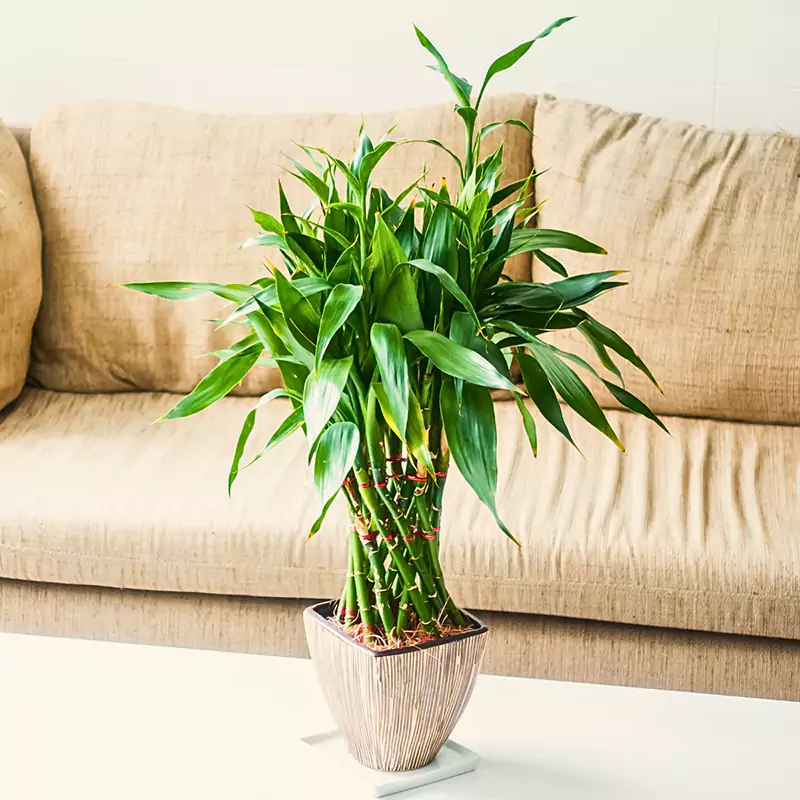
Lucky bamboo is an extraordinary, alluring houseplant that is well known for bringing good luck. I grew this plant in water, though it can also thrive in soil. Due to architectural twisted stems and symbolic value, the fascinating houseplant is a famous housewarming gift.
In addition to that, requiring only water and occasional cleaning, it is a perfect addition for the office desks and home decor. If you want to know more about this resilient houseplant, explore this guide that covers everything from its growing conditions to common problems.
Table of Contents:
Lucky Bamboo: Taxonomy and Special Features
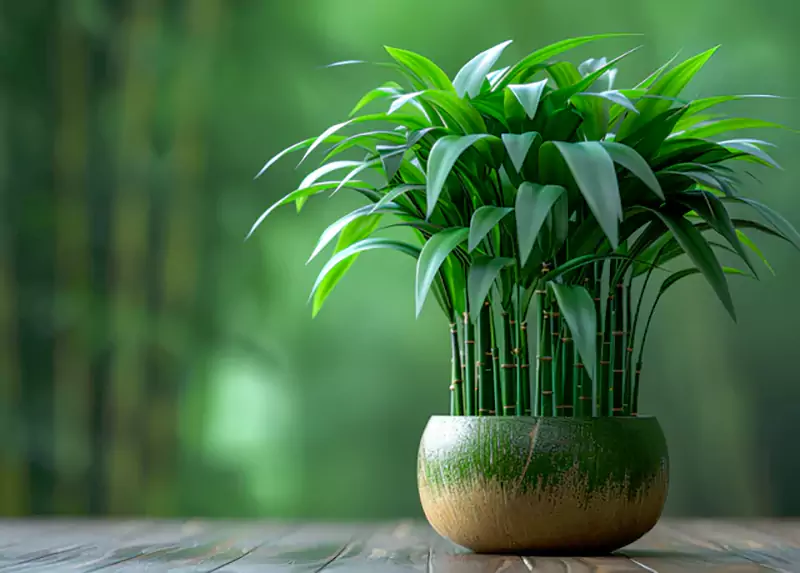
Lucky bamboo, scientifically known as Dracaena sanderiana, is a commonly used indoor plant. The perennial shrub growing up to 2-3 feet indoors is famous for its minimal care and air-purifying qualities. Native to Africa, the plant can be trained to grow in different shapes, including hearts and spirals.
Taxonomical Classification of Lucky Bamboo
| Kingdom | Plantae |
| Division | Tracheophyta |
| Class | Liliopsida |
| Order | Asparagales |
| Family | Asparagaceae |
| Genus | Dracaena |
| Species | Dracaena sanderiana (also referred to as D. braunii) |
Special Features of Lucky Bamboo
Bamboo tree bamboo is certainly unique because of its features; it can be trained in many unique shapes thanks to its phototropic nature. Furthermore, it is great indoors because of its air-purifying and humidifying qualities.
- Unique Shapes
The plant can be trained into many sculptural shapes due to its phototropic nature and pliability when young. Some of the most famous shapes are spirals, hearts, braids, and straight stalks.
- Indoor Air Purifier and Humidifier
Lucky bamboo indoor plants act as a minor air purifier. They absorb toxins from their roots and leaves while releasing oxygen. The plants are also working like a humidifier, adding moisture to the dry environment.
- Blooming Needs
Dracaena lucky bamboo rarely blooms indoors because they need their tropical habitat to produce flowers. But mature healthy plants can produce small white or light green flowers that are fragrant and smell like jasmine or lilies.
- Not a Real Bamboo
Sharing the same Asparagaceae family as asparagus fern, the lucky bamboo is not a real bamboo. It is a species of tropical shrub native to West Africa. Unlike true bamboo that needs grass and full sun to thrive, it grows in low light and water.
Did you know?
A study by the National Center of Biotechnology Information supports the use of D. sanderiana or lucky bamboo leaves as a valuable source of antioxidants.
Also Explore: Barrel Cactus: Growth, Care, and More About This Desert Treasure
What is the Symbolism of Lucky Bamboo?
The houseplant carries a significant meaning and is frequently gifted to encourage good fortune. The plant is overall representative of luck, prosperity, health, and wealth. Its symbolism is rooted in the number of stalks. For instance, two stalks represent love, and seven stalks represent good health.
| Number of Stalks | Symbolism |
| One Stalk | Good fortune and prosperity |
| Two Stalks | Love and harmonious relationships |
| Three Stalks | Fu (Happiness), Lu (wealth), and Soh (longevity) |
| Five Stalks | Health, mental, and spiritual balance |
| Six Stalks | Good luck in attracting wealth |
| Seven Stalks | Good health |
| Eight Stalks | Growth, abundance, and prosperity |
| Nine Stalks | Great luck and overall fortune |
| Ten Stalks | Perfection and completion |
| Twenty One Stalks | A powerful blessing for health and wealth |
It’s worth mentioning that a bamboo arrangement with four stalks is considered unlucky in this plant. The word “four” sounds like “death” and is believed to bring bad luck.
How to Grow Lucky Bamboo?
Growing lucky bamboo is considered very easy and can be done in both soil and water. The plant is a great choice for beginners because of its low-maintenance nature. I grew these plants in water to decorate the study desk, and it was certainly an easy task.
The initial propagation step of the plant is similar in both ways. In which you have to select a healthy stalk with numerous nodes. Cut below the node, and place that cutting in water or soil.
Let’s see both the methods in detail:
In Water
- Place the stalks in a vase, container, or bowl, and place pebbles or stones around them to hold them upright.
- Ensure that the roots are covered with at least one inch of water, but avoid submerging the whole stalk as it can lead to root rot.
- Use filtered or rainwater rather than tap water. Tap water has chlorine and fluoride, which can cause brown tips on the leaves.
- Change the water every 7-10 days and place the container in bright, indirect sunlight.
In Soil
- Choose a pot with drainage holes and fill it with a nutrient-rich potting soil.
- Place the stalks into the soil, burying them 1-2 inches deep. Ensure that they are stable, and use pebbles if needed.
- Water well till it drains from the bottom, and place the container in bright indirect sunlight.
You May Also Read: How Do Pineapples Grow: Planting, Care, and More About this Tropical Treasure
Lucky Bamboo Plant Growing Conditions and Care Tips
From my experience, curly bamboo plant care is simple as long as you grow it in the good quality water. It thrives in indirect sun exposure and is tolerant to partial shade. As a resilient plant, it also has less pruning and fertilizer needs, which makes it perfect for novice planters. Here is a detailed look at its growing conditions and some plant care tips:
Growing Conditions of Lucky Bamboo Plant
| Hardiness Zones | USDA zones 10–11 |
| Water Needs |
|
| Sunlight Requirements | Grows best in bright indirect sun exposure. Avoid placing it under direct sunlight as it scorches the leaves. Tolerant of partial shade but will grow more slowly. |
| Soil Needs | If kept in soil, then the plant thrives best in well-draining, rich, loamy soil. |
Lucky Bamboo Plant Care Tips
To make the houseplant thrive well indoors, you need to focus on providing it with proper warm conditions and humidity. Additionally, it also needs occasional pruning and minimal feeding to grow well.
- Temperature and Humidity
- If you want to do lucky bamboo care to make it thrive well its important to mimic its tropical environment when it is kept indoors.
- The plant needs stable indoor temperatures of 18 to 32°C to grow optimally. It is sensitive to temperatures below 10°C and suffers from cold stress in such an environment.
- Furthermore, the houseplant grows in 40-60% humidity. If the air is dry indoors, regularly mist the leaves or place the plant in a humid area like a bathroom.
- Keep it away from cold drafts and heating vents, as temperature shocks can cause the death of the plant.
- Pruning
- Whenever the plant becomes top-heavy or overgrown, prune it using the sharp, sterilized scissors.
- Focus on removing the yellow or overgrown offshoots just above the node to encourage its bushier growth.
- If you find any yellow or mushy stalks, cut them off completely to save the rest of the plant.
- Fertilizer
- The plant requires very little fertilizer, as overapplying can cause yellowing and, at worst, the death of the plant.
- If you find it necessary, feed the plant with a diluted liquid fertilizer every 2-3 months to promote its healthier growth.
Note: According to ASPCA, lucky bamboo, as part of the Dracaena family, is not pet safe and toxic to both dogs and cats. It contains harmful saponins, and ingestion of the plant can lead to vomiting, diarrhea, and weakness.
Also Read: How To Grow Grapes? Cultivation, Care And Fun Facts About the Grape Vines
Which Pests and Diseases Affect Lucky Bamboo?
The lucky bamboo plant is commonly affected by pests like spider mites, mealybugs, and aphids. It is also susceptible to diseases, including root rot and stem rot that is primarily caused by poor watering.
Take a look at its pests and diseases in detail:
Pest Infestations with Lucky Bamboo
| Pests | Signs | Solutions |
Spider Mites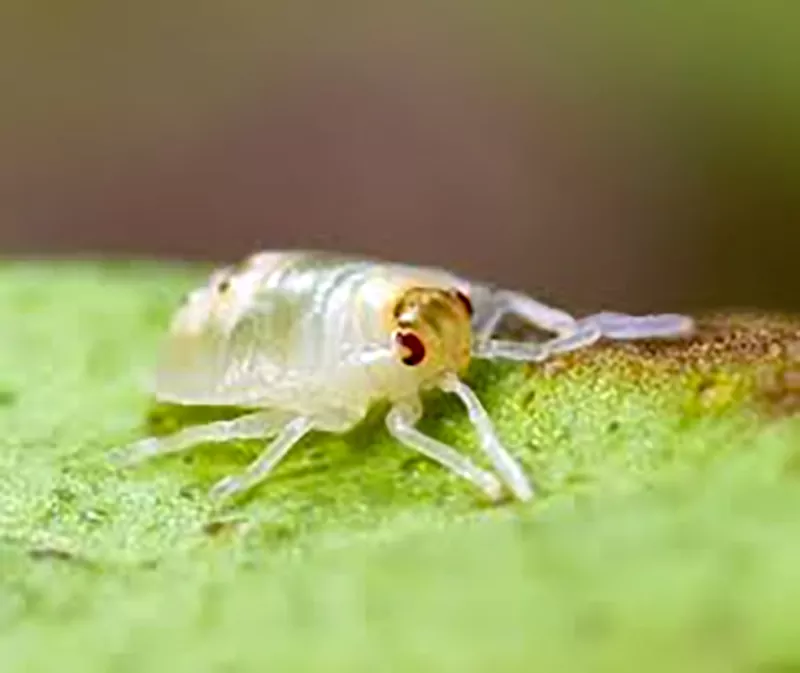 | Fine silk webbing around stems and leaves, and yellowing and graying foliage. | Wash the plant with a strong stream of water. Apply neem oil or insecticidal soap. |
Mealybugs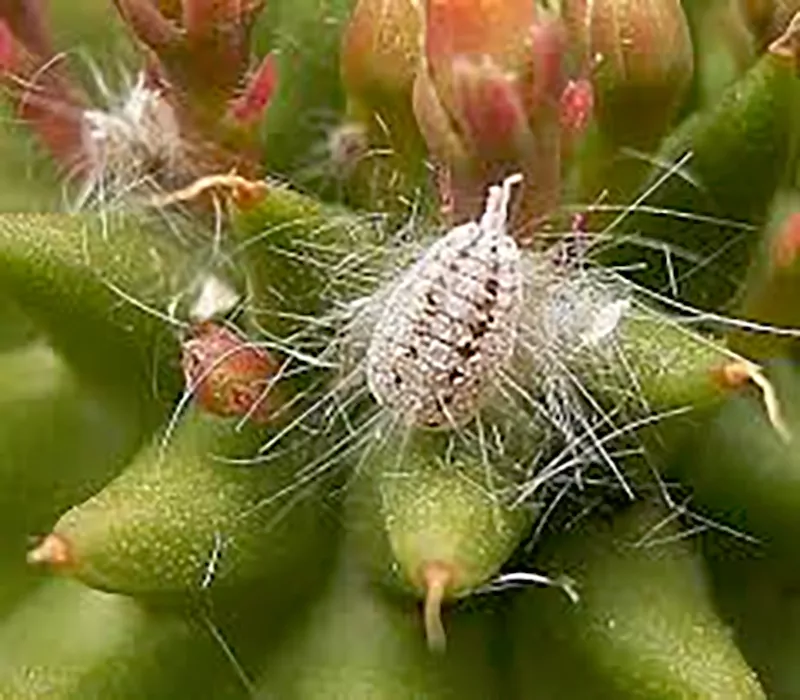 | White, waxy, cottony masses that are usually clustered around the leaf nodes or stems. | Dab the affected area with a cotton swab soaked in alcohol. For severe cases, use insecticidal soap. |
Aphids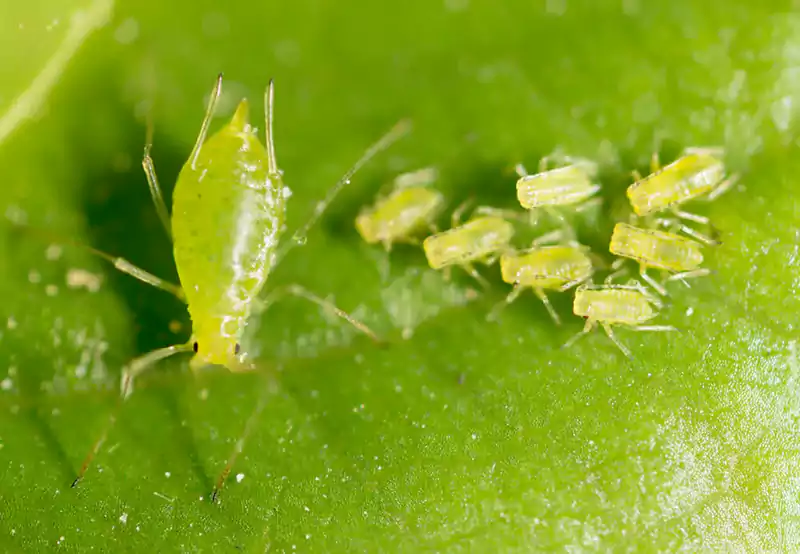 | Small, green, black, or yellow bugs clustered around the new growth. | Rinse the plant off in the shower. Use insecticidal soap or neem oil on the affected area. |
Scale Insects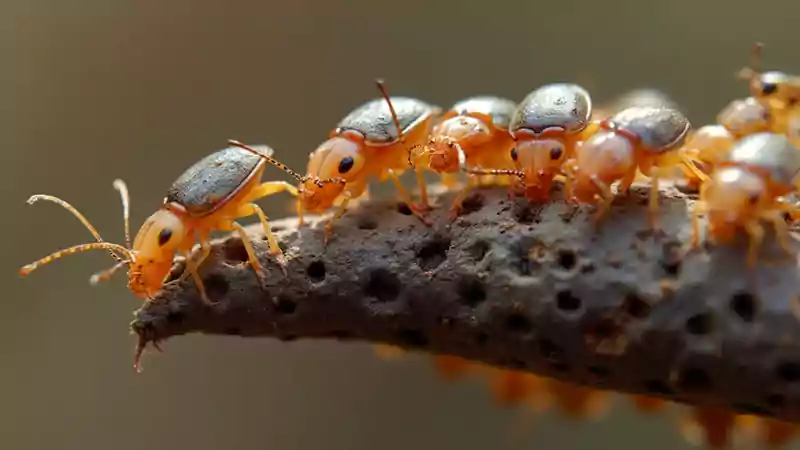 | Brown or white oval-shaped bugs that stick to stem and leaves. | Scrape the insects off with a soft toothbrush and wipe the plant with rubbing alcohol. |
Fungus Gnats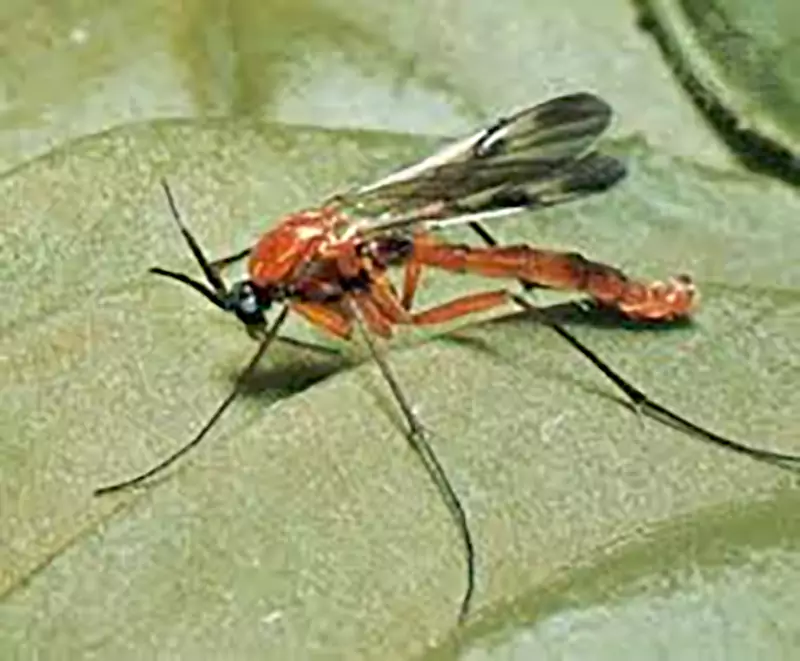 | Black flies hover over the soil or water. | Allow the soil to dry out before watering again, and use sticky traps. |
Diseases Affecting Lucky Bamboo
| Disease | Signs | Solutions |
| Root Rot | Roots turn black and mushy. (healthy roots are orange or white) | Remove the plant and cut all the mushy black roots. Clean the container and plant again. |
| Stem Rot | The base of the stem turns black and brown. It becomes soft and mushy. | Cut the stalk above the rot to save it. Let the cut end dry for a day before putting it back in clean water for re-rooting. |
| Stunted Growth | The plant looks faint green and stops growing. | Feed lightly with balanced liquid fertilizer and move the plant to a warmer spot. |
| Algae Growth | Green slime on the water and on the inside of the pot. | Clean the container regularly and keep it in indirect filtered sunlight. |
Common User Problems with Lucky Bamboo
During my research, I got to know that many people are struggling on Reddit with their lucky bamboo plant care. Let’s see some of the queries and their possible solutions:
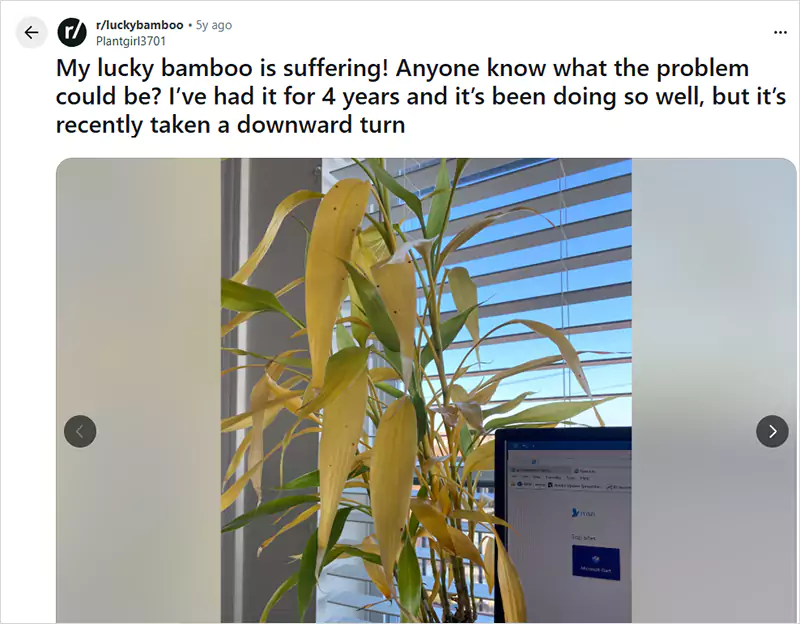
- One of the users showed his concern: My lucky bamboo is suffering! Anyone know what the problem could be? I’ve had it for 4 years and it’s been doing so well, but it’s recently taken a downward turn.
Solution: In the image, I can see yellow leaves; it could be due to stress from tap water chemicals. Other reasons for this could include over-fertilization, improper watering, and excessive direct sunlight.
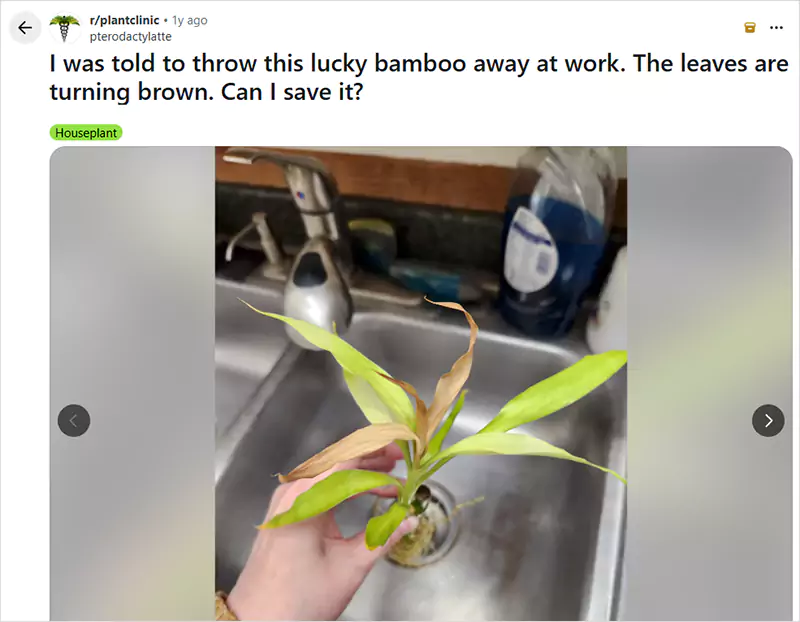
- Another user mentioned that I was told to throw this lucky bamboo away at work. The leaves are turning brown. Can I save it?
Solution: Yes, the plant can be saved. The brown leaves are caused by overwatering, low humidity, or water quality issues. To rescue it, cut off dead leaves and rotten roots and repot it.
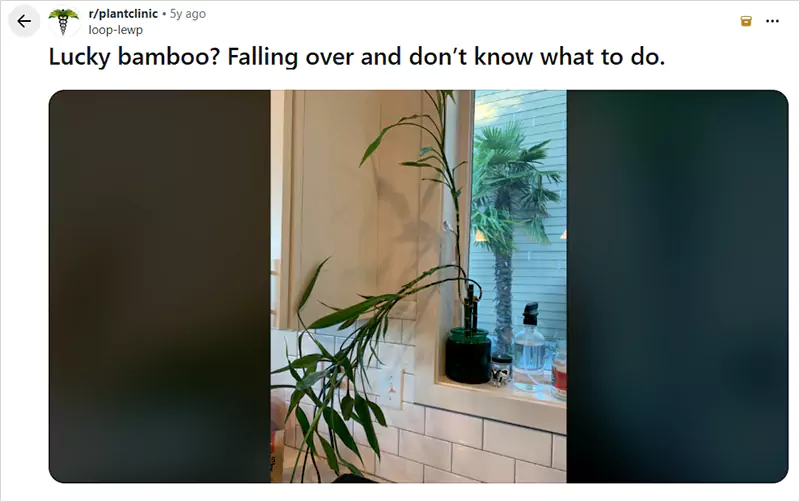
- One of the users asked Lucky bamboo? Falling over and don’t know what to do.
Solution: I think if it is falling over, it could be due to excessive height without any support, weak stems from low light, or root rot from poor water quality. Stabilize the plant using stakes or pebbles. Prune the top-heavy growth to promote stronger stems.
Final Words
Lucky bamboo is a fabulous addition to your homes and offices! It not only has decorative value, but also brings good luck to the owner. The good luck houseplant thrives in low light and water, well-suited for an indoor environment.
Its symbolism is derived from the number of stalks present on it. Though it is susceptible to diseases and pests, you can easily solve those issues with the right water quality and by keeping it in high humidity.
FAQs
Is lucky bamboo a good indoor plant?
How to care for lucky bamboo?
The houseplant is easy to care for and thrives in bright indirect light and warm temperatures. It can be grown in soil or water easily. In addition to that, it only needs occasional pruning and minimal feeding.
How do you get lucky bamboo to grow new shoots?
To get your lucky bamboo growing new shoots, focus on regular trimming of the stalks. The new growth will be more vibrant and dense. Also, propagate the cuttings to get an abundant number of plants.
How do I count stalks of lucky bamboo?
Count each thick green stem rising from the base as a stalk, regardless of its shape and size. Avoid counting the smaller offshoots and leaves at the top. By counting the number of stalks, you can understand its symbolism according to folklore.
Where should I place lucky curly bamboo in my home?
Placing lucky bamboo anywhere in the home promotes prosperity. Especially placing it on the desk supports career growth, and in the entrance, it attracts positive energy.
Sources:
Lucky bamboo – Britannica
How to grow lucky bamboo– BBC Gardeners’ World Magazine
Latest Blog