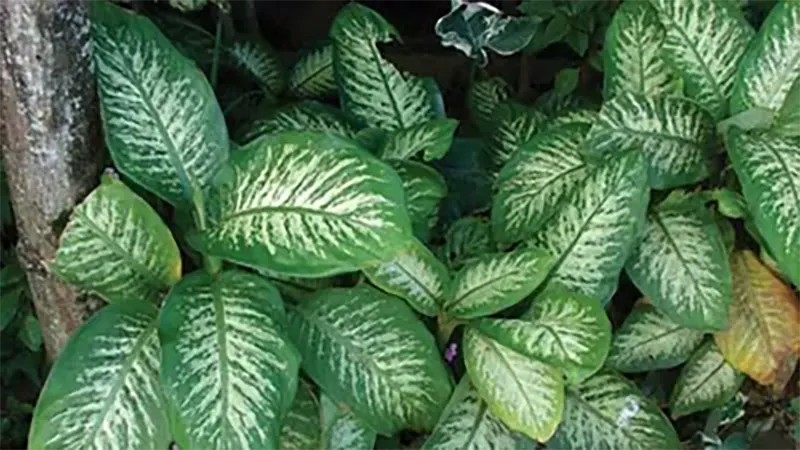
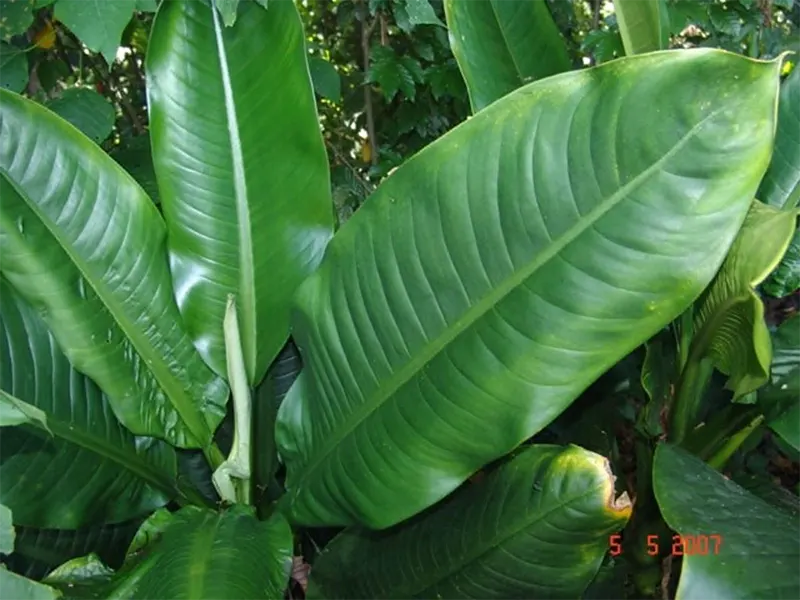
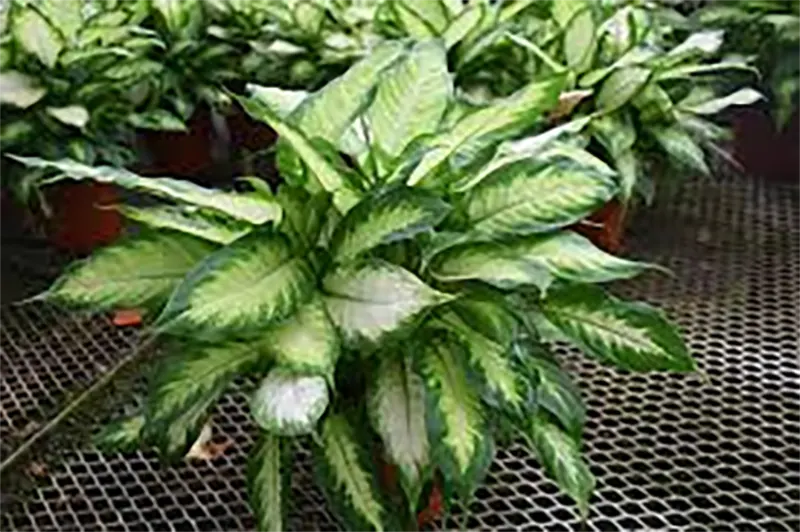
Yes, the dumb cane plant is known as Dieffenbachia.
Dieffenbachia Plant: Varieties, Growing Condition & Caring Tips
Author
Annette Hird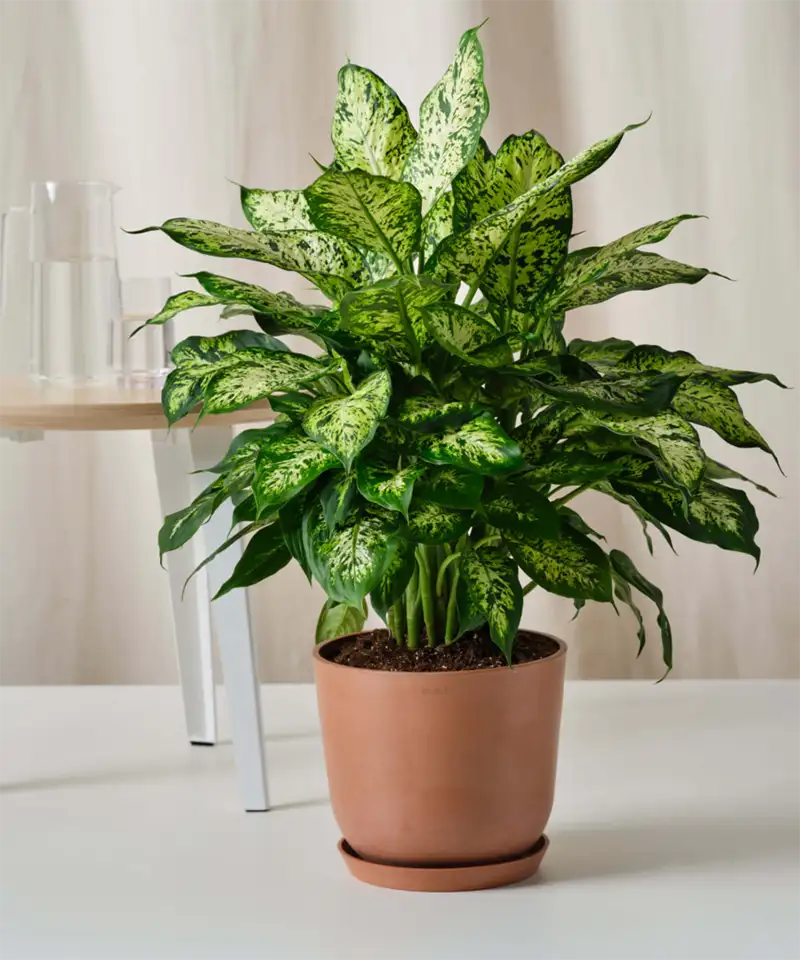
Dieffenbachia, or dumb cane plant, is an easy-to-grow perennial houseplant. It adds a lush, tropical look to your house corners. The plant got its name, dumb cane, because its sap can cause numbness when touched with bare hands. Its long leaves don’t just add aesthetic appeal to your space; it’s also known as an air-purifying plant, as it removes harmful toxins from the air and makes your space more breathable.
The dumb cane plant is perfect for growing indoors, as it thrives best in bright, indirect light. Let us now dive into the plant’s taxonomy, ideal care conditions, different varieties, care tips, common pests and problems associated with the dieffenbachia plant.
Table of Contents:
Taxonomy and Ideal Growing Conditions For Dieffenbachia
Dumb cane is a perennial with over 50 species. It is also known as an air-purifying plant and is often used in home decor. The plant thrives well in a humid area with bright light.
For more general information, here is the taxonomic overview and ideal growing conditions of the plant-
| Botanical name | Dieffenbachia spp. |
| Common names | Dieffenbachia, dumb cane, leopard lily |
| Kingdom | Plantae |
| Order | Alismatales |
| Family | Araceae (Arum family) |
| Subfamily | Aroideae |
| Genus | Dieffenbachia Schott |
| Native area | Tropical regions of the Caribbean and South Africa |
| Characteristic | Showy, evergreen |
| Hardiness | 10 to 12 USDA zone |
| Light Requirements | Bright, indirect sunlight |
| Maintenance | Low |
| Plant type | Evergreen perennial |
| Flower colour | Rarely produces pale green flowers when grown under optimal conditions |
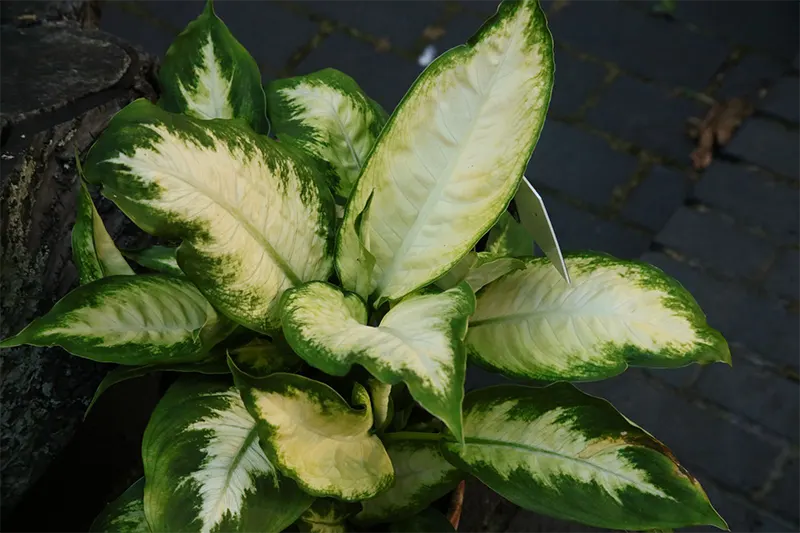
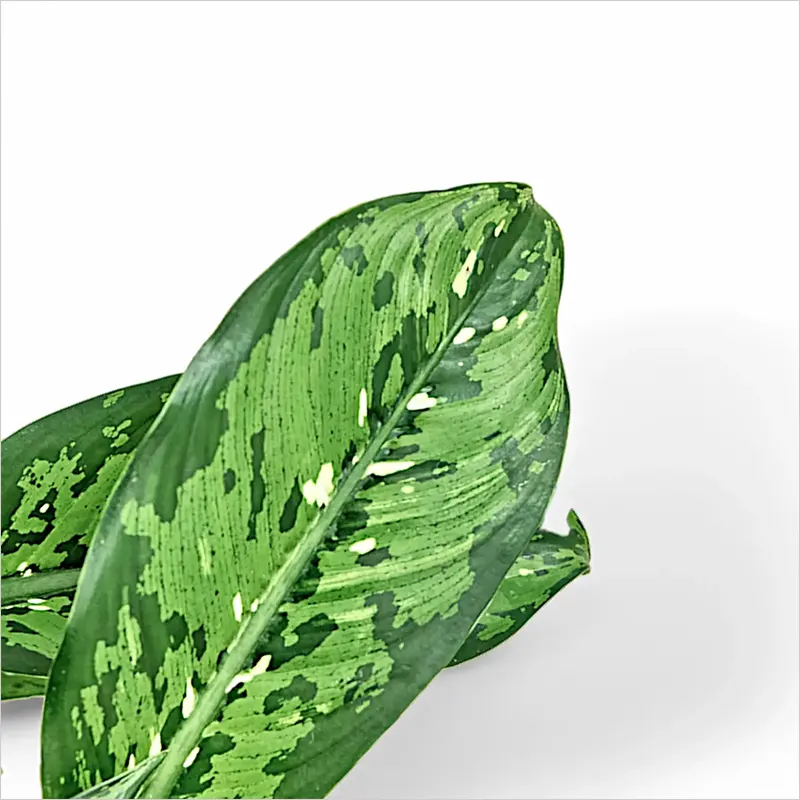
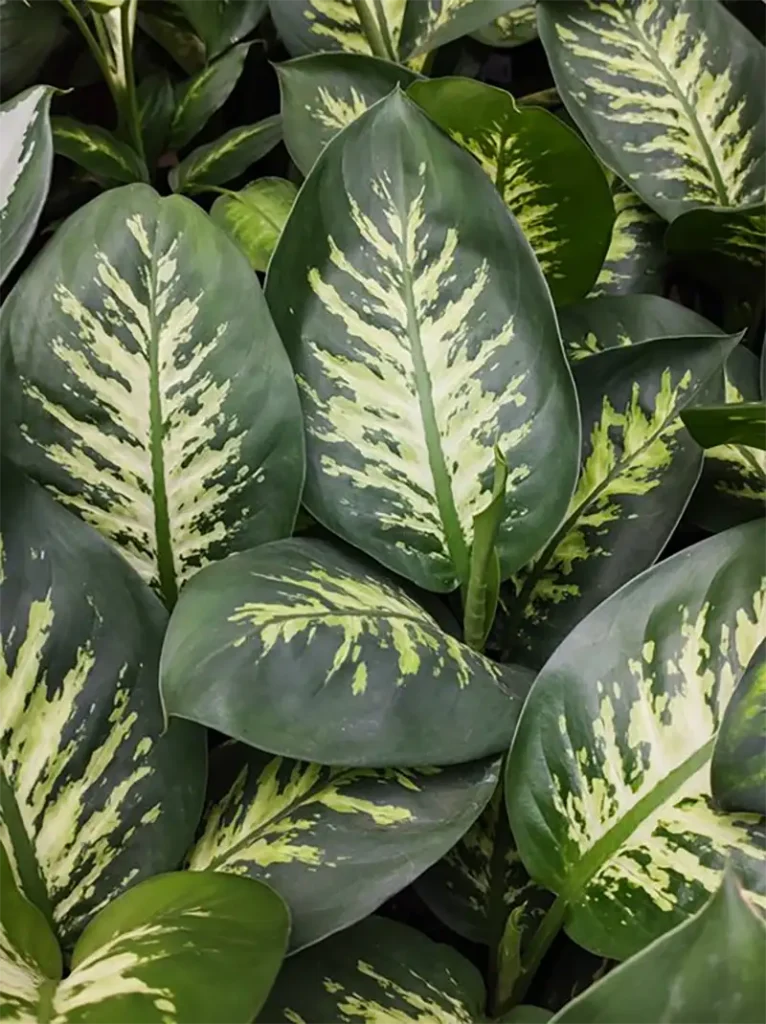
| Foliage | Long and pointed with a spotting pattern of white, yellow, gold, and various shades of green. |
| Soil | Well-drained, rich soil or potting-mix with good moisture retention. The plant prefers slightly acidic soil. |
| Water Requirements | Dieffenbachias require regular watering during the spring and summer seasons and little water during the winter season. Later, let the soil dry partially between two watering sessions. Note– Do not overwater the plant as it can cause root rot. |
| Mature size | 2 to 6 ft. tall and 1 to 3 ft. wide |
| Fertilizers | The Dieffenbachias must be fertilised with liquid houseplant fertiliser diluted by half. Use the fertilizer every two weeks from March to September. |
| Toxicity | The plant is toxic to pets as it contains calcium oxalate crystals. The plant sap can also cause skin irritation. Tip- Wear gloves while handling the plant sap to avoid skin irritation. |
Read more: Lucky Bamboo Plant: Growth, Care Tips, and Symbolism Explained
Popular Varieties of Dieffenbachia Plant
The Dieffenbachia plant has over 50 species. Here is the list of popular varieties that can be cultivated and hybridised with their description:
Read more: Peperomia Plant: Care Tips For A Healthy Radiator Plant
How to Grow a Dieffenbachia?
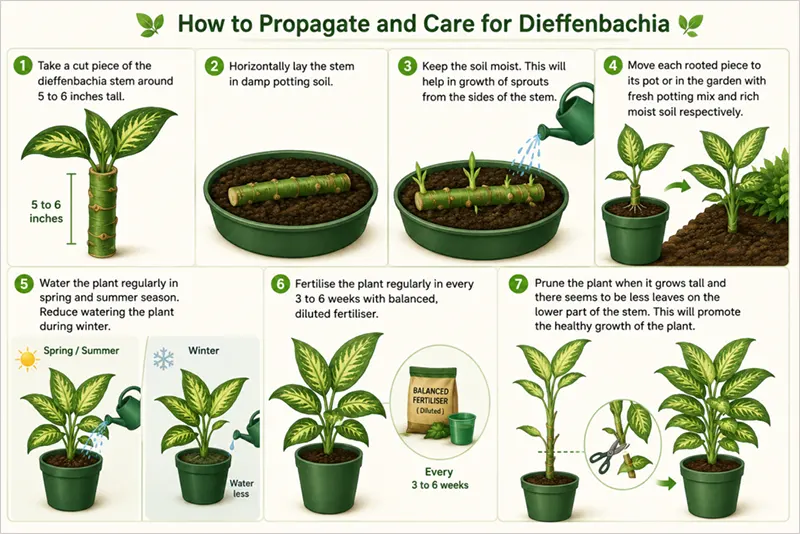
Dumb cane grows healthy in bright indirect light, evenly moist soil, and humid areas. Here is the step-by-step process that can help in healthy plant growth:
- Take a cut piece of the dieffenbachia stem, around 5 to 6 inches tall.
- Horizontally lay the stem in damp potting soil.
- Keep the soil moist. This will help in the growth of sprouts from the sides of the stem.
- Move each rooted piece to its pot or into the garden with fresh potting mix and rich, moist soil, respectively.
- Water the plant regularly in the spring and summer seasons. Reduce watering the plant during winter.
- Fertilise the plant regularly every 3 to 6 weeks with balanced, diluted fertiliser.
Prune the plant when it grows tall, and there seem to be fewer leaves on the lower part of the stem. This will promote the healthy growth of the plant.
Read more: Essential Aloe Plant Care Tips to Keep Your Plant Green, Plump, and Problem-Free
Ideal Caring Tips For Dieffenbachia Plant
When properly cared for, the dumb cane plant can thrive for a long time. Here are some basic care tips for the Dieffenbachia plant:
- Place your dumb cane plant in bright, indirect sunlight. Avoid full sun exposure as it can affect plant foliage.
- Rotate the plant every few weeks for equal plant growth from all sides.
- Ensure using fertile, well-drained, moist soil or potting mix with high coco coir content or high peat.
- If you are planting a dumb care plant in a container, make sure that there is a drainage hole. It will support proper air circulation and removal of excess water from the soil, preventing root rot.
- Water the plant when the top layer of the plant starts to dry.
- Fertilise the plant with balanced, diluted fertiliser.
- During winter, place the plant indoors in a bright spot where the temperature will stay above 60 degrees Fahrenheit.
- In winter, water the plant once a week.
Read more: December Birth Flowers Explained: Paperwhite and Holly Symbolism, Meaning and Care Tips
Common Pests and Problems Associated With the Dieffenbachia
Dumb cane plant does not attract pests easily, but like many indoor plants, it can be attacked by spider mites, especially if kept in dry air. To avoid this, you can change the plant’s location, place it in a humid space and use an organic pesticide like neem oil. Also, isolate the plant for a while from other plants to avoid the pest from attacking them.
The common problems that are associated with the dieffenbachia are yellowing or browning of leaves, no growth, and drooping leaves. There are different reasons behind this. Here is the table that presents common problems with their solutions:
| Problem | Solution |
| Yellowing or browning of leaves | This is the sign of overwatering or underwatering the plant. In order to avoid such situations, water the plant only when the soil starts to dry out during the winter and partially dry in summer and spring. |
| Drooping leaves | Drooping leaves are a sign of too much direct exposure of the plant to sunlight. In such conditions, try to place the plant in a shaded area. |
| Leaves falling off | If the plant loses some leaves from its lower side, this is considered a normal situation. But if the leaves begin to drop randomly, it can be because of cold temperatures. To avoid such a situation, place your plant in a bright, indirect light area with humidity. |
Read more: January Birth Flower (Carnation and Snowdrop): Symbolism, History and Growing Conditions
Takeaways
The dumb cane plant is a lush addition to your house corners, making them aesthetically appealing, and at the same time, it acts like a natural air purifier. Dieffenbachia removes harmful toxins to some extent from the air. The plant does not demand much care, but following some simple care tips like proper placement, watering, and fertilisation can keep your plant alive for a few years.
If you want to plant dieffenbachia, get your hands on different varieties of the plant of your choice and let your room’s dark corners shine bright with this little addition. Happy growing!
FAQs
Are Dieffenbachia and dumb cane plants the same?
What are the different varieties of the dumb cane plant?
There are over 50 varieties of dieffenbachia. The most popular ones are Dieffenbachia seguine ‘Tropic Snow’, Dieffenbachia amoena, Dieffenbachia seguine ‘Crocodile’, Dieffenbachia seguine (Jacq.) Schott, etc.
How to care for a dumb cane plant?
To care for a dumb can plant, ensure to place the plant in bright, indirect sunlight, fertilise the plant every 3 to 4 weeks with diluted fertiliser, water the plant when the top layer of soil starts drying during summer and spring season and for winter season, only water the plant once a week, and prune the plant when the lower part of the stem has fewer leaves.
Do dieffenbachia require fertilisers?
Yes, Dieffenbachia is a heavy feeder. Feed your plant regularly with balanced, diluted fertiliser for a regular boost of nutrients and good plant growth.
Which pests commonly attack the dumb cane plant?
Spider mites might attack your plant. To remove them, use organic pesticides like neem oil once a week.
Sources:
Latest Blog