Eco-friendly homes are essential for recovering the damage done to the environment.
Living Green, Saving Green: Why Eco-Friendly Homes Are the Future
Author
Rashika GuptaLast Update
September 21, 2026
“We won’t have a society if we destroy the environment.”
– Margaret Mead (Anthropologist)
Your home is your biggest financial asset. But it’s also your biggest liability considering it leaves a major carbon footprint and your pocket a little lighter every year.
Making your home eco-friendly kills these two birds with one stone. You get a healthier, affordable, and comfortable living space as a byproduct.
Table of Contents:
The Real Financial Benefits of Going Green
Savings matter most to homeowners. Eco-friendly upgrades aren’t just feel-good purchases. They’re investments that pay dividends month after month.
Traditional homes waste enormous amounts of energy through:
- Inefficient systems
- Poor insulation
- Outdated appliances
When you upgrade to energy-efficient alternatives, you immediately start reducing your utility bills. These savings compound over time, often covering the initial investment within a few years.
For example, proper insulation in your attic, walls, and floors keeps your home comfortable year-round without overworking your heating and cooling systems. Most homeowners see a significant reduction in heating and cooling costs after proper insulation installation, and you’ll wonder why you didn’t make the upgrade sooner.
Water conservation features also save considerably. Low-flow toilets, efficient showerheads, and smart irrigation systems dramatically reduce water consumption without sacrificing performance. If you live in an area with high water costs, these upgrades typically recoup costs within several years.
Energy Independence Through Renewable Sources
Electricity is getting expensive. Relying entirely on it leaves you vulnerable to power outages as well. Generating your own clean energy gives you control over your power supply and protects you from unpredictable rate increases.
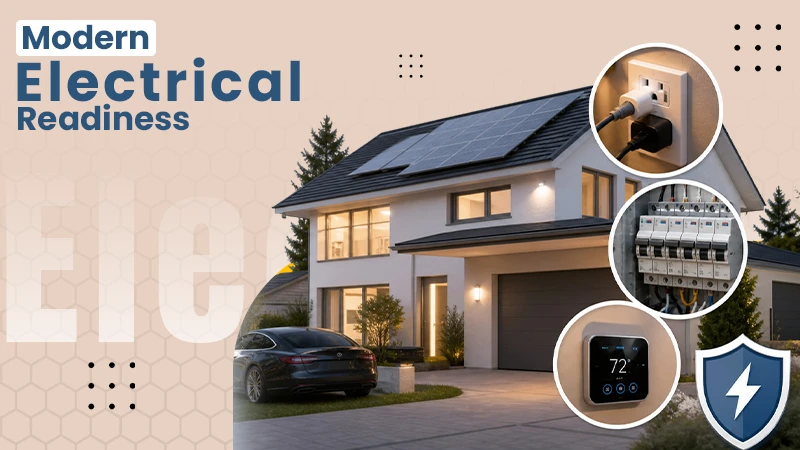
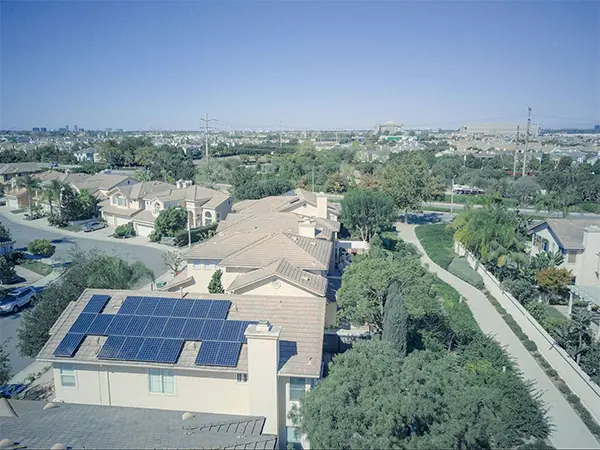
Solar has become quite affordable and efficient. The panels available today produce more energy in less space than ever before, and you can slash your energy bills by installing solar panels in your home while reducing your carbon footprint. Many homeowners find that their systems generate enough power to cover most or all of their electricity needs.
Advancements in battery storage tech are also key in this. They store excess energy generated during sunny days for use at night or during cloudy weather. This technology has improved dramatically in recent years, offering reliable backup power during outages while maximizing the value of your solar investment.
For properties with adequate space and consistent wind patterns, wind power is the way to go. Small residential wind turbines can supplement your energy needs, particularly in rural areas where wind resources are strong.
Smart Technology Makes Green Living Effortless
Modern smart home tech has made energy-efficient living easier than ever. These systems learn your habits and automatically optimize your home’s performance without requiring constant attention.
Smart thermostats adjust heating and cooling based on your:
- Schedule
- Weather conditions
- Occupancy patterns
They ensure you’re never wasting energy on an empty house while keeping your home comfortable when you’re there.
The convenience and savings justify the investment. Intelligent lighting systems use LED bulbs that last years longer than traditional bulbs while consuming a fraction of the energy. Motion sensors and automated schedules mean lights are only on when needed. You can also adjust lighting remotely, so you’ll never again wonder if you left lights on when you left for vacation.
Smart power strips further save energy. Electronics continue drawing power even when turned off, and these hidden energy vampires add up on your bill. Intelligent power management cuts off power for unused devices.
Water leak detectors alert before things get big. These sensors alert you immediately when they detect moisture, preventing water damage and the wasted water that comes with hidden leaks.
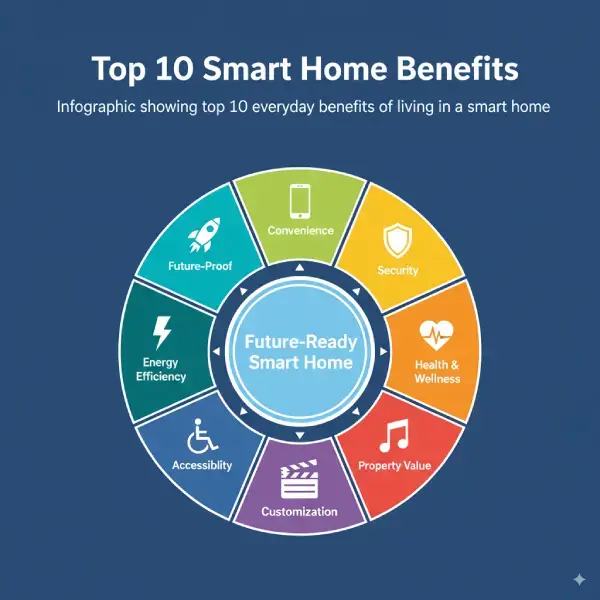
The infographic summarizes the top 10 smart home tech benefits:
Healthier Living Spaces for Your Family
Eco-friendly homes go beyond just saving money and protecting the environment. The emerging eco-friendly design trends create healthier indoor spaces that improve your quality of life.
Traditional building materials and household products release volatile organic compounds (VOCs) into the environment. These chemicals contribute to indoor air pollution and are associated with headaches, respiratory issues, and other health problems. Green building materials and low-VOC products eliminate these concerns.
Improved ventilation systems in eco-friendly homes ensure constant fresh air circulation. This reduces indoor pollutants, controls humidity levels, and prevents mold growth. Better air quality means fewer respiratory issues and greater peace of mind.
Natural lighting plays a crucial role in both energy efficiency and wellbeing. Strategic window placement and skylights reduce the need for artificial lighting while providing the natural light humans need for healthy circadian rhythms and mood regulation.
Non-toxic cleaning products and pest control methods protect your family from harmful chemicals. Many conventional household products contain ingredients linked to health problems, but green alternatives work just as effectively without the risks.
Boosting Your Property Value
Homebuyers also look out for sustainability. An eco-friendly home stands out in the market and often commands higher prices.
Energy-efficient features are particularly attractive to buyers who understand the long-term savings they represent. Solar panels, efficient HVAC systems, and quality insulation translate to lower operating costs, making your home more affordable to own despite a higher purchase price.
Green certifications like LEED or Energy Star add credibility and value. These third-party verifications assure buyers that your home meets rigorous environmental standards.
Modern, updated systems mean less maintenance and fewer repairs for new owners. Buyers appreciate move-in-ready homes with reliable, efficient infrastructure that won’t require immediate attention or investment.
Practical Steps to Start Your Green Journey
Greenify one thing at a time. Strategic improvements deliver results even on modest budgets.
Start with an energy audit to identify your home’s biggest inefficiencies. Many utility companies offer free or subsidized audits that pinpoint exactly where you’re losing energy and money. This information helps you prioritize upgrades for maximum impact.
Focus on low-cost, high-impact changes first. Sealing air leaks, adding weather stripping, and upgrading to LED bulbs require minimal investment but deliver noticeable results. These quick wins build momentum for larger projects.
Replace old appliances as they wear out rather than all at once. When your refrigerator or washing machine needs replacing, choose Energy Star models. Spreading upgrades over time makes eco-friendly living financially manageable.
Consider government incentives and rebates. Federal tax credits, state programs, and utility company rebates often cover significant portions of upgrade costs. Research available programs before starting projects to maximize your savings.
The Bigger Picture
Each eco-friendly home stands for a better environment. Residential buildings account for a substantial portion of energy consumption and carbon emissions. When individual homeowners make sustainable choices, the collective impact is enormous.
The transition to sustainable living is already underway. Early adopters benefit most from available incentives and rebates while positioning themselves ahead of inevitable regulatory changes. Building codes and efficiency standards continue to evolve, making today’s green features tomorrow’s standard requirements. By upgrading now, you lock in savings while enjoying immediate benefits to comfort, health, and monthly expenses.
Your home should support your values while serving your practical needs. Eco-friendly living accomplishes both, creating spaces that are comfortable, healthy, affordable, and responsible. The future of housing is green, and that future is already here for those ready to embrace it.
FAQs
Why are eco-friendly homes important?
Why is green living the future?
The reduced carbon footprint ensures that we leave a better world for posterity.
What are the benefits of eco-friendly and sustainable living?
In a personal capacity, it saves money and improves health as your exposure to harmful elements is reduced.
Latest Blog