Switching exterior bulbs to yellow bug lights reduces insect attraction near entryways. Sealing gaps around foundation walls stops arachnids from crawling inside seeking prey.
The Most Common Insects You’ll See Around Your Home This Summer
Author
Annette Hird
Warm weather means long days, outdoor gatherings, and constant sweat.
When the humidity levels are high, it is the pleasant sunrise that lets the home feel airy.
But such high temperatures are also responsible for insects breeding in your houses as well. This is why it is important to know the kinds of insects you can encounter and how to deal with them :
Table of Contents:
Ants Searching For Food Indoors
Small black ants and carpenter ants usually start the summer invasion into common living spaces. Warm weather increases colony growth, pushing worker ants indoors to locate food and moisture. They often follow chemical trails left behind by scout ants along countertops, floors, and sinks.
Unsealed pantry boxes, pet food bowls, and sticky syrup spills draw large groups quickly. A single crumb can prompt dozens of workers to gather in minutes. Sealing dry goods in glass containers removes their primary food supply inside houses.
Wiping down kitchen surfaces with soap and water removes scent trails effectively. Fixing leaky plumbing fixtures under sinks eliminates the water sources that attract workers into cabinets. Keeping baseboards clean stops scouts from creating direct pathways across rooms.
Mosquitoes Swarming Around Standing Water
Warm weather draws annoying biters out into backyards and gardens every evening. Homeowners who hire a mosquito removal service notice a huge reduction in biting activity around their yards. Taking such steps early allows patio spaces to remain pleasant for family gatherings.
Clogged gutters, bird baths, and empty flower pots collect rainwater that serves as ideal breeding areas. A tiny puddle can contain hundreds of wriggling larvae within a few days. Emptying standing water receptacles weekly interrupts egg development cycles.
Installing fine mesh screens over windows prevents flying pests from entering their way into bedrooms at night. Fans placed near outdoor seating areas create air currents that disturb weak flying insects.
Yard maintenance keeps tall grasses short where adult biters rest during hot afternoon hours.
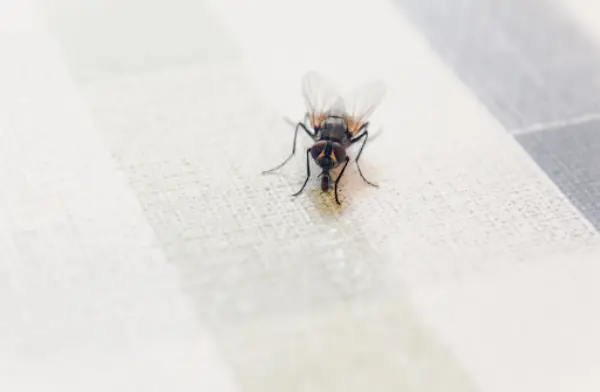
Flies Buzzing Near Kitchen Trash
Houseflies and fruit flies multiply rapidly when temperatures rise above 75 degrees. Ripe fruit on countertops and open trash cans provide immediate breeding grounds for adult flies. Their short lifespans mean populations explode into massive swarms within weeks.
Simple household practices help control fly activity in domestic spaces:
- Securing household trash cans secure tight-fitting lids.
- Rinsing recyclable plastic recycling before placing them in bins.
- Storing fresh fruits inside refrigerated drawers.
- Cleaning garbage disposal units with vinegar and sodium bicarbonate.
Sticky fly strips placed near doorways catch wandering adults before they try to lay eggs. Screen doors need closer inspection to cover tiny holes that allow pests to enter rooms. Quickly removing dog waste from yards reduces down on external fly attractants.
Spiders Building Webs In Dark Corners
Spiders move indoors during warm seasons as insect prey becomes plentiful inside human structures. Cellars, attics, and window frames offer stable conditions for creating silk webs. Most home spiders pose zero threat to humans and actively eat smaller indoor bugs.
Extra webs indicate an underlying population of crawling bugs existing in the house. Clearing such cobwebs with a vacuum cleaner removes the presence of adult spiders alongside egg sacs. Bright outdoor light fixtures draw nocturnal insects, which also lure hungry spiders toward entry points.
Switching exterior bulbs to yellow bug lights lowers insect attraction near entryways. Sealing gaps around foundation walls stops arachnids from crawling inside while seeking prey. Decluttering storage boxes in garages removes hidden shelter spots where females build egg sacs.
Wasps Constructing Nests Under Eaves
Stinging insects form fresh colonies beneath porch roofs, deck railings, and window overhangs in early summer. Queen wasps build papery structures out of chewed wood pulp to shelter developing broods. These territorial creatures protect nests aggressively when humans venture nearby.
Identifying early wasp activity involves checking key structural areas:
- Roof eaves and soffit vents around top levels.
- Underneath wooden deck railings and patio furniture.
- Inside open mailbox cavities and hollow fence supports.
- Behind exterior window shutters and shed entrances.
Knocking down tiny, newly started nests with a broom handle disrupts queen wasps early on. Covering outdoor garbage cans prevents yellowjackets from finding sugary food waste. Professional assistance becomes almost essential when mature paper nests reach the size of a baseball.
Bed Bugs Spreading Through Seasonal Travel
Increased summer travel crowds hotel rooms, trains, and airplanes with human passengers. These hitchhiking parasites attach themselves to luggage, backpacks, and clothing items during vacation trips. Travelers inadvertently carry adult bugs and eggs directly back into their master bedrooms.
Checking hotel mattress seams and headboards before unpacking luggage helps accidental infestations. Placing suitcases on elevated metal racks keeps bugs from crawling inside open luggage. Washing travel clothing in hot water upon returning home removes concealed eggs effectively.
Early signs of infestation include small rusty spots on bed sheets and itchy red marks on skin. Vacuuming mattress seams frequently removes stray adults before populations spread into carpet edges. Encasing mattresses in zippered protective covers stops bugs from hiding in deep fabric layers.

Earwigs Seeking Damp Shelters
Pincher-bearing insects flourish in cool, humid environments under garden mulch and flat landscaping stones. Extended heat waves dry out outdoor soil, pushing these crawling bugs into air-conditioned basements. Homeowners frequently find them hiding near laundry tubs, bathroom floor drains, and potted plants.
Moisture control is important to deter earwigs from lingering inside building foundations. Running dehumidifiers in damp basements creates dry conditions that such creatures often avoid. Fixing leaky outdoor spouts also reduces excess water accumulation near exterior walls.
Clearing leaf piles and wood mulch away from house foundations creates a dry border area. Sealing low door sweeps helps crawling pests from sliding under doors at night. Simple cardboard traps placed near basement walls catch lingering earwigs without chemical sprays.
Conclusion
Managing household bug activity requires regular sanitation, moisture control, and structural sealing around property walls. Frequent checks help minor summer insect sightings from turning into persistent indoor infestations.
Maintaining clean living areas allows residents to rest comfortably indoors throughout the warm summer months. Proactive yard care keeps neighborhood bug populations outside where they belong.
FAQs
How do I decrease the presence of spiders in the home?
How does mosquito growth increase near a home?
Clogged gutters, bird baths, and empty flower pots collect rainwater that serves as an ideal breeding habitat. A tiny puddle can host hundreds of wriggling larvae within a few days.
How can I deter earwigs?
Moisture control is important to deter earwigs from lingering inside building foundations. Running dehumidifiers in damp basements creates dry conditions that such creatures often avoid.
Latest Blog