The best time to plant kale is in early spring for a summer harvest and late summer for a fall and winter harvest.
Kale Plant Guide: Taxonomy, Care Tips, Growing Kale, Health Benefits, & Much More
Author
Rashika Gupta
The kale plant is a garden superstar packed with vitamins and minerals. This biennial plant produces leaves for one season, and then, in the second year, it forms a flower stalk. These stalks form flowers and then later seeds. As soon as the seeds mature, the plant dies.
The best time to plant kale is around late winter or early spring, as this fast-growing plant gets ready in around three months for harvest. Some varieties are also planted in the late summer for the fall and winter harvest. These include Winterbor, Dwarf Blue Curled, Red Russian, and Siberian.
Read the article to learn more about how to grow kale, its taxonomy, care tips, popular varieties, and much more.
Table of Contents:
Taxonomy and Ideal Growing Conditions for Kale Plant
Kale is a cold-hardy, non-heading green that enhances its flavours in the chill of the frost or light snow. This biennial plant belongs to the Brassica family, which includes cabbage, broccoli, Brussels sprouts, and many other common cole crops. For more general information, here is the taxonomic overview and ideal growing conditions of the kale plant:
| Botanical Name | Brassica oleracea var. acephala (or var. viridis) |
| Common Names | Kale, leafy cabbage, non-heading cabbage, borecole |
| Kingdom | Plantae |
| Order | Brassicales |
| Family | Brassicaceae (mustard/cabbage family) |
| Genus | Brassica |
| Species | Brassica oleracea |
| Native area | Eastern Mediterranean region and Asia Minor (Anatolia) |
| Hardiness | 2 to 10 USDA Zones |
| Light Requirements | Full sun for 6 hours a day |
| Maintenance | Low to average |
| Plant type | Biennial |
| Soil | Fertile, loose, well-drained, moist soil rich in organic compost with neutral pH levels between 6.0 and 7.5 |
| Water Requirements | Average |
| Mature size | 18 to 36 inches tall and 18 to 30 inches wide |
| Fertilizers | Heavy feeder; requires mixed compost or a balanced slow-release granular fertiliser every 3 to 4 weeks |
| Toxicity | Safe for both humans and pets |
Read more: Everything You Need to Know About Cosmos Flower: From Ideal Growing Conditions to Pests & Problems
Read more: 15 Beautiful Hawaiian Flowers and Their Unique Features
How to Grow and Propagate Kale?
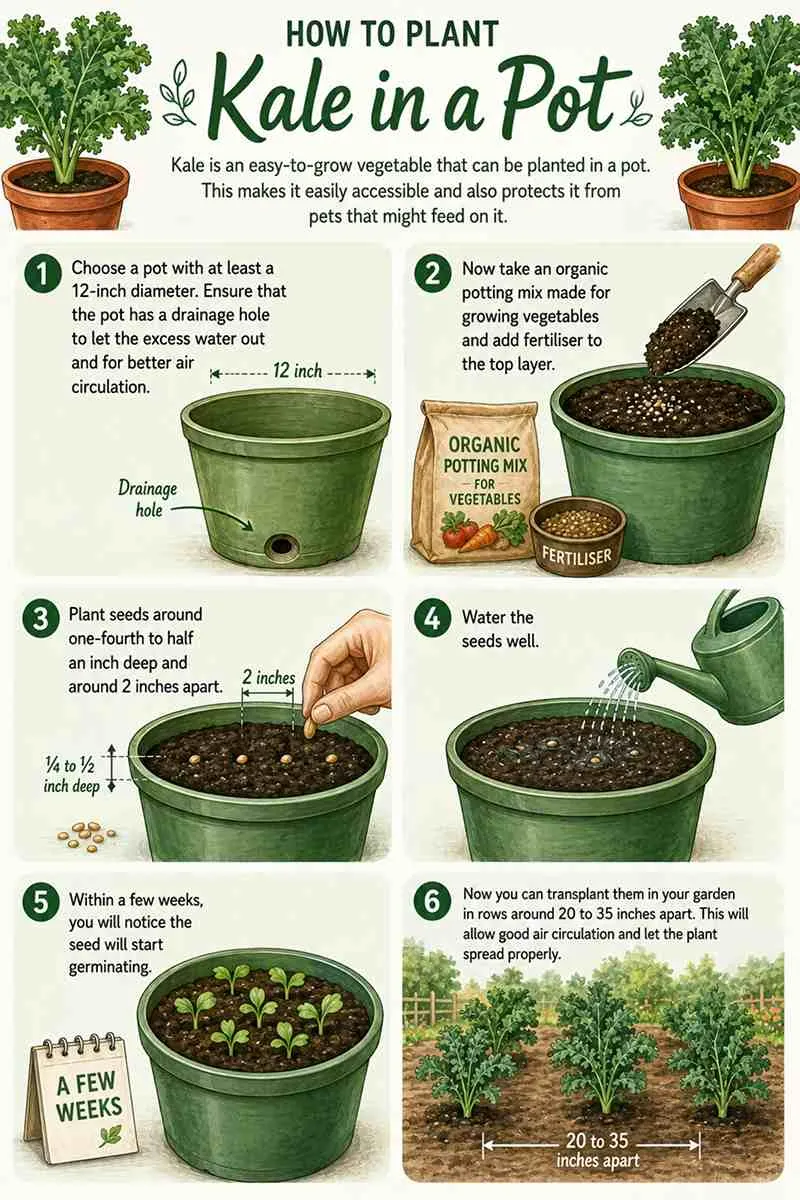
Kale is an easy-to-grow vegetable that can be planted in a pot. This makes it easily accessible and also protects it from pets that might feed on it. Here are some easy steps that I follow to plant kale:
- Choose a pot with at least a 12-inch diameter. Ensure that the pot has a drainage hole to let the excess water out and for better air circulation.
- Now take an organic potting mix made for growing vegetables and add fertilizer to the top layer.
- Plant seeds around one-fourth to half an inch deep and around 2 inches apart.
- Water the seeds well.
- Within a few weeks, you will notice the seeds start germinating.
- Now you can transplant them in your garden in rows around 20 to 35 inches apart. This will allow good air circulation and let the plant spread properly.
Steps to Propagate Kale Plant
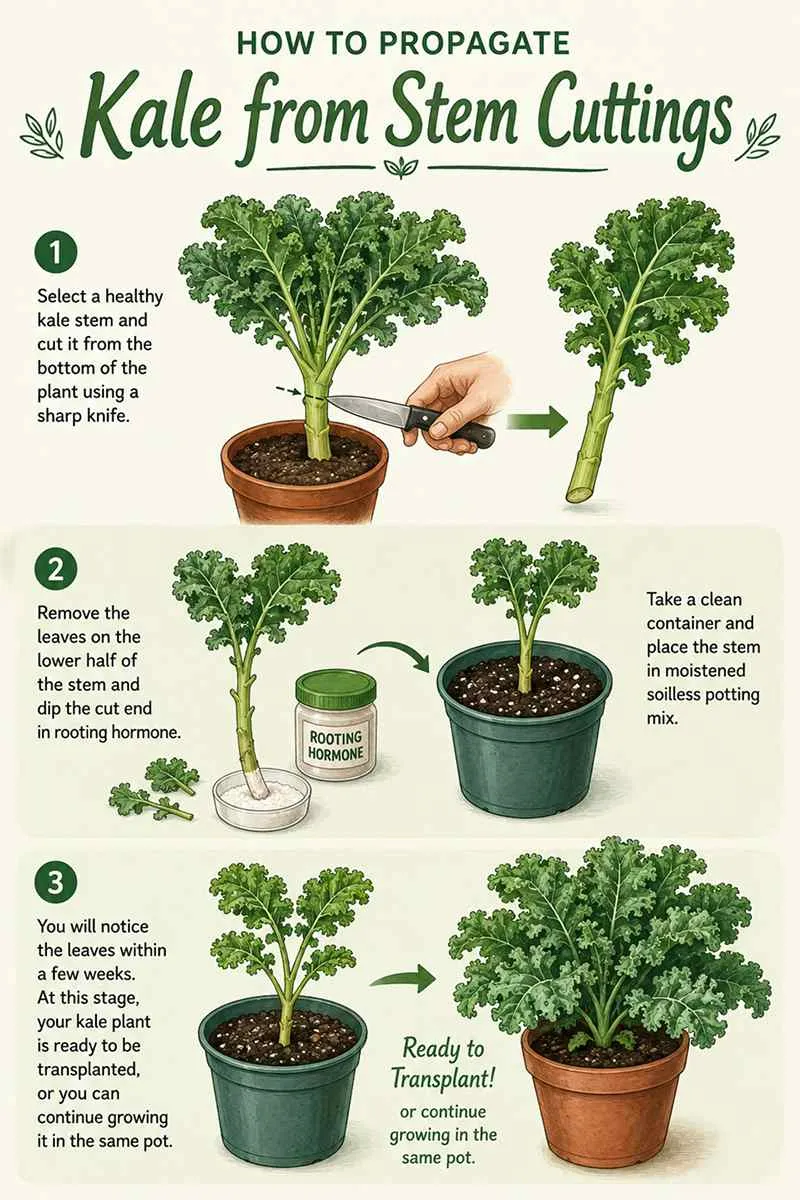
A kale plant is generally grown from seeds, but can be propagated using the stem cutting method. Here are some simple steps that you can follow to propagate a kale plant:
- Select a healthy kale stem and cut it from the bottom of the plant using a sharp knife.
- Remove the leaves on the lower half of the stem and dip the cut end in rooting hormone.
- Take a clean container and place the stem in moistened soilless potting mix.
- You will notice the leaves within a few weeks. At this stage, your kale plant is ready to be transplanted, or you can continue growing it in the same pot.
Read more: Best 25 Winter Plants to Maintain Your Garden Aesthetics in Cold
Care Tips for Kale Plant
Kale plants are generally easily grown, but there are certain crucial things that one needs to get right. Here are some care tips that will help your kale plant grow healthy:
- Kale likes full and direct sunlight for around 6 hours a day. Make sure that the location you choose to grow kale receives proper sunlight.
- Use well-drained, loose, and fertile soil to produce healthy, tender, and fast-growing leaves.
- The best time to plant kale is before summer and after frost. This helps the baby plant to survive and grow into a healthy, mature plant. Mature plants are hardy and can withstand very cold weather conditions.
- It is important to keep the kale plant well moist; therefore, water the plant base regularly.
- When planting, mix fertilizer into the top 3 to 4 inches of soil. Use high-nitrogen vegetable fertilizer.
- Mulching around the base helps the soil retain moisture, suppress weeds, and maintain soil temperature.
- It is important to harvest the plant leaves to let the plant grow vibrantly. The best time to harvest leaves is when they grow around the size of your hand.
- After harvesting kale leaves, it is important to correctly store them. Use a loose plastic bag to store kale in the refrigerator. This will keep the leaves healthy for around a week.
Bonus
Adding plenty of compost to the ground before planting kale will ensure healthy plants.
Read more: How To Grow Mint Indoors? From Cultivation to Care Guide and Popular Recipes
Explore the Popular Kale Varieties
There are many kale varieties that tend to stay longer and sweeter in cold weather. Here are the most popular varieties of kale with their descriptions that you can consider growing in the upcoming season:
| Variety | Description |
Redbor 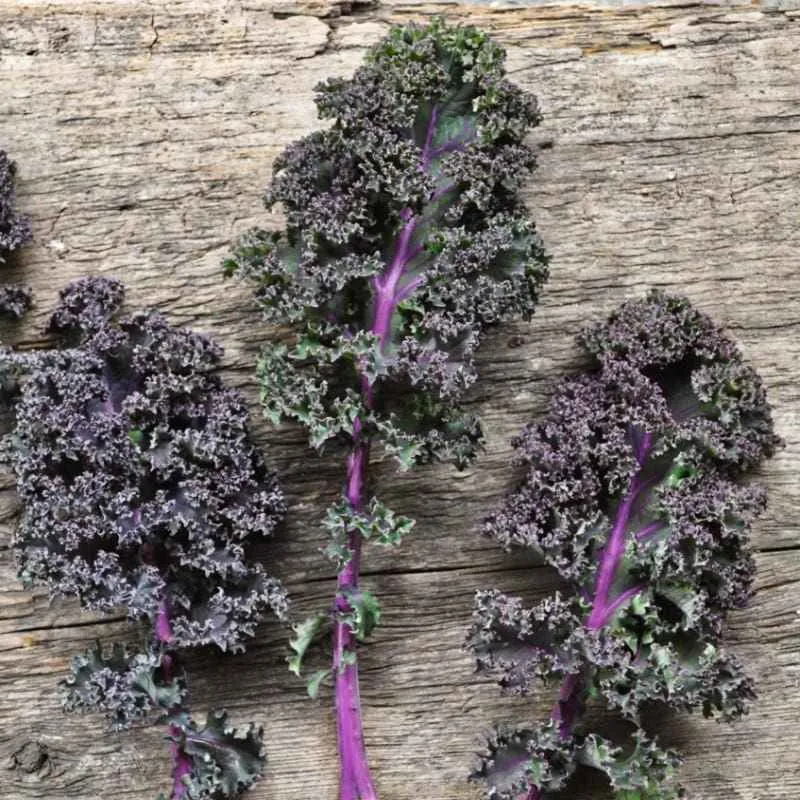 | It has magenta leaves with curly edges and features a mild, crisp flavour and texture. They are generally perfect for salad. |
Red Russian 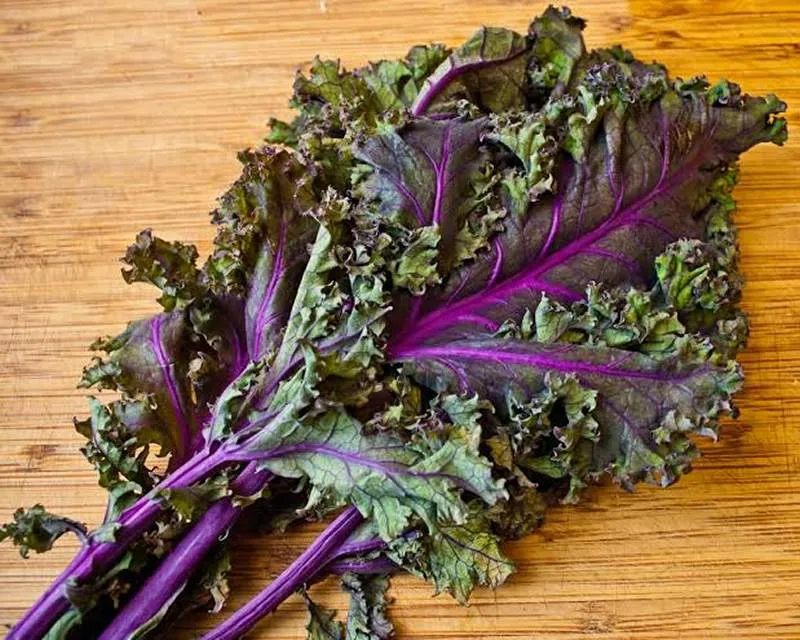 | Red Russian has smooth and tender leaves with purple edges and veins. This salad leaf is one of the sweetest among kale varieties. |
Vates 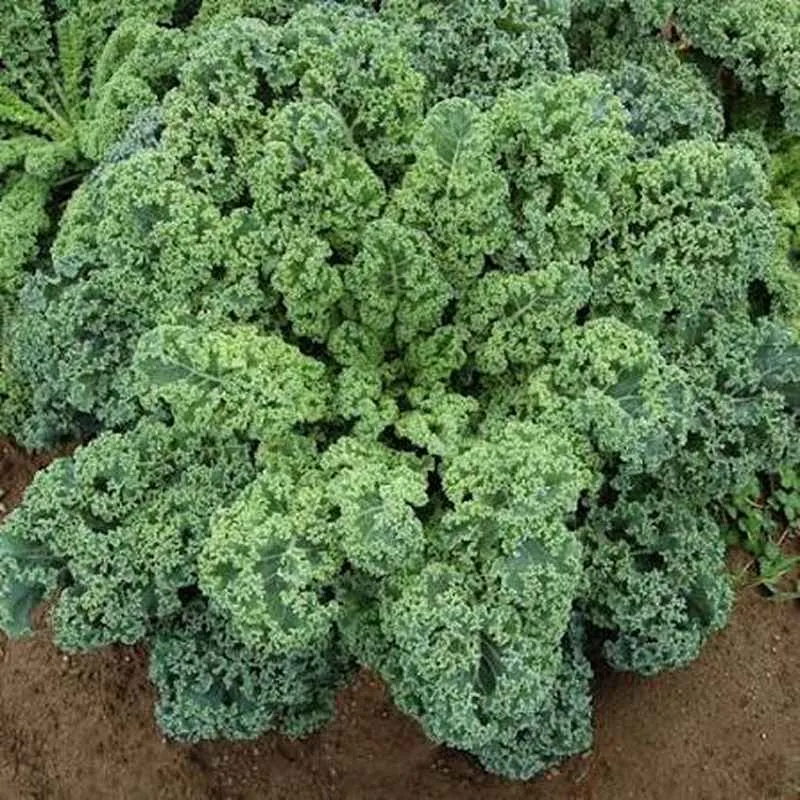 | They are dwarf, curly, greenish-blue kale that can be grown in both summer and winter. |
Hanover salad 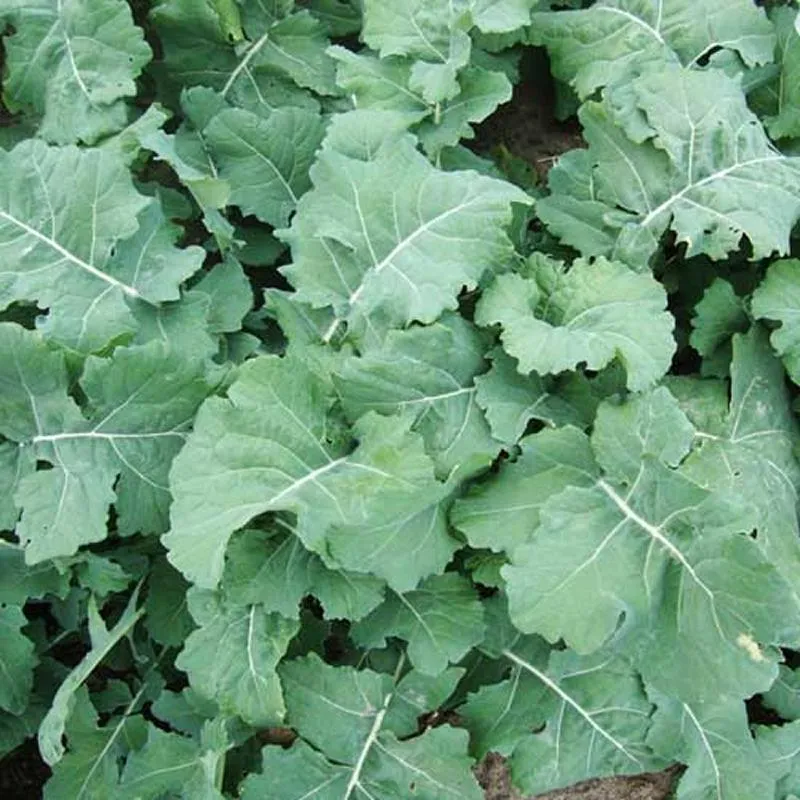 | Hanover salad is a fast-growing kale and has a pleasant taste for raw salads. It matures within 30 to 45 days. |
Best Companion Plants for Kale
The most delicious varieties of kale are grown during winter. Some of the best companion plants for kale include basil, beans, beets, carrots, chives, garlic, lettuce, marigolds, cilantro, peas, rosemary, sage, spinach, and thyme. Growing kale companion plants is beneficial, as they includes herbs are the best kale companions because they deter pests, enrich the soil, and lure harmful insects away.
The easy logic is that these plants can be broadly classified into certain groups like strong-smelling alliums (garlic), aromatic herbs (rosemary, sage, and cilantro), nitrogen-fixing plants (peas), and trap crops like marigolds that repel pests and attract beneficial predatory insects. Therefore, these provide the kale plant with natural nutrients that support kale’s healthy and heavy leaf growth.
Read more: Koriandri: Taxonomy, Ideal Growing Conditions, and Care Tips
Health Benefits of Kale Plant
While the vegetable is known to be rich in vitamins and minerals, here are some of the health benefits of kale:
- It is a good source of plant-based calcium that supports bone health.
- The kale leaves are rich in vitamins C and E, which help to support immunity.
- It keeps your eyes healthy, as it is enriched with phytonutrients.
Nutritional Value of Kale Plant
Here is the nutritional value of kale leaves in a serving of 80 g (raw leaves):
| Nutrients | Value |
| Energy | 26 kcals |
| Carbohydrate | 1.1 g |
| Protein | 2.7 g |
| Fat | 1.3 g |
| Fibre | 3.3 g |
| Potassium | 360 mg |
| Calcium | 104 mg |
| Vitamin C | 88 mg |
| Iron | 1.36 mg |
| Folate | 96 mcg |
Read more: Celosia Flower: How to Grow and Care?
Common Pests and Diseases Associated with Kale Plants
Kale belongs to the cabbage family, which is known for attracting pests and diseases. Below is a list of pests and diseases with their solution:
| Pest and disease | Solution |
| Aphids | Aphids can be easily identified by yellow leaves with sticky excrement. To remove them, you need to use a strong water spray on the plant and then apply insecticidal soap. |
| Cabbage loopers and cabbageworms | These are commonly found insects in any vegetable that belongs to the family. They can be identified by large, ragged holes in leaves or yellowish eggs laid on the leaf underside. In order to get rid of them, you can either handpick them or use row covers and a natural, bacterial pesticide. |
| Flea beetles | Flea beetles appear as tiny holes in the leaves. To get rid of them, use row covers, mulch heavily, and add native plants. |
| Black rot | Black rot is a fungus that can be looked at the stem cross-sections with blackened veins. It is very important to get rid of it, as it can heavily damage other kale plants. To get rid of it, remove the infected plant, choose a resistant variety, remove plant debris, and rotate crops. |
Read more: Celery Plant: How to Grow This Nutritious Herbaceous Vegetable?
Takeaways
Kale is an easy-to-grow vegetable with a number of health benefits. All your plant requires is sufficient sunlight, water, and nutrients. This biennial can be used for salads or, if your plant leaves mature, use it as a cooked green vegetable.
Being native to the Eastern Mediterranean and some parts of Asia, this leafy vegetable thrives in cool temperatures and becomes sweeter in taste after frost.
If you want to enjoy organic, freshly harvested kale, grow kale plants this late summer and enjoy your veggie in fall and winter.
Happy and safe planting!
FAQs
When to plant kale?
How far apart to plant kale?
Plant kale in rows spaced around 20 to 38 inches apart from each other. This helps the plant to spread fully and also ensures good air circulation.
Where to grow kale?
Choose a location that receives direct sunlight for 6 hours a day in cool weather and has fertile, well-drained, rich, loose soil with slightly acidic pH levels to grow kale.
What is the best time for kale harvest?
The best time to harvest kale is after the first frost in winter. Leaves that are harvested during this time period are sweeter in taste, as cold temperatures help sugar to accumulate.
How long does it take kale to grow?
Kale is ready to be harvested in around 2 months after planting seeds.
Sources
Kale: Britannica
Sea kale: Britannica
Latest Blog