Yes! You can propagate rosemary by taking its cuttings and rooting them in water or soil. People also try the layering method, which is good for mature plants.
How to Grow Rosemary: Planting, Propagation, and Care Tips
Author
Annette HirdReviewed By
Cody Allison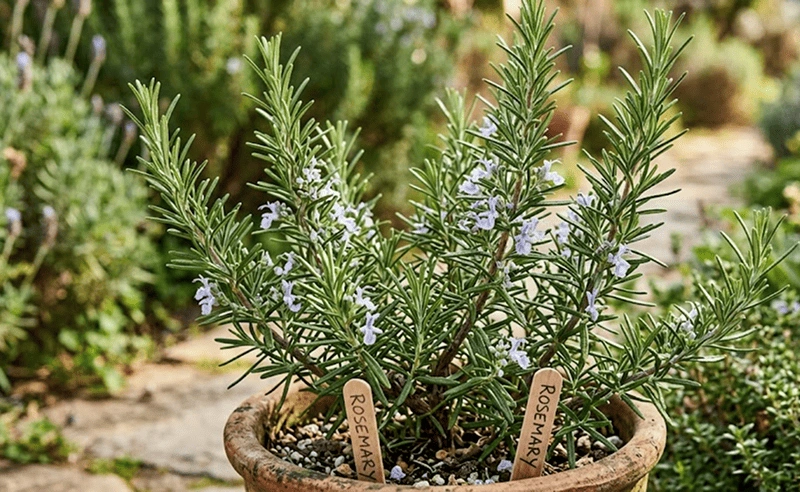
Rosemary is a fragrant perennial herb that can thrive in both indoor and outdoor settings. The culinary herb is loved to add flavours in the meals and visual appeal to the landscapes. It features needle-like foliage and light blue to white blooms in spring and summer.
I prefer to use the sprigs of this shrub in meat and bread. If you are looking forward to planting these hummingbird flowers in containers or on the ground, keep reading to learn how to grow rosemary, its types, and its scientific classification.
Table of Contents:
How to Plant Rosemary?
Rosemary is one of the small evergreen garden plants. You can grow it from seeds, but it’s not the preferred method, as it takes several years to grow large enough for harvesting. The best method to grow it is from the bought saplings. It is an easy approach to planting rosemary outside. Let’s see the steps of both methods:
From Bought Saplings
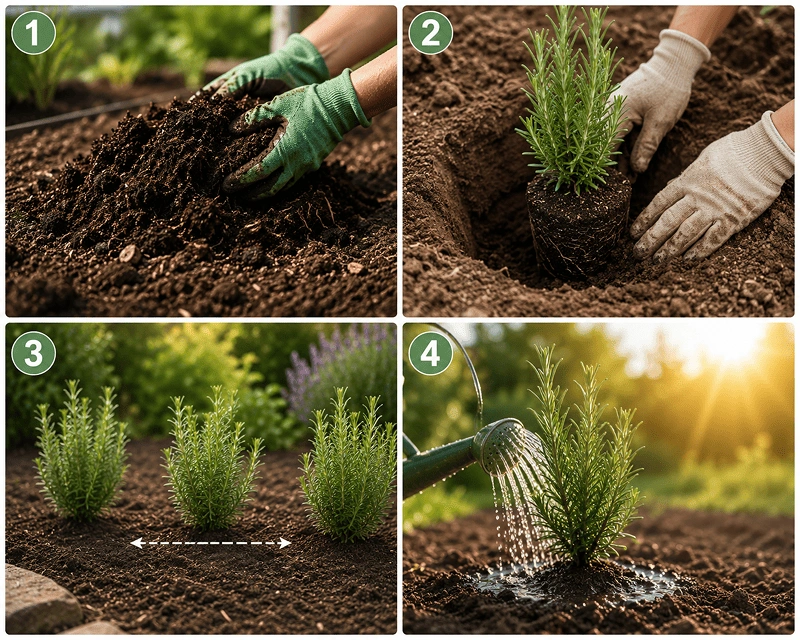
- Step 1: Prepare the soil by mixing several inches of organic matter, such as compost, to make it more fertile. When planting in a pot, use a lighter container mix.
- Step 2: Dig a hole in the ground twice as wide as the root ball. Gently place the sapling in the hole and fill it with more soil. In pots, ensure that it has drainage holes and position them properly.
- Step 3: Space the plants at least 2-3 feet apart to avoid overcrowding.
- Step 4: Water it deeply and place it in the space where it receives proper sunlight.
From Seeds
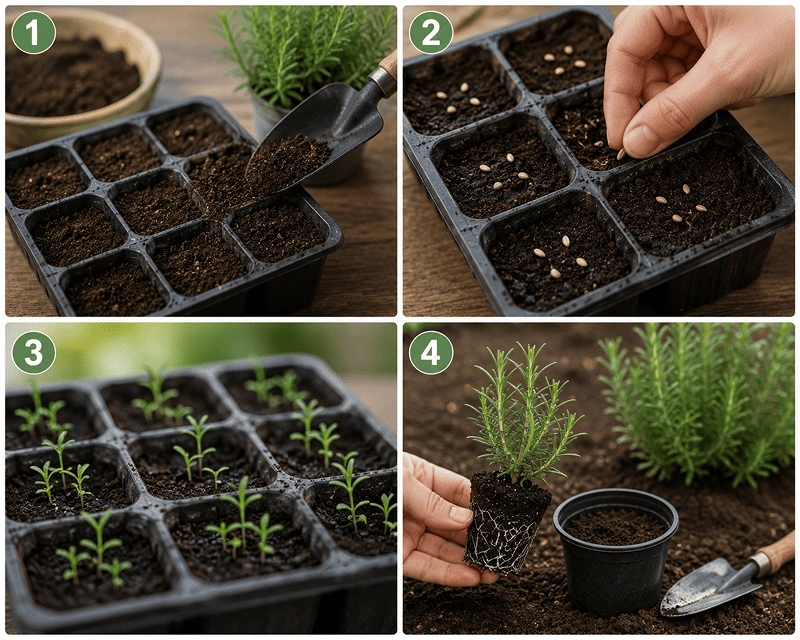
- Step 1: Use a seed starting mix in a small tray or pot.
- Step 2: Plant 3-4 seeds in each cell and gently press them in. Barely cover them with soil as they need light to grow.
- Step 3: Cover the tray loosely to trap moisture. If sunlight is not optimal, use the plant to grow light. It usually takes 15-25 days to see the sprouts.
- Step 4: Once they are fewer inches tall, transplant them outside or in a larger pot.
Extra Tip
Seeds can take a lot of time to germinate, often 2-3 weeks. Have patience and don’t give up right away!
Harvesting of Rosemary
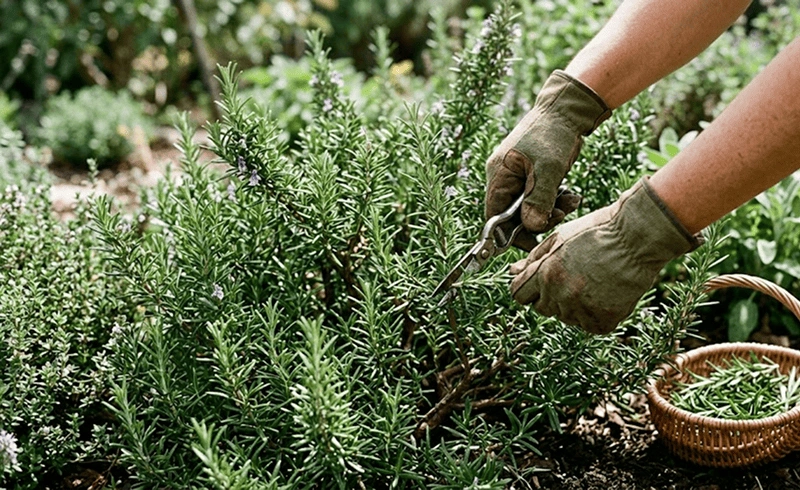
Romero plant is evergreen and can be harvested year-round, but it’s ideal to harvest the young leaves and stems for the best flavours. These soft new tips are visible in spring and summer. Snip off the shoots as per your requirements. Aim for the attractive shape of the plant and avoid harvesting more than one-third of the rosemary.
Older tips can also be used for infusing things with scent and flavour instead of eating. I use them to make rosemary vinegar or submerge the sprigs in olive oil to draw out the aroma.
Also Read: 50 Fall Flowers: African Daisy, Calibrachoa, Petunia, Nemesia, and More!
When to Plant Rosemary?
As I discussed the rosemary plant growing steps, the timing of planting it matters more than you think. The plant needs warm soil, which helps roots to grow quickly. In places with mild winters, you can also grow it in the fall.
- Plant the rosemary in spring when the dangers of frost have passed away. In warmer climates, it can be planted in spring and fall.
- If growing from seeds, start the seeds indoors in late winter. Move them outdoors when they are 5-6 inches tall and the weather is warm.
Essential Care Measures for Rosemary Plant
The rosemary herb care measures include keeping it in the bright full sun and preventing overwatering. The plant benefits from occasional fertilizers, pruning, and yearly repotting. Let’s see the care tips in detail:
Watering
The new plants need consistent watering, but once established, this herbal plant is quite drought-tolerant. Allow the top inch of the soil to dry out between watering to prevent it from being soggy.
Sunlight Needs
The perennial prefers full sun and does not tolerate any shade. Place it in the spot that receives at least 6 hours of bright daily sunlight. If growing indoors, place it near the south-facing window or use the plant to grow light if necessary. Once in a while, bring the indoor plants into the warm outside environment to support their growth.
Soil and Fertilizers
This perennial prefers sandy loamy soils with a slightly acidic to neutral pH. Also, ensure that the soil is well-draining to prevent root rot. Ground plants usually do not need any fertilizers. However, if kept in pots, feed the plant with a balanced liquid fertilizer after flowering, as it runs out of nutrients quickly.
Repotting
For growing rosemary in pots it’s important to consider repotting it every year. It helps in giving the roots more space and provides more nutrients to the plant with refreshed soil. The best time to repot is spring.
For this, select a pot that is slightly larger than the previous one. An unglazed clay container is preferred with ample drainage holes. Gently loosen the plant from the old container and place it in the new pot. Fill the space with more soil.
Temperature and Humidity
This Mediterranean shrub prefers a warm and humid environment to grow. The ideal temperature range of this plant is 13°C to 27°C. They have good heat tolerance and can’t survive in prolonged cold conditions unless it’s a cold-hardy variety.
It grows best in 40% to 50% moderate humidity levels. In case of high humidity, it can suffer from root rot and fungal issues due to a lack of proper air circulation around the plant.
Winter Protection
These perennials are generally considered hardy, but can get damaged by extreme cold and hard frosts. The potted plants are especially vulnerable to such conditions. If you live in cold regions, prevent the roots from freezing by grouping the plants. You can also wrap a blanket around them or move them to a warmer spot like a greenhouse or porch.
Extra Tip
Ensure you take the cuttings (propagation methods are mentioned below) for the next season if it will not survive the winter in your area.
Pruning and Training
One of the crucial requirements for Rosmarinus officinalis care is its pruning. Trim it back after the flowers fade every year in late spring or early summer to encourage new growth and maintain its compact shape. You can grow the upright-growing varieties as a neat hedge by pruning rosemary annually. If the shrub is not pruned for a long time, the plant becomes leggy and bare at the base.
Next Read: January Birth Flower (Carnation and Snowdrop): Symbolism, History and Growing Conditions
Also Explore: Neanthe Bella Palm Care: Complete Growing Guide
Propagation Methods for Rosemary Plant
I prefer to propagate rosemary from cuttings in spring or summer with the soil propagation method. Many people find rooting it in water quicker, but it leads to a delicate root system. Growing the cuttings in soil provides stronger roots. You can also try the layering method that often happens naturally.
Water Propagation
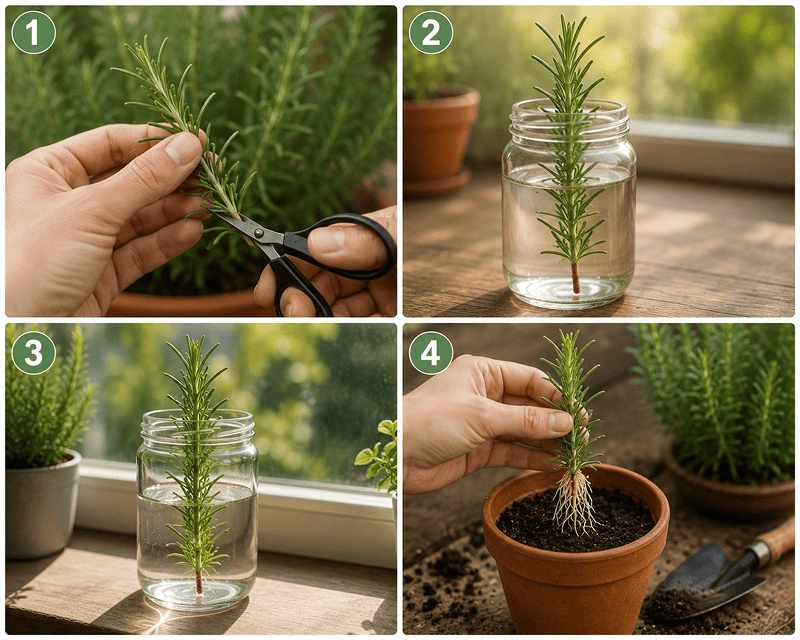
- Take 4-6 inches of a healthy green cutting from the rosemary plant. Remove the leaves from the bottom 2-3 inches of the cutting.
- Submerge the bare stem of it in the jar or glass of water.
- Change the water in the jar every 2-3 days and place it in a bright light spot.
- Roots will appear in 2-4 weeks; transplant it to the well-draining potting mix when roots are a few inches long.
Soil Propagation
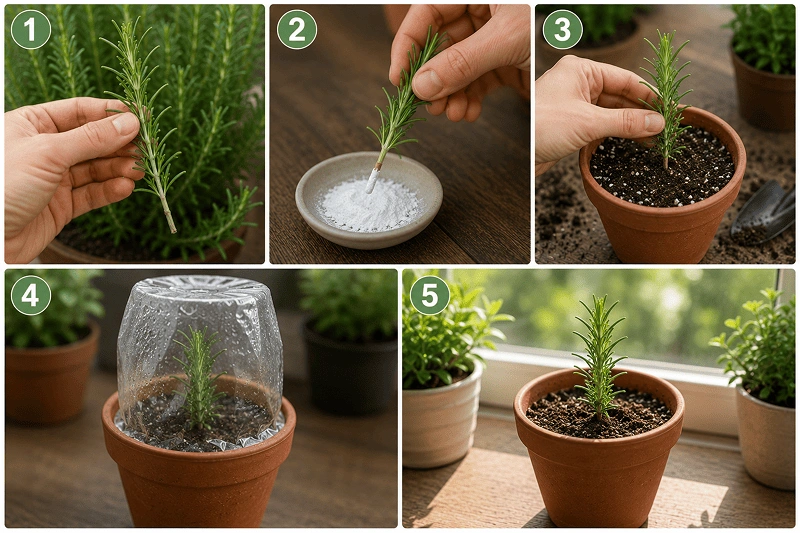
- Take the 4-6 inches long cutting and remove the bottom leaves.
- Dip the cut end into rooting hormone powder to speed up root growth.
- Insert the cut end into a pot with a well-draining, moist sandy potting mix.
- Cover the pot with a plastic bag or a cut-off plastic bottle to retain moisture.
- Keep the soil well-moistened and place the container in a warm, bright spot.
Layering Method
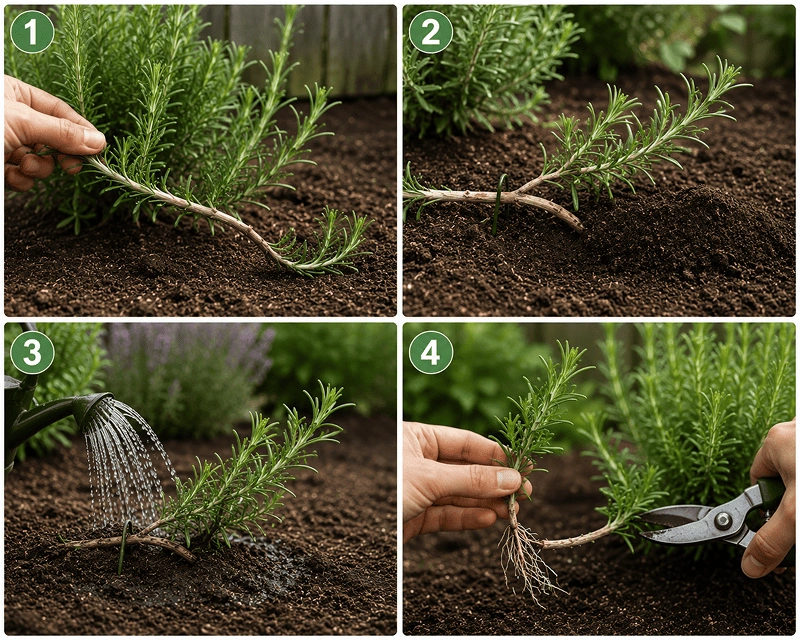
- Take a flexible, low-growing branch and bend it towards the ground.
- Strip the leaves off the section that is touching the soil. Bury the leafless section into the soil, leaving the leafy tip of the branch exposed.
- Keep the soil well moist, and within weeks the buried section will develop a root system.
- Once the roots are established, cut the new section from the parent plant and grow it independently.
Types of Rosemary
Rosemary comes in dozens of cultivars. Some of the famous ones are ‘Arp’, ‘Golden Rain’, and ‘Albus’. Let’s see some key points about these varieties.
| Type | Key Points |
‘Arp’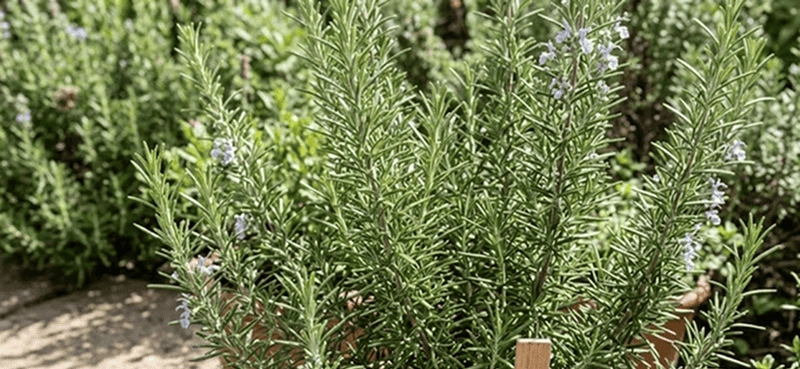 |
|
‘Golden Rain’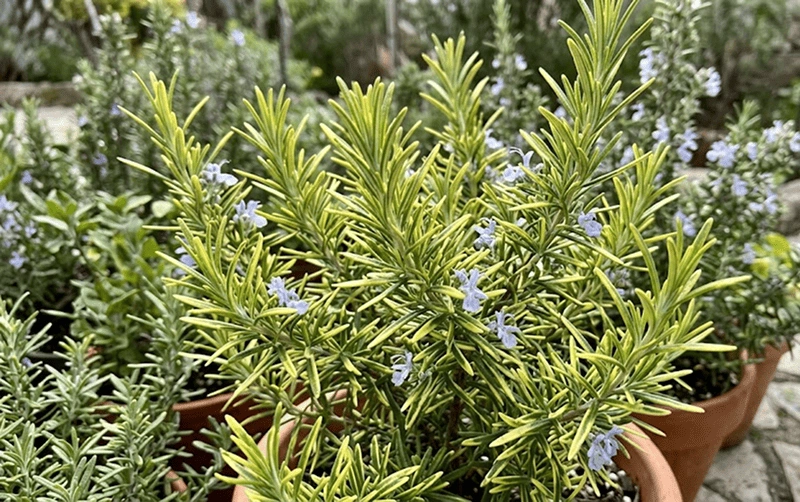 |
|
‘Albus’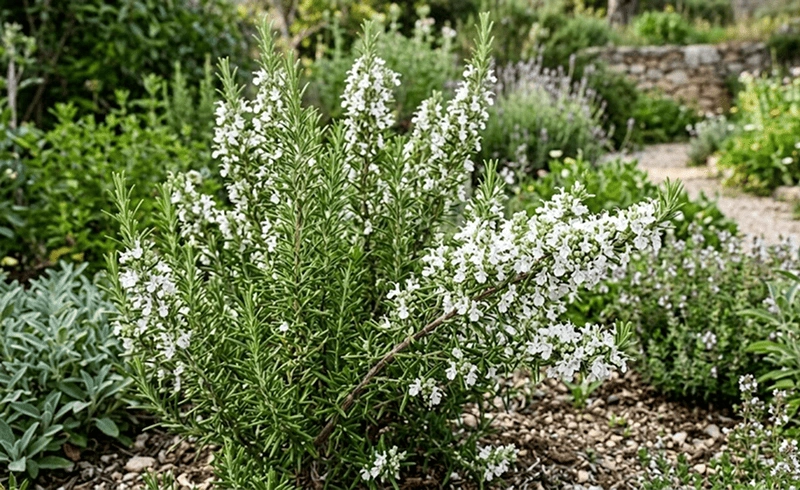 |
|
‘Prostratus’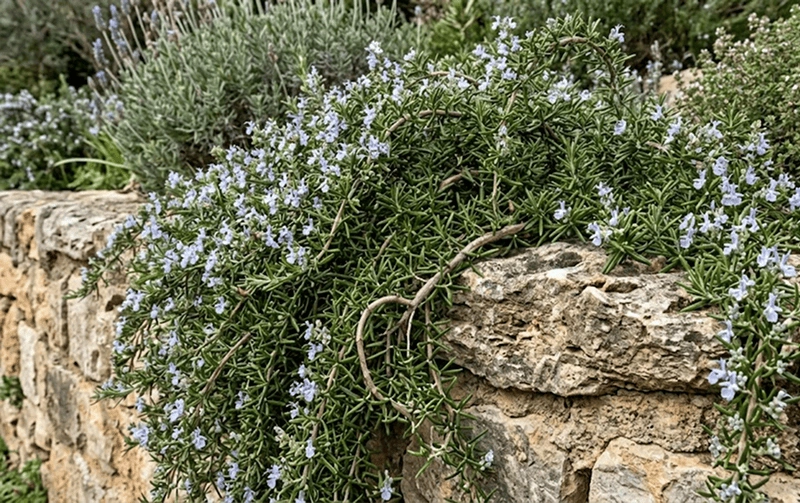 |
|
Did you know?
Rosemary’s name, Rosmarinus, comes from the Latin ros (dew) maris (sea) or “dew of the sea,” as it has a dew-like appearance when growing closer to water.
Pests and Diseases to Consider in Rosemary
The rosemary herb plant can be affected by pests like aphids and spider mites, especially when kept indoors. It can also suffer from diseases like root rot and powdery mildew in case of improper watering, high humidity, and poor air circulation. Here are the signs and solutions for pests and diseases:
Pests that Affect Rosemary
| Pests | Signs and Treatment |
Aphids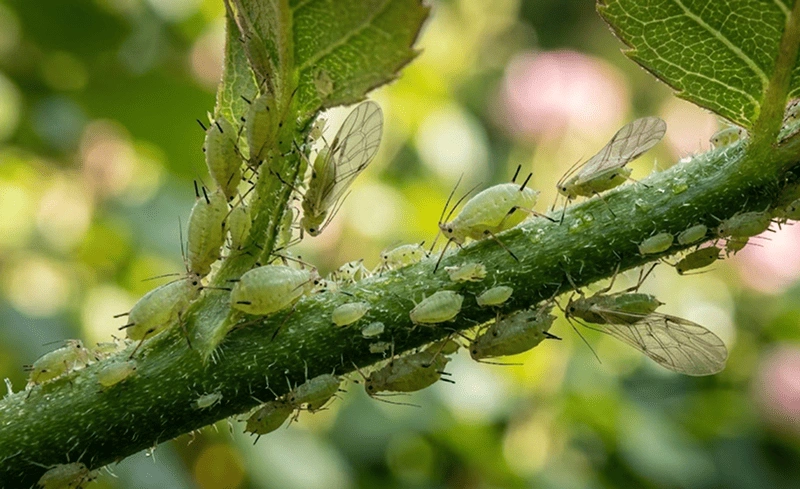 |
|
Spider Mites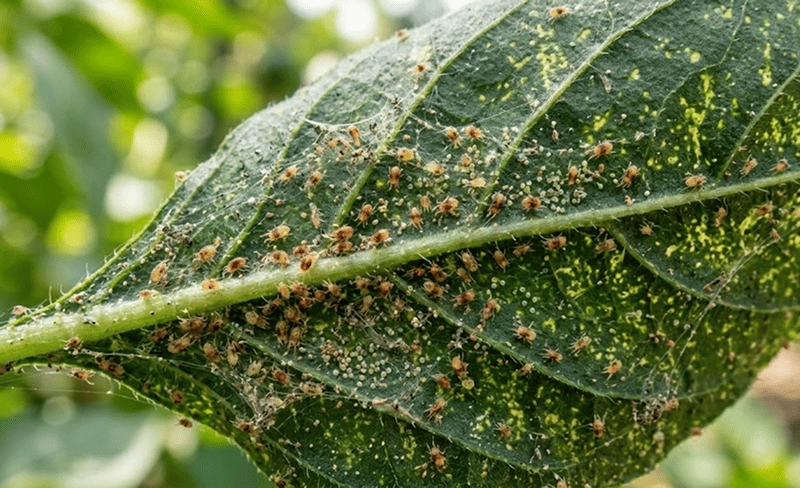 |
|
Rosemary Beetle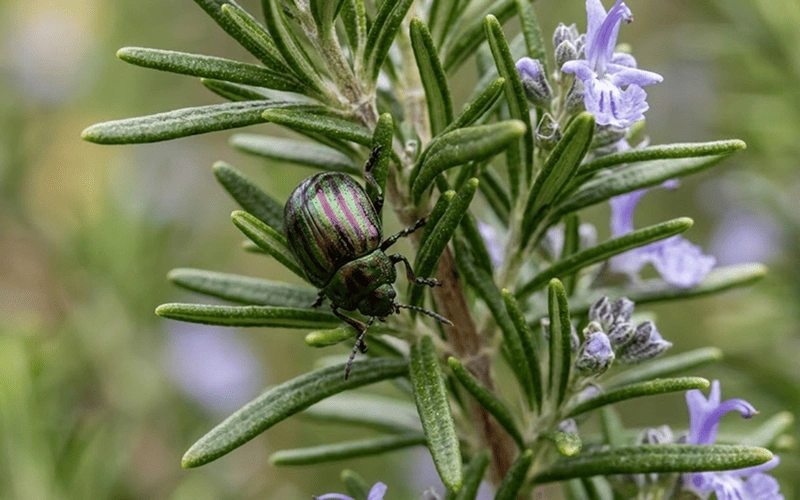 |
|
Extra Tip
A good sign to know about the aphid infestation is if you notice ants around your plant.
Common Diseases in Rosemary
| Disease | Signs and Solution |
| Root Rot |
|
| Powdery Mildew |
|
| Bortrytis |
|
Final Thoughts
Gardeners love having rosemary as an herbal plant. It took me several attempts to understand how to grow rosemary and take care of it for the best results. With proper soil, water, and light, you can see these perennials thriving indoors and outdoors. You can grow it near other plants like broccoli, carrots, and beans to deter many pests naturally.
FAQs
Can you propagate rosemary?
How to look after rosemary?
The plant loves the sun and hates wet feet. To keep it growing well, place it in direct sunlight and plant it in well-draining soil. Water the plant when the top inches of soil are dry. Also, prune and feed occasionally to encourage its growth.
How to prune rosemary?
Prune it in spring or summer with clean and sharp pruners. Cut back the stems up to one-third to support new growth and maintain compact structure.
How big do rosemary plants get?
These bushes typically grow 2-6 feet tall and 2-4 feet wide.
Does rosemary grow from cuttings?
Yes! Many people grow it from cuttings to make new plants from the old mother plant.
Sources:
Rosemary, Salvia rosmarinus (= Rosemarinus officinalis) – Wisconsin Horticulture Division of Extension
Rosemary – ScienceDirect’
Rosmarinus (Rosemary) – University of California Agriculture and Natural Resources
How to grow rosemary – BBC Gardeners’ World Magazine
Rosemary – BBC
Latest Blog