The Dahlia is said to be the traditional and national pride of the country. Symbolizing resilience and strength, the genus is widely cultivated across the country.
20+ Mexican Flowers: Explore the Culture and Floral Heritage of Mexico
Author
Annette Hird
Mexico is a land with prolific colors, traditions, and its floral beauty that perfectly captures the spirit of the country. From the national pride of the Dahlia to the sacred Marigolds used during Día de los Muertos (Day of the Dead), Mexican flowers hold deep meanings rooted in history and culture.
These blooms are not only used to decorate the gardens; they tell stories of love, life, and spirituality. In this article, we will explore some of Mexico’s most beloved blooms, their origin, symbolism, and how they manage to influence the art and everyday life across the country!
Table of Contents:
Popular Native Mexican Flowers
Each bloom has its own story and charm, representing the spirit of the country it belongs to. Here’s a list of some of the most iconic Mexican flowers that showcase the rich biodiversity of the country, emphasizing its timeless blooms.
1: Marigold

Mexican Marigold, botanically known as Tagetes erecta, is one of the flowers native to Mexico. The Aztecs regarded this bloom as the flower of the dead, which made it the central symbol of the annual Día de los Muertos (Day of the Dead) celebration. It blooms in late autumn and early winter and comes in many shades, being widely used in various religious ceremonies.
2: Poinsettia

One of the best Mexican flowers is the Poinsettia. This beauty is also widely recognized as the Christmas flower and is used for ornamental purposes. The Poinsettia can be grown as a shrub or a small bushy tree and is available in different hues due to breeding. The Aztecs used this Mexican flower for various medicinal purposes, such as to treat fever and nausea.
3: Yucca Flower
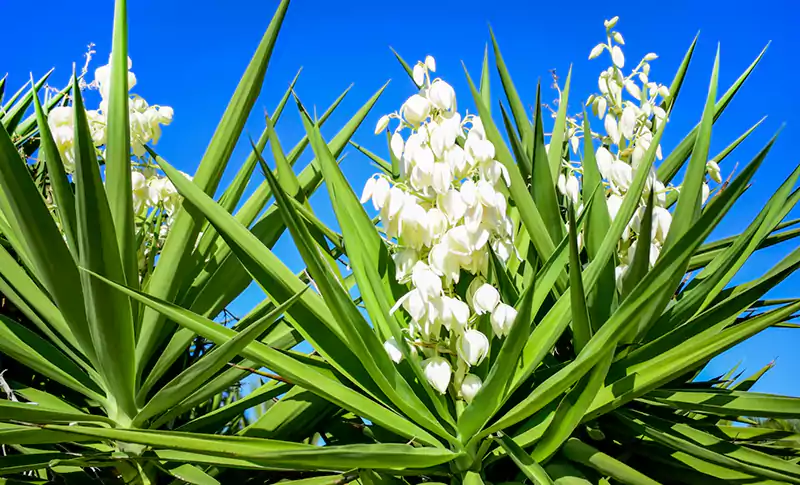
Yucca flowers from Mexico are mainly popular and cultivated due to their culinary uses. The edible flowers of this genus are a good source of protein, amino acids, carbohydrates, vitamins, and minerals. Specifically collected and sold in the local markets, this flower of Mexico can be cooked in various ways.
4: Mexican Sunflower

Botanically known as Tithonia Diversifolia, this Mexico state flower is a tall, bushy plant known for its daisy-like blooms that attract pollinators like bees and butterflies. Growing up to 4–10 feet tall, the large green, velvety leaves of the genus are also its main attraction. Mexican Sunflower is a fast-growing species that can be easily taken care of.
5: Mexican Honeysuckle
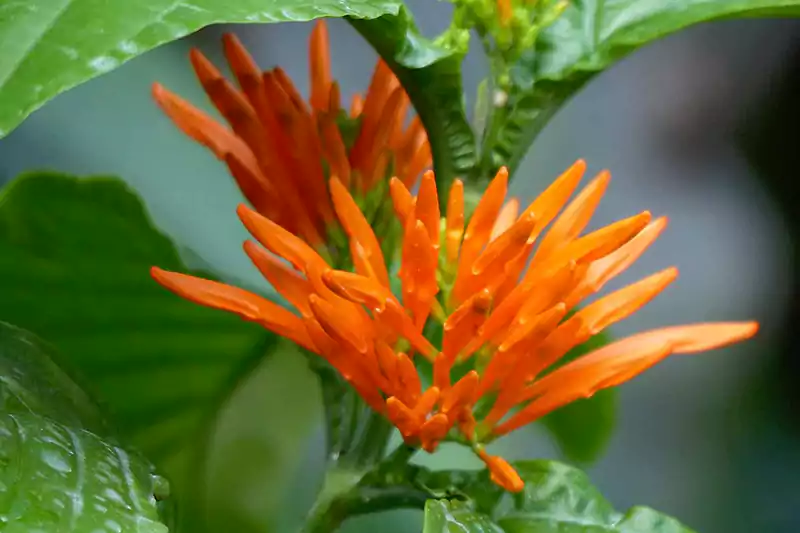
Mexican Honeysuckle is an evergreen shrub known for its orange tubular flowers. Native to Mexico and some parts of South America, this flower is hardy and can tolerate a variety of climatic conditions.
Being drought-tolerant, the genus is suitable for small hedges and walkways. Besides offering a wonderful fragrance, Honeysuckle is also known as a great pollinator flower and attracts bees and hummingbirds.
6: Laelia Orchid

One of the elegant flowers of Mexico is the Laelia Orchid. Famous for its large, showy blooms that often appear in different hues, this Mexican genus belongs to the Orchid family.
Symbolizing love, beauty, and luxury, this exquisite species is primarily found in Central America. Also known as “rosy-tinted laelia”, the stem of the plant is sturdy, and the bloom overall is quite adaptable.
7: Pineapple Sage
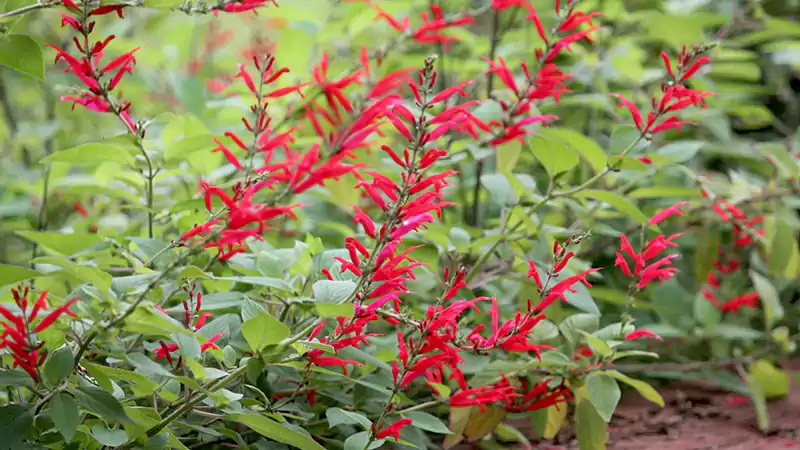
Pineapple Sage is a low-maintenance perennial plant that bears scarlet red flowers and mostly blooms during summer and late fall. Being a pollinator-friendly species, this Mexican flower attracts butterflies and hummingbirds.
As the name suggests, the flowers of the Pineapple Sage smell like the fruit Pineapple. Many novice plant lovers usually grow this genus as a ground cover shrub in their front lawns.
8: Mexican Morning Glory
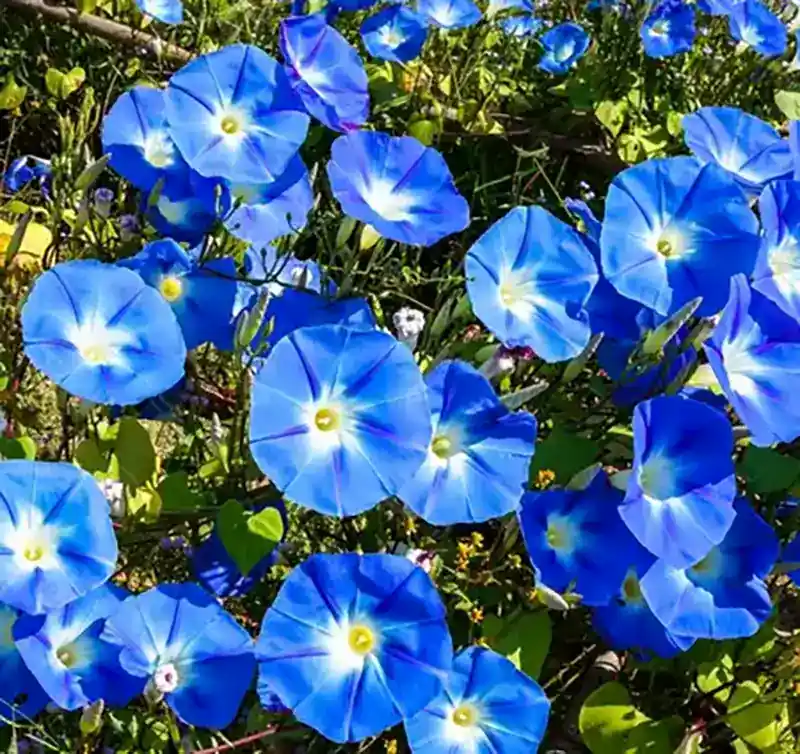
Botanically known as Ipomoea Hederacea, the Mexican Morning Glory is also popularly called Ivy-Leaved Morning Glory. A twining, climbing vine that usually grows up to 6–8 feet tall or sometimes even more, mostly blooms after rainfall.
The blooms of the genus open up in the morning and are truly a sight to behold. Additionally, the heart-shaped glossy green leaves of the plant are its focal point of attraction.
9: Mexican Passion Flower
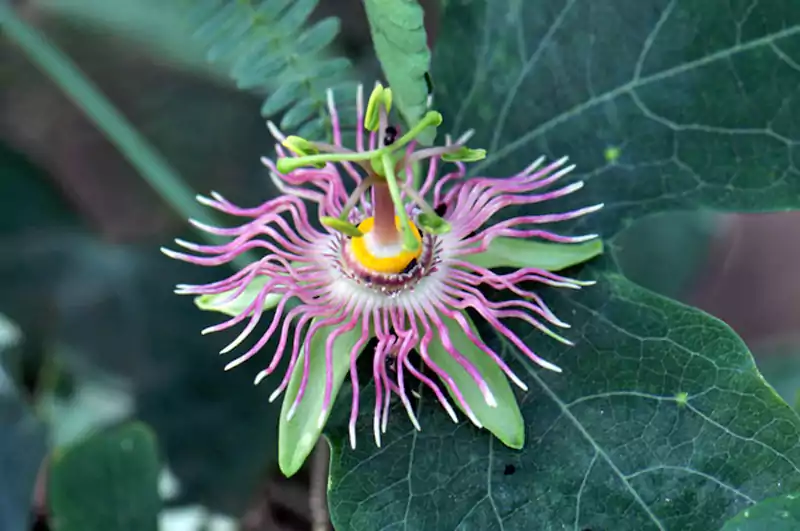
The Mexican Passion Flower is a rare-looking species, native to the semi-arid shrublands of the Southwestern United States, such as Arizona. Many find the pungent odour of the plant pleasing, while others use it as a mosquito repellent in their front lawns.
Botanically known as Passiflora Mexicana, the plant is famous for its purplish-black fruit, which is edible and is used in salads and to make juices and dips.
10: Chocolate Cosmos
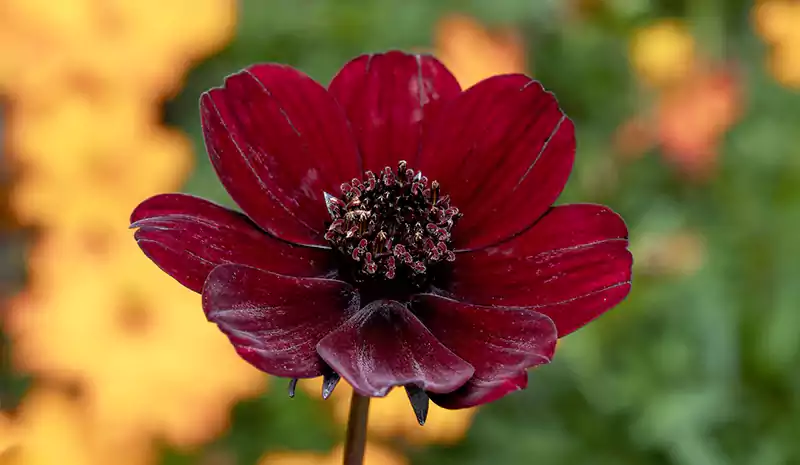
The velvety red-brown blooms of this Mexican flower are simply eye-pleasing. Mostly grown to add a bold pop of color to the garden areas, the Chocolate Cosmos has a distinct fragrance that attracts many pollinators.
A mix of the scent of chocolate and vanilla instantly uplifts the mood, making it an ideal addition to any garden space. Belonging to the Asteraceae family, the bloom represents enduring love and a sense of longing.
These flowers beautifully capture the artistic vibe of the country. From the picturesque Poinsettia to the unique-looking Mexican Passion Flower, each bloom comes with its own unique traits that are worth exploring.
Understanding the National Flower of Mexico
The National flower for Mexico is the Dahlia, a beautiful and colorful bloom that holds deep cultural and historical importance. Native to Mexico, Dahlias were first cultivated by the Aztecs, who admired them for their beauty and also used them for various culinary and medicinal purposes. The hollow stem of the genus was often used to carry water during earlier times.
Dahlias come in many vibrant colors and shapes, symbolizing elegance, hope, strength, beauty, and creativity. Because of their wide variety, they represent diversity and the rich culture of Mexico. The flower mainly blooms in summer and early autumn, covering gardens and hill slopes with unique shades of pink, yellow, red, and purple.
In 1963, this Mexico national flower was officially declared as the honor of the country due to its deep-rooted historical significance. Today, it remains a proud national symbol, often seen in Mexican festivals, artwork, and gardens. In short, Dahlia is not just a pretty flower; it represents the strength, resilience, and spirit of the heritage of Mexico.
Also Read: 25 Best Hummingbird Flowers: Trumpet Vine, Beardtongue, Lantana and More
Top 10 Mexican Flowers Around the World
From the favorite flowers of the Aztecs to the modern garden treasures, Mexico is often known for its rich beauty. Given below are some more astonishing flowers native to the country that are not only eye-pleasing, but also hold deep meanings.
| Flower Name | Image | Description |
| Belize Sage | 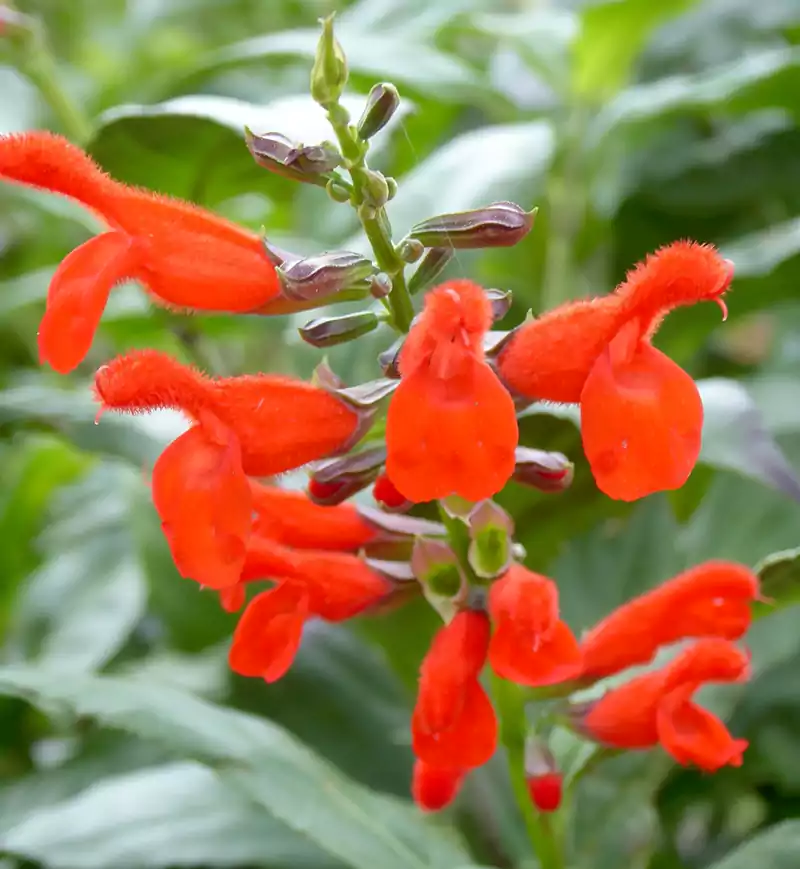 | Botanically known as Salvia miniata, this herbaceous perennial plant bears bold red flowers that are native to the Mexican state of Chiapas and are extremely eye-pleasing. |
| Mexican Poppy |  | Mexican Poppy, also called Prickly Poppy, has yellow flowers and dark green spiky leaves. The bloom overall is toxic to animals and cattle. |
| Mexican Hat Flower |  | Botanically known as Ratibida columnifera, the central cone and drooping petals of the flower make it a distinct species. Native to Central Mexico, the genus is easy to care for. |
| Bird of Paradise | 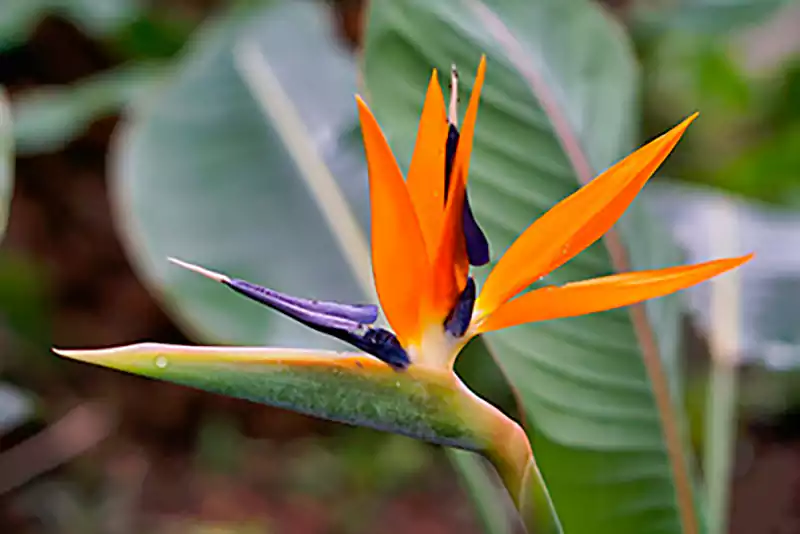 | The Bird of Paradise is an ornamental plant. Scientifically called Strelitzia Reginae, the leaves of the genus are toxic to pets. Relatively low maintenance, the species requires regular pruning for optimal health. |
| Sword Lily | 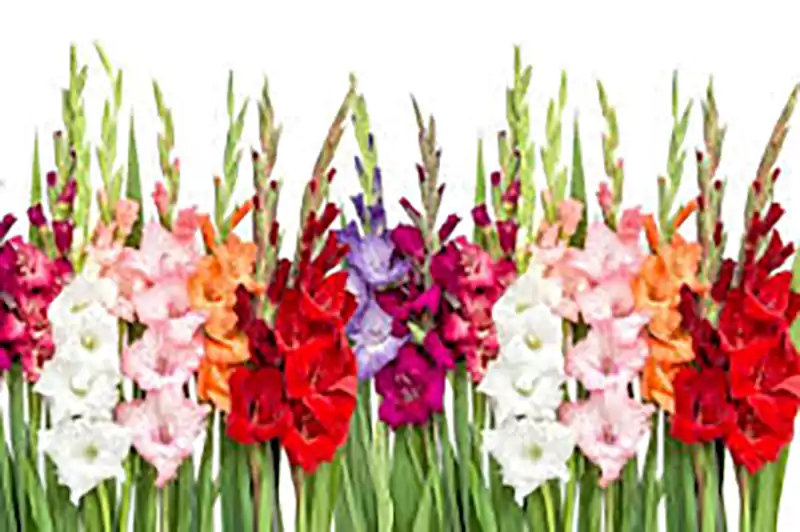 | Sword lily is a tall flowering plant belonging to the iris family. These blooms are popular for their vibrant hues and are mostly used to make a Mexican flower bouquet. |
| Mexican Frangipani | 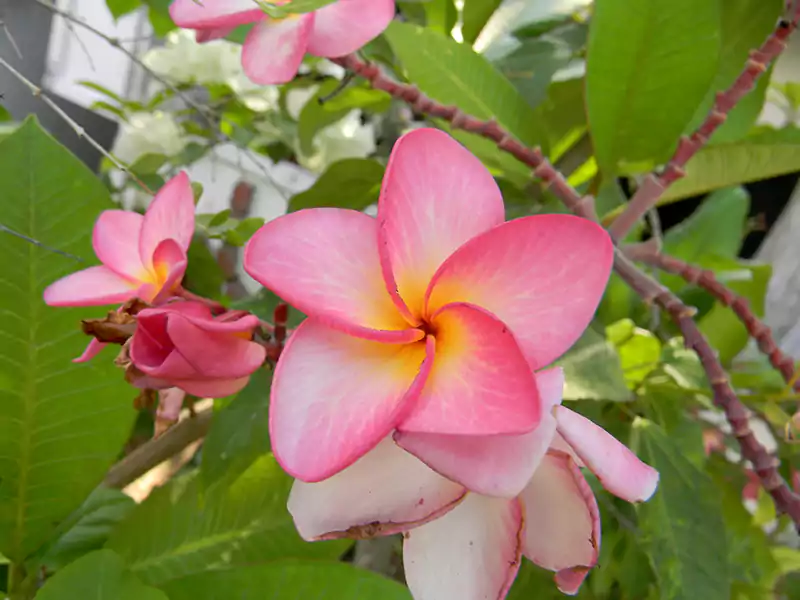 | Plumeria rubra, popularly known as Mexican Frangipani, is a deciduous tropical plant. The five-petaled flower often grows in clusters and looks absolutely alluring. |
| Mexican Lady’s Slipper |  | The Mexican Lady’s Slipper is a succulent that usually grows up to 3–6 feet tall and 2–3 feet wide. Its unique slipper-shaped flowers are its focal point of attraction. |
| Baja Fairy Duster |  | Baja Fairy Duster is a Mexican shrub that bears bright reed flowers. This low-maintenance species mostly blooms in spring and fall. |
| Mexican Zinnia | 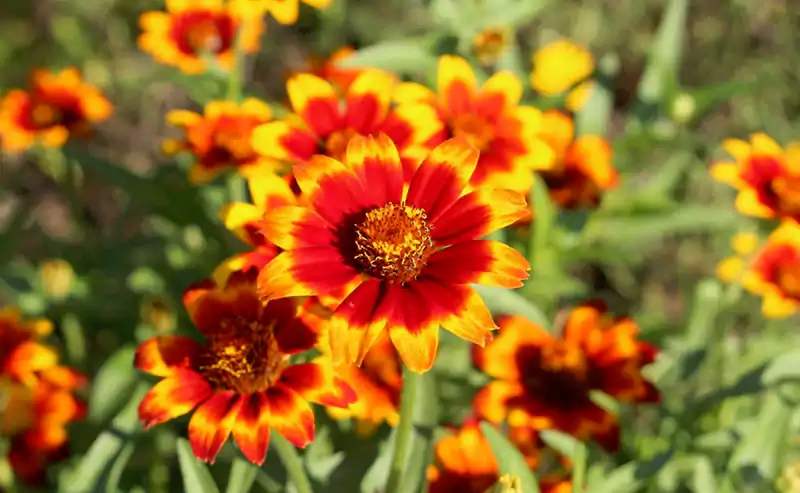 | Scientifically called Zinnia haageana, Mexican Zinnia is a low-growing, annual flowering plant that bears daisy-like blooms in unique yellow and red shades, adding a pop of color in any landscape. |
| Lyreleaf Greeneyes |  | Lyreleaf Greeneyes is a less fuzzy perennial plant. Its blooms look almost similar to yellow daisies, and they instantly enhance the vibe of the space. |
| Bromeliads | 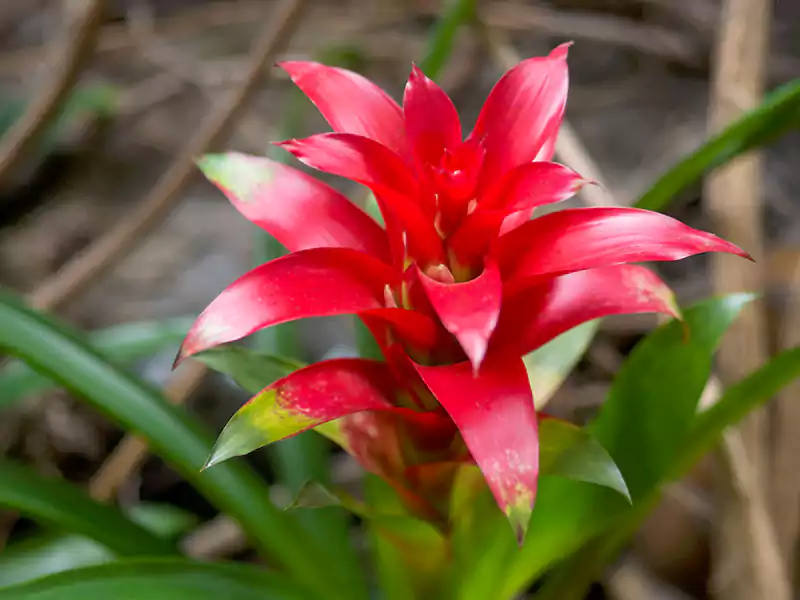 | Bromeliads can be found in a wide range of habitats. These tropical plants are primarily grown as houseplants and are very easy to care for. |
One cannot deny the fact that each flower mentioned in the list above adds beauty to the natural canvas of the country. From Bromeliads to the Mexican Zinnias, these ornamental houseplants capture the true essence of the nation.
Cultural and Historical Significance of Flowers in Mexico
Flowers hold a very special place in Mexican culture and history. They are deeply tied to traditions, religious rituals, celebrations, and even casual gifting. Giving flowers in Mexico is simply more than just a sweet gesture. Since ancient times in the country, flowers have been used by several indigenous groups in sacred offerings or to convey feelings to the living or the dead.
Let us quickly jump into the never-ending significance of some classic flowers of Mexico.
- Many blooms representing god, eternal love, longing, or simply a symbol of life are often used to communicate and express different sentiments.
- Each flower carries its own meaning – for example, Marigolds symbolized the sun and were often used in rituals to guide the dead souls back to their home.
- In Mexico, there are certain rules one should follow if planning to gift flowers on happy occasions. It is mandatory to give a bouquet having an odd number of flowers, as an even number of flowers is directly associated with funerals.
- Mexican Roses, Lilies, and Dahlias were often used in wedding or festival decorations, representing purity, devotion, and enduring love.
The beauty and variety of flowers in Mexico also speak about the country’s rich biodiversity. In essence, Mexican flowers are more than just decorative items – they are used to express unique emotions, woven into the hearts of people living in the country!
Did You Know?
Mexican Marigolds are the iconic flowers and are primarily used in the celebration of Mexico’s Day of the Dead. The bright yellow blooms and their scent are believed to guide the deceased spirits back to their families.
How to Grow a Mexican Flower at Home?
Before you plan to grow a Mexican flower in your home garden, it is beneficial to understand the species and its basic or seasonal requirements. Start by choosing a specific variety that is easy to care for, and try to explore everything about the genus.
Explore the ultimate care guide that you need to follow to grow Mexican flowers in your front lawn.
| Sunlight Exposure: Most flowers of Mexico prefer growing under filtered sunlight. Try keeping the plant indoors during the initial growth stages (6-8 weeks) for optimal development. |
| Water Needs: Water deeply when the soil feels completely dry, but avoid overwatering. Once the plant and the roots are established, adjust the frequency to prevent root rot. Some hardy blooms may require more watering than the others. |
| Soil Type: Whether it’s Mexican flowers or any other blooms, almost all species prefer growing in well-draining, fertile soil. Adding organic compost can enhance the quality of the soil, hence improving the lifespan of the genus. |
| Fertilizer Requirements: An all-purpose fertilizer having NPK in a balanced ratio, such as 10:10:10, works wonders for all the Mexican flowers out there. |
By simply following this easy care guide, you can witness flourishing Mexican flowers in your garden space. Flowers have been an integral part of Mexican tradition, and it is essential to protect and care for them following the right measures.
Conclusion: Preserving the Flora of Mexico
To sum up, we can say that Mexican flowers are simply more than just natural beauty – they are the living pieces of culture, history, and emotions. Whether it’s the Marigold guiding the souls back to their home or Dahlias representing the strength and resilience, every bloom has its own unique importance and story worth exploring.
Additionally, these flowers remind us how deeply nature and culture are intertwined, preserving the floral heritage of the country!
FAQs
What is the traditional Mexican flower?
What flower is popular in Mexico?
Almost all the flowers in Mexico have unique meanings and historical significance. The most popular flower in the country is the versatile Dahlia, since it is the national flower and represents dignity and elegance.
What flowers represent love in Mexico?
Be it Mexico or any other country, Roses are the universal blooms to express emotions like love, liking, and fondness. Some other flowers that convey similar feelings are Orchids, Dahlias, and Sunflowers.
When was Dahlia declared the national flower of Mexico?
Dahlia was declared the national flower of Mexico in 1963. It was honoured as the pride of the country because of its cultural symbolism and historical roots.
When is the Day of the Dead celebrated?
The Day of the Dead is a traditional holiday celebrated in Mexico, usually during the first week of November. On this day, people generally cherish the moments they spent with the ones who have passed away.
Latest Blog