The best time to plant hostas is early spring or in late summer to early fall. This is the period when the soil is in the best condition and winter will not damage the roots.
Hosta Plant: Taxonomy, Care Tips, Ideal Growing Conditions, and Varieties
Author
Annette HirdLast Update
October 2, 2026
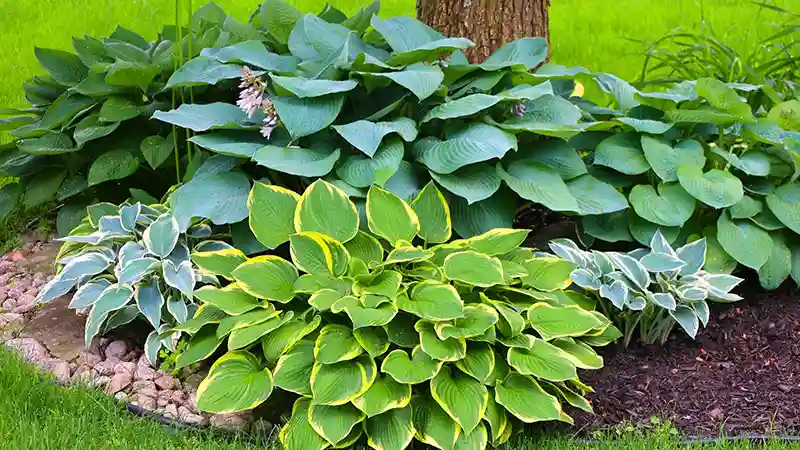
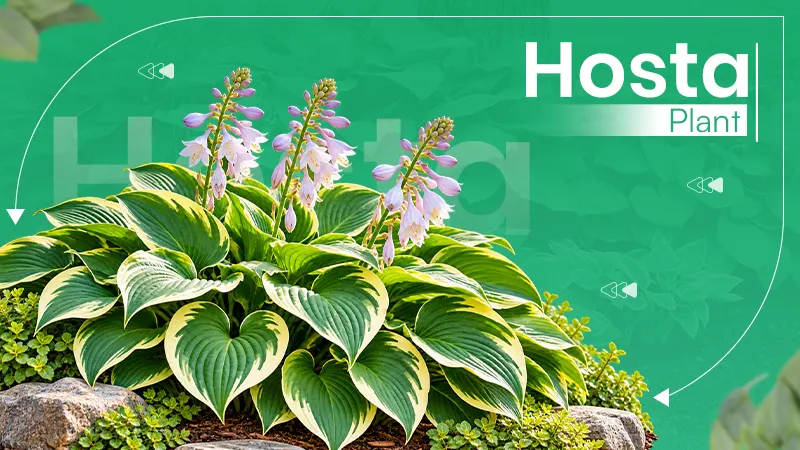
Hosta plant (plantain lily) is a popular, low-maintenance perennial species. This clump-forming plant is grown primarily for its lush and textured foliage. Its heart-shaped leaves, which come in shades of green, blue, gold, and creamy variegated patterns, are its main attraction.
Most hostas thrive in partial shade and organic soil. Some varieties also bear stunning trumpet-shaped flowers that are also mildly fragrant.
Here, in this article, I will walk you through the plant taxonomy, ideal growing conditions, planting steps, care tips, popular varieties, pest problems, and some of its reliable companion plants.
Table of Contents:
- Taxonomy and Ideal Growing Conditions of Hosta Plant
- How to Grow Hosta Plants? Easy Step-by-Step Procedure
- Care and Maintenance Tips to Follow While Planting Hostas
- Some Popular Hosta Plant Varieties You Cannot Miss
- How to Propagate Hosta Perennial Plants?
- Pests and Diseases Affecting Hostas
- Top Companion Plants For Hostas
- Takeaways
- FAQs
Taxonomy and Ideal Growing Conditions of Hosta Plant
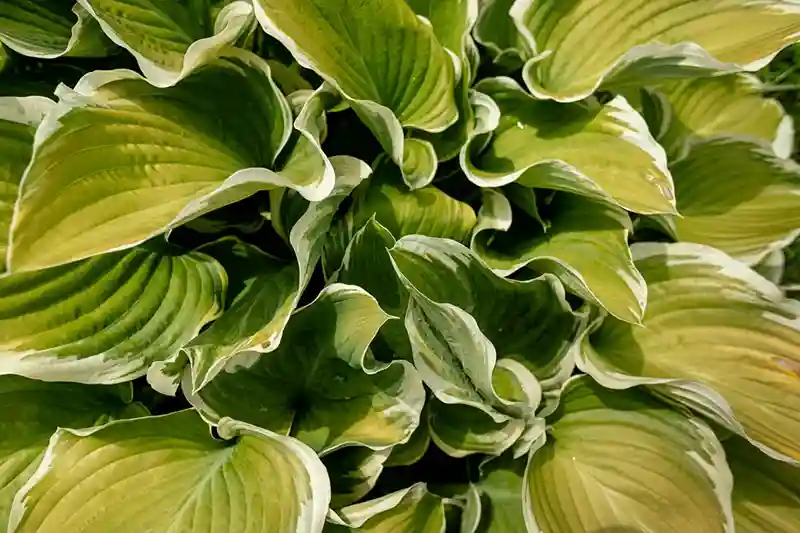
Hosta is a genus that belongs to the Asparagaceae family and has more than 2000 cultivars. The plant is especially admired by many novice and experienced gardeners because of its leaf color, size, and texture. Hosta plants are native to Japan, Korea, China, and the far eastern parts of Russia.
Before we dive into the planting part, let us quickly explore some key features and taxonomy of this genus.
| Botanical Name | Hosta spp. |
| Common Names | Hosta, plantain lily |
| Kingdom | Plantae |
| Order | Asparagales |
| Family | Asparagaceae |
| Native Region | Japan, Korea, China, Russia |
| Hardiness Zone | USDA zones 3-9 |
| Light Requirements | Full sunlight to partial shade |
| Plant Type | Herbaceous perennial |
| Bloom Time | Mostly during summer |
| Soil Type | Organic and well-draining |
| Water Needs | Evenly moist, not soggy |
| Fertilizers | Light NPK plant food |
| Toxicity | Toxic to cats, dogs, and horses |
Did you know
The hosta plant was placed in the Asparagaceae family before it was classified under the lily family (Liliaceae).
Read more: Impatiens Flower Guide: Everything From Taxonomy to Care Tips
How to Grow Hosta Plants? Easy Step-by-Step Procedure
It is better to plant hostas in early spring or early fall so that the roots can take their time to settle before the summer heat or harsh winter sets in. Hostas are said to be shade-loving perennials; therefore, my main focus is always on choosing the right spot for proper growth of the plant.
Here is how I plant hostas every year:
Step 1: Choose a location where the plant can get gentle morning sunlight. I usually avoid planting them in areas where there is harsh afternoon sun so that the leaves do not get scorched.
Step 2: Dig a hole that is as deep as the root ball and twice as wide as the root ball’s diameter.
Step 3: Mix a little compost or other organic plant food into the soil to improve the drainage and fertility. I prefer adding a handful of NPK fertilizer.
Step 4: Carefully take out the hosta plant from its nursery container, shake off all the excess soil, and gently loosen the roots.
Step 5: Place it in the hole and cover the roots with the soil. Gently press to remove all the air pockets.
Step 6: Water nicely so that the roots and the soil settle down. Apply a light layer of mulch around the base of the plant to suppress weeds. This also helps in locking in the soil moisture!
Abodelook Tip
To avoid transplant shock, it is best to plant the hostas on a cloudy day or late in the afternoon because direct exposure to sunlight can kill the plant.
Read more: Pink Paradise: 30 Beautiful Flowers to Embellish Every Garden
Care and Maintenance Tips to Follow While Planting Hostas
If you are just starting with your gardening journey, do not worry! Hosta plants are one of the best perennials that you can add to your indoor or outdoor space. Keep a few things in mind, and you can easily keep them alive.
- Make sure that the soil is evenly moist but never soggy or waterlogged. Standing water can kill the roots of the plant.
- It is best to water hostas two times a week during the initial growing months. You can adjust the frequency once the plant is fully established.
- As an expert gardener, I would suggest feeding the plant with a granular, all-purpose fertiliser in early spring when the new leaves emerge and repeating it every four weeks throughout the season.
- Do not fertilize in late summer. I learned this the hard way. This will push out new growth, which will get damaged during the frost season.
- Chop off or remove all the damaged leaves or spent flowers and allow the plant to regrow from scratch once the winter season has passed.
- Make sure to sanitize pruning tools before and after cutting hostas to avoid any pest or plant disease from spreading.
- Once the plant goes dormant, apply a thin layer of mulch around the base of the plant to retain the moisture of the soil.
Some Popular Hosta Plant Varieties You Cannot Miss
Here are some notable hosta plant varieties that you can easily add to your gardens. From compact blue hostas to some larger specimens, all of these are low-maintenance and eye-pleasing.
| Variety Name and Image | Description |
Blue Mouse Ears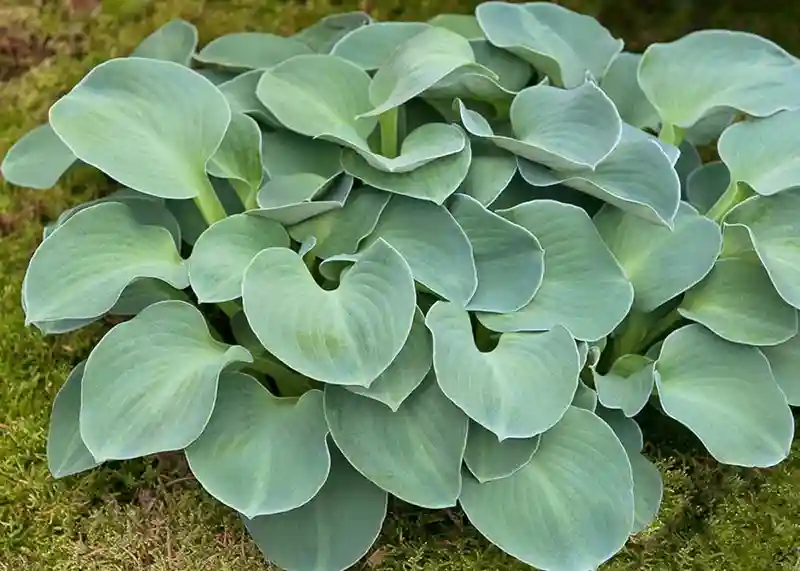 | The Blue Mouse Ears Hosta is a dwarf variety. It grows about 6-8 inches tall and is popularly grown in containers. The variety is named after its mouse-ear-shaped leaves. |
Empress Wu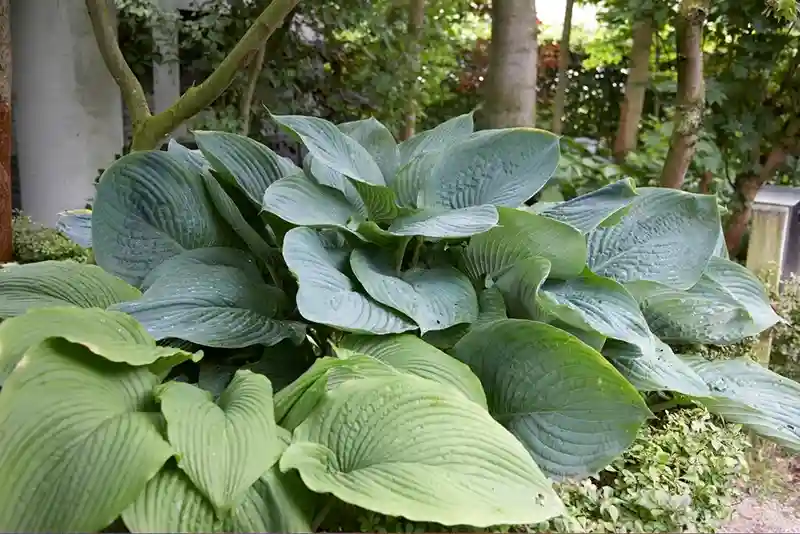 | Empress Wu is one of the largest known Hosta varieties. It features huge blue-green leaves and pale lavender flower stalks. The species grows about 36 to 48 inches tall and spreads about 72 inches wide. |
Fragrant Bouquet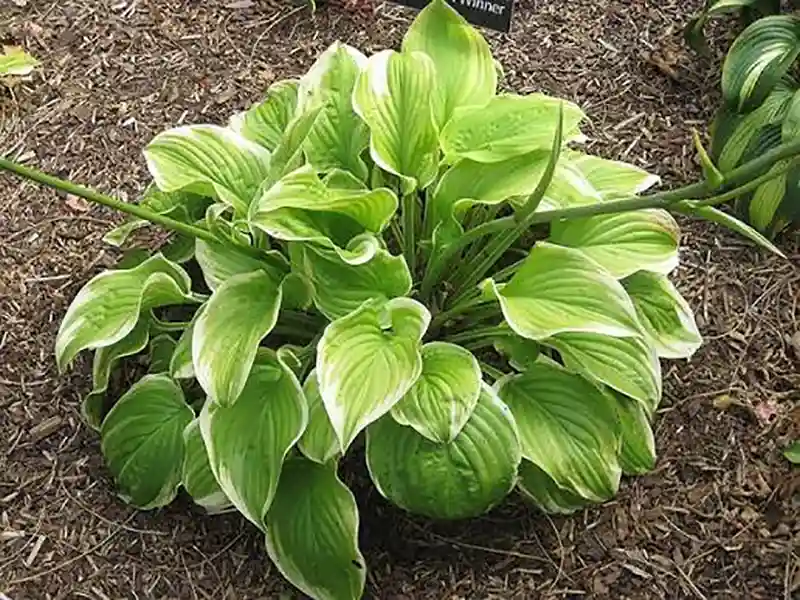 | This hosta plant variety is known for its sweet-scented, heart-shaped leaves. The apple-green color of the foliage with white margins makes it a stunning addition to any large landscape. According to the Chicago Botanic Garden, Fragrant Bouquet was awarded as the Hosta of the Year in 1998. |
Hadspen Blue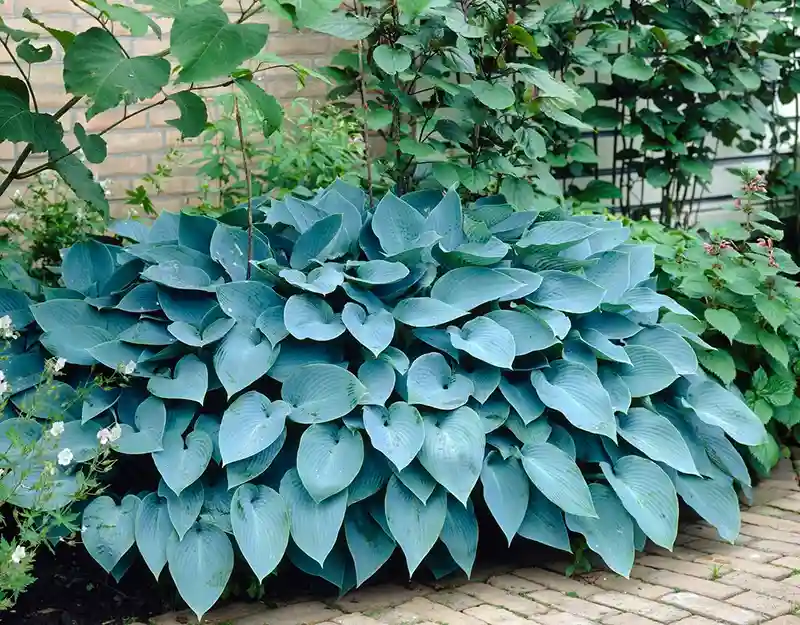 | The Hadspen Blue Hosta is a slow-growing, perennial variety. It is widely appreciated among many gardeners for its steel blue leaves. The plant grows about 14 inches tall and spreads up to 24 inches wide. |
Curly Fries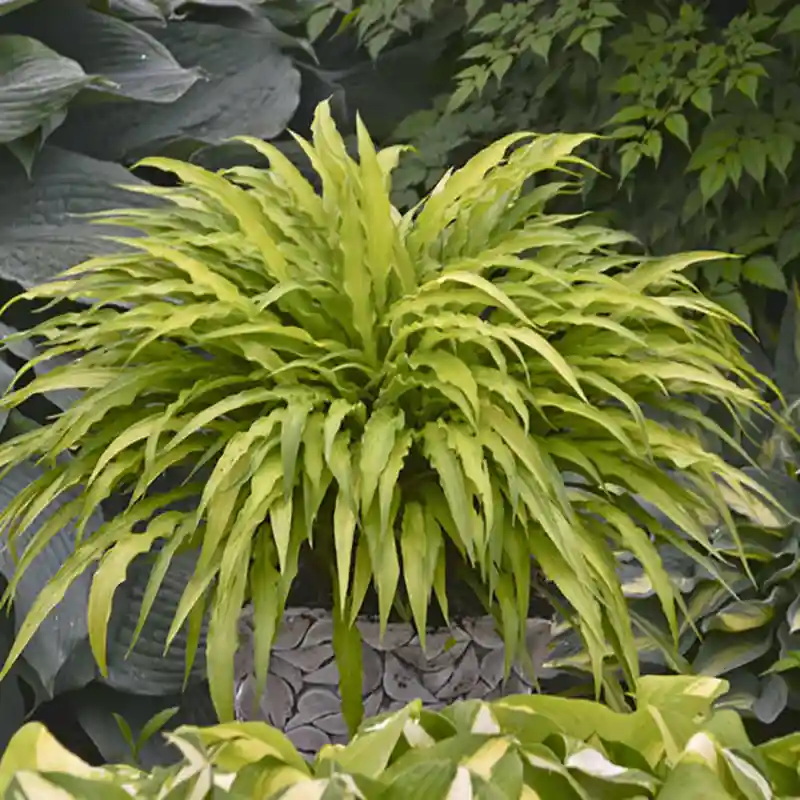 | Growing about 6 inches tall and 16 inches wide, the curly fries hosta plant is a unique-looking variety. It features star-like lavender flowers during midsummer. You can easily grow this species in containers or in cottage gardens. |
Note that the hosta plant size varies by variety. This is one of the main reasons you can see them growing in containers, near a windowsill, or in large woodlands because there is literally a hosta variety for each space.
How to Propagate Hosta Perennial Plants?
The easiest and most reliable method to propagate hosta plants is through the root division method. Early spring and early autumn are the best times to multiply this perennial plant. Here are the steps that I followed and that worked well for me.
- Carefully dig around the outer edge of the hosta plant to take out an entire clump. Use a garden spade or a fork and try to keep the roots intact as much as possible.
- Gently shake off all the excess soil around the roots so that you can clearly see the roots.
- Start by separating the divisions. Make sure that each section has at least 2-3 growth eyes and a few healthy roots.
- Replant these divisions immediately, depending on the size of the roots. Space them properly, keeping in mind the expected mature size of the plant.
- Water thoroughly to firm the soil and release all air pockets.
Abodelook Tip
Divide hostas every three to four years to keep the clumps growing vigorously. Do not overcrowd the plant to avoid the production of smaller leaves and fewer flowers.
Pests and Diseases Affecting Hostas
Although hostas are low-maintenance and majorly trouble-free, there are some pests and diseases that may attack the plant. Here is a list of pests that can hinder the growth of the species, along with the solutions that worked for me.
| Pests and Problems | Solution |
Slugs and Snails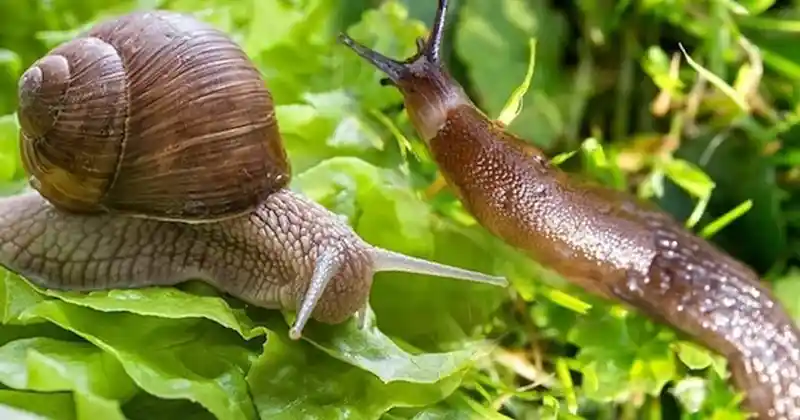 | This is one of the most common hosta pests. You will notice white slime trails and ragged holes in the leaves. Handpick these at night and use organic slug bait. |
Deer and Rabbits | Almost all the hosta varieties are a browsing snack for deer and rabbits. Try using repellent sprays and physical barriers around the plant. |
Foliar Nematodes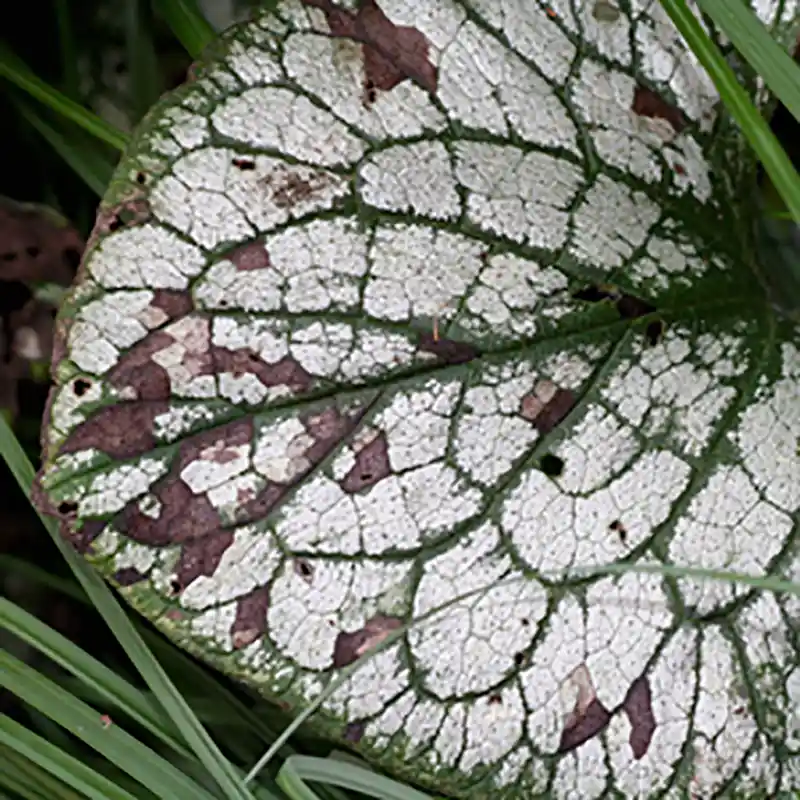 | These are tiny roundworms that cause brown streaks between the veins of the leaves. This has no cure other than removing the damaged foliage. |
Crown Rot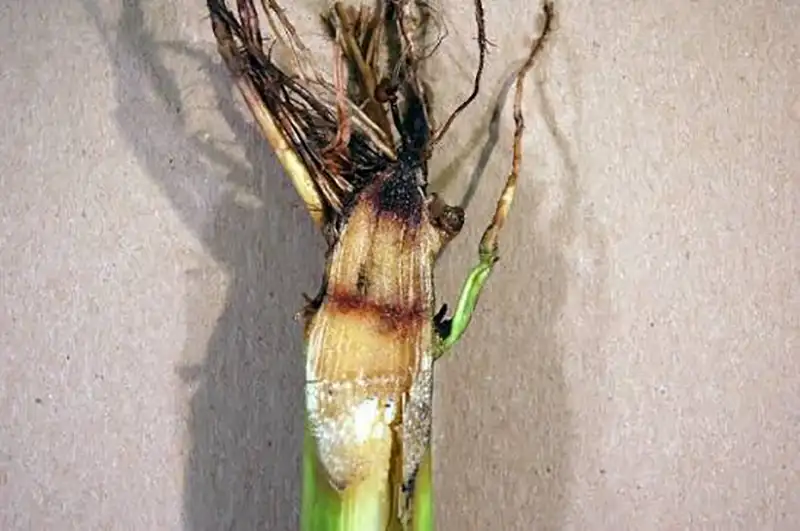 | Crown rot is usually caused by poorly drained soil or overmulching. This can be treated by increasing the fertility and enhancing the drainage of the soil. |
Yellowing Leaves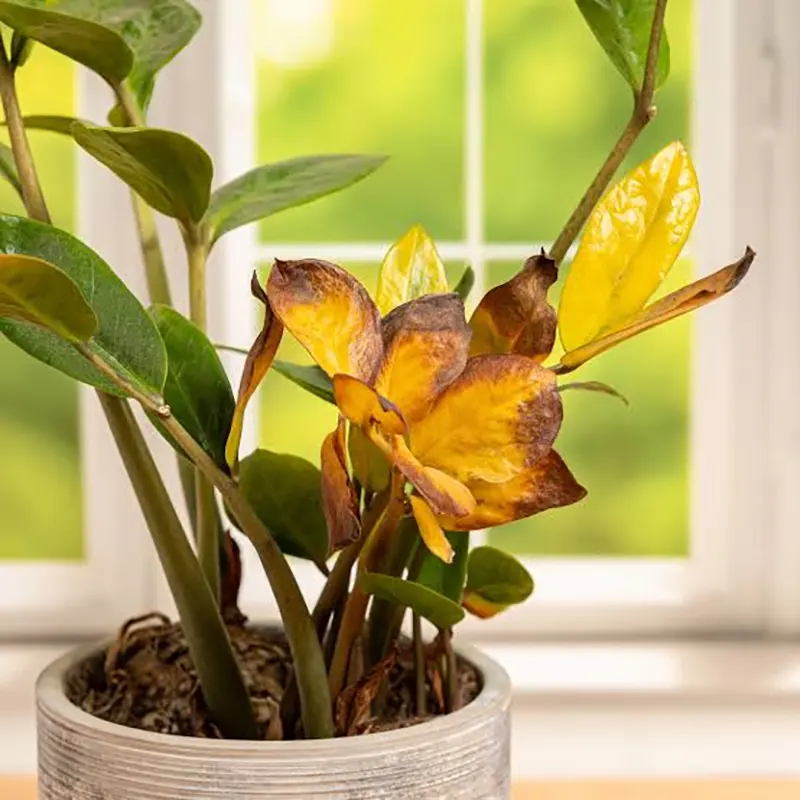 | Too much sun exposure, inconsistent watering, and natural dormancy are the main reasons for this. Provide ideal growing conditions to solve this issue. |
Top Companion Plants For Hostas
I typically combine hostas with other perennials that thrive in shade or plants that have similar growing conditions but offer different textures. What’s better than more low-light plants?
This enhances the overall look of my garden, making it even more attractive. Here are some reliable companion plants that you can consider for your front lawn.
| Companion Plant Types | Examples |
| Foliage Companions | Ferns, coral bells, Japanese forest grass, and sedges tend to offer contrasting texture along with bold hosta plants. |
| Spring Bloomers | Hellebores, bleeding hearts, and daphne add color to the garden during the early spring season. |
| Summer Bloomers | Astilbe, Lady’s mantle, and tiarella are perfect summer companions of hostas, offering a beautiful foliage display. |
| Groundcovers | Since the groundcover varieties of hostas are limited, you can pair them with creeping jenny and bugleweed to make your garden look fuller. |
Takeaways
Without a doubt, the Hosta plant is one of the easiest-growing and most dependable perennials for your shade gardens. They are largely admired by both novice and experienced gardeners because of their texture and color. Whether you wish to add them to your front lawn, grow them in containers, or plant them near a windowsill, there is a hosta for every place.
Plant them in organically rich soil, provide them with proper sunlight and moderate watering, and you are pretty much good to go! The right care guide and a little patience will give you healthy, flourishing hosta plants for decades.
FAQs
When to plant hostas?
Are hostas perennials?
Yes, the hosta plant is a long-living herbaceous perennial. Most varieties of this species thrive in USDA hardiness zones 3-9.
How big do hostas get?
Hostas can range from about 4 inches tall to 48 inches tall. Most varieties spread about 72 inches wide. Plan the companion plants according to the size of the hosta you are adding to your garden.
Are hostas toxic to pets?
Yes, hosta plants are highly toxic. If their leaves are ingested, they can cause stomach irritation, diarrhea, or even gastrointestinal issues. It is better to keep your curious pets and children away from the plant.
Sources
Hostas – University of Minnesota Extension
How to Grow Hostas – Royal Horticultural Society
Hosta: A Shade-loving Perennial – South Dakota State University
Latest Blog