The Christmas cactus likes to grow in bright, indirect sunlight. In the fall, when the blooming period is approaching, place it in the dark for 12 hours every day to enable blooming.
Christmas Cactus Care: How To Get A Christmas Cactus To Bloom For Decades?
Author
Swati MishraLast Update
September 26, 2026
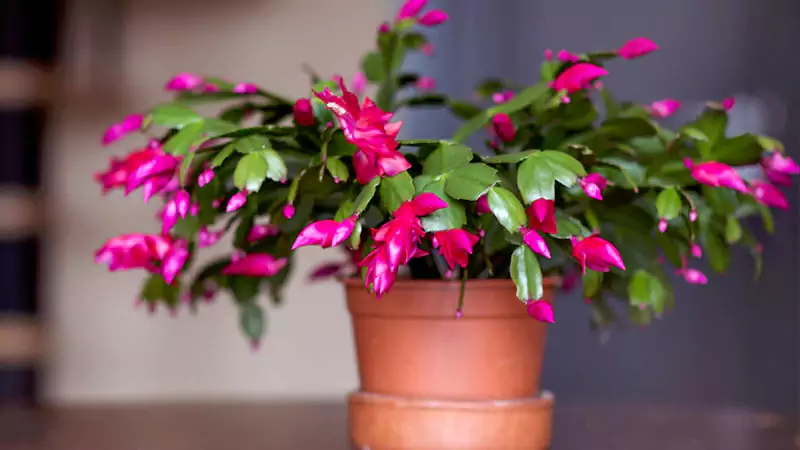
I was surprised to discover that a cactus grows flowers, too! How fascinating and, at the same time, contrary. I mean, the thorns of cactus grow delicate blooms.
The first time I ever witnessed the Christmas cactus plant was in my relatives’ garden when I visited them for the Christmas holidays, and it has been there for 20 years!
This low-maintenance bloom is mostly grown indoors in small containers, as I like it, but it can also be seen trailing like a vine outdoors, which can survive for more than a decade. Isn’t it worth planting at least once?
If this plant is new to you, come along and explore the comprehensive care guide and add a natural touch to your holidays this time.
Table of Contents:
- Christmas Cactus Plant: A Brief Overview and Taxonomy
- How to Care for Christmas Cactus?
- Pest Infestations and Solutions for Christmas Cactus
- How to Propagate the Christmas Cactus Plant?
- What are the Different Types of Christmas Cactus?
- Common Care Mistakes for the Christmas Cactus Bloom
- Scientific Findings About the Christmas Cactus
- Interesting Facts About the Christmas Cactus
- Wrapping Up
- FAQs
Christmas Cactus Plant: A Brief Overview and Taxonomy
The Christmas Cactus (Schlumbergera bridgesii) is a perennial succulent like the Sedum plant that belongs to the Cactaceae family and is a popular indoor plant that is a trailing vine and grows vibrant pendant-like flowers in the colours pink, white, purple, and red.
Contrary to most of the flowering plants, the holiday cactus does not grow leaves but rather cladodes that are responsible for the process of photosynthesis.
The origins of the Christmas cactus are from the Brazilian rainforest, where the plant first emerged, and it is named after the botanist Frederic Schlumbergera for his contribution to cactus studies.
Before I tell you how to care for a Christmas cactus plant, explore the taxonomy for a better understanding:
 | |
| Kingdom | Plantae |
| Division | Magnoliophyta |
| Class | Magnoliopsida |
| Order | Caryophyllales |
| Family | Cactaceae Juss. |
| Genus | Schlumbergera Lem. |
| Species | Schlumbergera x buckleyi |
How to Care for Christmas Cactus?
The Christmas cactus is a low-maintenance indoor plant that, if cared for the right way, can bloom for longer than most of the plants combined.
With just a little attention, one can have a plant flowering for decades ahead.
I will break down the comprehensive guide into 2 main parts:
Growth Requirements for the Christmas Cactus
Christmas cactus is not a desert plant but a tropical epiphyte that requires special conditions to bloom properly; hence, it is important to plant them in areas that trigger their growth cycle:
| Sunlight | Temperature |

| 
|
| Water Requirements | Fertiliser |

| 
|
Seasonal Care for the Christmas Cactus Plant
The Christmas cactus care in winter requires the least effort as the plant enters a rest period. However, every season has its own unique set of challenges and care tips that must be followed.
Here are the seasonal care tips that I follow for better care of the Christmas cactus throughout the year:
Spring and Summer
- As for any plant, whether it is for the hyssop flower or the hyacinth flower, spring is the time for proper watering and fertilising.
- Feeding the Christmas cactus with plant food at least once a month will provide it with slow-release, balanced fertiliser, which will provide it with sufficient nutrients for the rest of the year.
- Spring is also the best time for repotting, as the temperature is much warmer and roots can establish themselves quickly during this time.
Fall
- Fall is the time when the Christmas cactus starts blooming. Hence, keep the plant in darkness for at least 12 hours to provide it with its natural growing environment.
- Watering should be less frequent during this time as it promotes blooming.
Winters
- Winter is the blooming phase of the Christmas cactus. So, move it where it receives bright indirect sunlight and water as required to keep the soil moist.
- Look out for waterlogging, as root rot can directly affect the flowers.
Read next: Date Palms: Growing, Care, Types, and Common Problems.
Pest Infestations and Solutions for Christmas Cactus
The Christmas cactus is generally a low-maintenance plant and resistant to pests; however, in extreme neglect or situations like overwatering, it can cause pest infestations.
Find out what the most common pests that can affect the Christmas cactus are, with their solutions:
| Pest | Image | Solution |
| 1. Mealybugs |  |
|
| 2. Fungus gnats | 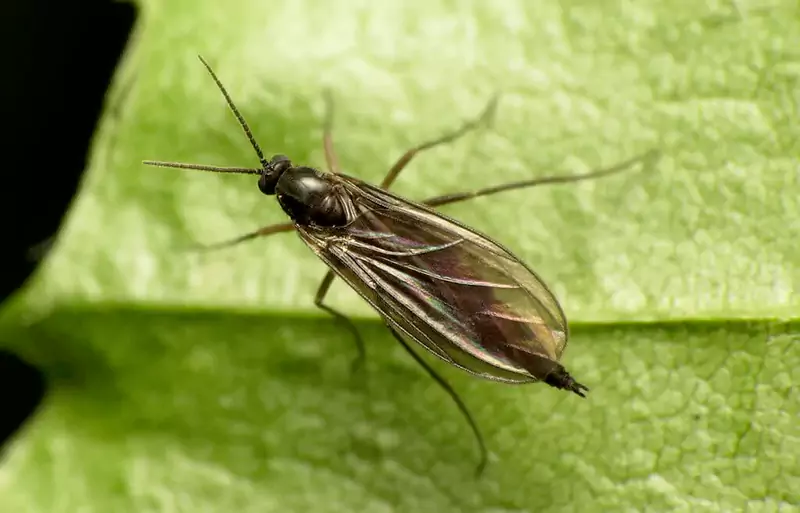 |
|
How to Propagate the Christmas Cactus Plant?
Ever wondered how to care for a Christmas Cactus so that it flowers for several years? Propagating is the answer.
Propagating will make the life of this holiday cactus longer than one can imagine.
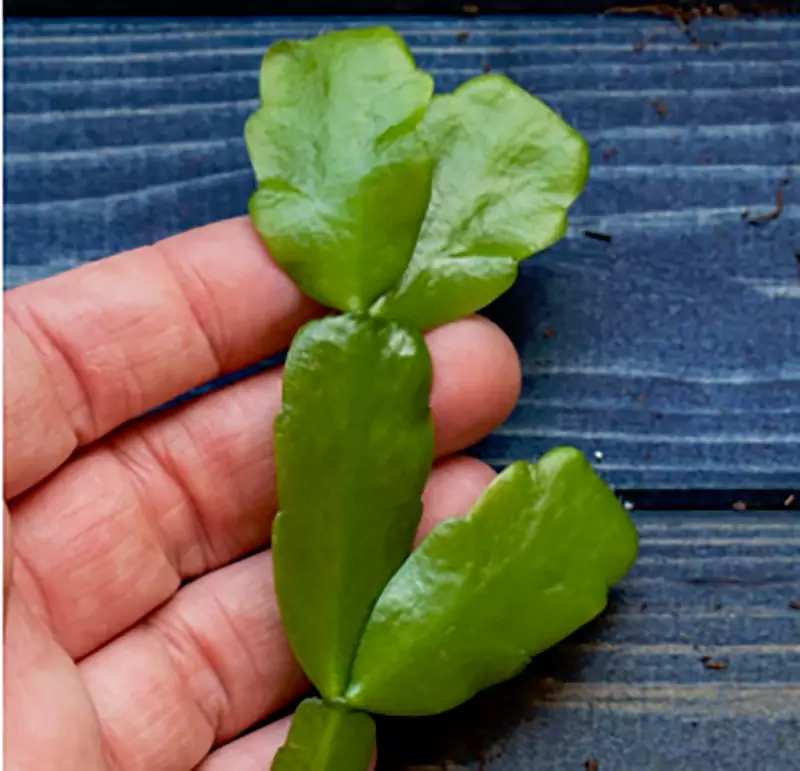
Take a look at my 5-step propagating method for the Christmas cactus using stem-cuttings:
| Step | Image |
|  |
|  |
|  |
|  |
|  |
What are the Different Types of Christmas Cactus?
There are 3 varieties of the Holiday cactus, and all are identified primarily by the time that they bloom and the shape of their leaves.
I have grown all three varieties, and they have similar growth habits but can be confusing to differentiate. So, here is a clear distinction to help you pick better:
| Image | Name and Description |
 | Thanksgiving Cactus
|
 | Christmas Cactus
|
 | Easter Cactus
|
Also read: What are the Different Types of Lettuce? Uses, Cultivation, and More
Common Care Mistakes for the Christmas Cactus Bloom
The Christmas cactus is a short-day plant, and darkness is as important for the plant as sunlight. Hence, along with following care tips, it is also important that certain steps are completely avoided.
I have mentioned the 4 things that will stop your Christmas cactus from blooming:
- Overwatering will kill your Holiday Cactus. Just like many plants, like the Narcissus flower, overwatering leads to root rot in the Christmas cactus as well. Especially because it is succulent, and they are extremely sensitive to excessive watering.
- Being native to the Brazilian rainforest, this succulent loves moisture and should not be exposed to dry environments.
- Care of Christmas Cactus is a matter of striking the right balance of sunlight exposure, and excessive sunlight can lead to scorching leaves.
- Fertilising during spring and summer is enough for the plant to bloom. Going over the board with plant food can cause root burn and browning of leaves.
Scientific Findings About the Christmas Cactus
The Christmas cactus plant is pet-friendly and is non-toxic for both humans and animals. However, according to certain medical research, the plant has caused type-1 allergy in people working mainly around it.
Take a look at the research paper’s findings:
| Research summary box 1 Study year: 1999 Aim: To assess the allergic and non-allergic reactions to Christmas and Easter cactus. Sample type: Questionnaire and Nursery employees’ Key findings: The results of the skin prick test:
Conclusively, the allergy to the Christmas and Easter cactus is occupational in nature and not a general one. Source: National Center of Biotechnology Information |
Interesting Facts About the Christmas Cactus
The Christmas cactus can survive up to 100 years! If that was not interesting enough, I have curated some more fun facts that only true gardeners know!
- This holiday plant can live up to more than 20 years and has been documented by many people as being passed down from one generation to the next.
- Although the name involves the word cactus, this plant thrives in cooler temperatures, unlike the other main type of desert cactus.
- Unlike the other winter plants like the Mistletoe and Poinsettia, the Christmas cactus plant is not toxic to pets, making it an even better houseplant choice.
- The Christmas cactus that is widely sold in supermarkets is actually the Thanksgiving variety and not the original Christmas cactus.
Wrapping Up
For plants like the Christmas cactus, care is more than just maintaining its bloom for a short period of time. With the right care, it lights up the living space for decades and is passed down from generation to generation. It is such a fulfilling journey to experience.
Care for Christmas Cactus is less exhausting and more rewarding, and I see it more as a one-time investment that will add colour to your home for many holidays to come.
FAQs
Does Christmas Cactus like sun or shade?
Do Christmas Cacti like small or large pots?
The Christmas cactus plant has a shallow root system and hence prefers smaller pots of around 6-8 inches.
Where to buy a Christmas Cactus from?
This succulent plant can be bought from an online store or from any plant nursery near you.
For how long does the Christmas Cactus bloom?
The flowers of the plant bloom for 6 weeks, and the plant is a long-lived perennial that can survive for up to even 100 years, as is documented.
Sources:
How to grow Christmas cactus– BBC Gardeners
Latest Blog