Ans: The goldfish flower plant prefers bright light to bloom, but does not require direct sunlight. Thus, be sure you place them a few feet away from the sunny windows.
Goldfish Plant: Origin, Varieties, Caring & Growing Tips
Author
Rashika GuptaLast Update
April 7, 2026
The goldfish plant is a charming tropical houseplant that instantly draws my attention with its vibrant, fish-shaped blooms and lush trailing foliage at the nursery. Native to the Brazilian rainforest and Central South America, this mesmerizing plant combines ornamental beauty with effortless indoor adaptability.
Over a few months, by exploring the popular goldfish plant varieties and understanding their care needs, I’m able to grow a thriving, eye-catching garden at my place.
Read on to discover everything you must know about growing and caring for the goldfish plant.
Table of Contents:
- What is the Goldfish Plant? Taxonomy and Features
- What are the Most Popular Goldfish Plant Varieties?
- What are the Ideal Growing Conditions for the Goldfish Plant?
- How Can I Grow Goldfish Plants in my Garden?
- Troubleshooting the Common Problems With the Goldfish Plant
- Conclusion
- Frequently Asked Questions
What is the Goldfish Plant? Taxonomy and Features
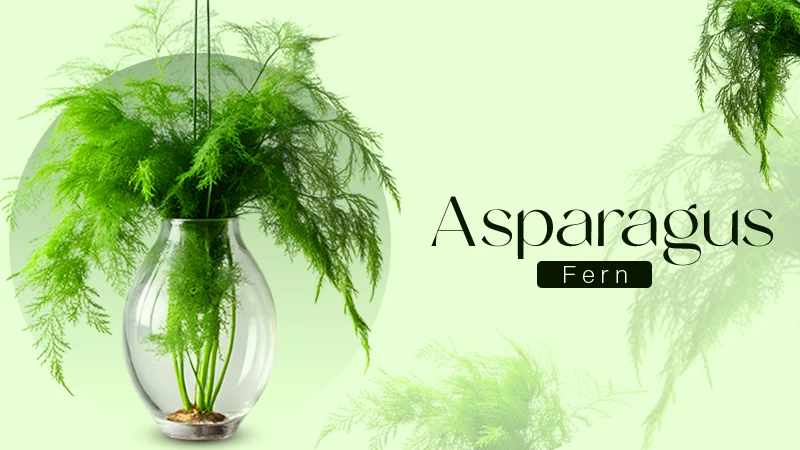
Also known as the Clog Plant, the goldfish plant is one of the easiest-to-care-for, tropical houseplants. They are widely known for their unique structure, featuring thick, glossy, dark green foliage and tubular orange flowers, similar to the Asparagus Fern plant.
Accordingly, the goldfish plant originates from the Brazilian rainforest and is a low-maintenance, hardy plant that thrives indoors in bright, indirect light and prefers moderate humidity.
Thus, before diving into the goldfish plant care guide, take a look at its taxonomy for a better understanding.

| Botanical Name | Nematanthus gregarius/ Nematanthus ‘Black Magic.’ |
| Common Synonyms | Guppy plant, Flying Goldfish Plant, and Clog Plant. |
| Kingdom | Plantae |
| Division | Tracheophyta |
| Family | Gesneriaceae |
| Genus | Nematanthus (most common) or Columnea |
| Features of the Goldfish Plant | |
| Plant Size | 3 ft. (1 m) tall and 1.6-2 ft. (0.3 m) wide |
| Exposure | Partial Sun |
| Soil Type | Loam, Sand |
| Soil pH | Acid, Neutral |
| Soil Drainage | Moist but well-drained |
| Bloom Time | From spring to summer |
| Lifespan | 3–5 years (with proper care) |
| Humidity Preferences | Moderate (40–60%) |
| Hardiness Zones | 10–11 USDA |
| Native Areas | Brazilian Rainforest and the parts of Central South America. |
| Toxicity | Non-toxic to humans and other companions. |
What are the Most Popular Goldfish Plant Varieties?
While researching the goldfish plant propagation, I came to know that there are around 30 species that are notably classified under the same characteristics as this guppy plant.
Below, I have listed some common goldfish plant varieties that you can hang around the corners of your room and add vibrant colours to your home; check them out.
| S.no | Image | Description |
| 1. |  | Black Gold Goldfish Plant Botanical Name: Nematanthus nervosus Growth Habit: Trailing & Vining Leaf Shape: Oval-Shaped Flower: Bright, yellow-orange, pouch-shaped. Height: 4–8 inches (10–12 cm) |
| 2. |  | Golden West Plant Goldfish Plant Botanical Name: Nematanthus gregarius Growth Habit: Trailing Leaf Shape: Oval-Shaped Flower: Bright-orange, pouched-shaped.Height: 6 to 12 inches (15–30 cm) |
| 3. |  | Apres Goldfish Plant Botanical Name: Nematanthus ‘Apres’ Growth Habit: Vigorous & Cascading Leaf Shape: Small, Thick, and Succulent-Like Flower: Orange, yellow, & red-orange, small, similar to leaping goldfish. Height: 50 cm |
| 4. |  | Freckles Goldfish Plant Botanical Name: Nematanthus gregarius Growth Habit: Trailing, Cascading, and Shrubby Leaf Shape: Small, Thick, Glossy (waxy) Flower: Small, pouch at button in yellow, bright-orange, & reddish-orange shades. Height: 6–12 inches (15–30 cm) |
| 5. |  | Christmas Holly Goldfish Plant Botanical Name: Nematanthus ‘Christmas Holly Growth Habit: Cascading Leaf Shape: Oval-Shaped Flower: Tubular, fish-shaped flower in bright, orange-red shades. Height: 6–12 inches (15–30 cm) |
| 6. |  | Light Prince Botanical Name: Columnea hirta Growth Habit: Herbaceous Perennial, Trailing, & Compact Leaf Shape: Small, Oblong, & Fuzzy Flower: Long, tubular, apple-red flower. Height: 12–18 inches |
| 7. |  | Chanticleer Botanical Name: Columnea ‘Chanticleer’ Growth Habit: Trailing & Shrubbing Leaf Shape: Oval-Shaped Flower: Distinctive, tubular-shaped flower in bright-yellow shade with red tips. Height: 4–10 inches |
| 8. |  | Aladdin’s Lamp Botanical Name: Columnea ‘Aladdin’s Lamp’ Growth Habit: Trailing Leaf Shape: Oval-Shaped or Elliptic Flower: Tubular-shaped flower in a vibrant, fiery red shade. Height: 24 inches (30–60 cm) |
Also Read: Sedum Plant: Origin, Varieties, Caring & Growing Tips
What are the Ideal Growing Conditions for the Goldfish Plant?
Whenever a guest visits my home, they all ask one question: “How did I manage to grow the beautiful goldfish plant at my home?” I simply reply that, luckily, these houseplants are low-maintenance and thrive year-round only under specific conditions.
Accordingly, in this section, I’ve presented an ideal setup for growing goldfish plant varieties that I usually suggest to my friends. Let’s go through it.
- Sunlight Requirement: Needs bright, indirect light to bloom, particularly from southern or eastern windows. Too much sunlight exposure can scorch its leaves.
- Watering Needs: Thoroughly water the plant only when the top 1–2 inches of its soil gets dry. Also, in its growing season (summer/spring), keep the soil a little moist and reduce watering in winter.
- Soil Condition: Use a well-draining mix composition with soil. For instance, blend potting soil with peat moss, perlite, or charcoal. Besides, you can use a mix of orchid bark with the potting soil.
- Humidity & Temperature: The goldfish plant thrives in 50–60% humidity and just requires a temperature between 65-80°F.
- Fertilizer: Feed water-soluble fertilizer, every two weeks during spring and summer, reducing once a month in winter.
From my experience, growing goldfish plant varieties is all about balancing the right moisture, temperature, and soil composition, allowing them to thrive beautifully in a room’s corners.
How Can I Grow Goldfish Plants in my Garden?
To upgrade your home with the Nematanthus goldfish plant, you can purchase a semi-grown plant from any nursery or a trusted website. Also, if you want to grow them on your own, check out the methods below that I’ve personally used and harvest a healthy houseplant in my space.
1. Grow Goldfish Plant by Propagation
Propagation is one of the most common and easiest ways to grow these houseplants in any indoor arrangement. From the start, I’ve always preferred this method, as it doesn’t require any complicated process and just gets done quickly. Below are the necessary steps; take a look.
- From the grown plant, pick a non-flowering, soft, flexible, and green part of the stem. Remember, just take 2–3 inches of the green side and avoid the brownish part, as it won’t help in producing.
- At the end of the green stem, cut down right below the terminal node, using the sterilized scissors.
- Remove lower leaves (if any) and clean the cut portion of the stem.
- Keep these cuttings partly in the water to produce their roots. Generally, this process can take up to 2–3 weeks.
- Once you see healthy root development in the cutting, take a pot, fill it with the correct soil composition, and place that stem in it.
- Water the plant and its soil positively to deliver an accurate moisture level.
Finally, now you can leave the pot somewhere in bright, indirect sunlight for a few weeks. Evidently, with proper nourishment and goldfish plant care, the roots will begin to grow beautifully, and once they have produced properly, you can shift the plant to a big pot.
2. Grow Goldfish Plant by Seeds
Although propagating goldfish plants is always my go-to process to harvest these houseplants, here I’ve mentioned another alternative way for you. Check it out quickly.
Note: Growing goldfish plants from seeds can be a little complicated, as it requires proper nourishment and moisture. So try this process only in the growing seasons (summer & spring).
- Take the goldfish plant seeds and soak them in a diluted cleaning solution or water for 1–2 hours.
- After some time, rinse the seeds properly and place them on a clean paper towel to dry.
- Take the seed-starting tray and fill it with the properly composed soil mixture.
- Once the seed gets dried properly, place 2–3 of them in each block and place a proper layer of soil over them.
- Spray water on the tray properly and wrap it with a plastic, delivering proper humidity to the seeds.
- Later, keep the tray in a bright, indirect sunlight exposure, and maintain the temperature between 68–75°F.
Thus, after this, wait for a few weeks, and you’ll notice that the seeds will begin to turn into sprouts. However, this process does not always succeed, as it requires accurate nourishment and other producing conditions to thrive. So, take extra care of your seeds to get the best result.
Read More: Peperomia Plant: Care Tips For A Healthy Radiator Plant
Troubleshooting the Common Problems With the Goldfish Plant
Due to the improper nourishment, care, and succulent-like physique, the goldfish plants are resistant to various pests and diseases, reducing their entire lifespan. From my experience, I’ve learned numerous tricks to keep my goldfish flower plant healthy and thriving.
Thus, below I’m mentioning a few troubleshooting tips for you; check them out and safeguard your lively friend from common pests and diseases.
- Spider Mites: Tiny arachnids form white webs under leaves that might cause pale bronzing or stippling on them. You just have to increase the humidity level by spraying water and using insecticidal soap or neem oil to dislodge them.
- Mealybugs: Occur in white, cottony masses under and in leaf axils, which weakens the plant’s strength. Take a cotton swab, soak it in 70% isopropyl alcohol, and dab the appeared insects slowly.
- Scale Insects: Small, hard-shelled bugs that typically appear as tan and raised brown spots on the plant’s stem. To treat them, simply scratch them off and apply neem oil or alcohol to them.
- Aphids: Tiny, soft-bodied insects that cluster on the new growth of the goldfish flower plant, leaving sticky honeydew on the foliage. To prevent Aphids, spray strong water on them and apply insecticidal soap.
- Root Rot: Caused by waterlogged soil, root rot is the most common killer of the goldfish plant, inducing sour smells, yellow stains on leaves, and mushy stems. To treat this, immediately stop watering, repot the plant with a fast-draining potting mix, and trim away the mushy, brown leaves.
- Botrytis Mold/Fungal Leaf Spot: Appears as fuzzy gray mold or black/brown spots on the leaves. This fungal disease is often caused by high humidity with poor air circulation. Simply, remove affected leaves and increase air circulation to cure the disease.
- Powdery Mildew: Occurs as a coating of white powder on the leaves that minimizes the lifespan of the plant. To cure this, avoid watering the goldfish plant from the top and improve its air circulation.
Personal Note: If you notice wrinkly leaves, start watering the plant consistently, as it is an early stage of drying leaves or roots.
Conclusion
In a nutshell, bringing greenery into my home has always felt special, and growing a goldfish plant has been one of my delightful experiences. Its glossy trailing leaves and bright, fish-shaped blooms truly took my heart.
Spending months with these beautiful subshrubs, I’ve learned that they thrive in bright, indirect light, with regular watering, and good humidity. Also, occasional pruning keeps it shaped and healthy.
Thus, for me, it’s not just a decorative item; this houseplant effectively adds warmth, enhances the indoor vibe, and makes goldfish plant care feel genuinely rewarding.
Also Read: Christmas Cactus Care: How To Get A Christmas Cactus To Bloom For Decades?
Frequently Asked Questions
Do goldfish like the sun or shade?
How to care for goldfish plant?
To keep the gold fish plant lively, maintain the temperature between 65-80°F, cautiously fertilize during the growing season, and without fail, prune after flowering to keep them in bushy shape.
Is the black gold goldfish plant hard to keep?
Due to its Brazilian rainforest origins, the gold fish plants are not considered hard to keep. However, they require constant care, like a preferred temperature, moderate watering, and high-humidity soil.
What is the average lifespan of the gold fish plant?
Typically, the average lifespan of the goldfish flower plant is 3 to 5 years with proper care. These hardy tropical houseplants thrive in bright, indirect light, warm temperatures, and consistent moisture.
Does the goldfish flower plant need more watering?
No, these houseplants just required moderate, consistent watering rather than excessive amounts to grow and last in the indoor structure.
Latest Blog