Yes, we can grow lemongrass in a pot.
How to Grow Lemongrass? Guide to Plant Growth, Uses, and Care Tips
Author
Annette HirdReviewed By
Cody Allison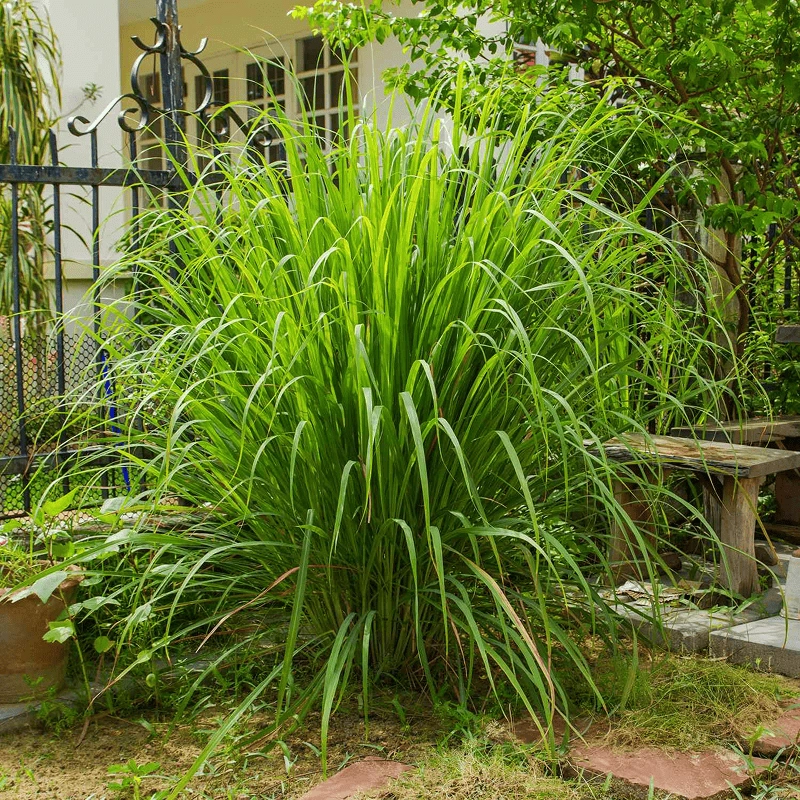
Lemongrass, a tropical plant that is mainly found in the regions of Asia, America, and Africa, is a very beneficial plant. It is green in color and gives a strong lemon fragrance when damaged.
The plant gives us various benefits that we can use in our daily lives. These may include mental relief, being good for the skin, killing bacteria, etc. Lemongrass grows in warm, sunny, and humid conditions and can reach a height of 1.8m. The common lifespan of lemongrass can be up to 4-6 years.
In this blog, we will learn how to grow lemongrass, its types, uses, and more information about it.
Table of Contents:
What is Lemongrass?
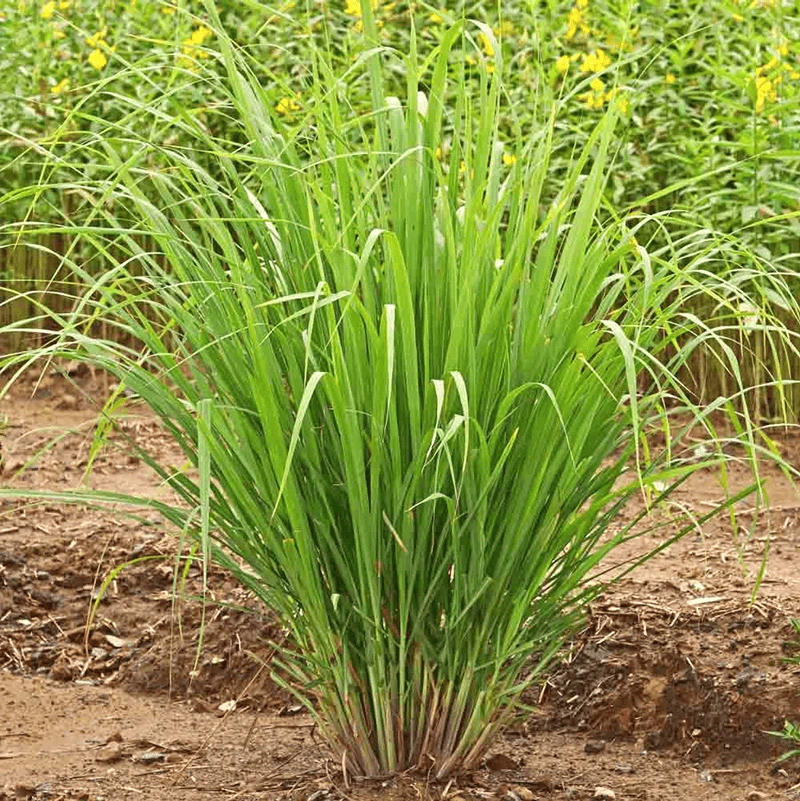
Lemongrass, also known as malabar grass, is an ancient plant that has been used for centuries in medicine. People use it in their daily lives in several ways, including oil, perfumes, and much more.
It is a tropical and sub-tropical plant that cannot tolerate low temperatures and is popular for its aromatic and herbal uses, such as tea.
Here’s everything you need to know:
| Botanical Name | Cymbopogon |
| Kingdom | Plantae |
| Division | Magnoliophyta |
| Class | Liliopsida |
| Order | Poales |
| family | Poaceae |
| Genus | Cymbopogon |
How to Grow & Harvest Lemongrass Plant? Care Tips to Consider
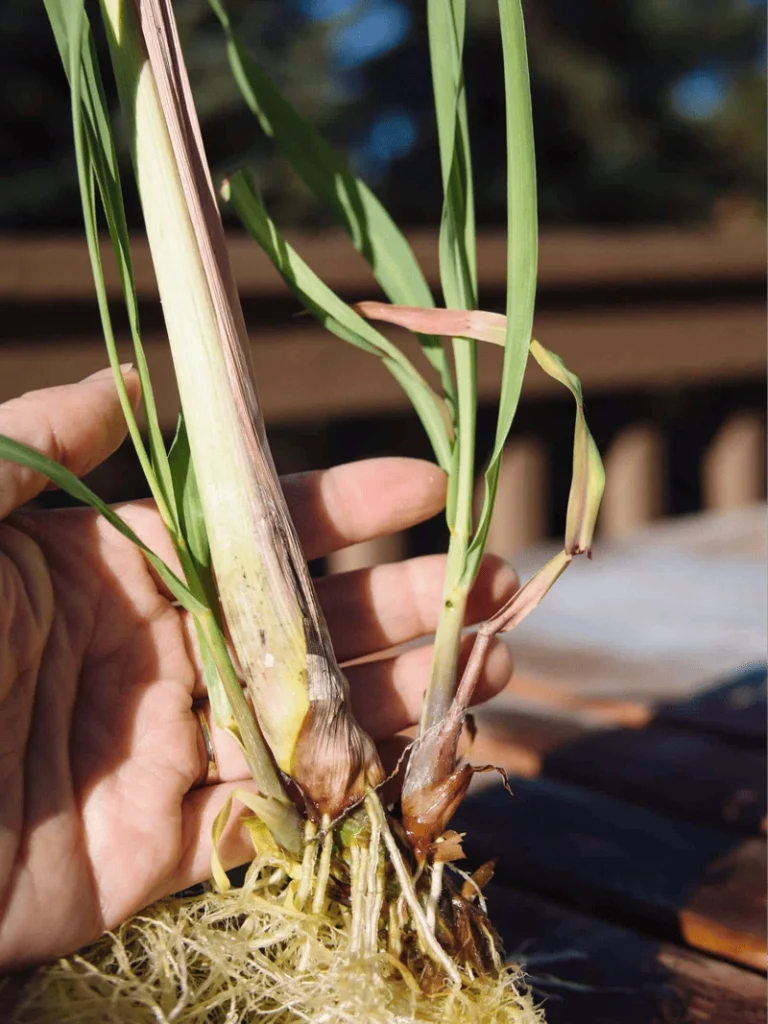
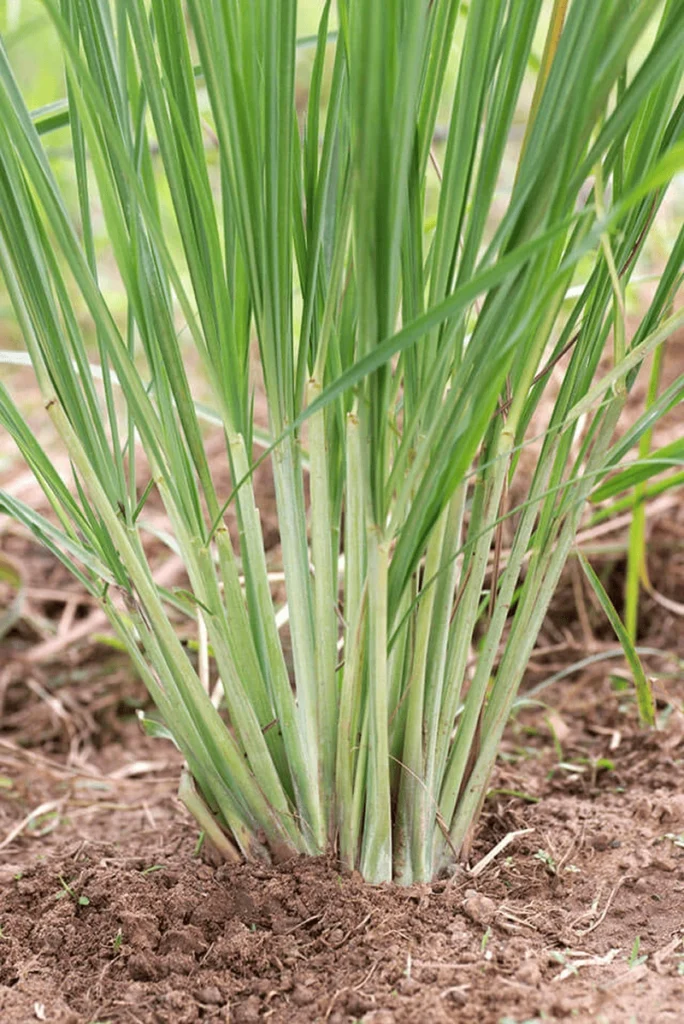
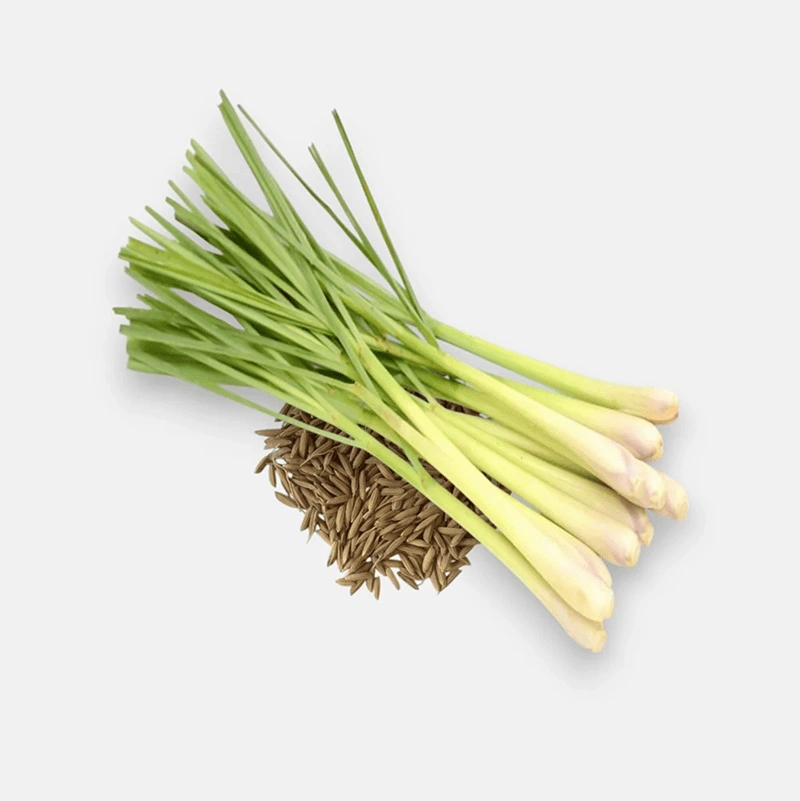
Planting lemongrass at home is handy nowadays. If you are aware of how to grow basil, which is a household plant to grow, it is easy for you to grow Lemongrass. There are three ways to grow lemongrass at home: by roots, by existing plants, and by seeds. Let’s explore the three ways to plant lemongrass:
| By Roots | By Existing Plant | By Seeds |
 |  |  |
|
|
|
Also Read: Asparagus Fern Care Guide: Varieties, Tips & Common Issues
Care Tips For Lemongrass
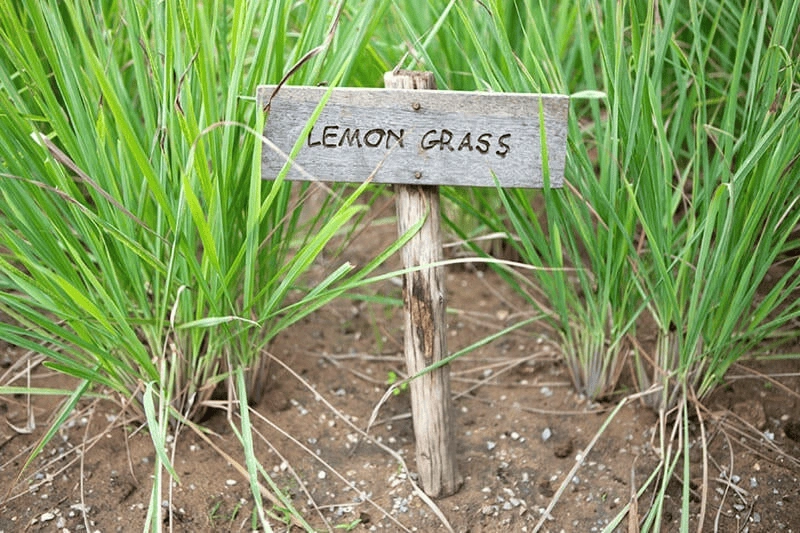
Caring for a lemongrass plant is as easy as growing the plant itself. The process requires certain tips that you should not ignore to ensure your plant’s healthy growth.
Here are some points given below for your reference:
- Provide at least 6 hours of direct sunlight every day.
- Water the plant every 2 to 3 days, keeping the soil evenly moist.
- Maintain a warm temperature between 18°C and 27°C.
- Use well-draining, nutrient-rich soil for healthy growth.
- Feed the plant with a balanced fertilizer once a month during the growing season.
- Trim old or dry leaves regularly to encourage fresh growth.
- Ensure the pot has proper drainage holes to prevent any root rot.
How to Harvest Lemongrass?
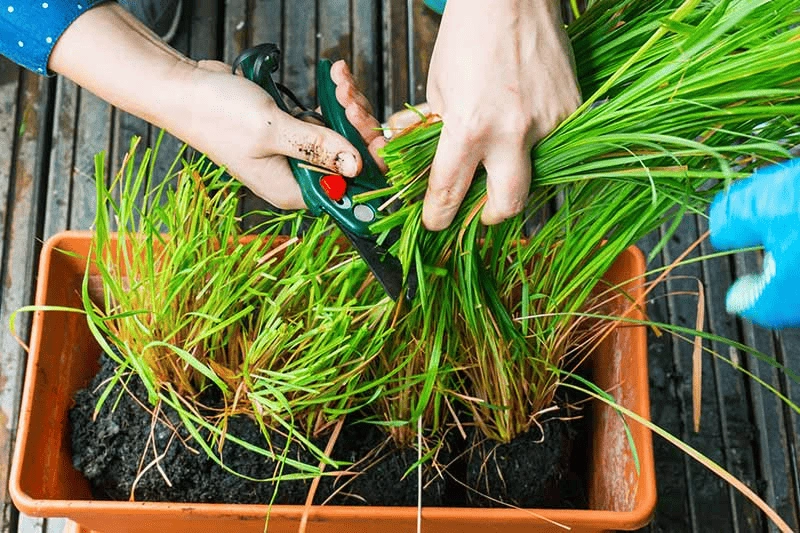
Lemongrass is easy to harvest once it reaches maturity. With the right harvesting technique and proper storage, you can enjoy its fresh flavor and aroma for several months.
Here are a few steps to follow:
- Wait 75 to 100 days for the lemongrass to reach harvest maturity.
- Hold a sharp tool and start cutting the leaves from the base.
- Handle the plant carefully, as the leaf edges are sharp.
- Once harvested, you can store lemongrass for the next 4-6 months.
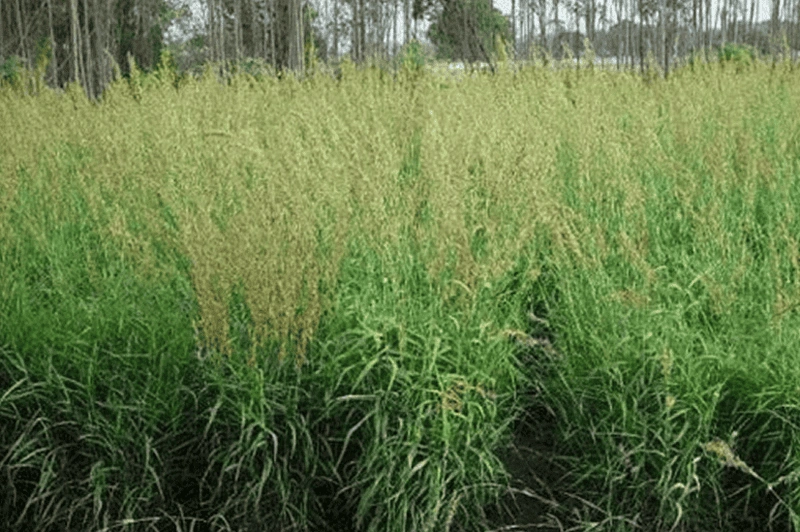
What are the Different Types of Lemongrass?
There are over 55 species of lemongrass. However, of these 55 known species, there are only 2 known edible ones. Here are a few species of lemongrass that are used:
- Cymbopogon Flexuosus
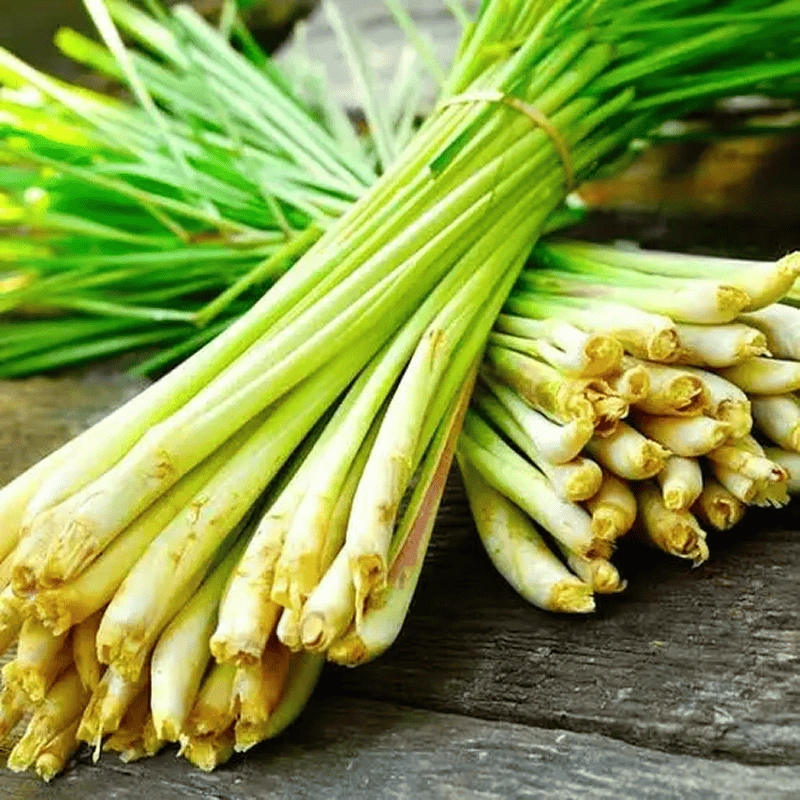
Cymbopogon flexuosus is also known as Cochin Grass. The primary uses of this plant are cooking, making herbal tea, and medicinal purposes.
- Cymbopogon Citratus
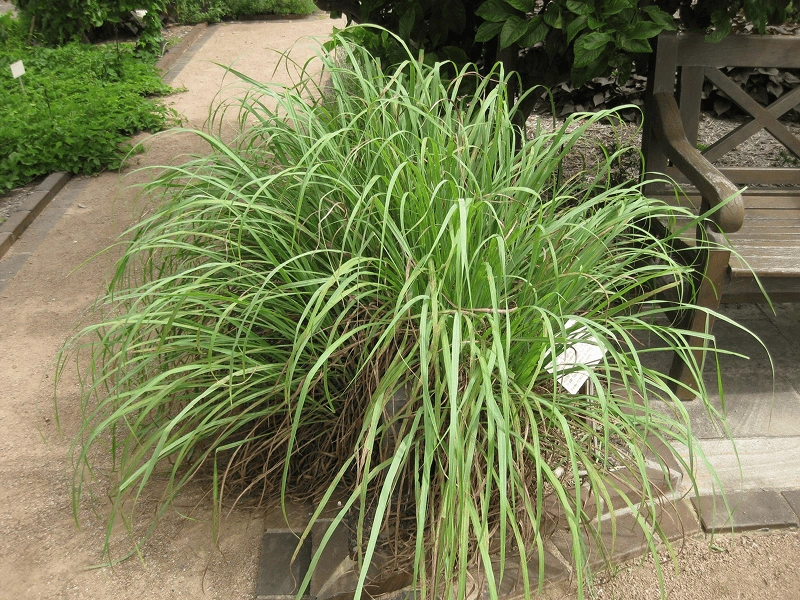
Cymbopogon Citratus is well known for its fragrance and flavour. It is a flavouring plant that is used in soups and many other dishes.
- Cymbopogon Nardus
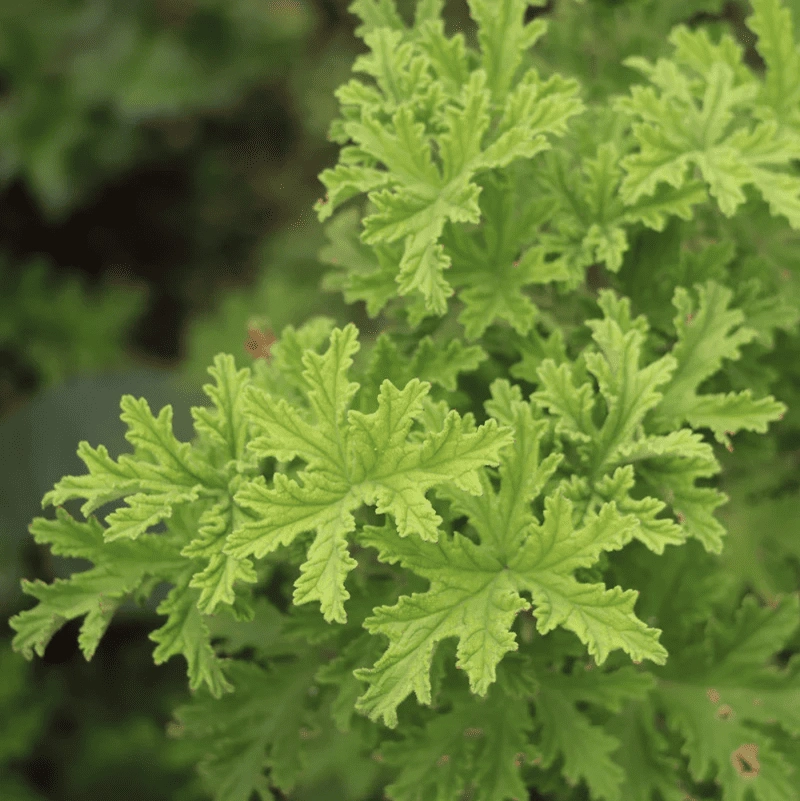
Cymbopogon Nardus is another type of lemongrass that gives a lemony fragrance, mainly used in aroma products. The plant can grow up to 2.5 meters tall.
- Cymbopogon Martinii
Cymbopogon Martinii is mostly cultivated in India and used for making aromatic oil. It is also known as palm rose, as it smells sweet like a palm rose. This plant can grow up to 3 m in height.
- Cymbopogon Schoenanthus
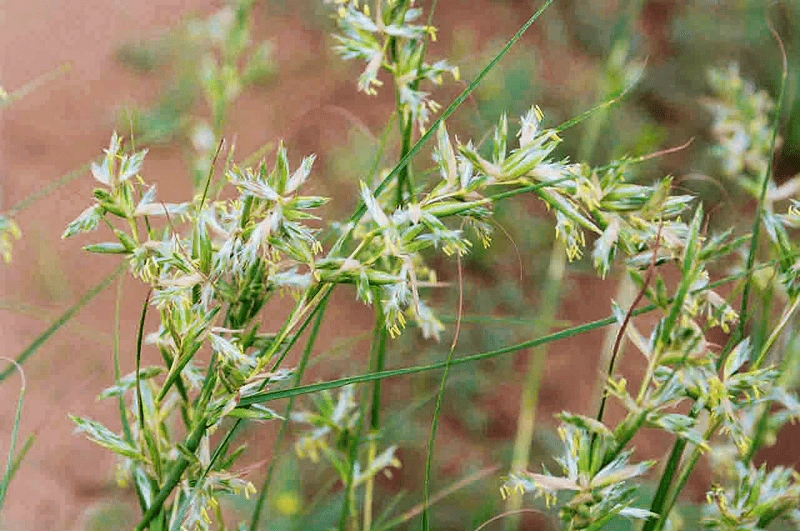
Another species of lemongrass is the Cymbopogon Schoenanthus (aka camel grass). It is used in many Ayurvedic treatments. This also has an aromatic fragrance that can be used in making oil.
Also Read: Coreopsis Flower: Origin, Symbolism, Types, Care & Growth
What are the Uses of Lemongrass?
Lemongrass is not just a plant, but an ancient one that has been in use for several years. People use this plant for many activities, such as cooking, making oil, and so on.
Here are some uses of lemongrass given below:
| Use of Lemongrass | How it is used |
| Tea | The most common use of lemongrass is for making tea. |
| Oil | It has an aromatic fragrance, thus also used in making aromatic oil. |
| Lowers Blood Pressure | This plant contains certain compounds that help to regulate blood pressure. |
| Household Use | Used for making aromatic soaps and such utilities. |
| Skin Care | It is also beneficial for skin; it can be used in making face masks or skincare products, etc. |
What are the Common Diseases Related to Lemongrass?
The lemongrass plant is naturally resistant to most pests and diseases, making it easy to maintain. However, it may sometimes catch some diseases, as explained below:
Rust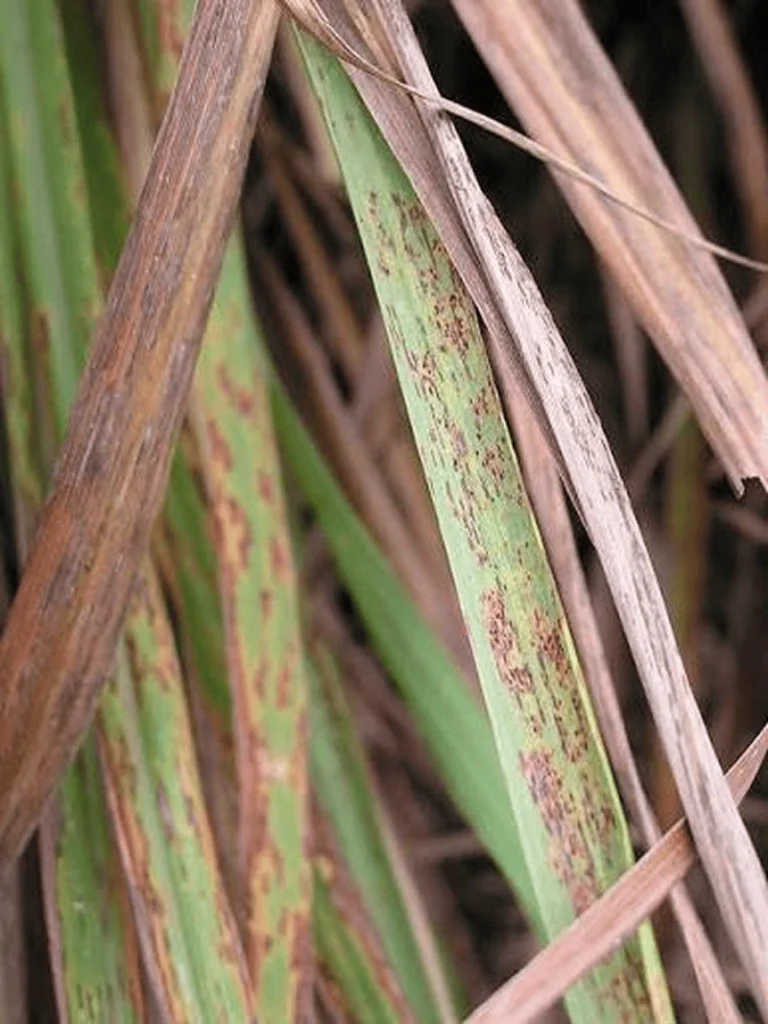 | It may get rust on the leaves if not given enough sunlight or cared for properly. Quick Solution: Give proper sunlight, water, moisture, and air. |
Little Leaf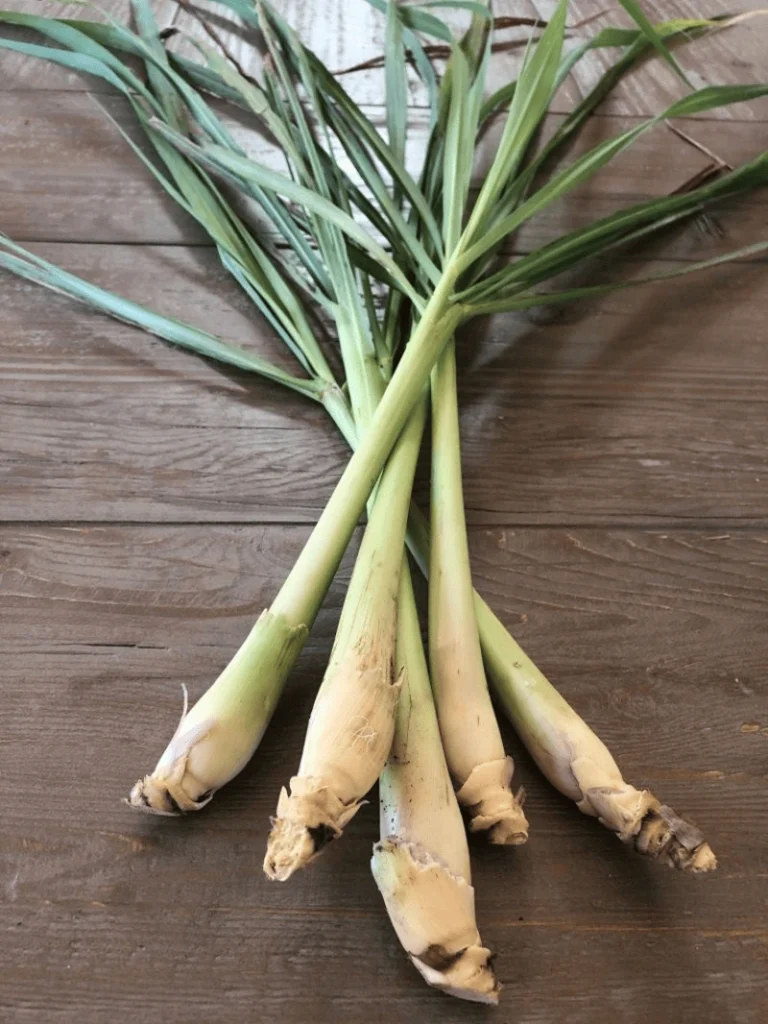 | It can stop growing if not cared for on time. Quick Solution: Use growth supplements as needed. |
Red Leaf Spot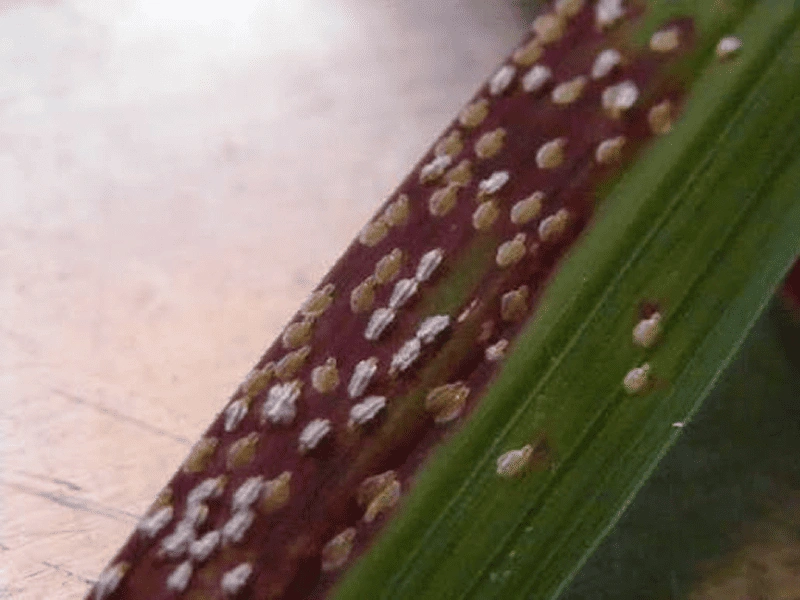 | The plant starts getting red spots on the leaves, which may grow more if not cared for on time. Quick Solution: Use specified fertilizers to keep the plant safe. |
Wrapping Up
Growing Lemongrass is not just easy but extremely useful because of its several uses in cooking, medicine, skincare, oiling, and much more.
This plant doesn’t need many complex growth procedures.
The only factor it needs is sufficient sunlight and water to make it grow resilient to any damage. Thus, this blog has covered the entire growing conditions, care tips, and much more for the healthy growth of your plant.
FAQs
Can we grow lemongrass in a pot?
Which method is the best to grow lemongrass?
Rooting is the best method to grow lemongrass.
Can we use all species of lemongrass?
Yes, there are only two species of lemongrass that are edible: flexuosus and citratus.
How long does a lemongrass plant live?
A lemongrass plant can live up to 4-5 years.
How much sunlight do we need daily for lemongrass?
6-8 hours of sunlight is needed daily for lemongrass.
Sources:
Utah State University- How to Grow Lemongrass in Your Garden | USU
Latest Blog