The best pepper companions are onions, chives, garlic, marigolds, and green vegetables.
Best Companion Plants for Peppers, Peppers Growing Process, Care Tips, & Much More
Author
Rashika GuptaLast Update
September 20, 2026
Peppers are easy-to-grow plants that require minimal care. These plants grow in garden beds or pots and are best planted with basil, garlic, chives, marigolds, and many other flowering plants, vegetables, and herbs.
The right companion plants make gardening easier by repelling pests, improving soil quality, and boosting yields. While there are some plants that pair best with peppers, they should not be planted with nightshades, fennel, and brassica plants.
Read the article to learn about the best companion plants for peppers, their growing process, care tips, and much more.
Table of Contents:
What Grows Well with Peppers? List of Companion Plants for Peppers
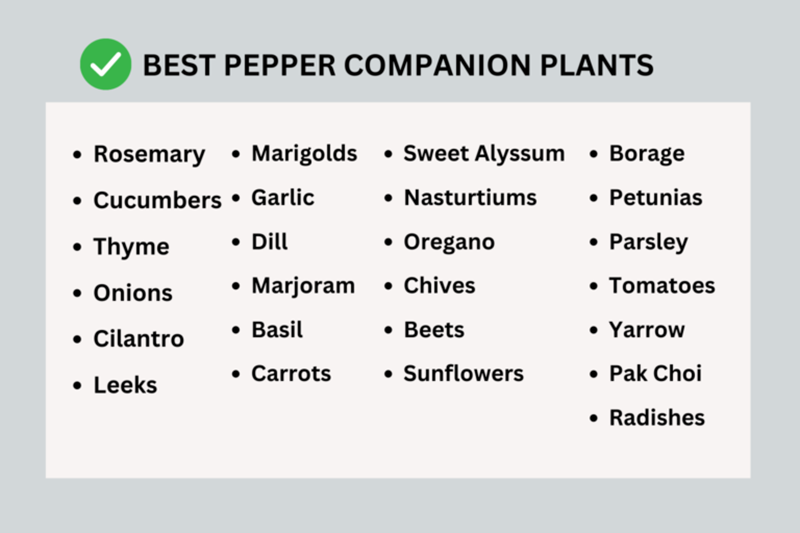
I have been planting peppers in my garden for years now. For the first few times, I made certain mistakes that took little time to overcome, but now, every season I grow peppers along with their companion plants. It helps reduce weed growth and also improves soil quality. Here are some of the best options that you can try growing with peppers next time:
1. Basil
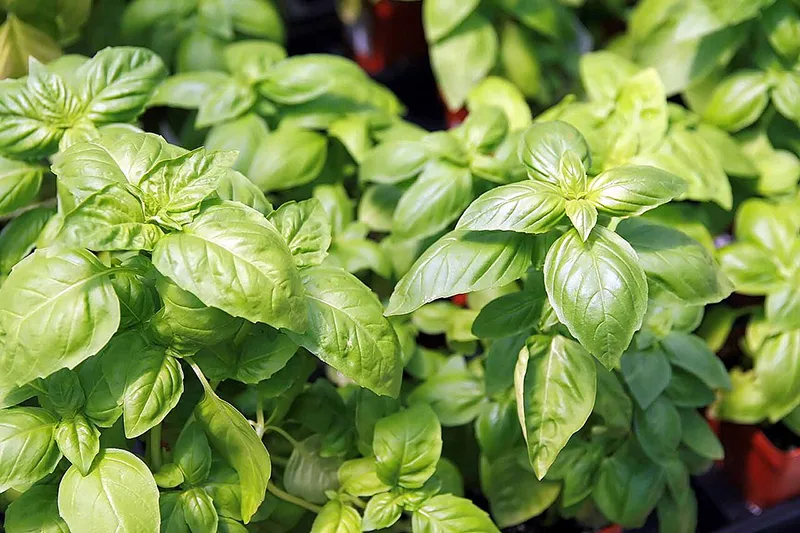
Basil pairs best with many other herbs and plants, but it also grows well with peppers. This is because both the plants share similar care needs. Tall pepper plants also provide shade to keep the basil leaves tender during the peak summer heat. Being pepper’s companion, basil’s strong fragrance repels several pepper pests.
2. Alliums
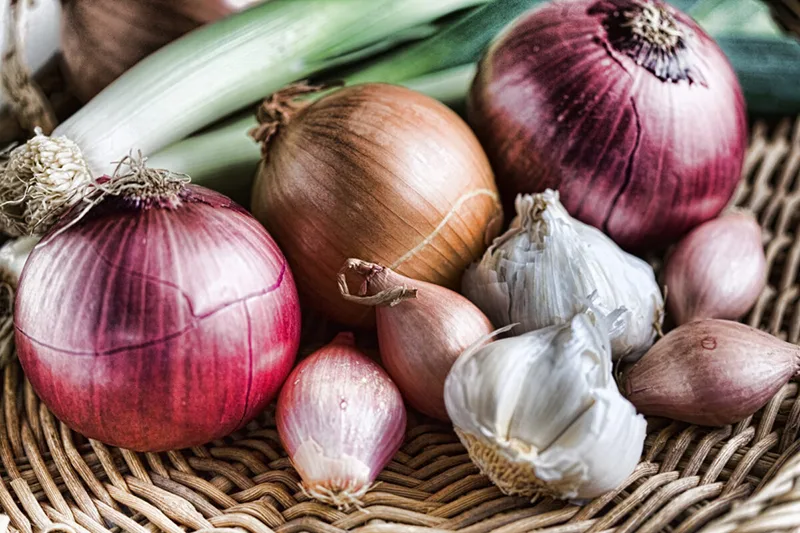
Alliums have personally helped my pepper plant to grow more effectively and efficiently. Garlic, chives, and onions have a strong sulfur-like aroma that repels pests and deer, which are a major threat to the peppers. Allium flowers are also great for attracting pollinators to pepper plants, increasing harvest yields.
3. Cilantro
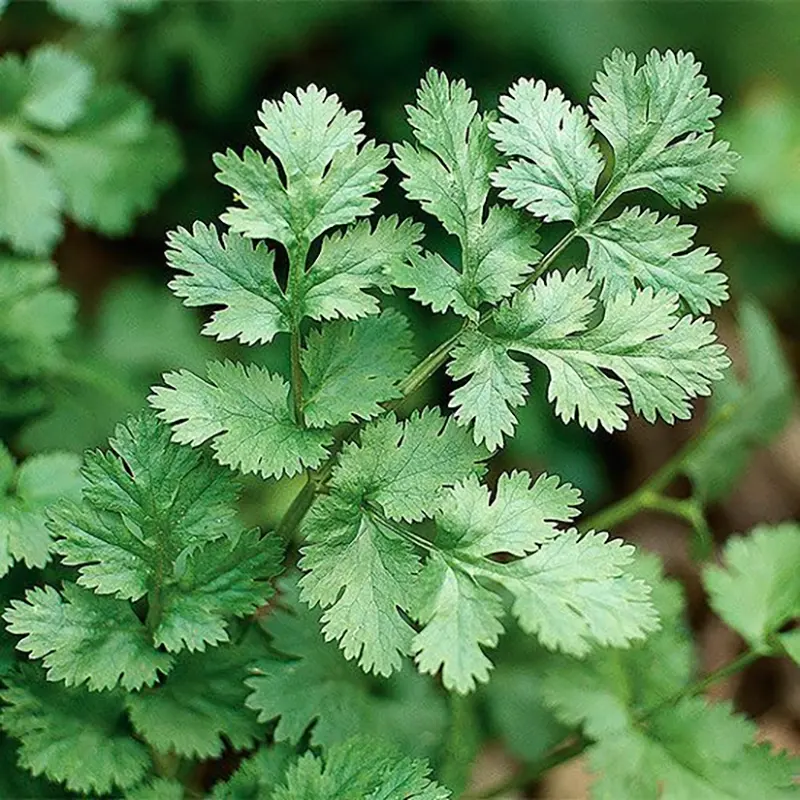
Cilantro works as a great pepper companion. The two are also well-known salsa ingredients. If you allow the cilantro plant to grow flowers, they are one of the best plants that attract pollinators.
4. Nasturtiums and Marigolds
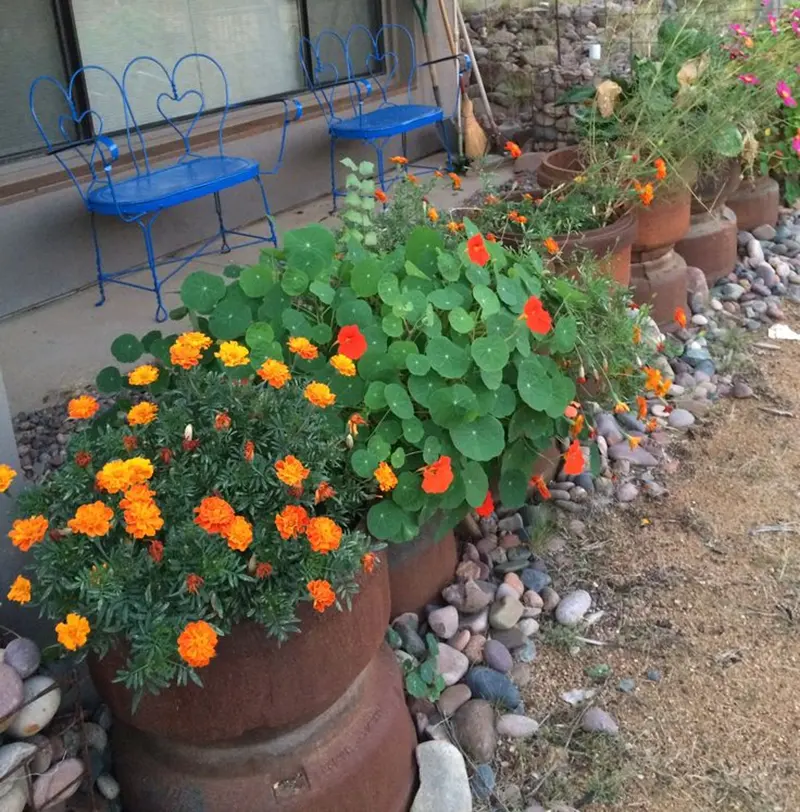
Nasturtiums and marigolds are companion plants for peppers as they have bright orange and yellow flowers that add vibrant colours to your garden. This attracts pollinators like bees, butterflies, and hummingbirds. They also help perk up pepper health and trap pests like aphids and trips.
Some nasturtium varieties that have trailing properties can be used as a living mulch to keep weeds suppressed.
5. Root vegetables
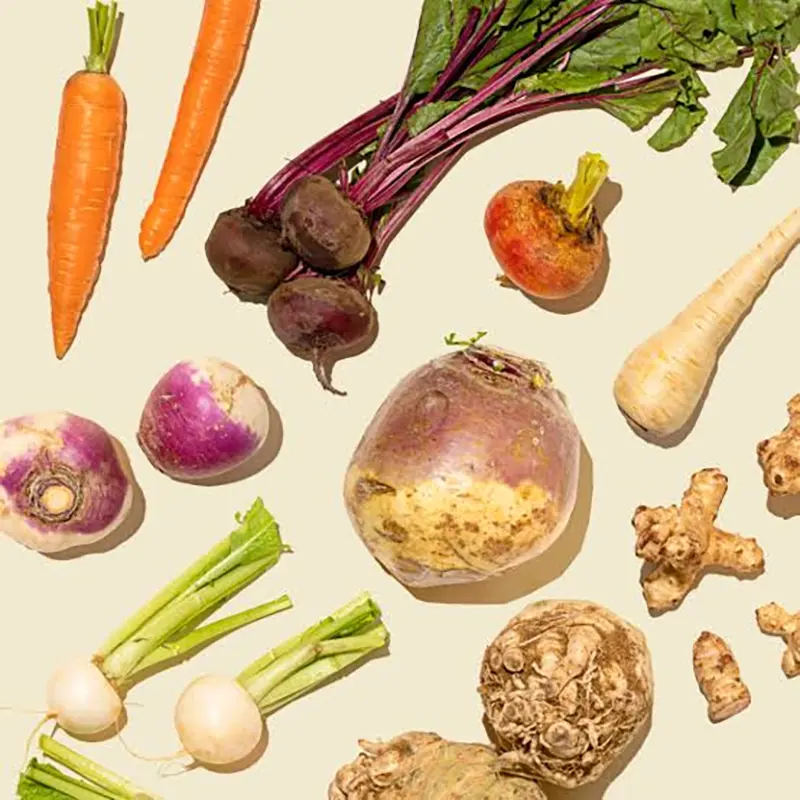
Root vegetables like carrots, beets, radish, and rutabaga are great cool-tolerant plants and grow faster than pepper. These plants can extend the harvest window, and their long roots help in air circulation.
Did you know?
The worst pepper companions are fennel, brassicas, eggplants, and potatoes because they take away all the nutrients from the soil and spread the same diseases and pests to pepper plants.
Read more: Kale Plant Guide: Taxonomy, Care Tips, Growing Kale, Health Benefits, & Much More
Pepper Plant Taxonomy and Ideal Growing Conditions
Pepper is native to Brazil and Bolivia. The plant thrives best under direct sunlight and requires loose, rich soil with NPK fertilisers. The plant belongs to the Solanaceae family. For more general information, here is the taxonomic overview and ideal growing conditions of the plant:
| Common names | Capsicum, chili, sweet pepper, pepper |
| Kingdom | Plantae |
| Order | Solanales |
| Family | Solanaceae (Nightshade family) |
| Genus | Capsicum |
| Native area | Regions of America, specifically Bolivia and Brazil |
| Season of interest | Summer through autumn; depends on the variety |
| Hardiness | 9 to 11 USDA Zone |
| Light Requirements | 6 to 8 hours of direct sunlight daily |
| Maintenance | Low |
| Soil | Well-drained, loose, rich organic soil with neutral pH levels between 6.0 and 7.0 |
| Water Requirements | Moderate |
| Fertilizers | Balanced NPK ratio |
Read more: Broccoli Plant: Tips for Growing, Caring, and Harvesting this Beauty
How to Grow a Pepper Plant?
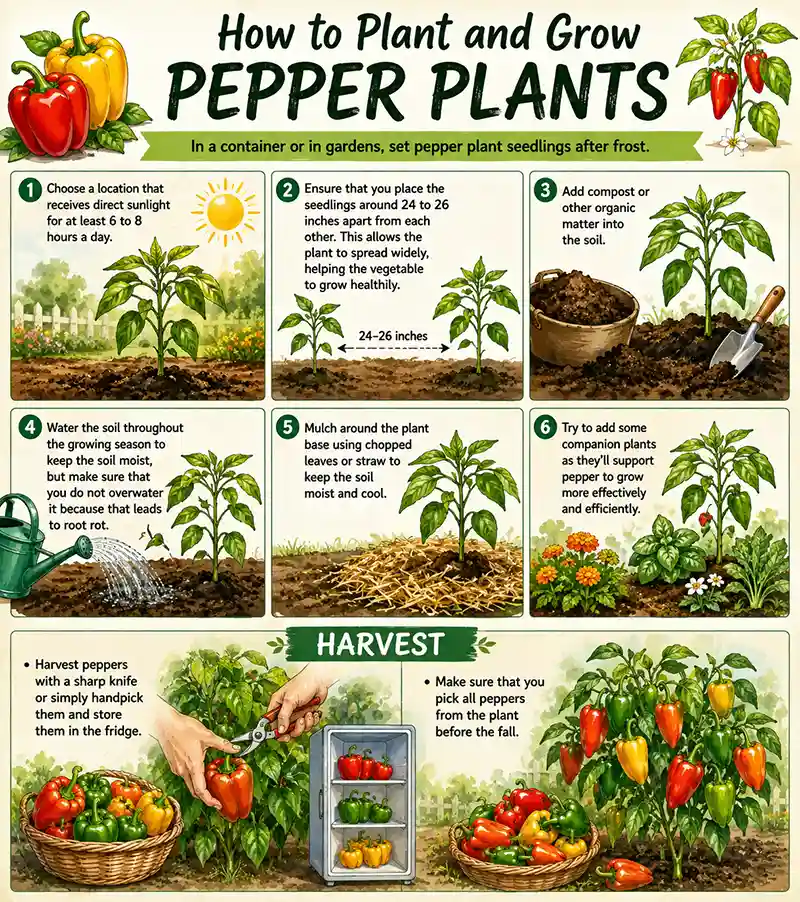
The best time to plant pepper plant seedlings outdoors is after the last frost, when the weather has settled down and is warm. Below are the steps involved in growing peppers:
- In a container or in gardens, set pepper plant seedlings after frost.
- Choose a location that receives direct sunlight for at least 6 to 8 hours a day.
- Ensure that you place the seedlings around 24 to26 inches apart from each other. This allows the plant to spread widely, helping the vegetable to grow healthily.
- Add compost or other organic matter into the soil.
- Water the soil throughout the growing season to keep the soil moist, but make sure that you do not overwater it because that leads to root rot.
- Mulch around the plant base using chopped leaves or straw to keep the soil moist and cool.
- Try to add some companion plants as they’ll support pepper to grow more effectively and efficiently.
Harvest
- Harvest peppers with a sharp knife or simply handpick them and store them in the fridge.
- Make sure that you pick all peppers from the plant before the fall.
Read more: Ground Cherry Plant Growing Guide: Care, Harvest and Uses
Pepper Plant Care Tips
Caring for a pepper plant is one of the essential steps after planting it. Here are some essential pepper plant care tips that might help your plant thrive longer:
- Make sure that you plant peppers in a sunny location that receives direct to slightly partial sunlight.
- Do not overwater the plant, and water it more frequently during hot days.
- Mulching around the plant base helps maintain soil temperature and retain soil moisture. Make sure you do not skip this step.
- Fertilise the soil once in a while with balanced NPK fertilisers or, better, use organic compost.
Read more: What are the Different Types of Lettuce? Uses, Cultivation, and More
Takeaways
Certainly, it is very important to know which plant is the best and the worst companion of the one you are growing. In the case of peppers, they thrive best around garlic, chives, onions, marigolds, and many more vegetables, herbs, and flowering plants. These plants help in maintaining soil temperature, repel insects and pests that might attack your plant, and attract pollinators, which are an essential part of any garden.
Next time, if you are planning to plant peppers, be sure to pair them with their best companions and not with the worst ones.
Happy planting.
FAQs
What to plant with peppers?
What are the worst pepper companions?
The worst pepper companions are fennel, brassicas, potatoes, and eggplants.
When to plant peppers?
The best time to plant peppers is after the frost when the weather turns warm.