Yes, most bellflower species are hardy perennials. They return and bloom for years.
Campanula Plant: Varieties, Growing Process and Caring Tips
Author
Rashika GuptaLast Update
October 1, 2026
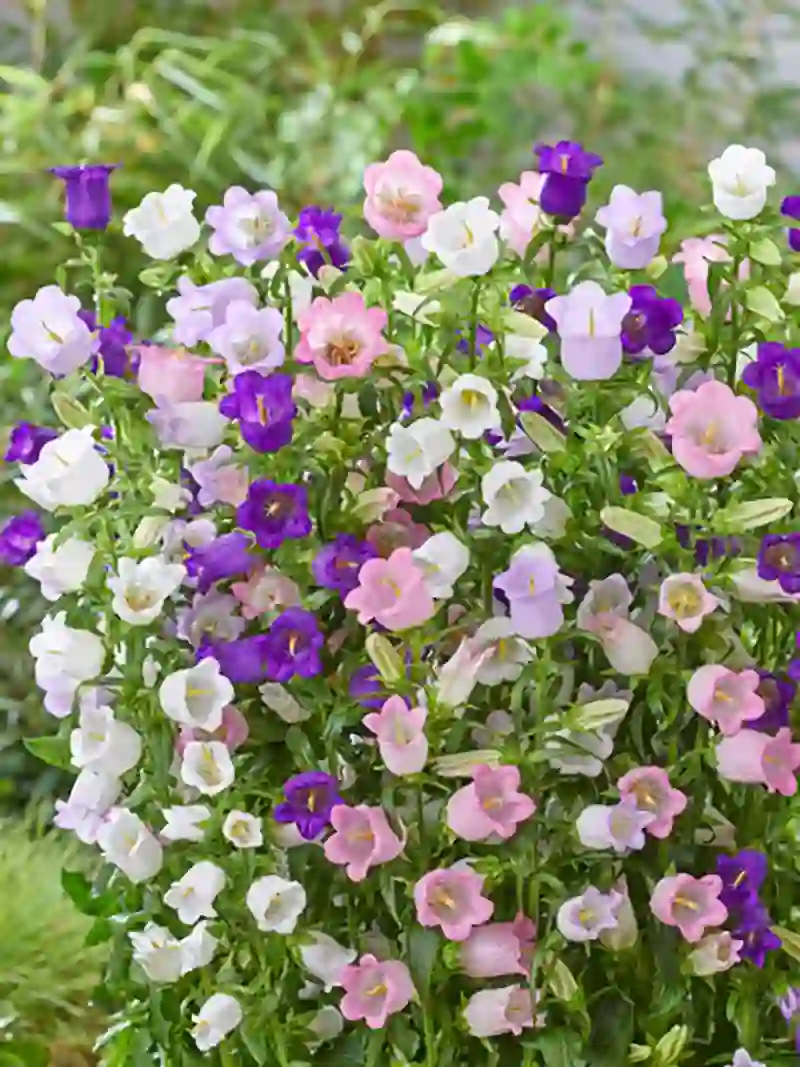
Campanula, also known as bellflower, is grown for its charming flowers that bloom in various hues of pink, white, purple, and blue. The plant grows in over 300 species and can be found throughout temperate regions of the Northern Hemisphere.
Campanula plants grow in various sizes and forms, which makes it a versatile addition to the rock garden, massive plantation, and border decor. This versatile perennial, biennial, or annual plant requires low-maintenance.
Read the article below to get a better understanding of bellflower varieties, taxonomy, care tips, and much more.
Table of Contents:
Taxonomy and Ideal Growing Conditions For the Campanula Plant
Campanula plants prefer warm days and cool nights. It spreads firmly in optimal growing conditions, though most of them are not considered invasive. For more general information, here is the taxonomic overview and ideal growing conditions of the plant:
| Botanical name | Campanula spp. |
| Common names | Bellflower |
| Kingdom | Plantae |
| Order | Asterales |
| Family | Campanulaceae (Bellflower family) |
| Genus | Campanula L. |
| Native area | Temperate regions of the Northern Hemisphere, from rocky alpine cliffs to native meadows. |
| Bloom period | Late spring to early summer (June to August); some varieties continue blooming till September or early fall |
| Hardiness | 3 to 8 USDA zones |
| Light Requirements | Bright, indirect sunlight on hot afternoons and direct sunlight during winter |
| Maintenance | Low |
| Type | Perennial, annual, biennial |
| Soil | Moist, well-drained soil |
| Flower colour | Purple, pink, white, blue |
| Water Requirements | Average |
| Mature size | 6 to 12 inches tall and 12 to 24 inches wide |
| Fertilizers | Light feeders |
| Toxicity | Non-toxic to both humans and pets |
Read more: Pravi Celer Guide: Taxonomy, Ideal Growing Conditions, & Much More
Popular Varieties of Bellflower Plant
The widely popular bellflowers not only bloom in various hues and sizes, but also have many popular species. Some of the people’s favourite species of bell flower are listed below along with their descriptions:
| Plant variety and image | Description |
Canterbury bells (Campanula medium)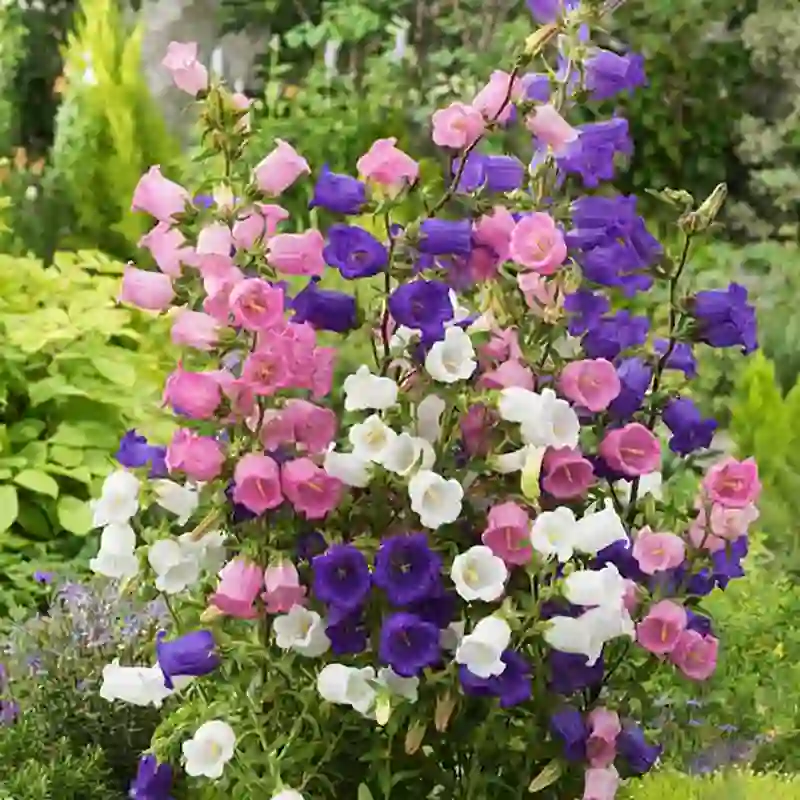 | Canterbury bells are gardeners’ favourite that are most popular in England. This biennial grows around 3 ft. tall and 2 ft. wide and blooms in various hues of white, pink, purple, and blue. They make good cut flowers. |
Dickson’s Gold (Campanula garganica)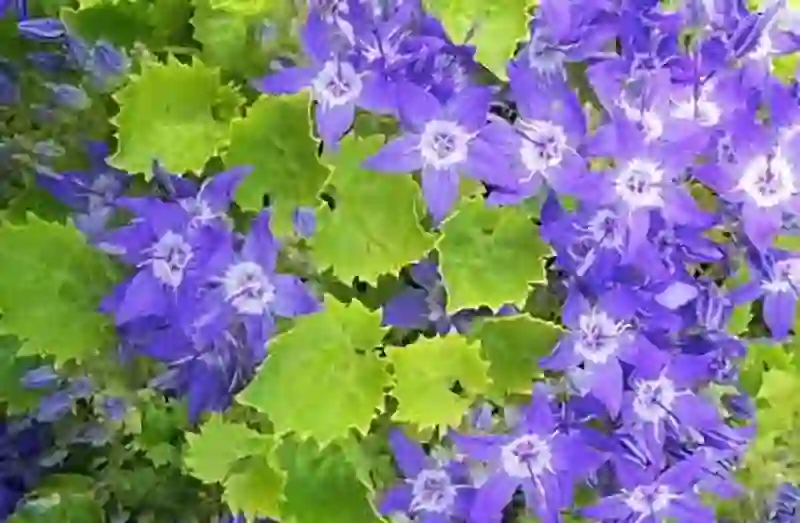 | Dickson’s Gold, or Adriatic bellflower, is a unique perennial Campanula that is popularly planted for its golden foliage, which provides contrast to its blue flowers. This variety grows around 3 to 6 inches tall and up to 24 inches wide and blooms from late spring till mid-summer. |
Peach-leaved bellflower (Campanula persicifolia)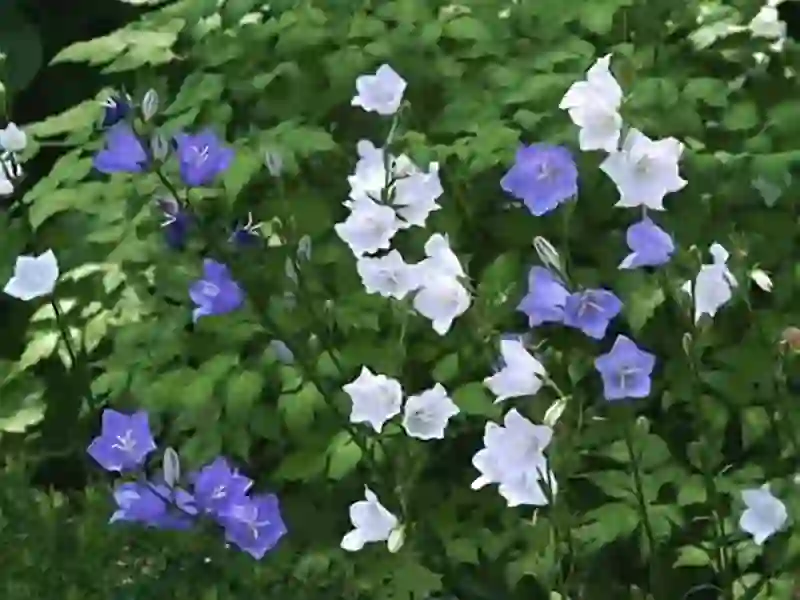 | Also known as Takion Blue, peach-leaved bellflower blooms from late spring till summer. The plant grows from 16 to 20 inches tall and 12 to 16 inches wide. It is widely celebrated for its beautiful blue coloured flowers and is used as an ornament. This variety also blooms in white and is popularly known as Takion White. The flowers are pollinator-friendly and attract pollinators like hummingbirds, bees, and butterflies. |
Wall bellflower (Campanula portenschlagiana)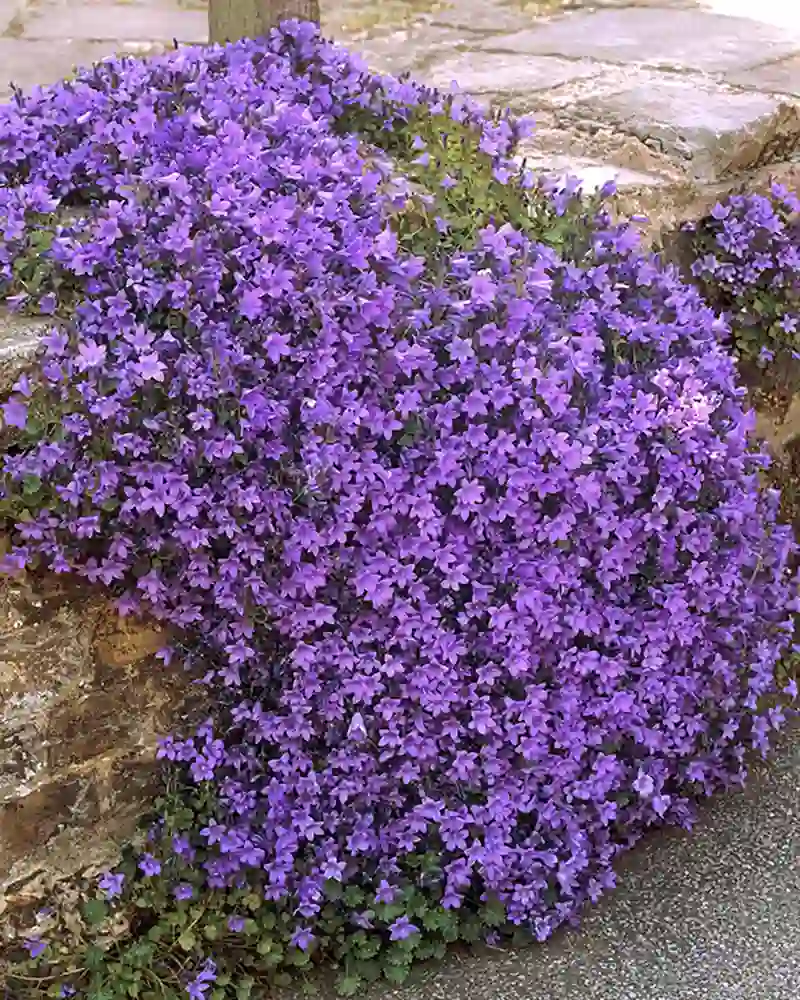 | Wall bellflower, also known as Dalmatian bellflower, is a fast-growing herbaceous perennial plant that blooms from late spring till fall in hues of purple and white. This variety of campanula grows around 6 to 12 inches tall and 20 to 36 inches wide. |
Serbia Bellflower (Campanula poscharskyana)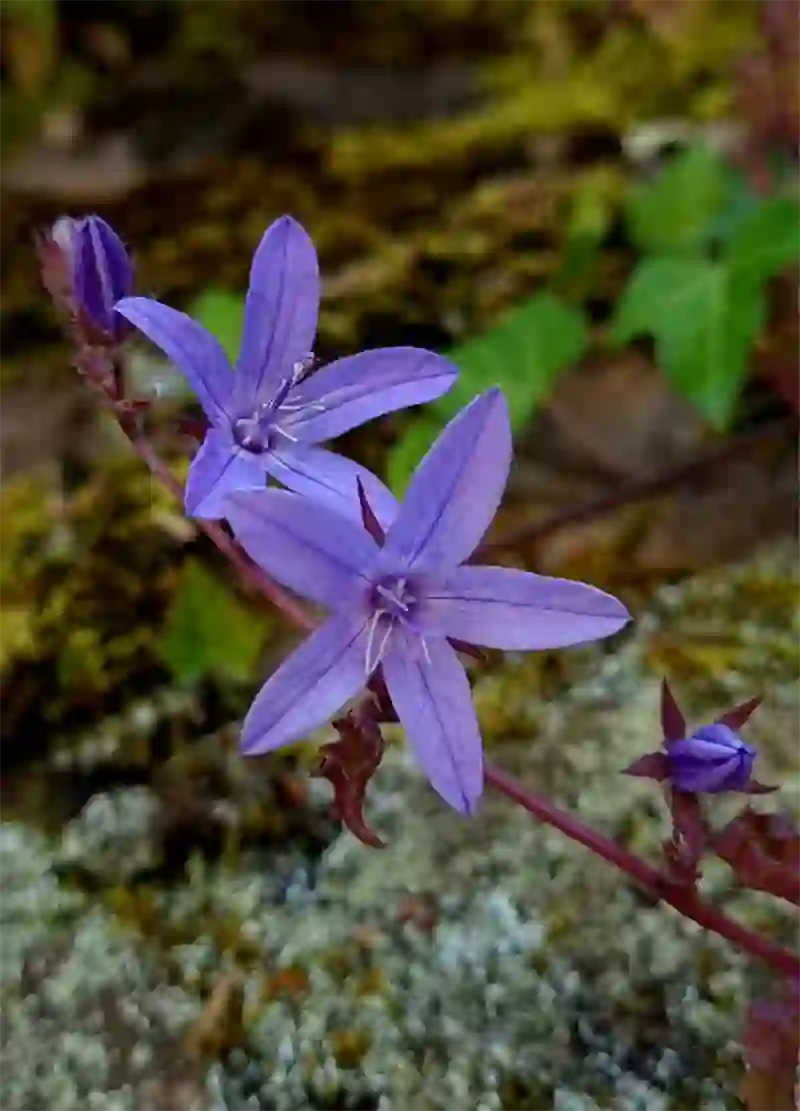 | It is a low-spreading variety that can be used to trail over walls, edging, or in rock gardens. This perennial produces bell-shaped flowers and grows around 12 inches tall and 24 inches wide. |
Read more: Areca Palm Guide: Taxonomy, Ideal Growing Conditions, Care Tips, & Much More
How to Grow a Campanula Plant?
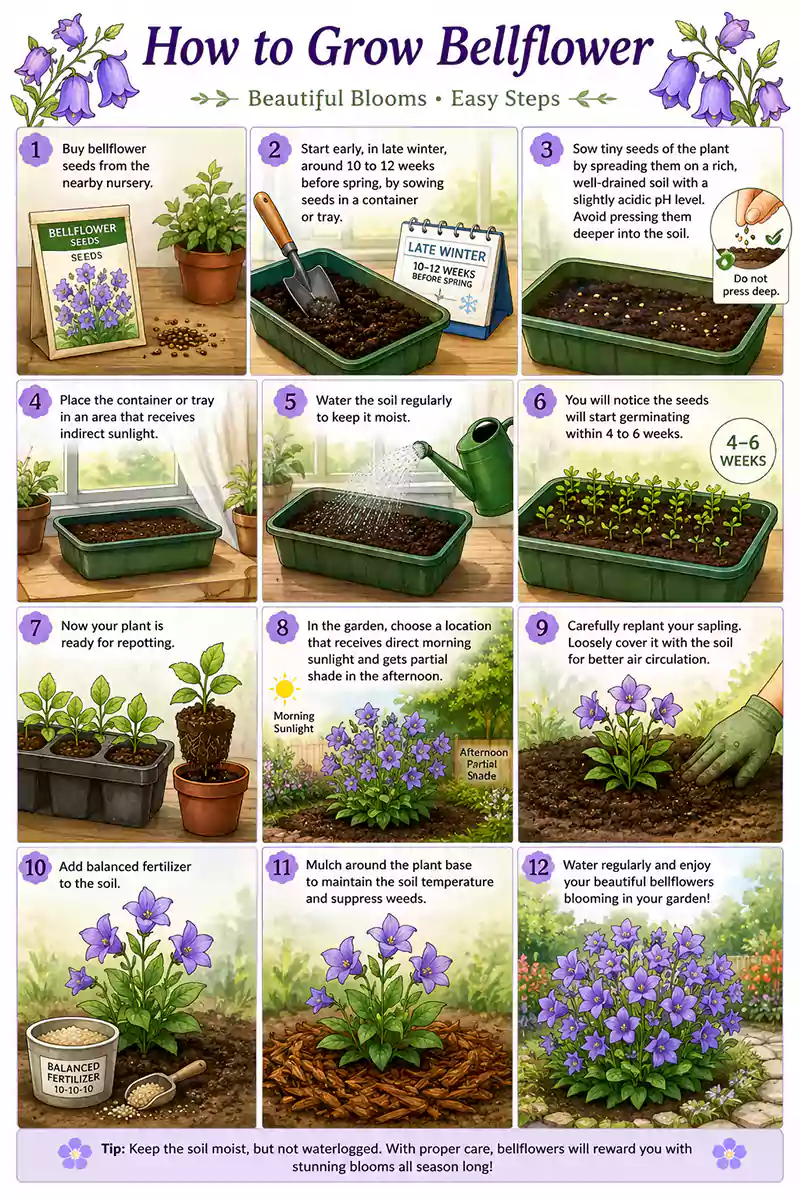
Now that we are aware of the most popular varieties of campanula plants, it is also important to know the growing process of bellflowers. They can be grown from seeds. Here are some simple steps that you need to follow in order to grow a healthy bellflower plant:
- Buy bellflower seeds from the nearby nursery.
- Start early, in late winter, around 10 to 12 weeks before spring, by sowing seeds in a container or tray.
- Sow tiny seeds of the plant by spreading them on a rich, well-drained soil with a slightly acidic pH level. Avoid pressing them deeper into the soil.
- Place the container or tray in an area that receives indirect sunlight.
- Water the soil regularly to keep it moist.
- You will notice the seeds will start germinating within 4 to 6 weeks.
- Now your plant is ready for repotting.
- In the garden, choose a location that receives direct morning sunlight and gets partial shade in the afternoon.
- Carefully replant your sapling. Loosely cover it with the soil for better air circulation.
- Add balanced fertilizer to the soil.
- Mulch around the plant base to maintain the soil temperature and suppress weeds.
Read more: Mulberry Tree: Taxonomy, How to Grow, Propagate, and Care Tips I Followed
Campanula Plant Care Tips
When it comes to bellflower care, you need to be particular about certain things, including location, watering, and fertilisers. Here are some of the care tips that helped my plant thrive longer:
- Bellflowers prefer warm days and cool nights. They are intolerant to extreme heat, so ensure you plant your campanula in a location that receives direct sunlight in the morning and is shaded in the afternoons.
- Use rich, well-drained soil with slightly acidic pH levels between 6 and 8.
- For pots or containers, use a good-quality all-purpose potting mix.
- While watering, ensure that you do not overwater your plant, as it can cause the soil to become soggy and drain away all the essential nutrients from it. This will eventually cause your plant to die. Water your plant more frequently during dry spells and heat. Also, do not let the soil dry out completely, as campanulas are not drought-tolerant.
- Though bellflowers aren’t heavy feeders, you can use balanced, slow-releasing fertiliser in early spring.
- Add a thin layer of mulch around the plant. This will help maintain the soil temperature, retain moisture, and suppress weeds.
- For better and healthier blooms, cut back dead foliage from the previous year’s bloom in early spring.
- Always check for pests because they can cause trouble for your plant. In case you find any pests, use organic pesticides like neem oil.
Read more: Foenegriek: Benefits, Growing Tips, and Ideal Growing Conditions
Common Pests and Diseases of the Campanula Plant
In general, the bellflower is considered to be a tough plant, but it can often attract pests and diseases like aphids, slugs and snails, mealybugs, and root rot. The table below provides some of the solutions that have worked widely to remove these pests and diseases. They are:
| Pests and diseases | Solutions |
| Slugs and snails | They are very easy to identify. To get rid of them, I usually handpick them. If you do not want to handpick them, use a strong water spray. |
| Powdery mildew and mealybugs | They usually appear as white powder on the plant leaves and flowers. Use pesticidal soap or 70% isopropyl alcohol to get rid of them. |
| Root rot | The main cause of root rot is overwatering the plant. Although bellflower likes its soil to remain moist all the time, when overwatered, the soil turns soggy and drains out all the essential nutrients from it. |
Read more: Sensitive Plant Mimosa Pudica: Taxonomy, Propagation Process, Care Tips and Common Pests
Takeaways
Campanula, also known as bellflower, is often recognised for its beautiful flowers that usually bloom from spring till early fall, depending on the variety. These flowers bloom in various hues of purple, blue, white, and pink and are also pollinator-friendly.
If you want to plant flowers in large numbers, bellflowers are one of the best possible additions. The plant has wide varieties that grow in various sizes and have different, attractive foliage.
With little care, you can keep this perennial plant alive for years. One of the basic care tasks involves pruning during late winter or early summer.
Happy planting!
FAQs
Is campanula a perennial?
What are the most common species of campanula?
The most common species of campanula include Campanula medium, Campanula garganica, Campanula persicifolia, Campanula portenschlagiana, and Campanula poscharskyana.
Do bellflowers prefer sun or shade?
The bellflowers thrive best in full sun to partial shade. They prefer cool climates with morning sunlight and protection from direct sunlight in the afternoons.
How often do campanulas need watering?
Campanulas require moderate watering. They prefer moist soil; make sure that you don’t let the soil dry between watering sessions.
Sources
Campanulaceae: Britannica
bellflower: Britannica
Latest Blog